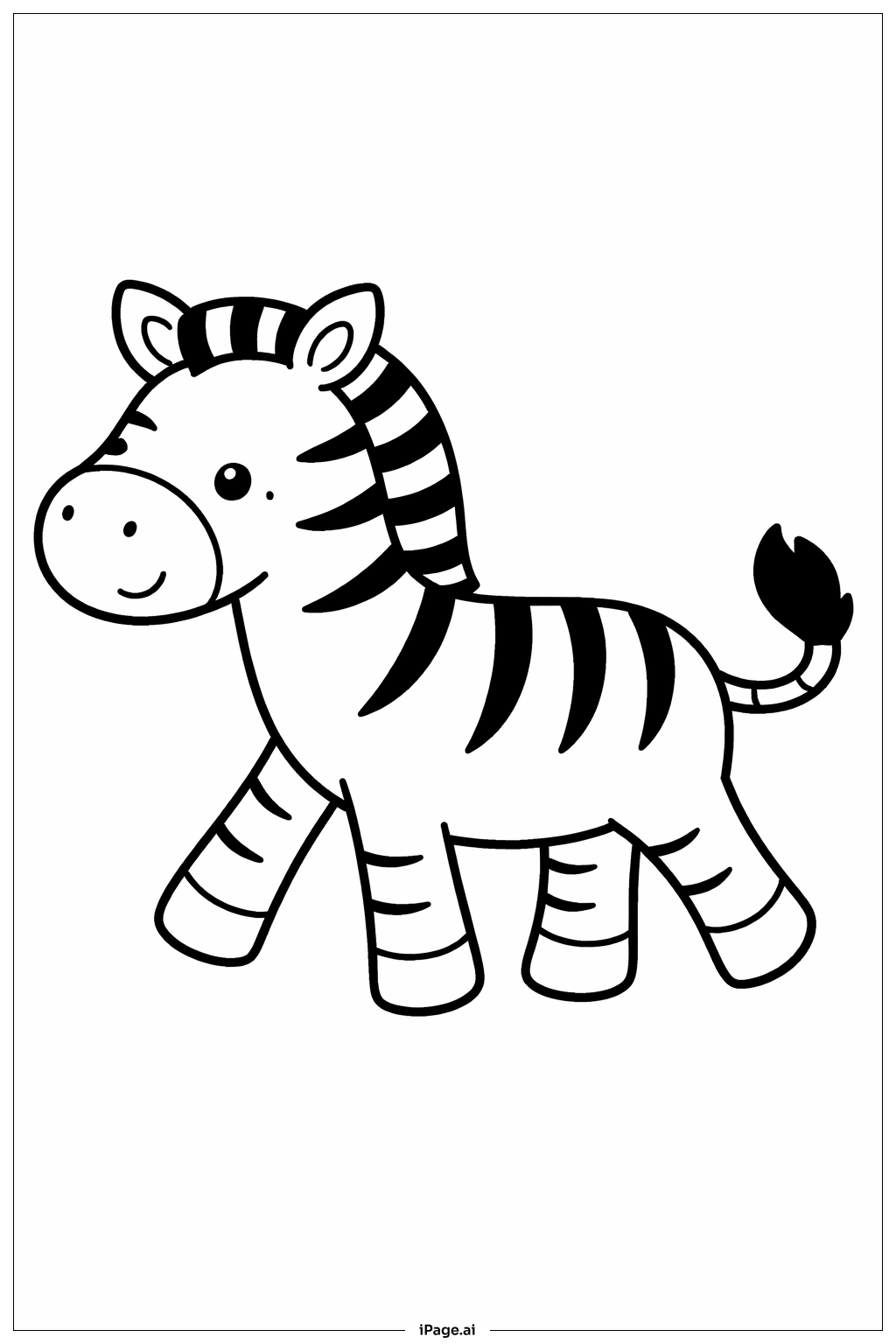
Coloring tips: How to color Zebra Walking coloring page well?
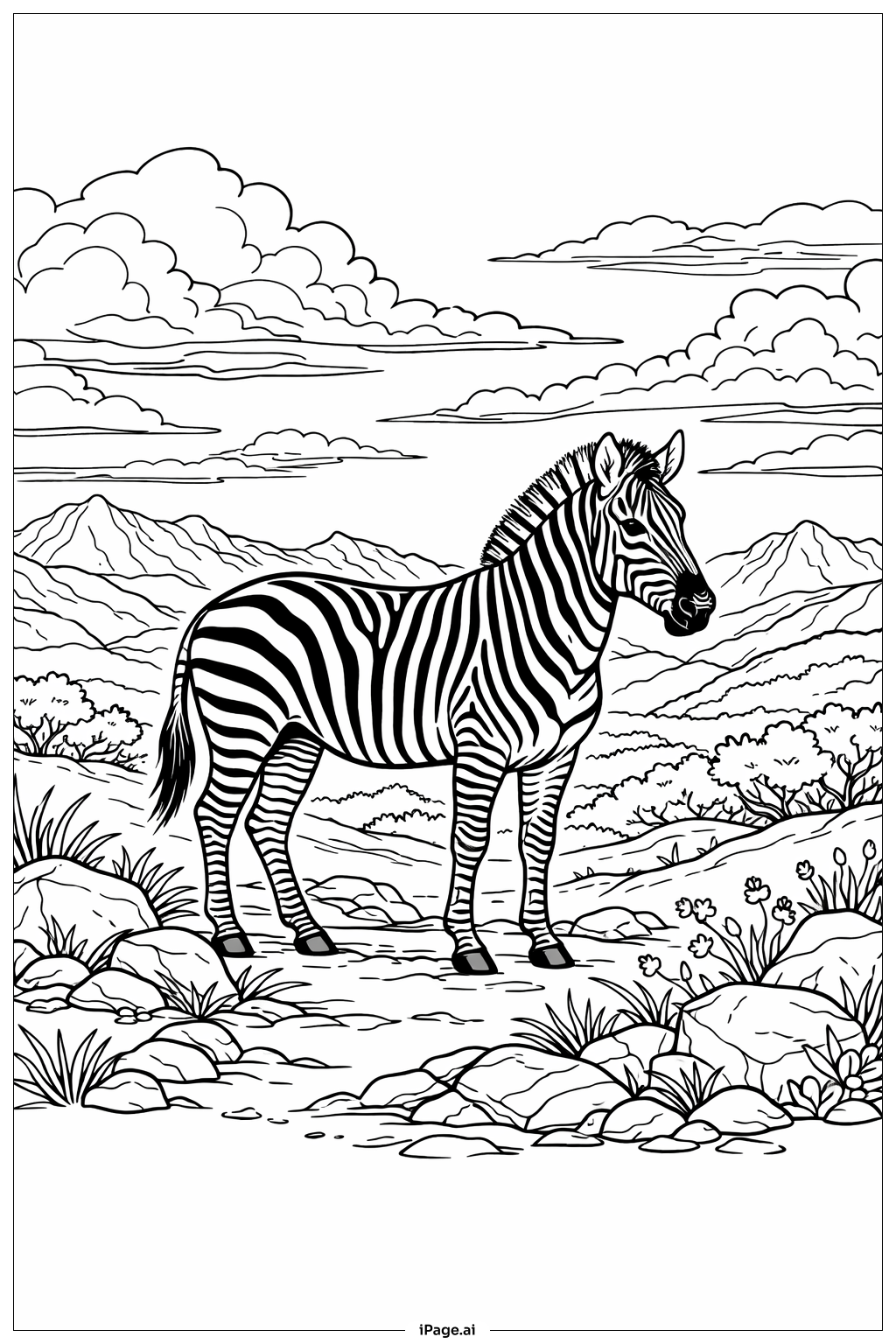
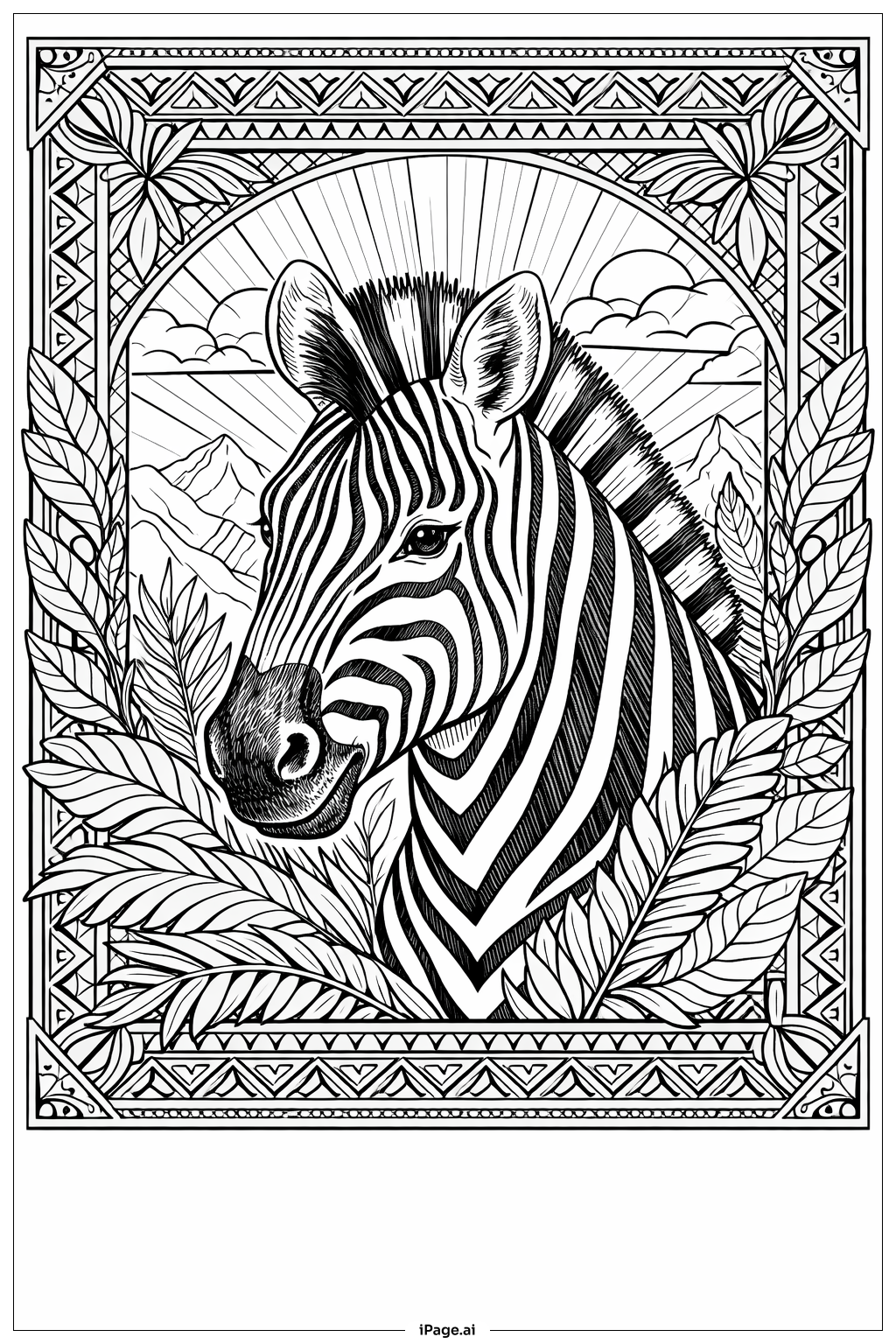
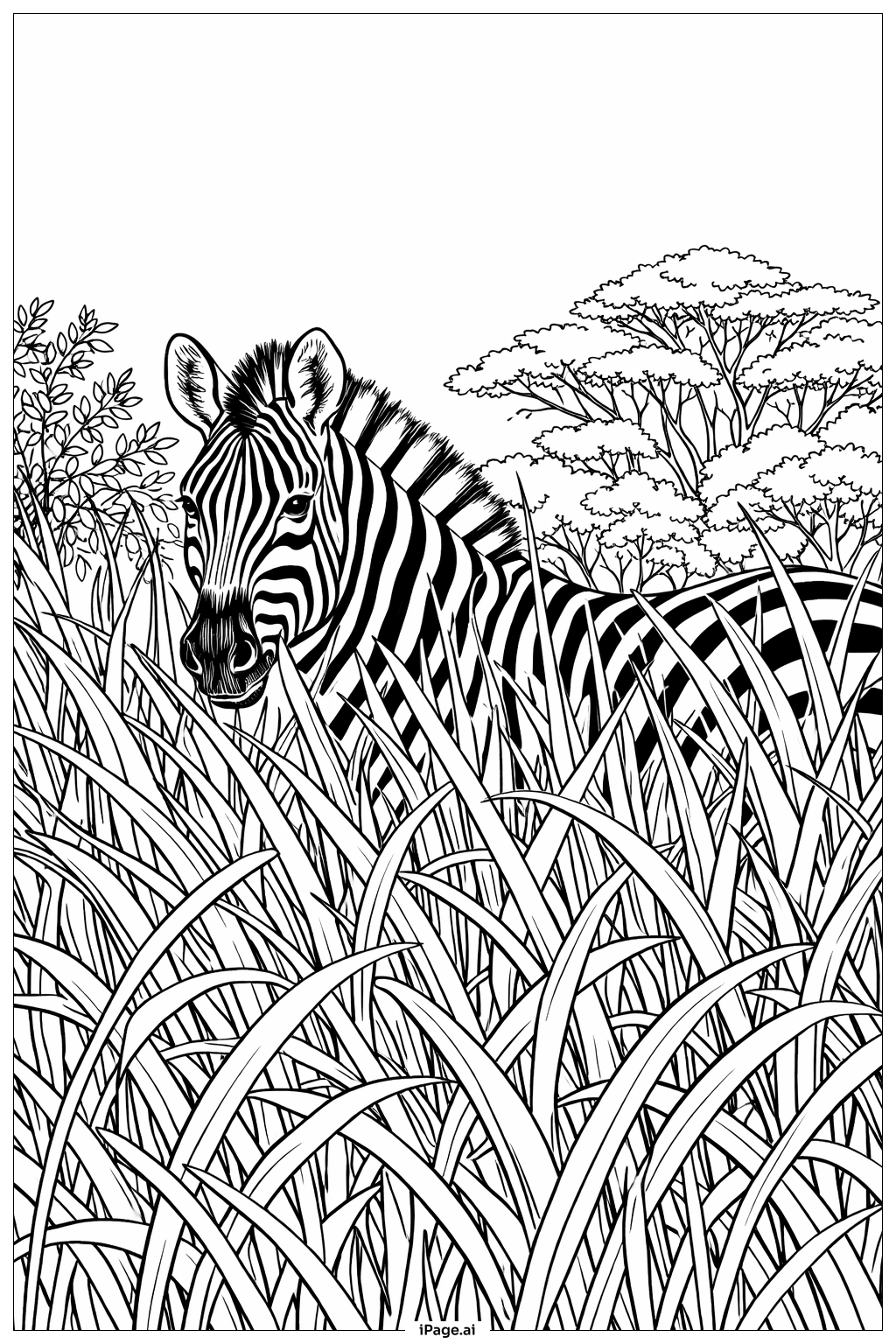
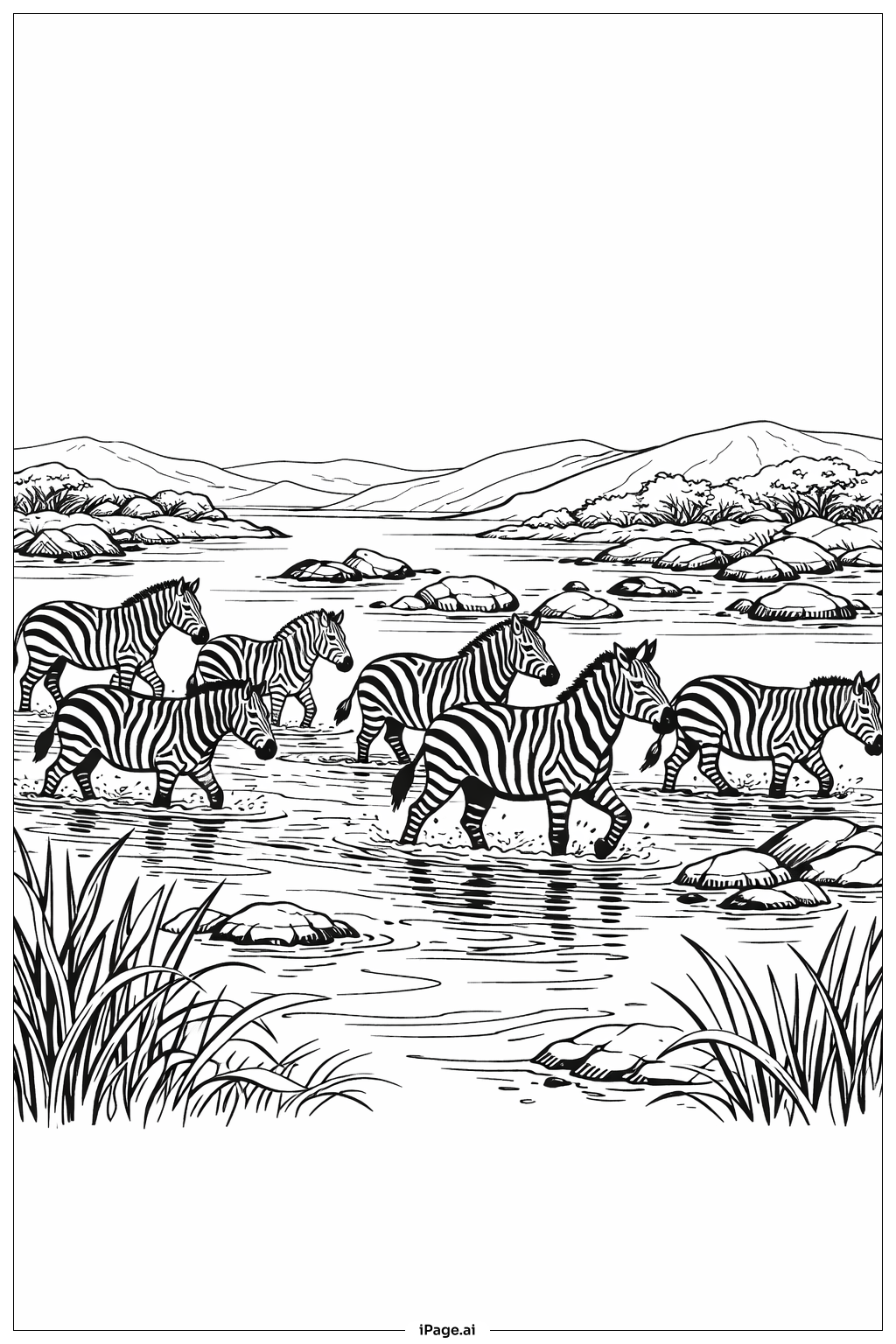
Start with the zebra's stripes by using a dark black or deep charcoal for the bold stripe markings. Leave the alternating areas white or fill them with a very light cream or ivory tone for a natural look. For the mane, use black at the tips and blend into gray or brown near the roots. Color the hooves a dark gray or brownish-black. The eyes can be filled with warm brown and black, with a tiny white dot for a shiny highlight. If you want a more creative approach, try using purple, blue, or teal stripes instead of black for a fun fantasy zebra. Add a simple sandy yellow or light green background to suggest an open savanna or grassy plain. Boys and Girls of all ages can experiment with bold or soft color palettes to make their zebra truly unique.
Coloring challenges: Which parts are difficult to color and need attention for Zebra Walking coloring page?
• Stripe Pattern Accuracy: The zebra's stripes are one of the most complex patterns found in nature. Each stripe curves and tapers differently across various parts of the body — the neck, belly, legs, and face all have unique stripe shapes. Staying within the lines while following these irregular curves can be very challenging, especially for younger colorists. Take your time and use a fine-tipped marker or colored pencil for better control.
• Transition Between Black and White Areas: Creating a clean, sharp boundary between the dark stripes and the lighter base coat requires a steady hand. Any overlap or bleed between these two tones can make the pattern look muddy or uneven. Using a well-sharpened pencil or a thin brush with controlled paint strokes will help keep the edges crisp and clean.
• Leg and Hoof Details: The lower legs of the zebra have tighter, more compressed stripe patterns that can be difficult to color neatly given the smaller space. The hooves require a slightly different texture and tone compared to the rest of the body, adding another layer of complexity that requires careful attention and patience.
• Mane Texture and Depth: The upright mane running along the zebra's neck needs to convey a sense of texture and dimension. Simply filling it with flat black may make it look dull. Try layering light gray under black, or leaving thin white lines to simulate individual hairs and give the mane a more lifelike, three-dimensional appearance.
• Maintaining Consistent Pressure: When using colored pencils or crayons, keeping consistent pressure throughout large areas like the body ensures an even, smooth finish. Uneven pressure can create patchy or streaky results, particularly noticeable in the lighter white sections of the coat.
Benefits of coloring books: Advantages of drawing Zebra Walking coloring page
Coloring this Zebra Walking page offers a wide range of benefits for both children and Adults. For younger colorists, tracing and staying within the zebra's intricate stripe patterns helps develop fine motor skills and hand-eye coordination. It also encourages focus and attention to detail, which are key skills for learning and development.
Working with the zebra's black-and-white pattern gives colorists a wonderful opportunity to explore contrast, shading, and color theory. Boys and Girls can experiment with realistic tones or imaginative color combinations, nurturing their creativity and artistic confidence.
This coloring page also serves as a gentle introduction to wildlife and nature. As children color the zebra, they can learn fun facts about the animal — like how no two zebras have the same stripe pattern, similar to human fingerprints. This sparks curiosity and a love for the natural world.
For older colorists and Adults, the detailed stripe work provides a meditative, calming activity that helps reduce stress and anxiety. The repetitive, focused nature of coloring complex patterns promotes mindfulness and relaxation. Overall, this page is a rewarding and enriching experience for colorists of all ages and skill levels.