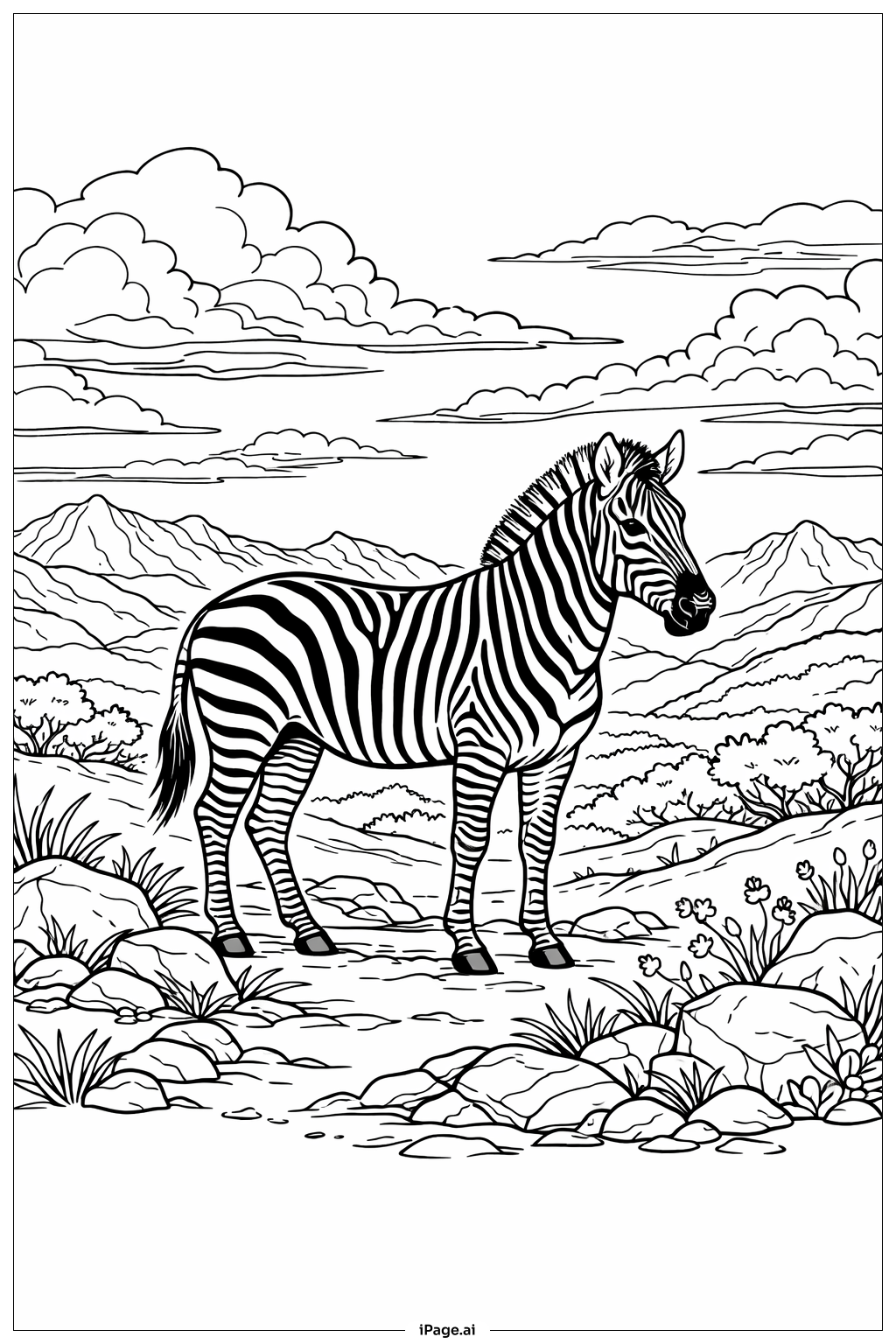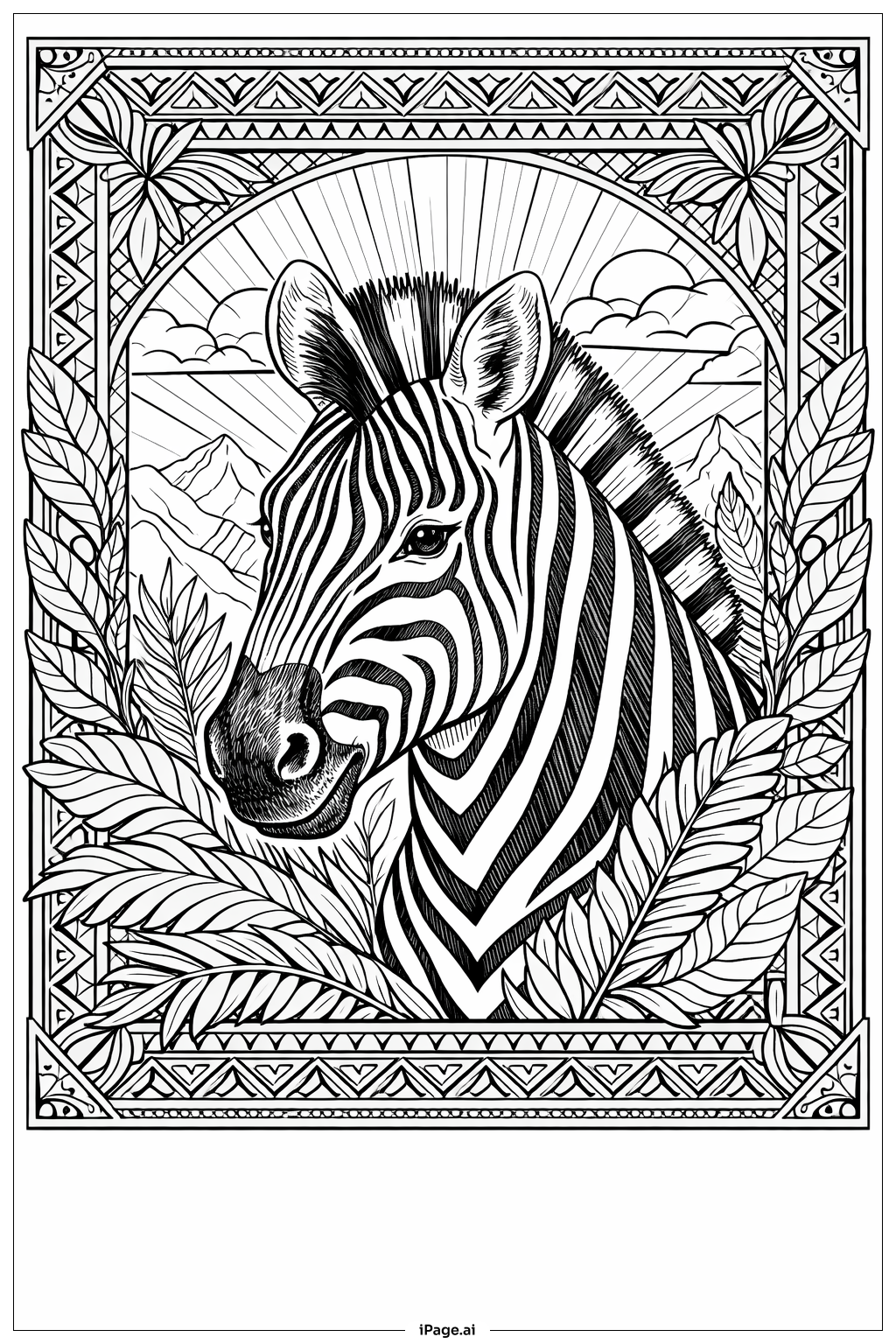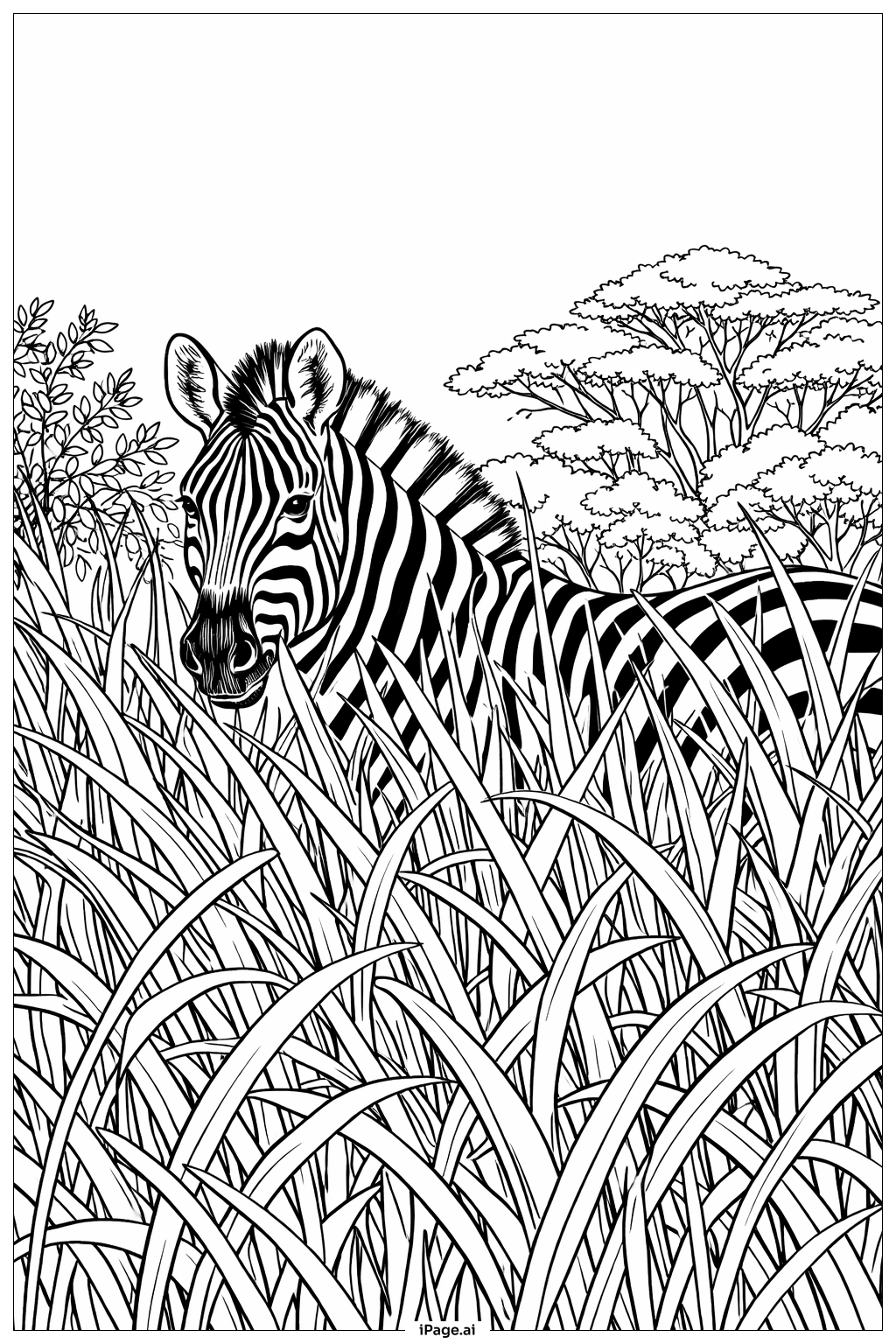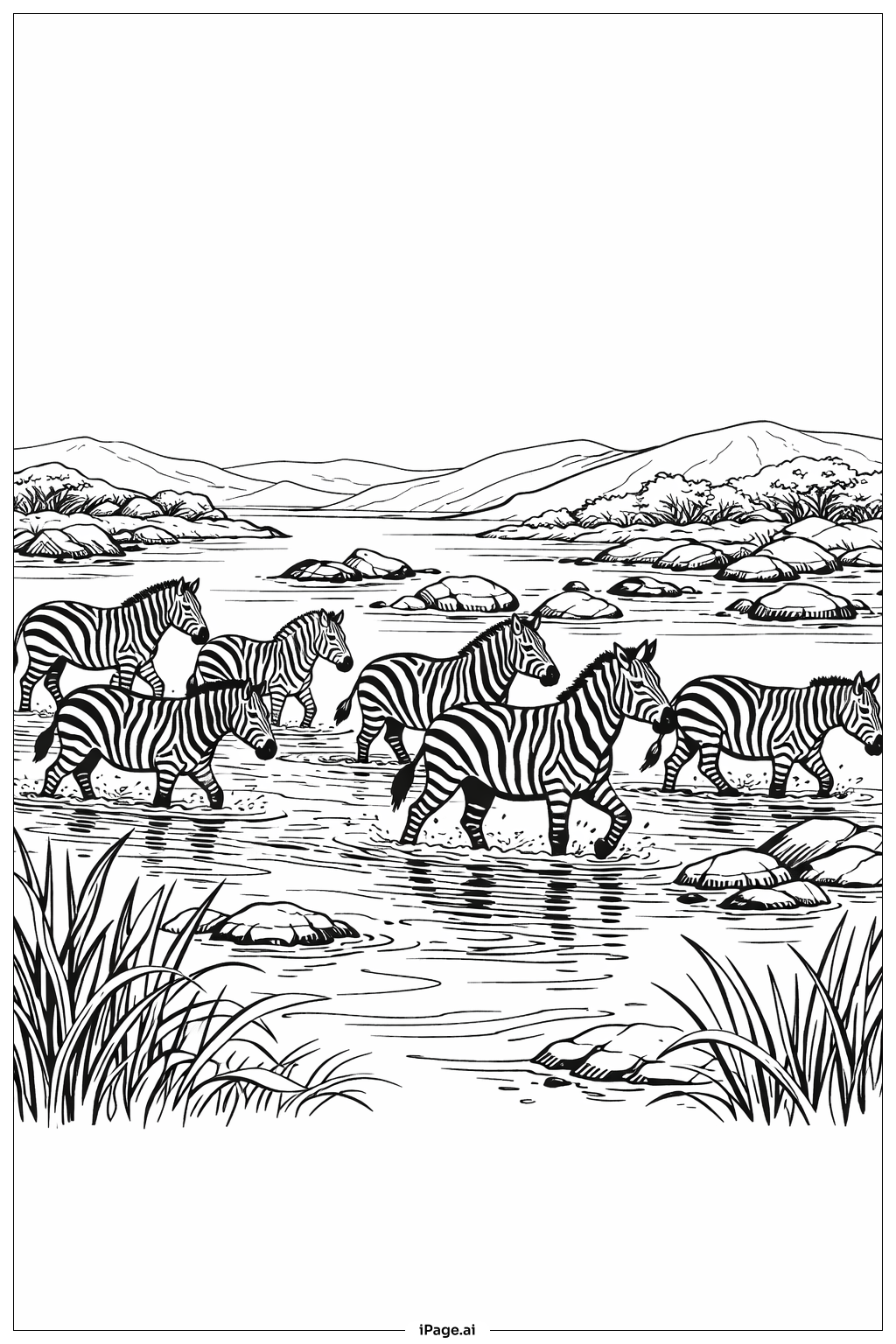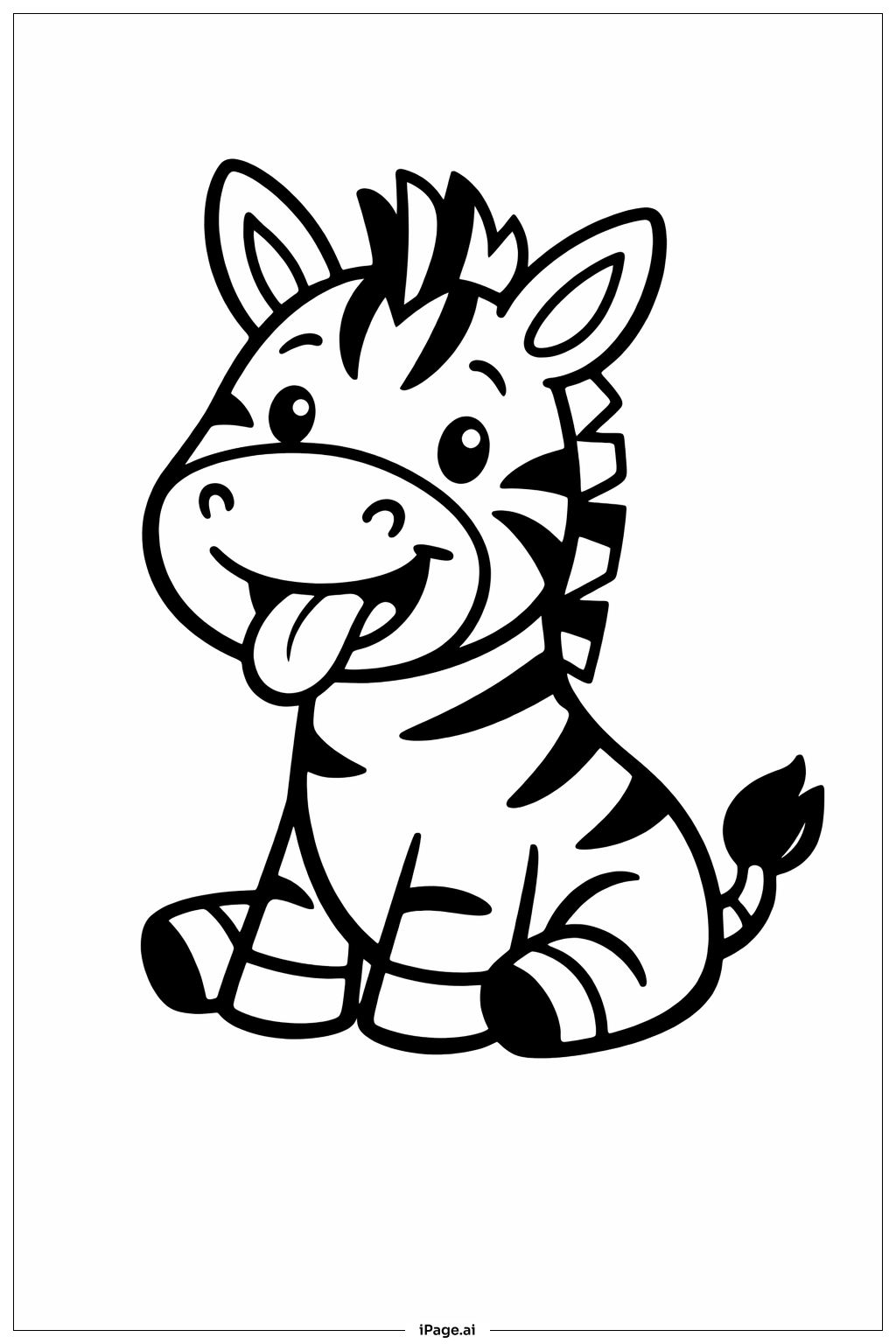
Coloring tips: How to color Zebra Smiling With Tongue coloring page well?
For this cheerful zebra, start with the classic black and white stripe pattern that zebras are famous for. Use black or dark gray for alternating stripes, leaving other stripes white or very light gray. The mane can be colored in black or dark brown. For the tongue, try a bright pink or reddish-pink to make it stand out playfully. The inner ears could be light pink or tan to add depth. Consider using gray tones for shading along the edges of the white stripes to create dimension. The hooves should be dark brown or black. You can also add a light blue or green background to suggest sky or grassland, making your zebra look like it is in its natural habitat. For a more creative approach, experiment with rainbow stripes or unusual color combinations while keeping the tongue a natural pink shade.
Coloring challenges: Which parts are difficult to color and need attention for Zebra Smiling With Tongue coloring page?
• Stripe Pattern Accuracy: The zebra's distinctive stripes require careful attention to maintain the alternating pattern consistently across the entire body. Children need to track which stripes should be dark and which should remain light, especially where stripes curve around the body's contours. This requires planning and patience to avoid coloring the wrong stripe, which could disrupt the overall pattern.
• Maintaining Clean Boundaries: The numerous stripe boundaries throughout the image present a challenge for staying within the lines. Each stripe edge needs careful coloring to prevent colors from bleeding into adjacent stripes. Younger children may find it difficult to control their coloring tools precisely along these many dividing lines, especially in areas where stripes are narrower or more curved.
• Facial Detail Work: The zebra's expressive face contains smaller detailed areas including the eyes, nostrils, mouth, and the playful tongue. These features require fine motor control and precision to color effectively without going outside the lines. The tongue, being a small protruding element, needs special attention to differentiate it from the surrounding facial features.
• Curved Stripe Transitions: The stripes follow the natural curves of the zebra's body, changing direction around the legs, neck, and face. Coloring these curved sections while maintaining stripe continuity and width consistency challenges spatial awareness and hand-eye coordination, particularly where stripes bend around dimensional body parts.
Benefits of coloring books: Advantages of drawing Zebra Smiling With Tongue coloring page
Coloring this playful zebra offers wonderful developmental benefits for children. The stripe pattern provides excellent practice for pattern recognition and sequential thinking as children work to maintain the alternating color scheme throughout the image. This activity strengthens fine motor skills and hand-eye coordination, especially when carefully coloring within the many stripe boundaries and detailed facial features. The cheerful expression of the zebra encourages emotional connection and storytelling, allowing children to imagine the zebra's personality and create narratives around the image. Working with the contrasting black and white stripes teaches color theory basics and the concept of contrast. The detailed nature of the stripes promotes focus, concentration, and patience as children work methodically through each section. This coloring page also provides educational value by familiarizing children with zebra anatomy and their distinctive markings, sparking curiosity about wildlife and nature.