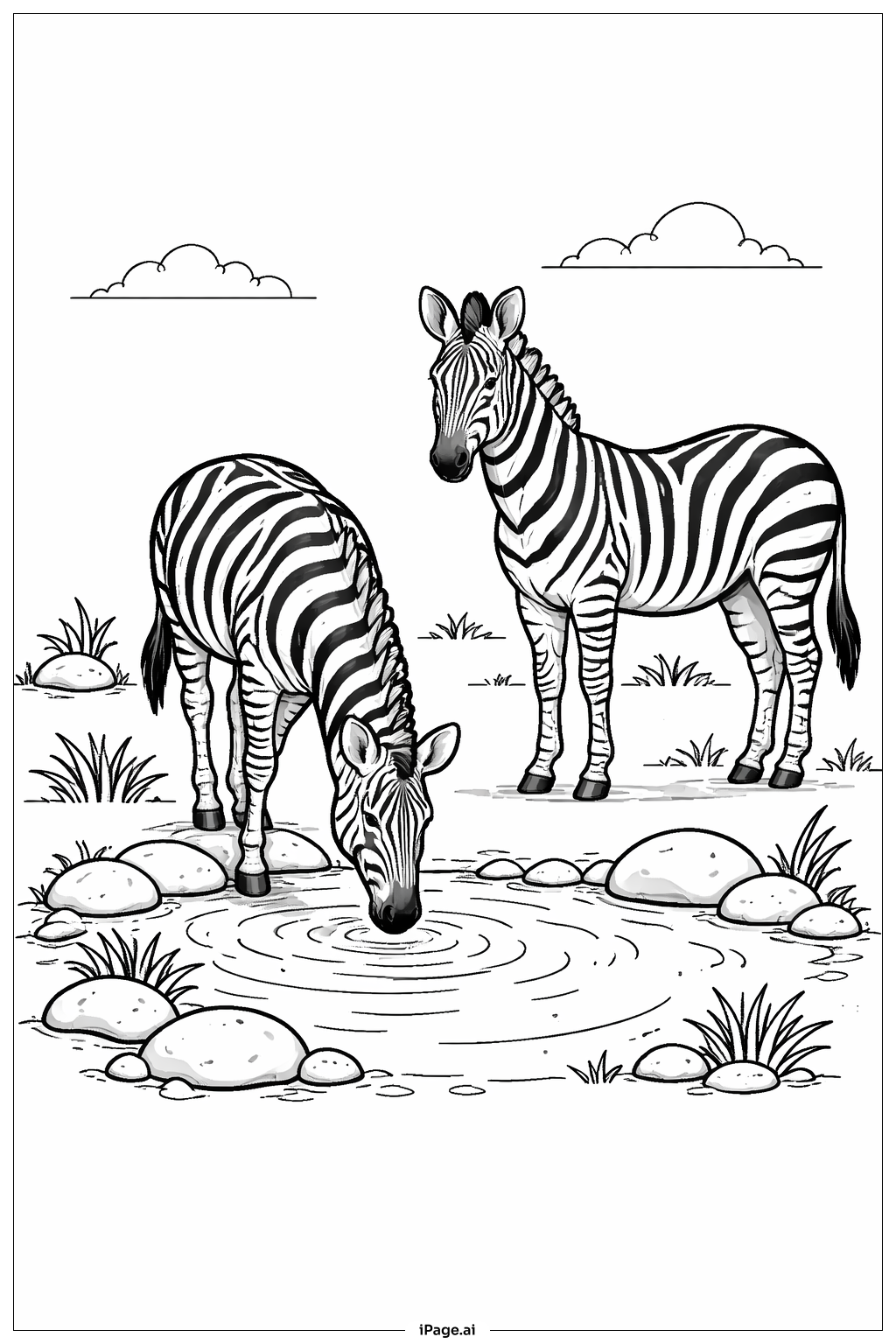
Coloring tips: How to color Zebra Near Waterhole coloring page well?
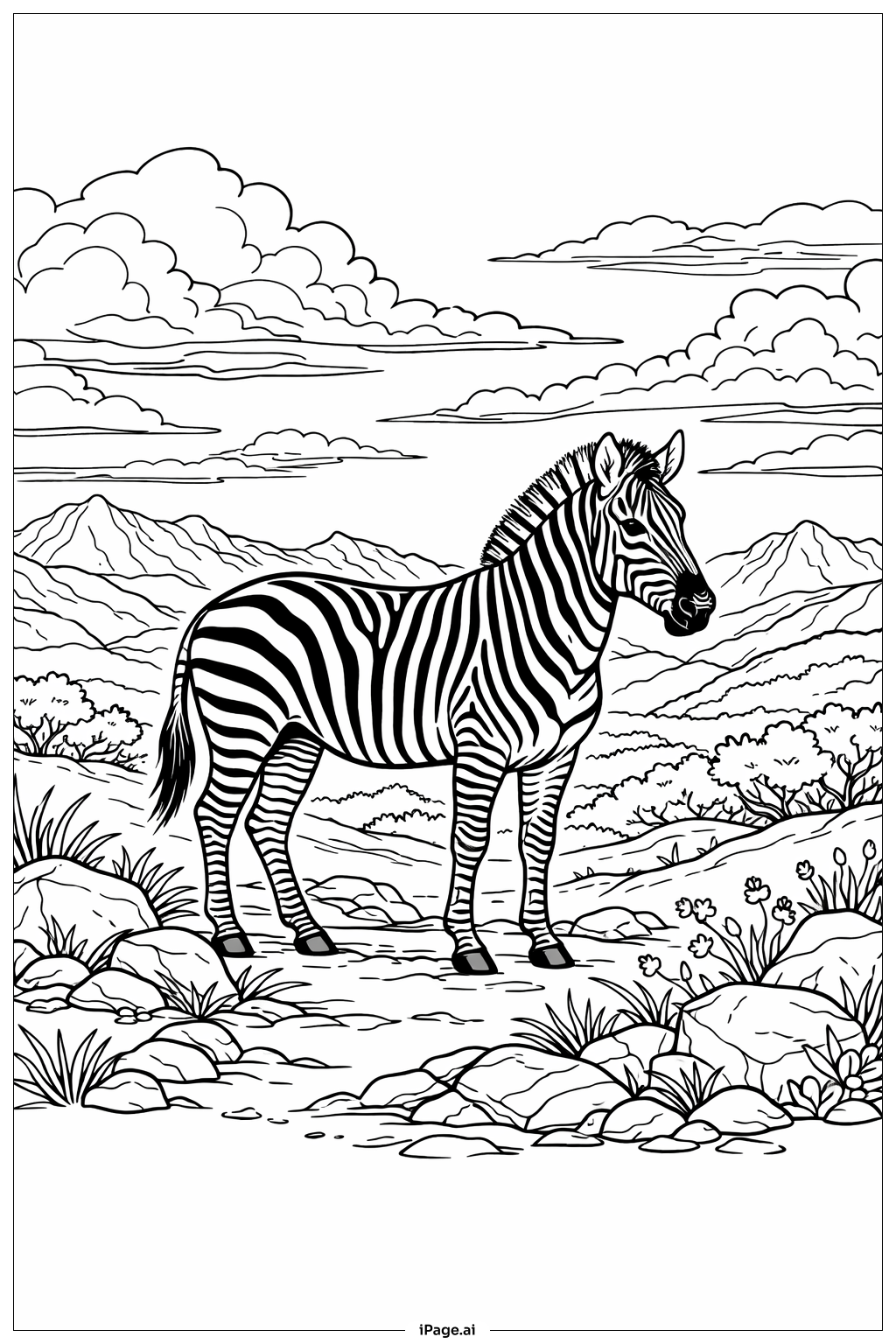
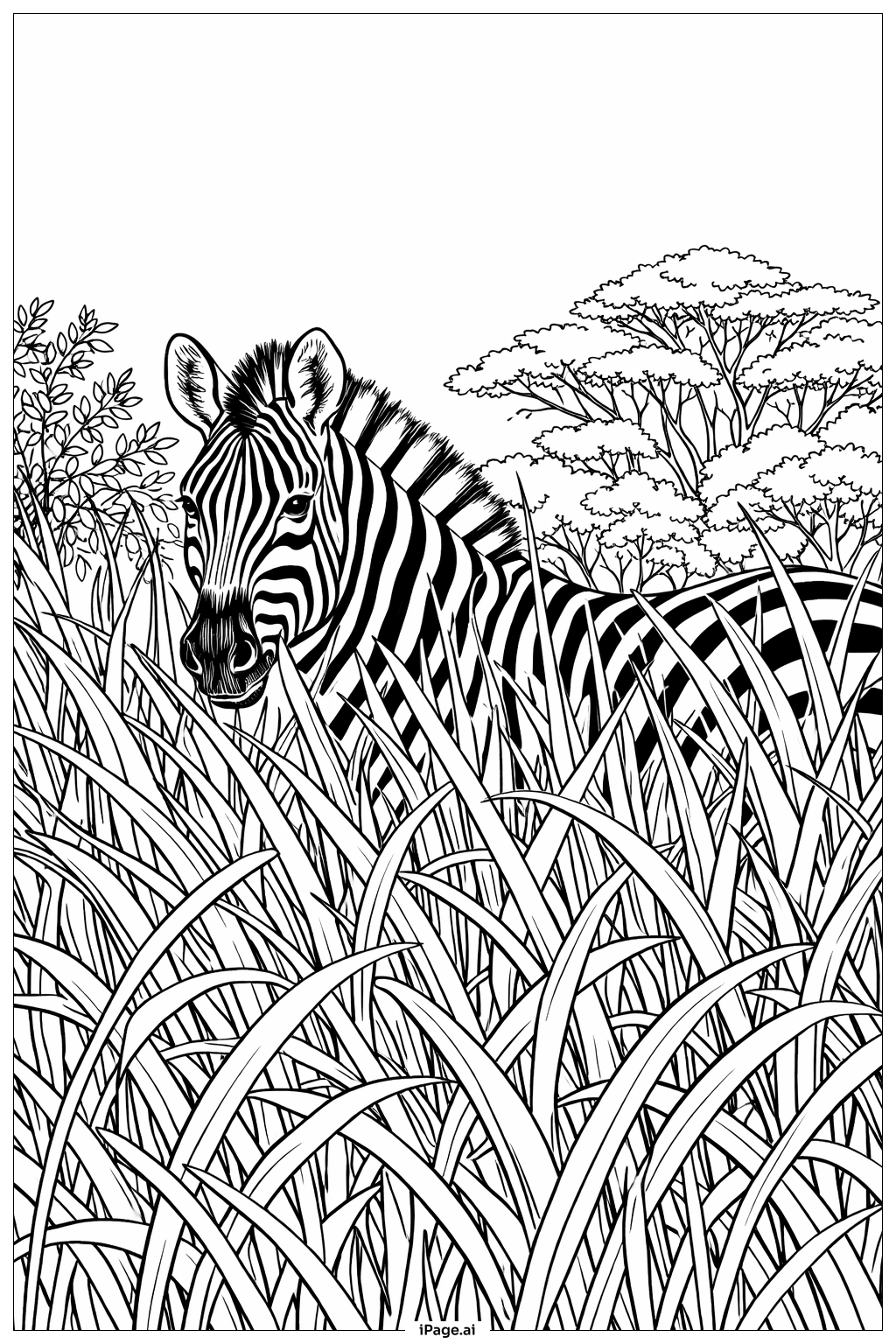
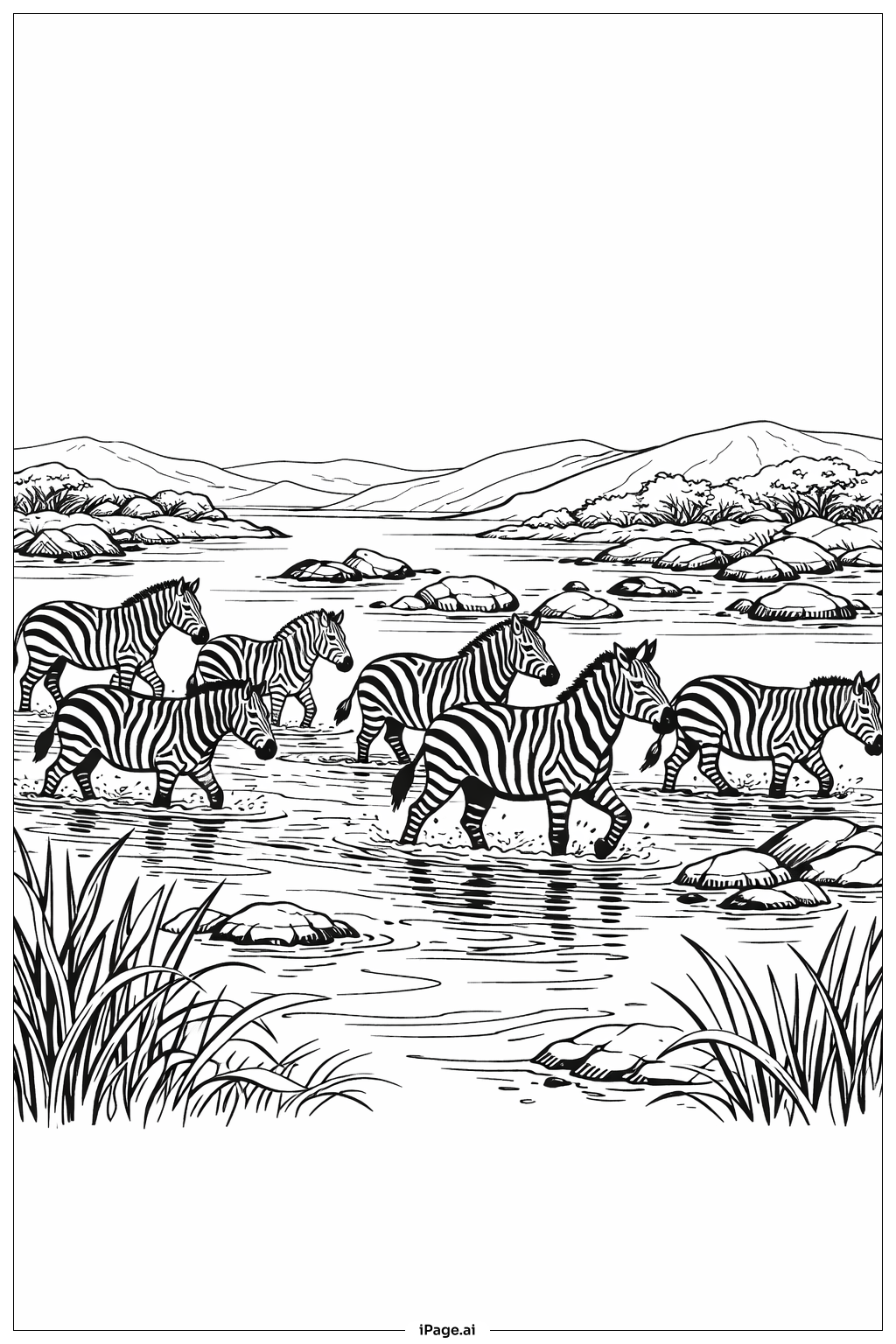
Start with the zebra's iconic stripes using black or dark brown, leaving the alternating sections white or cream for contrast. Consider making some stripes slightly lighter to add dimension. For the waterhole, use various shades of blue, adding lighter tones where the sky reflects and deeper blues in shadowed areas. The surrounding grass can be colored in greens and golden yellows to capture the dry savanna feel. Use browns and tans for the ground around the water. The acacia trees in the background work beautifully with olive greens and darker browns for trunks. Try adding a soft blue or orange sky depending on whether you imagine morning or sunset. Add touches of tan or beige to create dust or sandy patches near the water's edge for extra realism.
Coloring challenges: Which parts are difficult to color and need attention for Zebra Near Waterhole coloring page?
• Stripe Pattern Precision: The zebra's stripes require careful attention to maintain their distinctive pattern. Each stripe needs to follow the natural contours of the body, curving around legs, neck, and torso. Young colorists may find it challenging to stay within these narrow bands, especially where stripes meet at complex angles or where they taper near the legs and face.
• Water Reflection Effects: Creating realistic water in the waterhole presents a unique challenge. Achieving the right balance between transparent and reflective qualities requires blending multiple blue shades smoothly. Children must consider how the sky, surrounding landscape, and even the zebra itself might cast reflections, which involves understanding light and mirror effects that can be conceptually difficult.
• Background Depth and Perspective: The acacia trees and distant landscape require an understanding of atmospheric perspective. Objects farther away should appear lighter and less detailed, while foreground elements need richer colors and more definition. Maintaining consistent shading to create depth while managing multiple landscape elements simultaneously can overwhelm less experienced colorists.
• Texture Variation: Different surfaces in the scene demand different coloring techniques. The zebra's smooth coat, rough grass, rippling water, and tree bark each need distinct approaches. Switching between solid coloring, light strokes for grass, and gentle blending for water requires versatility and patience that develops with practice.
Benefits of coloring books: Advantages of drawing Zebra Near Waterhole coloring page
Coloring this zebra waterhole scene offers wonderful developmental benefits for children. The repetitive stripe pattern enhances focus and concentration while building fine motor control through precise hand movements. Following curved lines around the zebra's body improves hand-eye coordination and strengthens the small muscles needed for writing. The scene introduces children to African wildlife and ecosystems, sparking curiosity about nature and geography. Choosing colors for different elements encourages creative decision-making and artistic expression. The calming subject matter of an animal peacefully drinking water can have a relaxing, meditative effect, helping reduce stress and anxiety. Completing the detailed scene builds patience and perseverance, while the finished artwork provides a sense of accomplishment that boosts confidence and self-esteem.