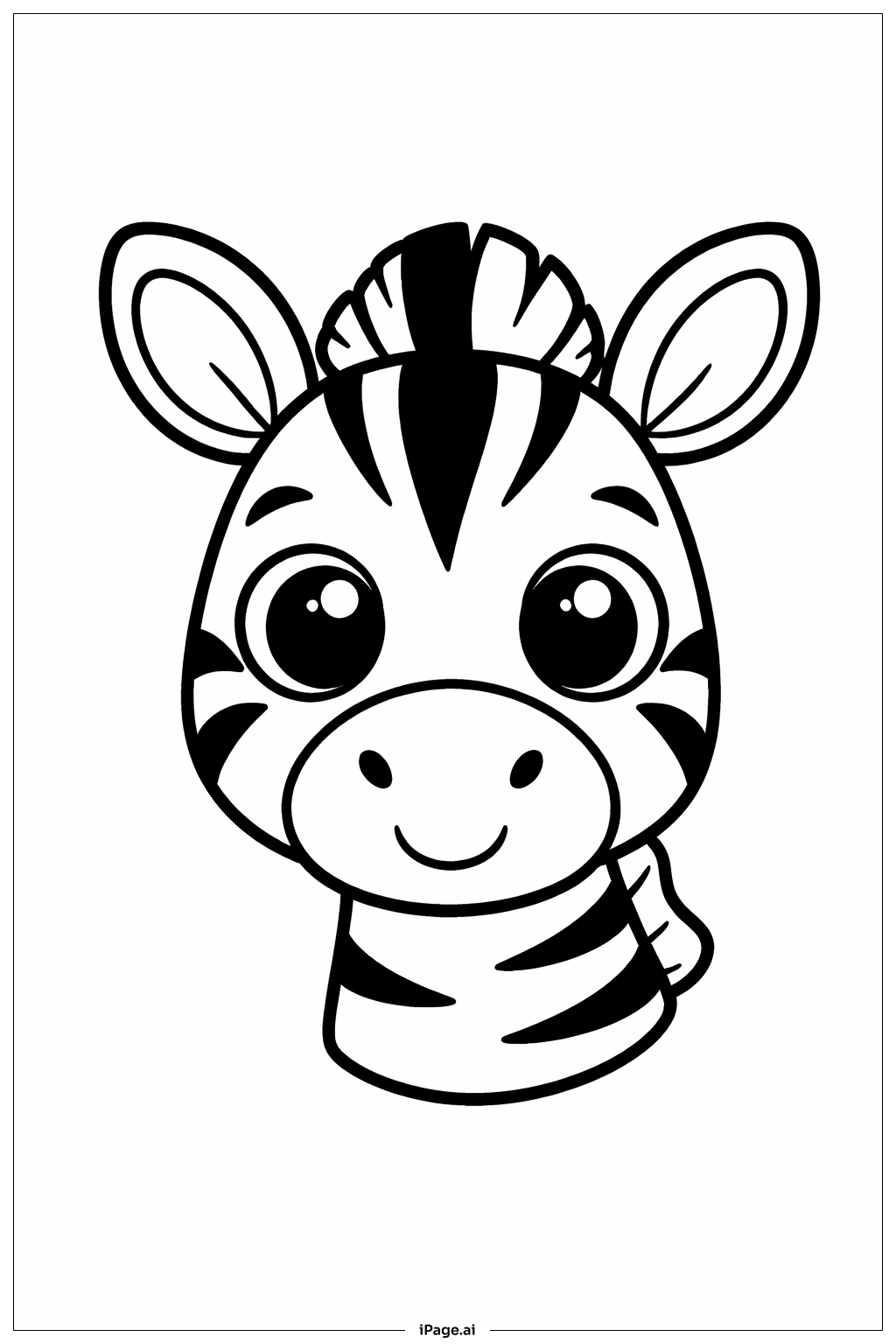
Coloring tips: How to color Zebra Head With Big Eyes coloring page well?
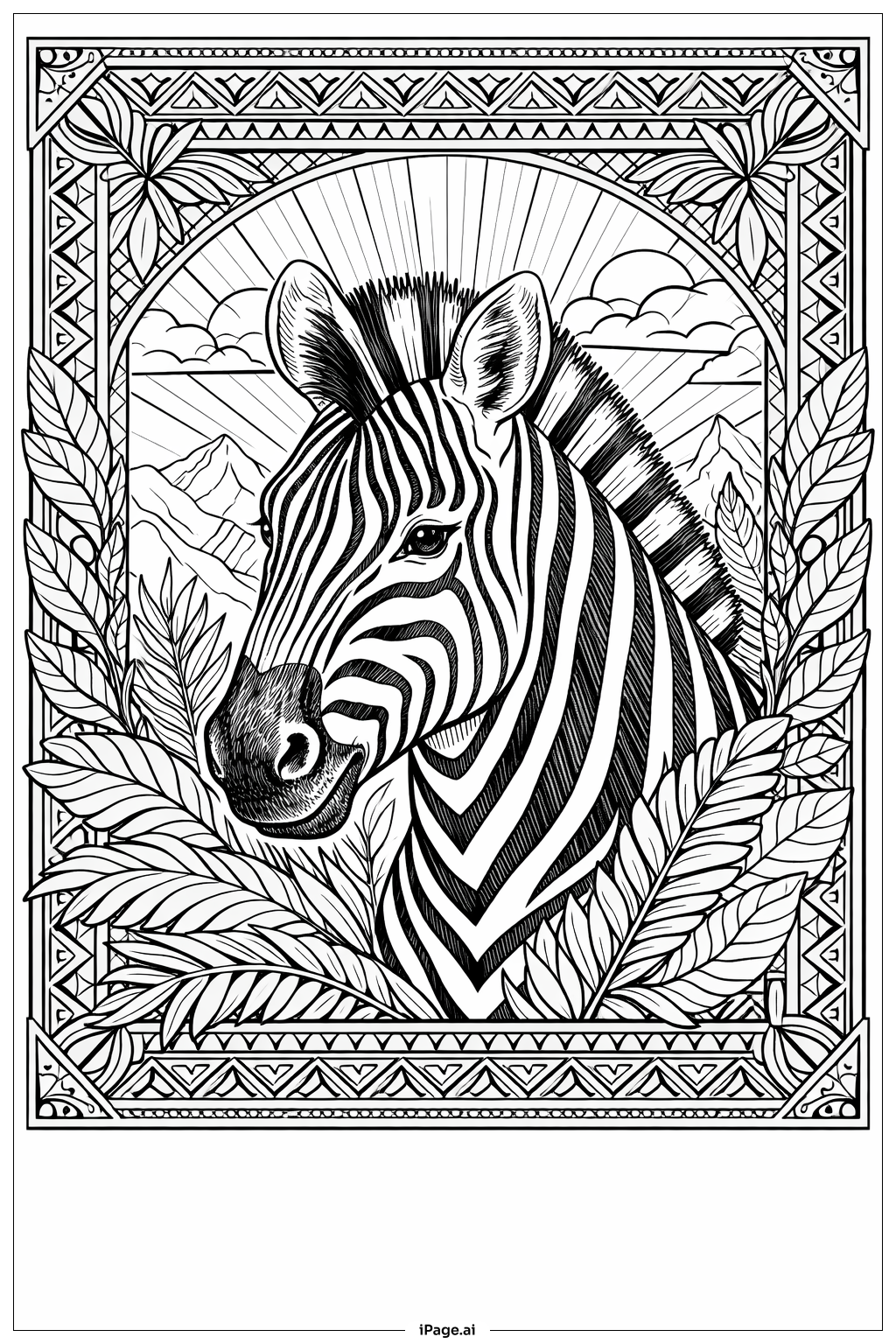
For the stripes, use classic black or dark brown to create the iconic zebra pattern, leaving the spaces between white or cream colored. The large expressive eyes offer creative opportunities - try dark brown or black pupils with highlights left white to add sparkle and life. Consider adding subtle gray shading to the white areas to create depth and dimension. The inner ears can be colored with soft pink or light brown tones. For a more artistic approach, experiment with unconventional colors like purple, blue, or rainbow stripes while keeping the contrast strong between light and dark areas. Add light gray or beige shadows along the edges of the white stripes to make them appear three-dimensional. The mane can be colored to match the stripe color or given variation with different shades of black and gray.
Coloring challenges: Which parts are difficult to color and need attention for Zebra Head With Big Eyes coloring page?
• Stripe Pattern Precision: The curved zebra stripes require careful attention to stay within the lines, especially where they follow the contours of the face and neck. Young colorists may find it challenging to alternate between black and white sections without accidentally coloring over boundaries. The stripes vary in width and direction, demanding focus and patience to maintain the distinctive pattern accurately.
• Large Eye Details: While the big eyes are a focal point, coloring them effectively requires deliberate technique. Creating realistic depth involves leaving white highlights in specific spots while filling the rest with darker colors. Children may struggle with the concept of strategic white spaces and might color the entire eye uniformly, losing the sparkle effect.
• Maintaining Contrast: The zebra's appearance relies heavily on strong contrast between dark stripes and light spaces. Younger artists might press too lightly with dark colors or too heavily in light areas, diminishing the striking visual impact. Consistent pressure and color saturation throughout the image requires motor control that develops with practice.
• Mane Texture: The spiky mane consists of multiple small sections that need individual attention. Coloring each tuft separately while maintaining uniform color and avoiding gaps between sections can be tedious. This area tests fine motor skills and patience, particularly for children who prefer broader coloring strokes.
Benefits of coloring books: Advantages of drawing Zebra Head With Big Eyes coloring page
Coloring this zebra head provides excellent practice for pattern recognition and sequential thinking as children follow the alternating stripe design. The repetitive nature of the stripes helps develop focus and concentration while creating a meditative, calming effect. The large eyes encourage creativity in adding details like highlights and reflections, teaching basic concepts of light and dimension. This image builds fine motor skills and hand-eye coordination through the precision required for the curved stripes and small mane sections. Children learn about wildlife and can spark conversations about zebras, their habitats, and African animals. The clear sections make it accessible for younger children while offering enough detail to engage older kids and adults, promoting a sense of accomplishment when completed.