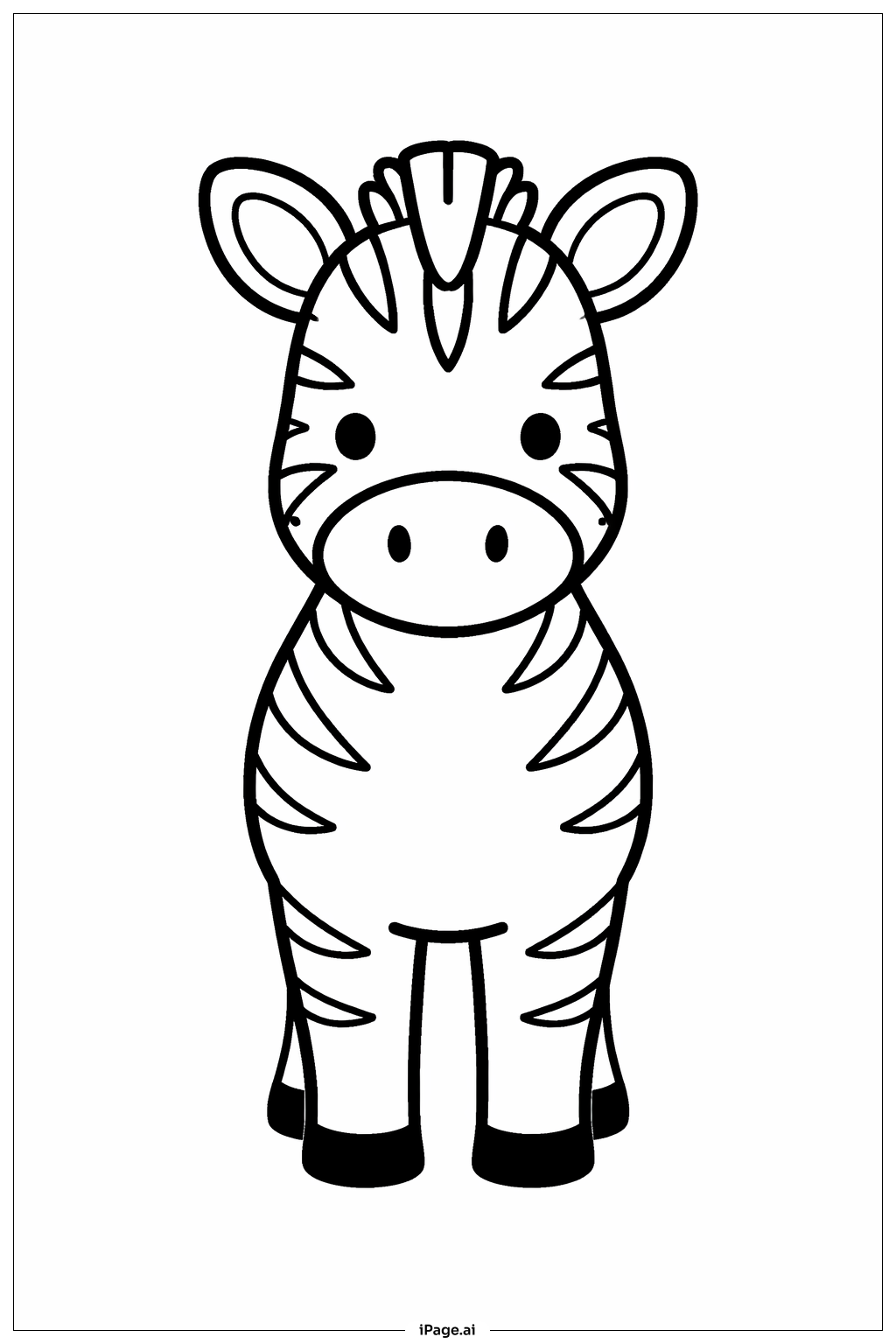
Coloring tips: How to color Zebra Front View coloring page well?
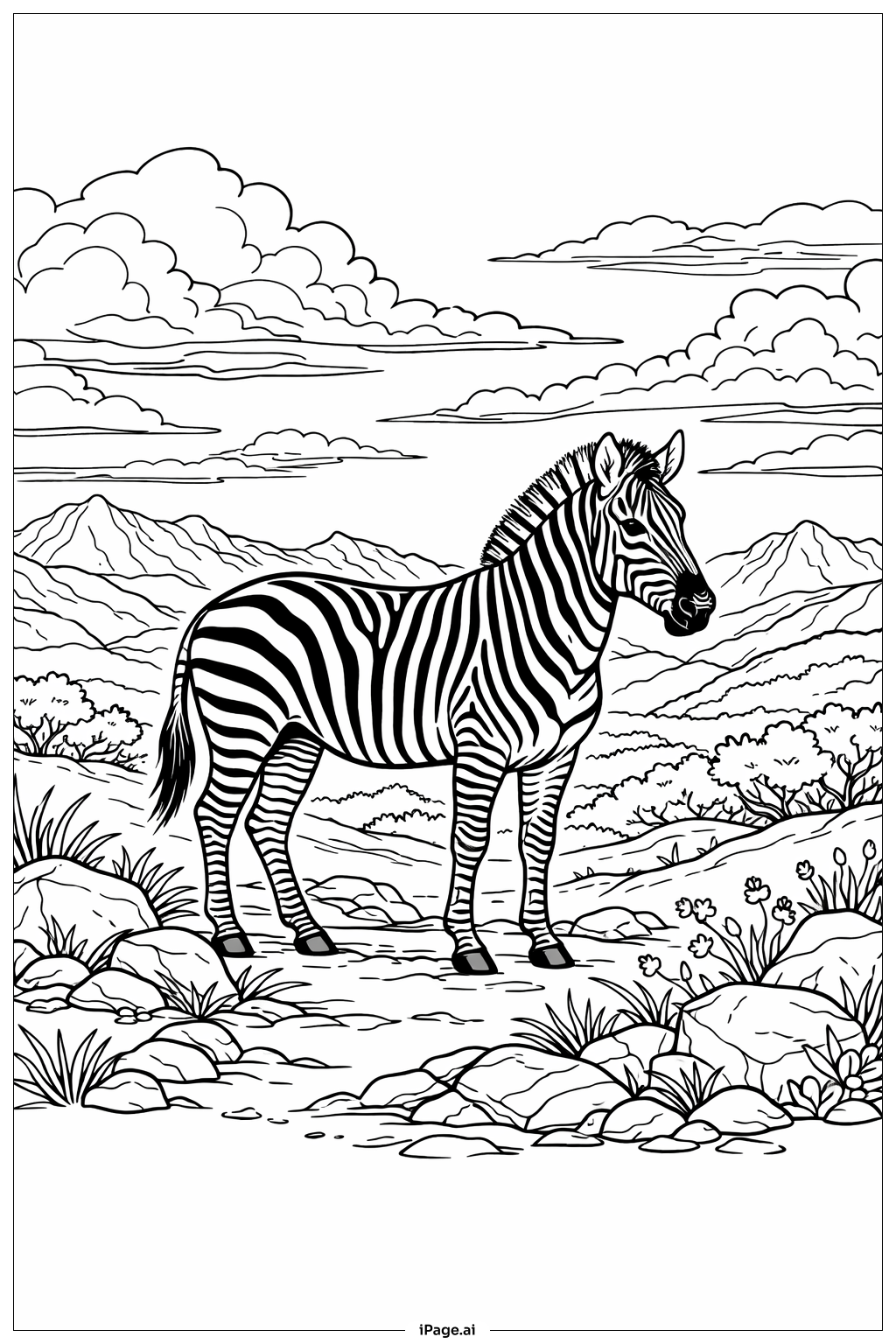
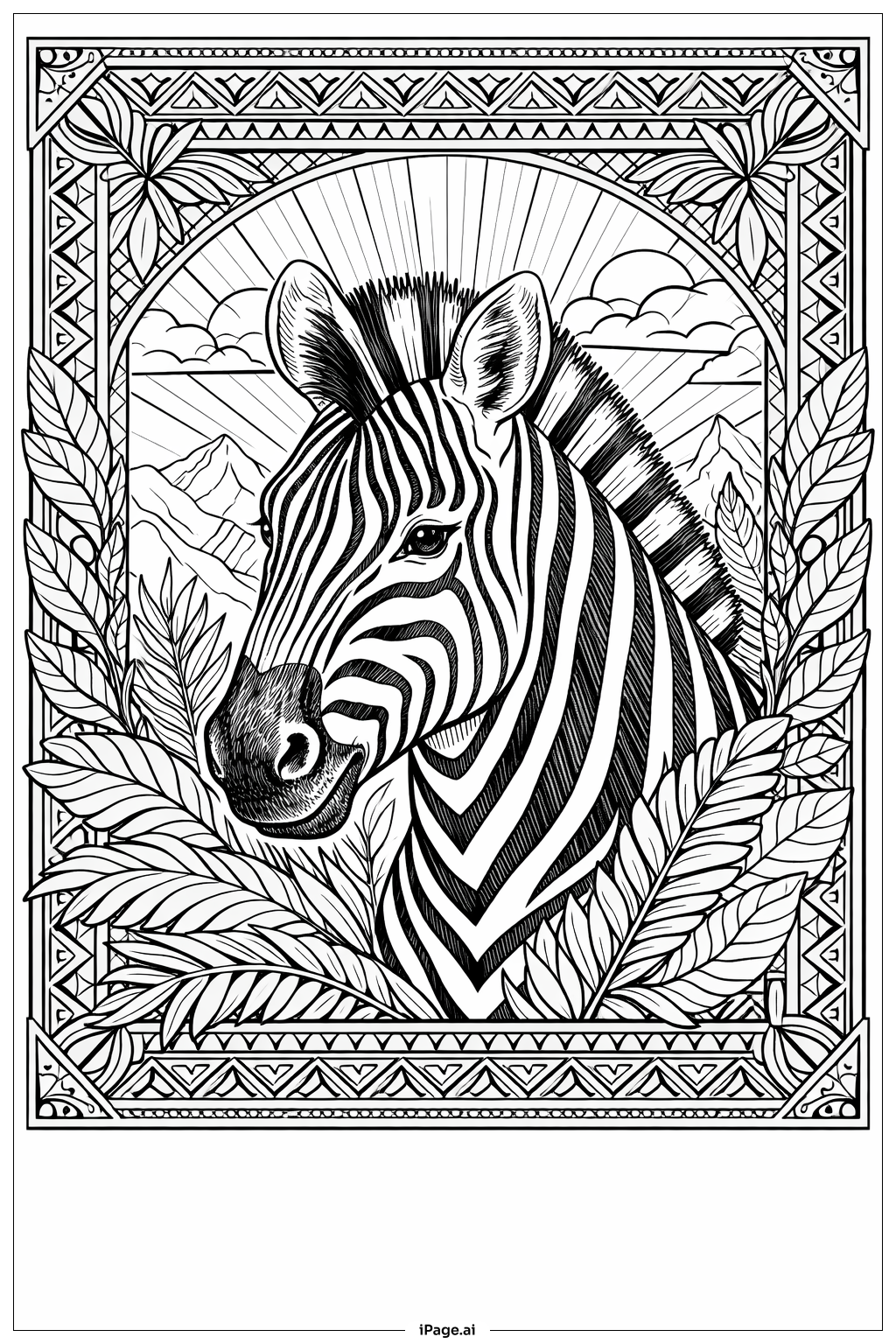
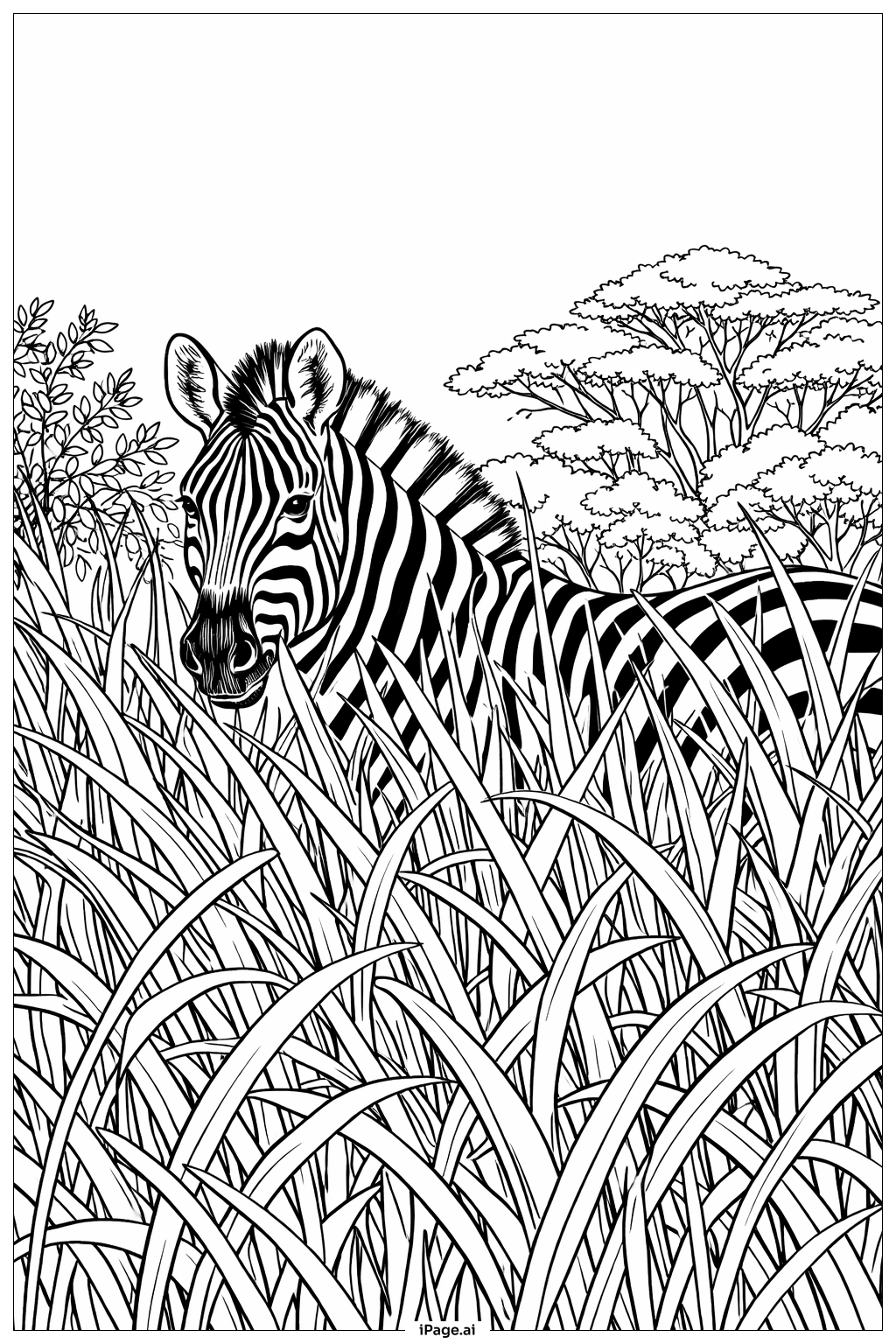
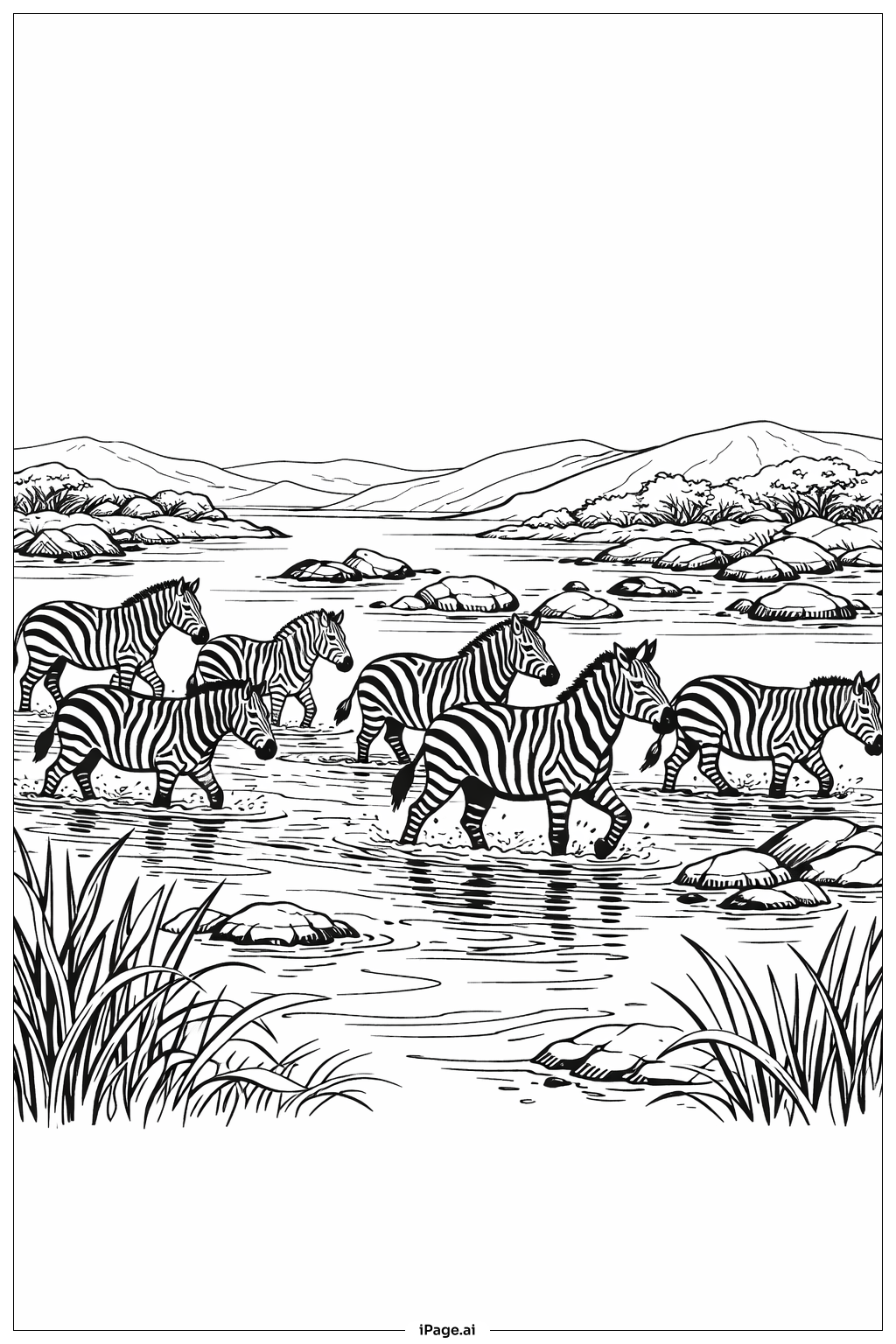
Start with the zebra's stripes. Use black or dark gray for the dark stripes and leave the lighter areas white or fill them with a soft cream color. You can also try a fun twist by replacing the black stripes with purple, blue, or even rainbow colors to make it more creative and unique. For the eyes, use dark brown or black for the pupils and add a tiny white dot to make them look shiny and alive. Color the muzzle area with a light pink or beige tone. The mane can be colored dark brown or black to stay realistic, or try bold colors like red or orange for a playful look. Use light shading along the edges of the stripes to give the zebra a sense of depth and a three-dimensional feel. Younger kids can keep it simple with just two colors, while older kids can experiment with blending and shading techniques to bring this amazing animal to life.
Coloring challenges: Which parts are difficult to color and need attention for Zebra Front View coloring page?
• Stripe Pattern Complexity: The zebra's stripes are one of the most recognizable patterns in the animal kingdom, but they can be tricky to color. The stripes curve and taper as they move across the face and neck, changing direction and thickness. Carefully following each stripe without accidentally coloring outside the lines takes patience and a steady hand. Using a fine-tipped marker or a sharpened colored pencil will help you stay within the lines more easily.
• Symmetry and Balance: Since this is a front-facing view, the left and right sides of the zebra should mirror each other as closely as possible. Keeping the stripe colors balanced on both sides can be challenging, especially for younger colorists. Taking your time and working one side before checking the other will help maintain that natural symmetry.
• Eye Detail: The zebra's eyes are a focal point of this image. They contain multiple small areas including the pupil, iris, and highlight. Coloring such small sections neatly requires a very fine tool and a careful touch. Rushing this part can make the eyes look flat or unfinished.
• Mane Texture: The mane runs along the top of the head and neck and is made up of many short, layered strokes. Coloring it to look textured and natural means working in the direction of the hair flow and possibly using more than one shade to create depth.
• Avoiding Muddy Colors: With so many stripes close together, there is a risk of colors bleeding into one another, especially if using markers. Always let one section dry before moving to the next to keep the colors clean and crisp.
Benefits of coloring books: Advantages of drawing Zebra Front View coloring page
Coloring this Zebra Front View page offers a wide range of benefits for children and young learners. First, it helps develop fine motor skills. Carefully coloring within the zebra's narrow stripes trains hand control and improves pencil grip, which supports handwriting development. Second, it builds focus and concentration. Following the stripe patterns from one section to the next encourages kids to slow down, pay attention to detail, and stay on task. Third, it sparks creativity. While zebras are known for black and white stripes, there are no rules in art. Kids are free to experiment with any colors they choose, helping them express their imagination and develop their own artistic style. Fourth, it teaches pattern recognition. The repeating stripe design helps young minds understand symmetry and visual patterns, which are important concepts in both art and mathematics. Fifth, it builds confidence. Completing a detailed image like this gives children a strong sense of accomplishment and pride in their work. Overall, this coloring page is a fun, educational, and rewarding activity for Boys and Girls of all ages.