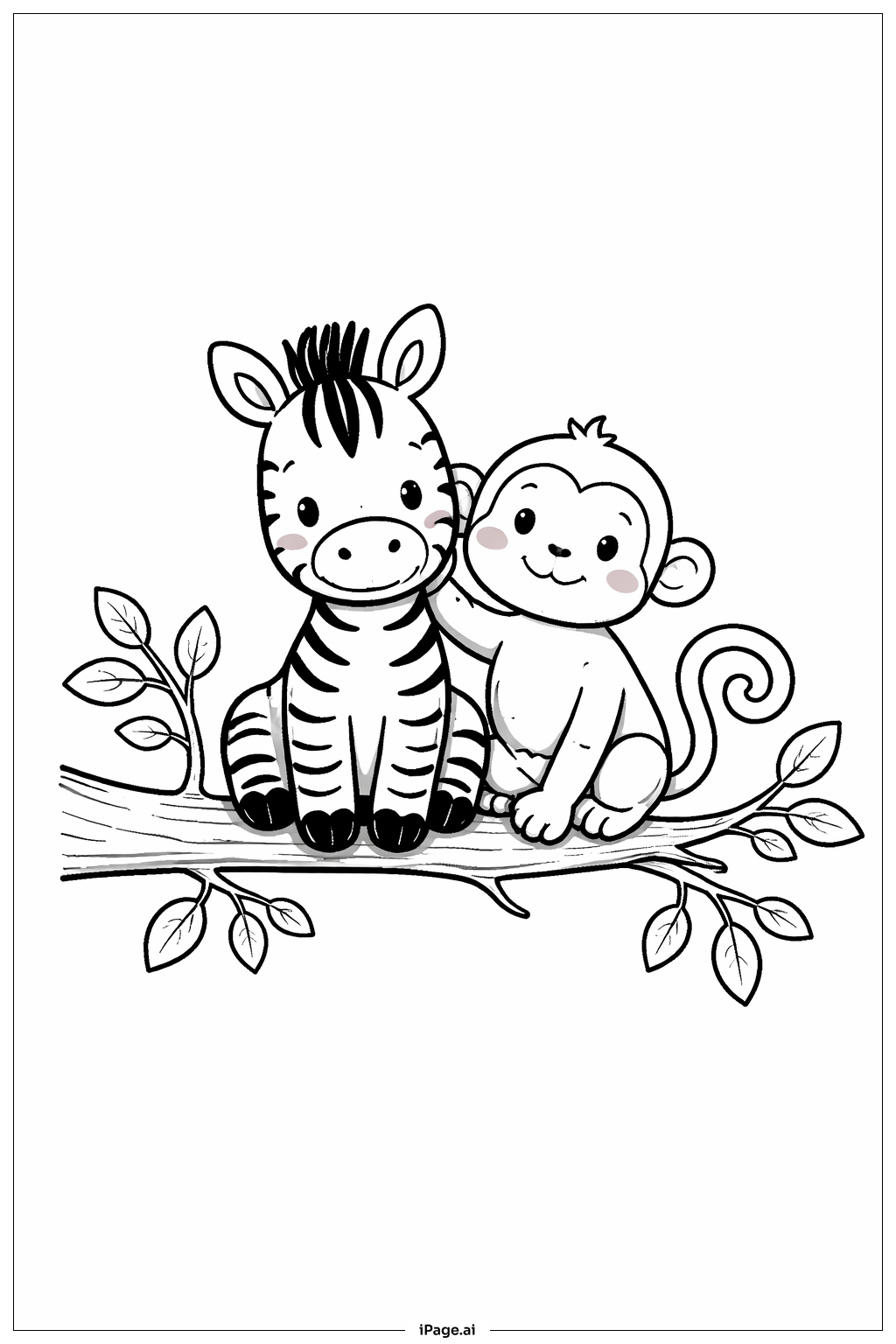
Coloring tips: How to color Zebra And Monkey Friend coloring page well?
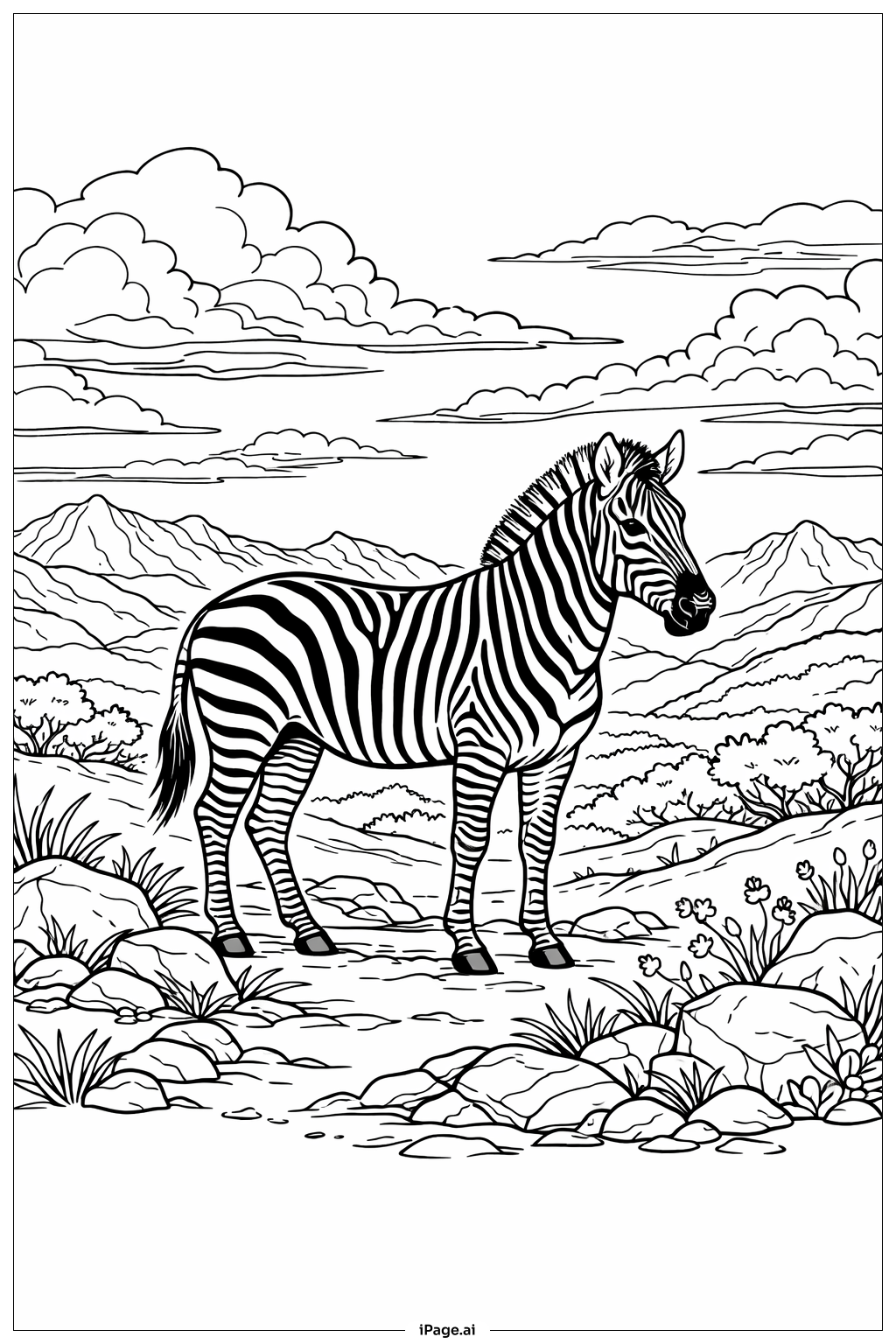
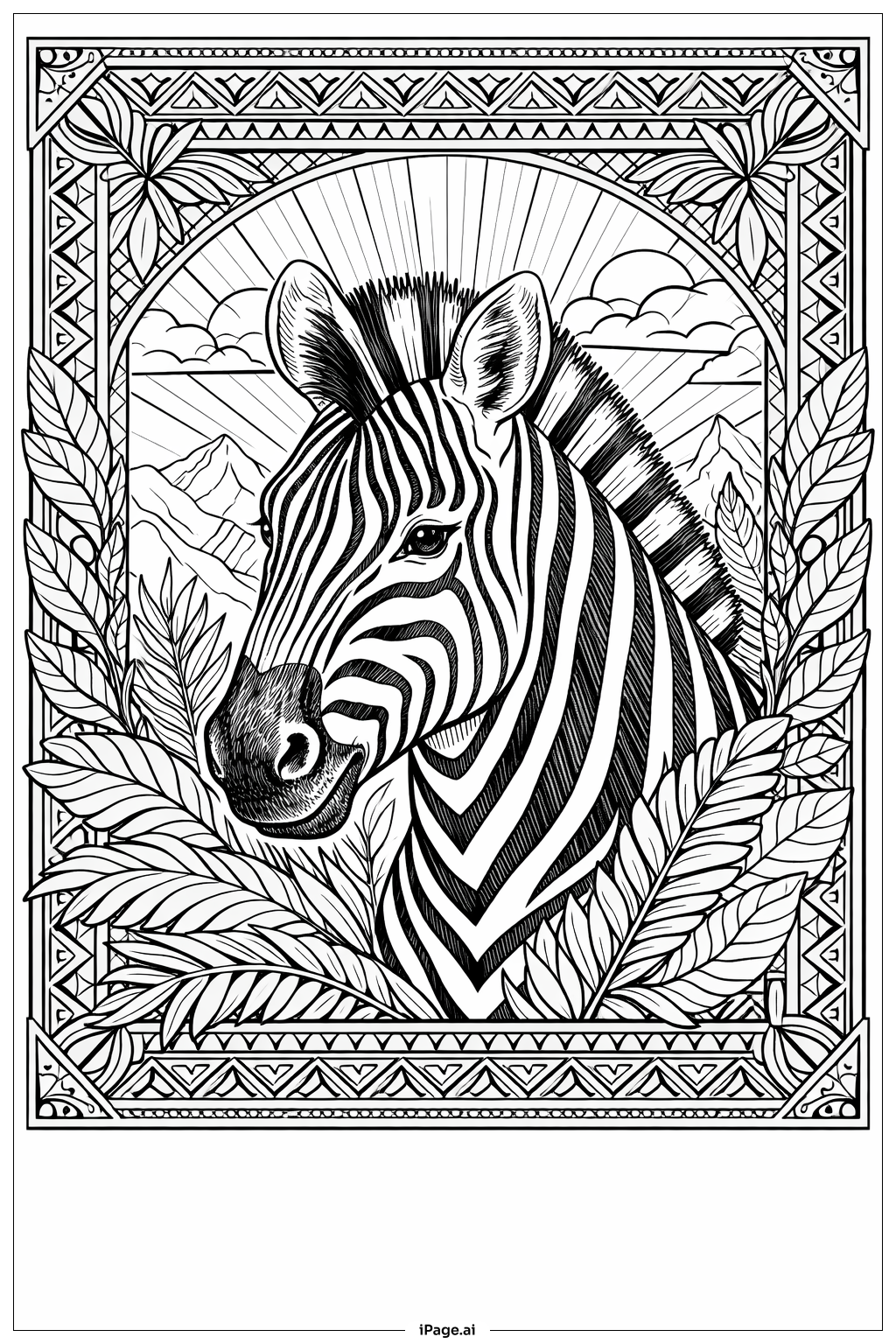
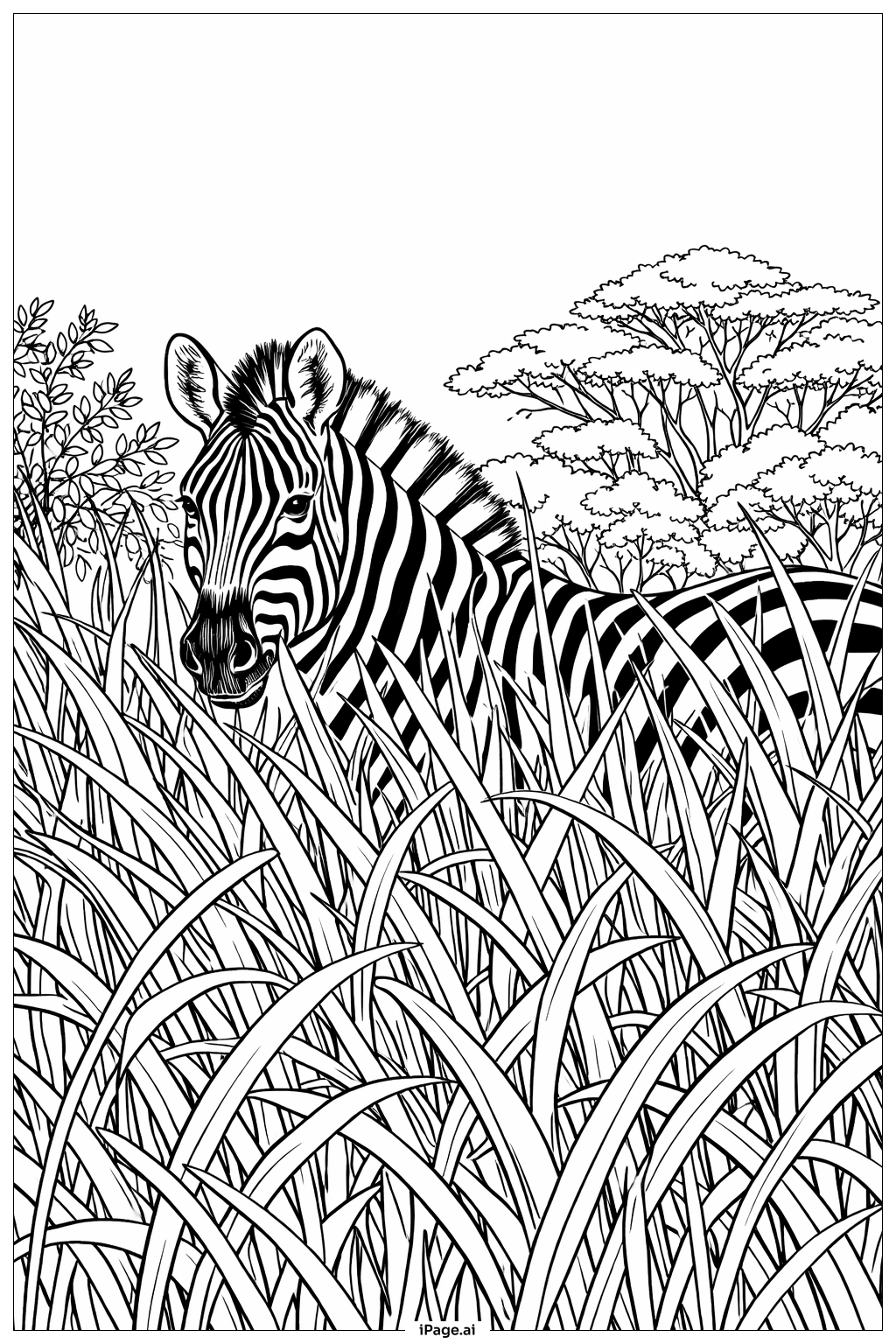
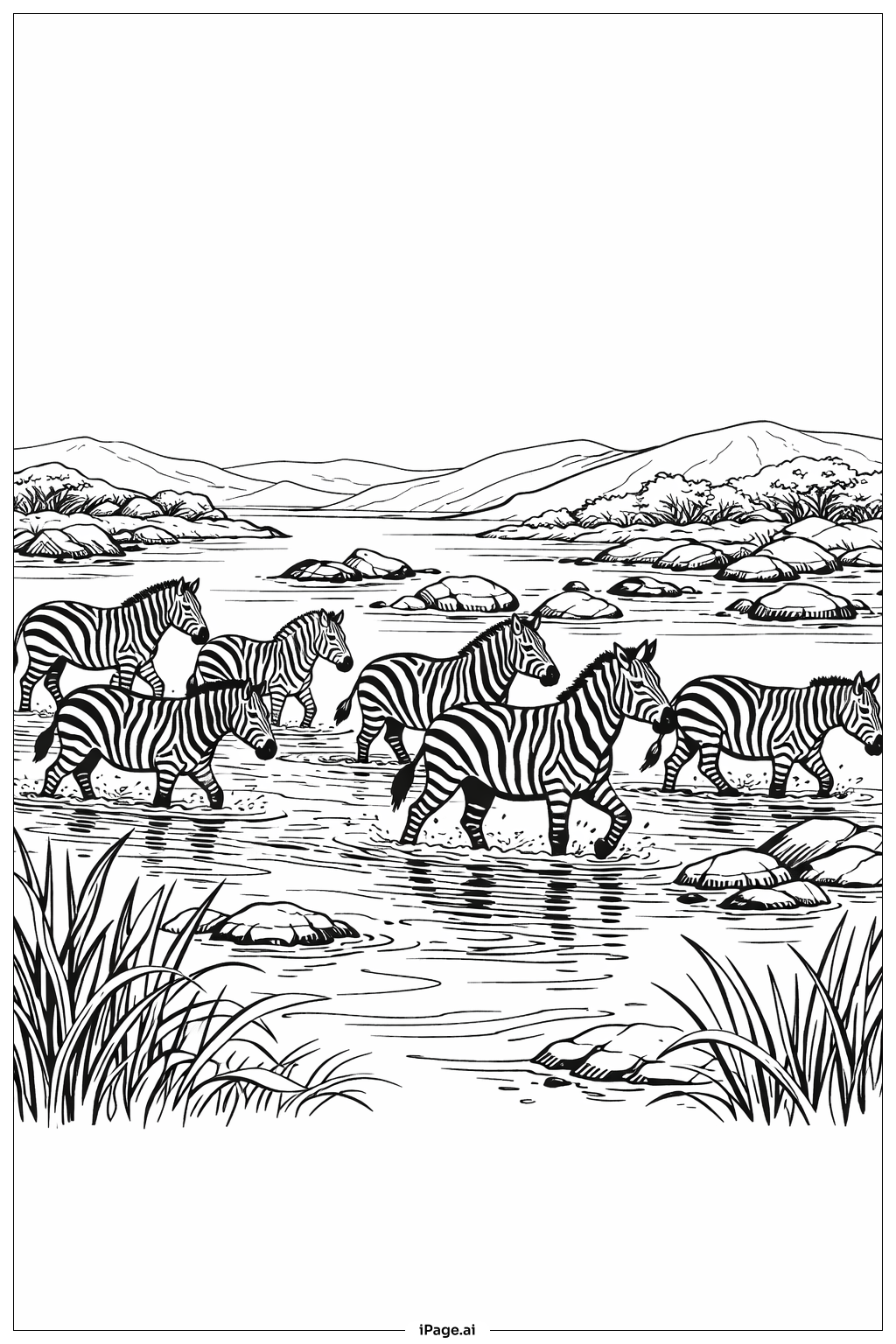
For the zebra, use classic black stripes on a white body, or get creative with purple, blue, or rainbow stripes. Color the mane in shades of gray or black. The monkey offers wonderful opportunities for warm colors like brown, tan, or orange for the fur. Try a lighter peach or cream color for the face and belly area. The monkey's face can feature pink cheeks for extra cuteness. Consider using different shades of the same color to add depth, making some stripes darker and others lighter on the zebra. For the monkey, blend light and dark browns to create realistic fur texture. Don't forget to add color to the background – perhaps green grass, blue sky, or colorful flowers to complete the friendship scene. Young artists might enjoy experimenting with unexpected colors to create fantasy versions of these animal friends.
Coloring challenges: Which parts are difficult to color and need attention for Zebra And Monkey Friend coloring page?
• Zebra Stripe Patterns: The zebra's stripes require careful attention and patience. Children need to alternate between coloring the stripes and leaving spaces white, which demands planning and concentration. Younger colorists might find it challenging to stay within the lines of each individual stripe, especially where stripes curve around the body or become narrower on the legs. The repetitive nature can test focus, but also builds stamina for detailed work.
• Small Facial Features: Both animals have detailed facial features including eyes, nostrils, and mouths that require precision coloring. The monkey's expressive eyes and the zebra's gentle face contain smaller areas that can be tricky for little hands still developing fine motor control. Using the right tool, like fine-tipped markers or sharp colored pencils, becomes important here.
• Distinguishing Between Characters: With two animals in one image, children must manage multiple color schemes simultaneously. They need to remember which colors they've chosen for each character and keep them separate and distinct. This requires planning and color organization skills that younger artists are still developing.
• Creating Depth and Dimension: To make the animals look three-dimensional rather than flat, colorists can use shading techniques with lighter and darker versions of their chosen colors. This advanced skill helps bring the characters to life but requires understanding where shadows and highlights would naturally fall on rounded bodies.
Benefits of coloring books: Advantages of drawing Zebra And Monkey Friend coloring page
Coloring this zebra and monkey friendship scene offers multiple developmental benefits for children. The zebra's striped pattern is excellent for practicing pattern recognition and sequencing skills, as children must maintain consistent alternating stripes throughout the body. This builds concentration and attention to detail. The presence of two distinct characters encourages planning and decision-making as children select complementary color schemes. Fine motor skills develop through the precise movements needed for the smaller facial features and detailed areas like hooves and paws. The friendship theme provides opportunities for emotional learning and discussing topics like companionship and how different individuals can be friends. Completing this moderately challenging page builds confidence and gives children a sense of accomplishment. The scene also sparks creativity and storytelling, as children can imagine adventures these two animal friends might share together, fostering language development and imaginative play.