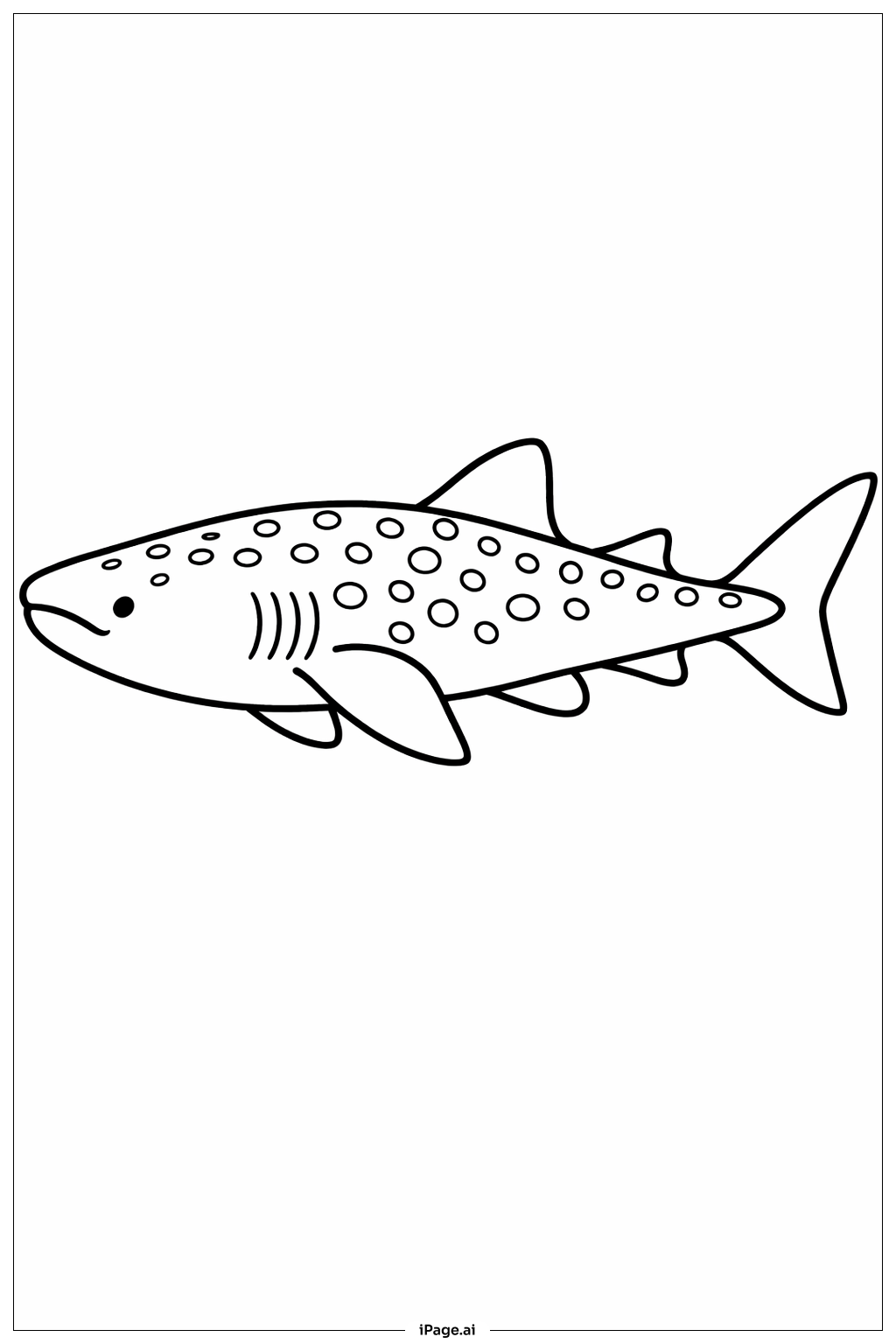
Coloring tips: How to color Whale Shark Profile coloring page well?
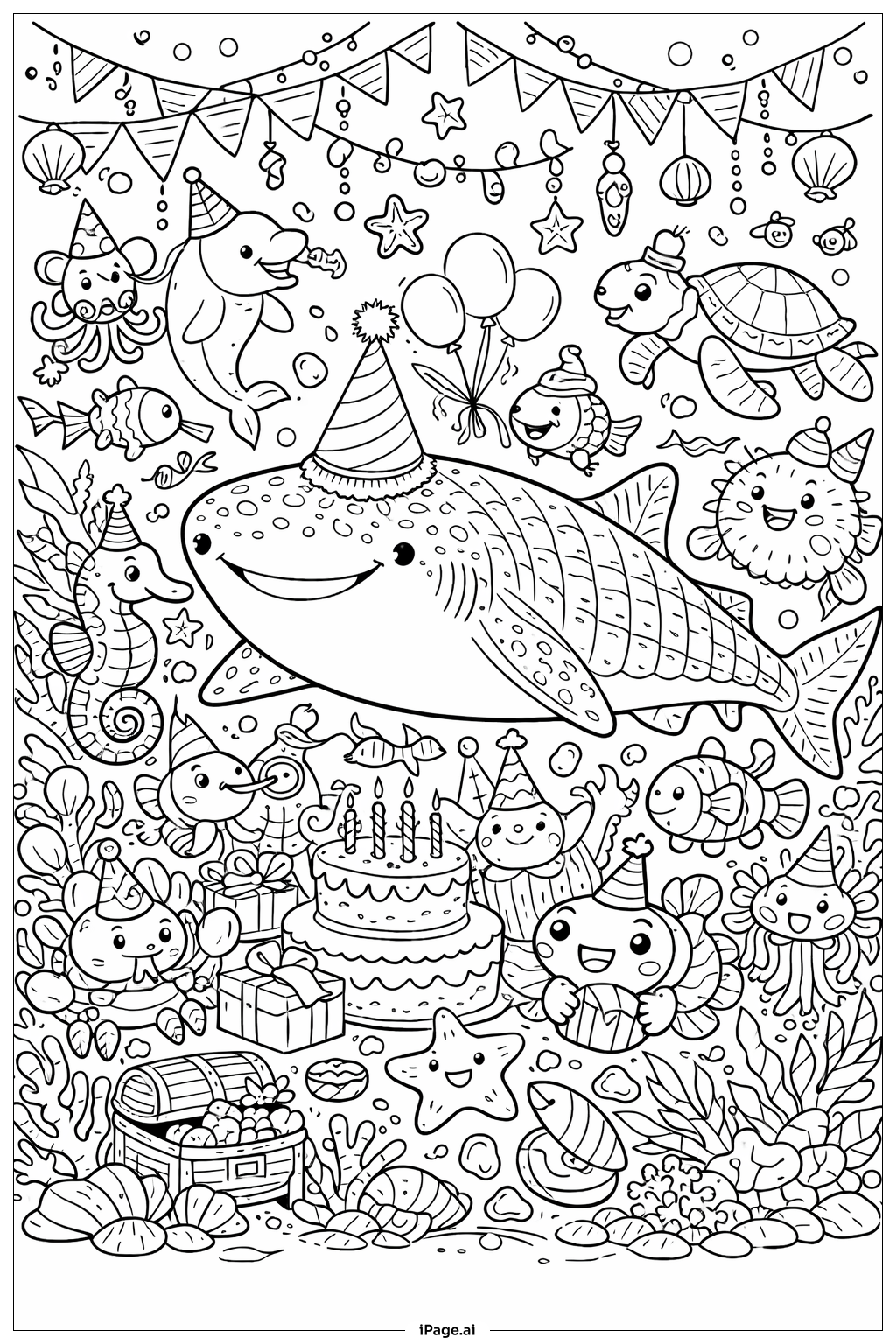
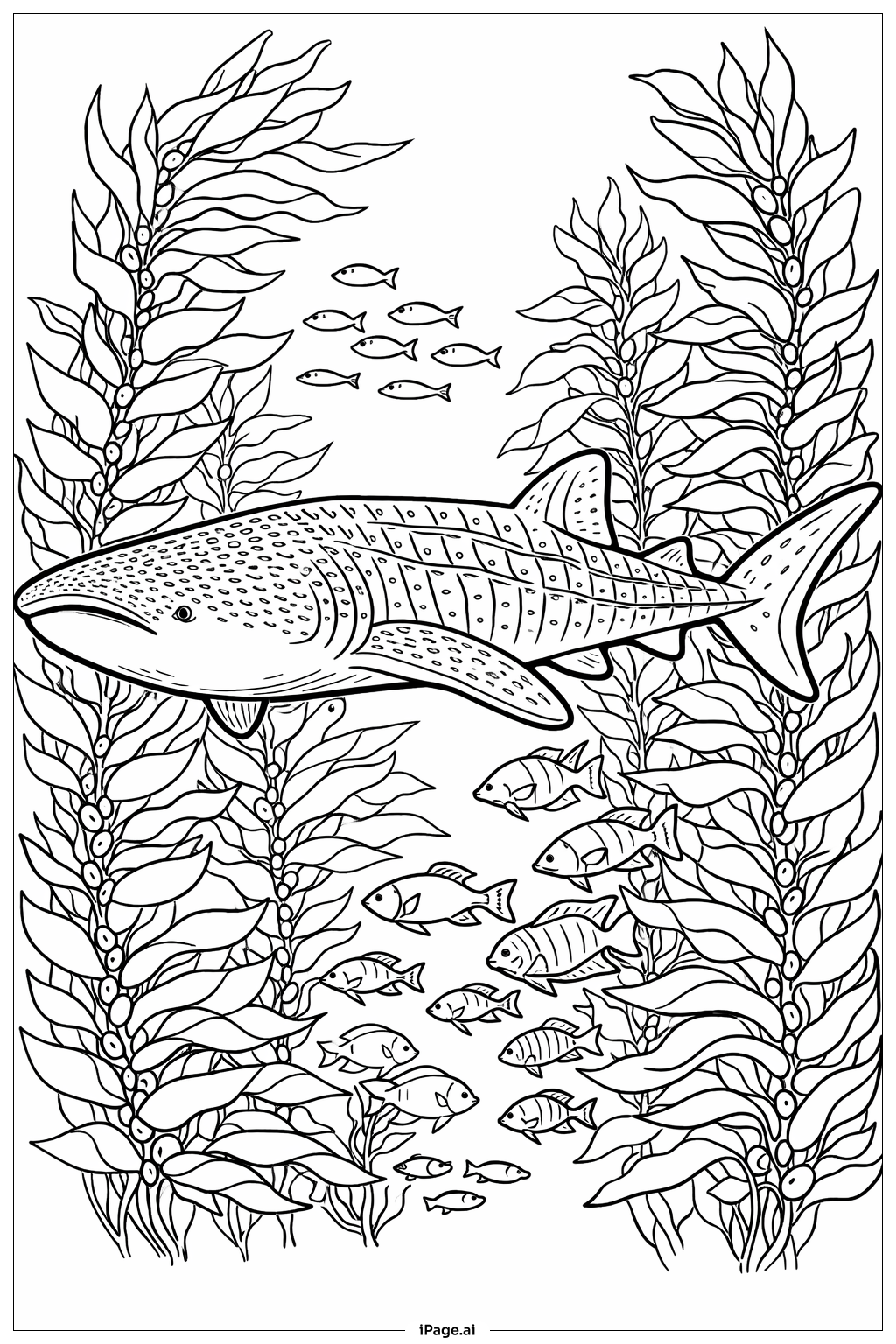
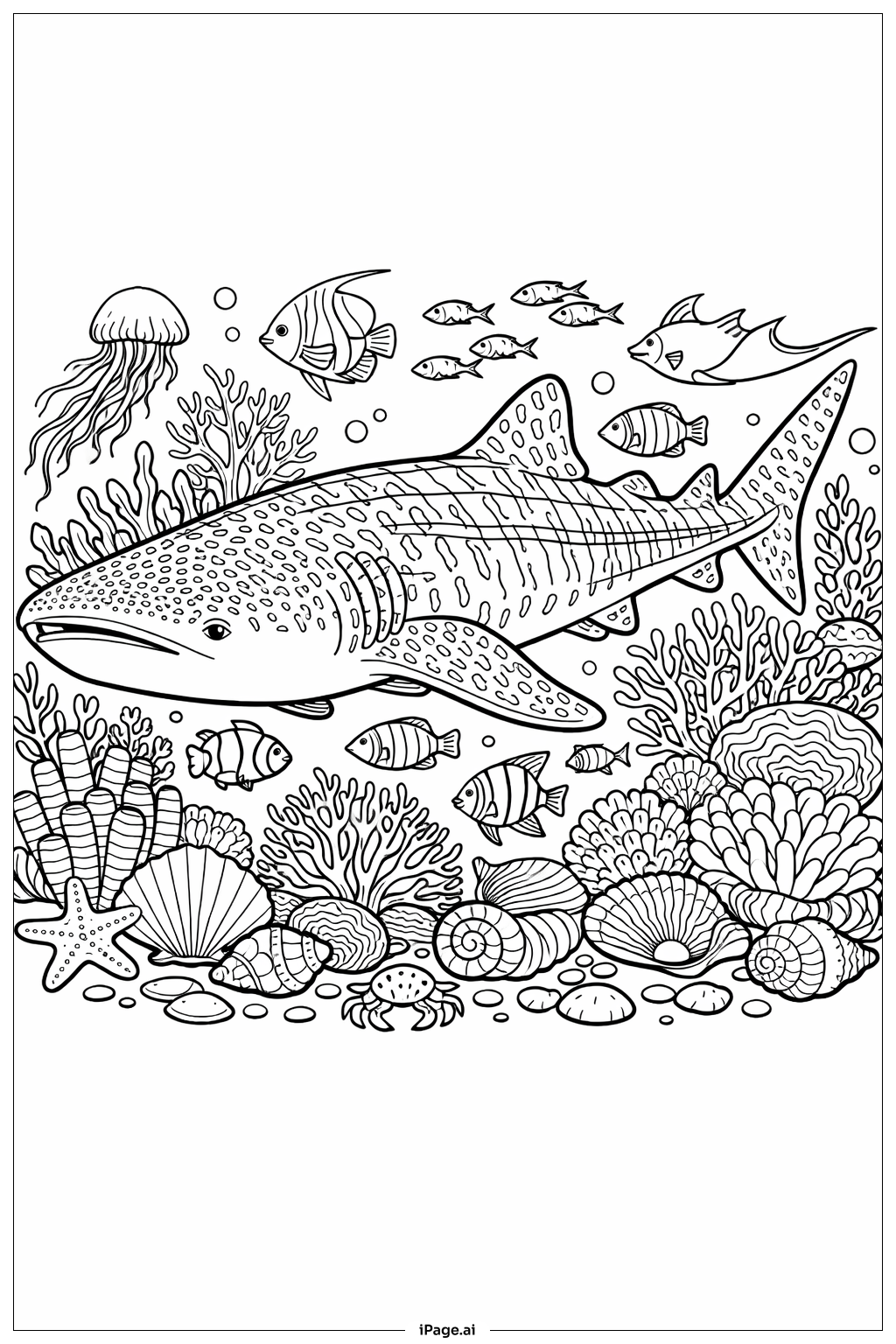
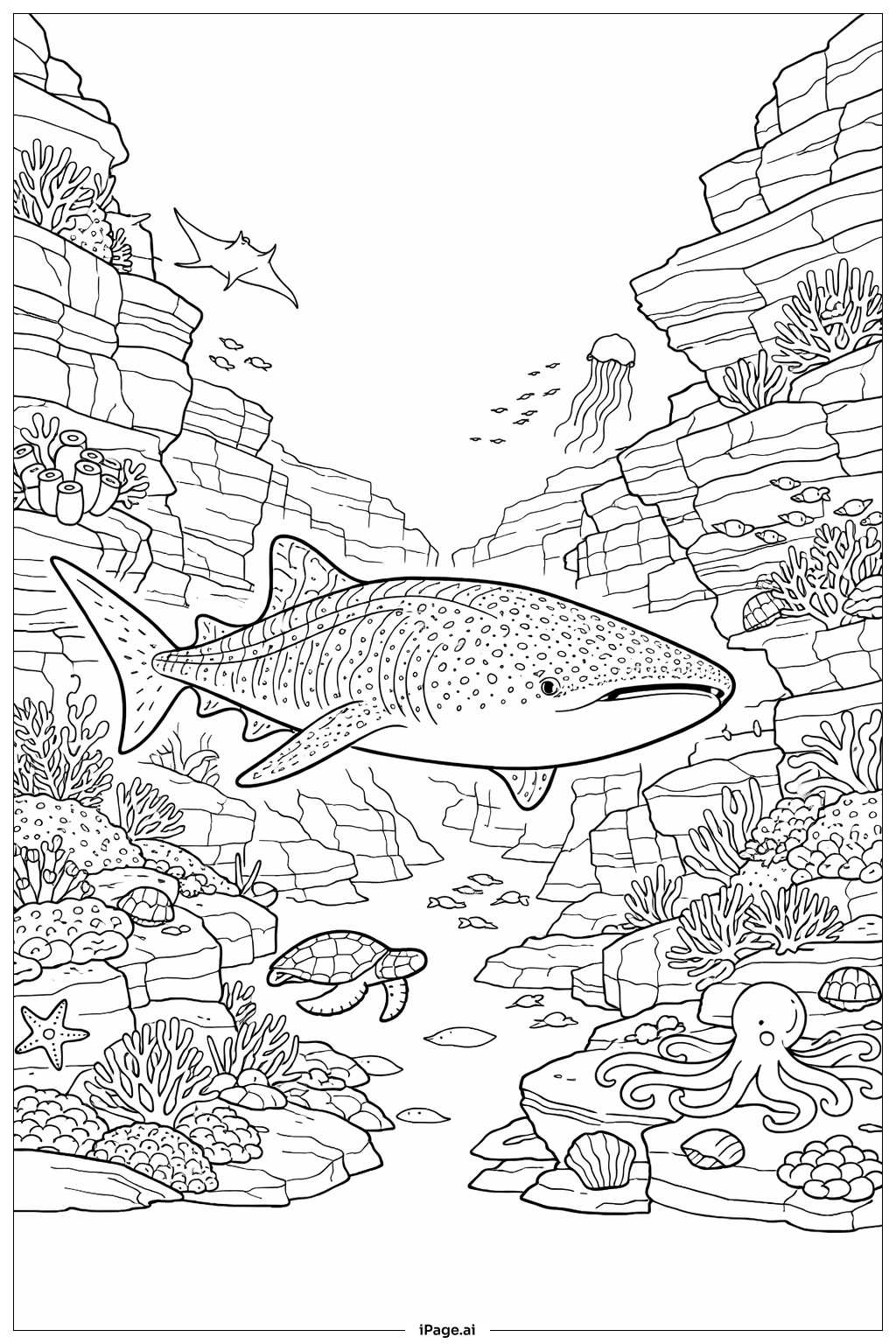
For the whale shark's body, use shades of blue-gray or deep slate gray as the base color. The spotted pattern is the most fun part - color each spot white or light cream to create authentic contrast. You can add depth by using darker blues or grays in shadowed areas under the fins and along the belly. The underside of the whale shark is typically much lighter, so consider using pale gray or off-white there. For the ocean background, try blending different shades of blue from light aqua near the surface to deeper navy in the distance. You might add hints of green in the water to suggest depth. Consider leaving some areas white to represent sunlight filtering through the water. The fins can use the same base color as the body but slightly darker to show dimension.
Coloring challenges: Which parts are difficult to color and need attention for Whale Shark Profile coloring page?
• Spot Pattern Consistency: The whale shark's body is covered with dozens of circular spots that need to remain uniform in color and clearly visible against the body. Keeping each spot distinct while maintaining consistent pressure and color intensity throughout can be challenging, especially when working with markers or crayons that may blend at the edges.
• Body Shading and Dimension: Creating a three-dimensional effect on the whale shark's cylindrical body requires careful shading techniques. The curved surface needs gradual color transitions from the darker top to the lighter belly, which demands smooth blending skills. Younger children may find it difficult to achieve this gradient effect without creating harsh lines or uneven patches.
• Fine Detail Work: The image includes intricate elements like gill slits, fin rays, and the texture around the mouth area that require precision coloring. These small spaces can be difficult to fill neatly without going outside the lines, especially for children with developing fine motor skills. Using thin colored pencils or fine-tipped markers helps but requires steady hand control.
• Background Water Effects: Creating a realistic ocean environment around the whale shark involves blending multiple blue tones and potentially adding light effects. Achieving smooth color transitions in the water while making the whale shark stand out requires planning and layering techniques that may challenge less experienced colorists.
Benefits of coloring books: Advantages of drawing Whale Shark Profile coloring page
Coloring this whale shark profile offers wonderful educational value while developing important skills. Children learn about marine biology and ocean conservation as they work, fostering awareness of these endangered gentle giants. The repetitive spotting pattern is excellent for practicing patience and attention to detail, helping kids develop focus and concentration skills. The large body area provides great practice for smooth, even coloring strokes and blending techniques, which strengthens fine motor control and hand-eye coordination. The curved shape of the whale shark teaches young artists about shading and creating depth on paper, introducing basic art concepts in an engaging way. This coloring activity can also be calming and meditative, helping children relax while expressing creativity. Parents and teachers can use this page to start conversations about ocean ecosystems, animal protection, and the importance of marine conservation.