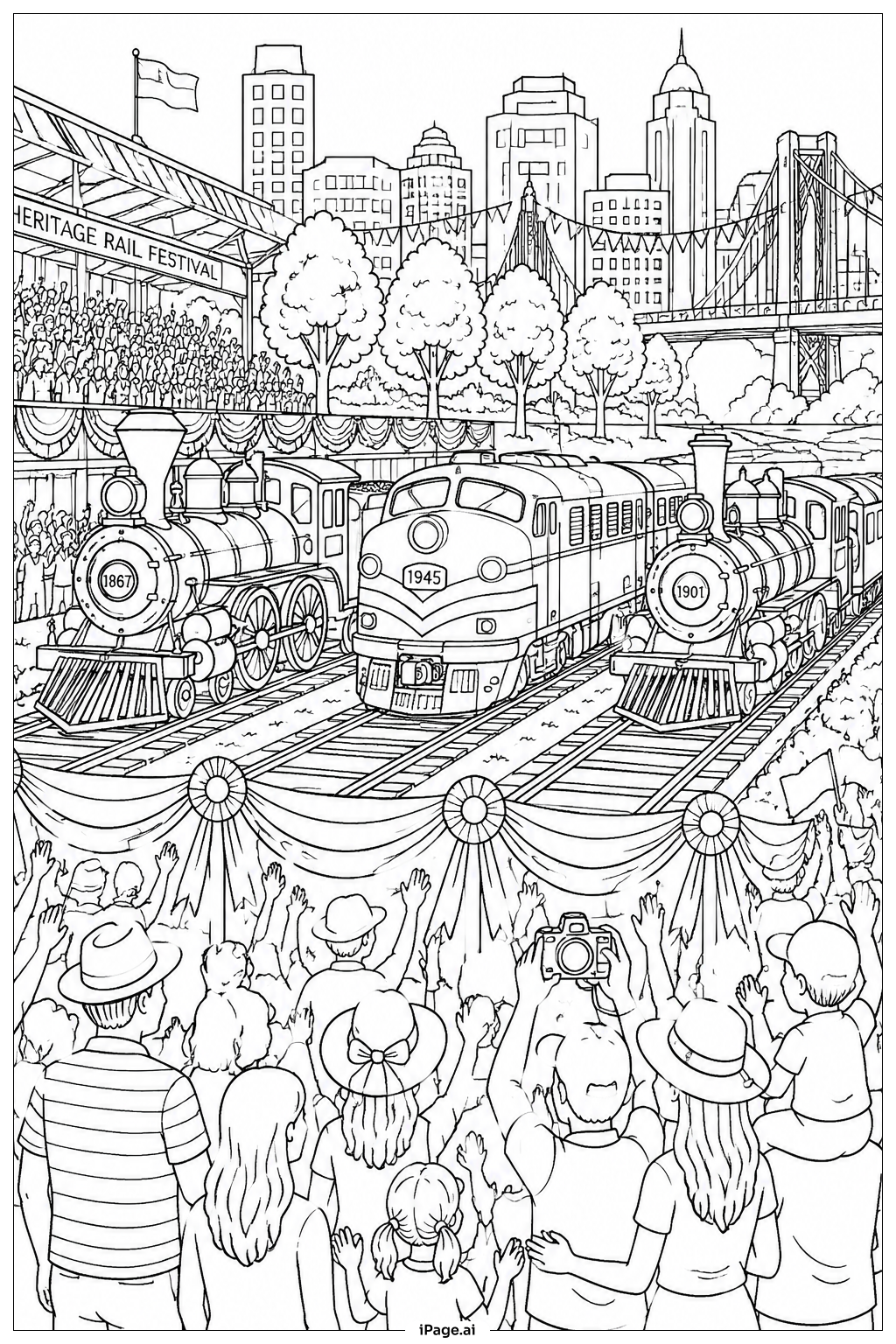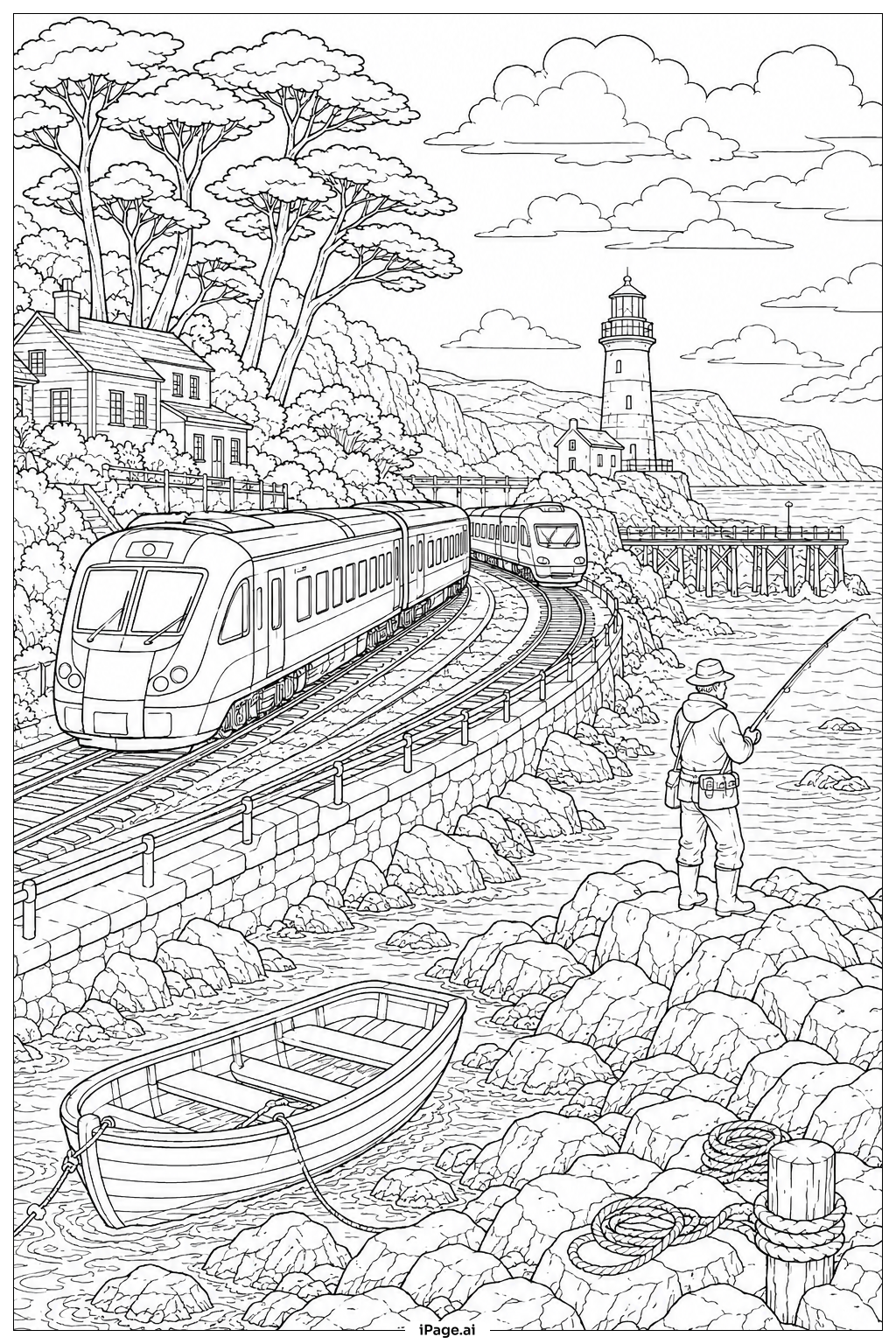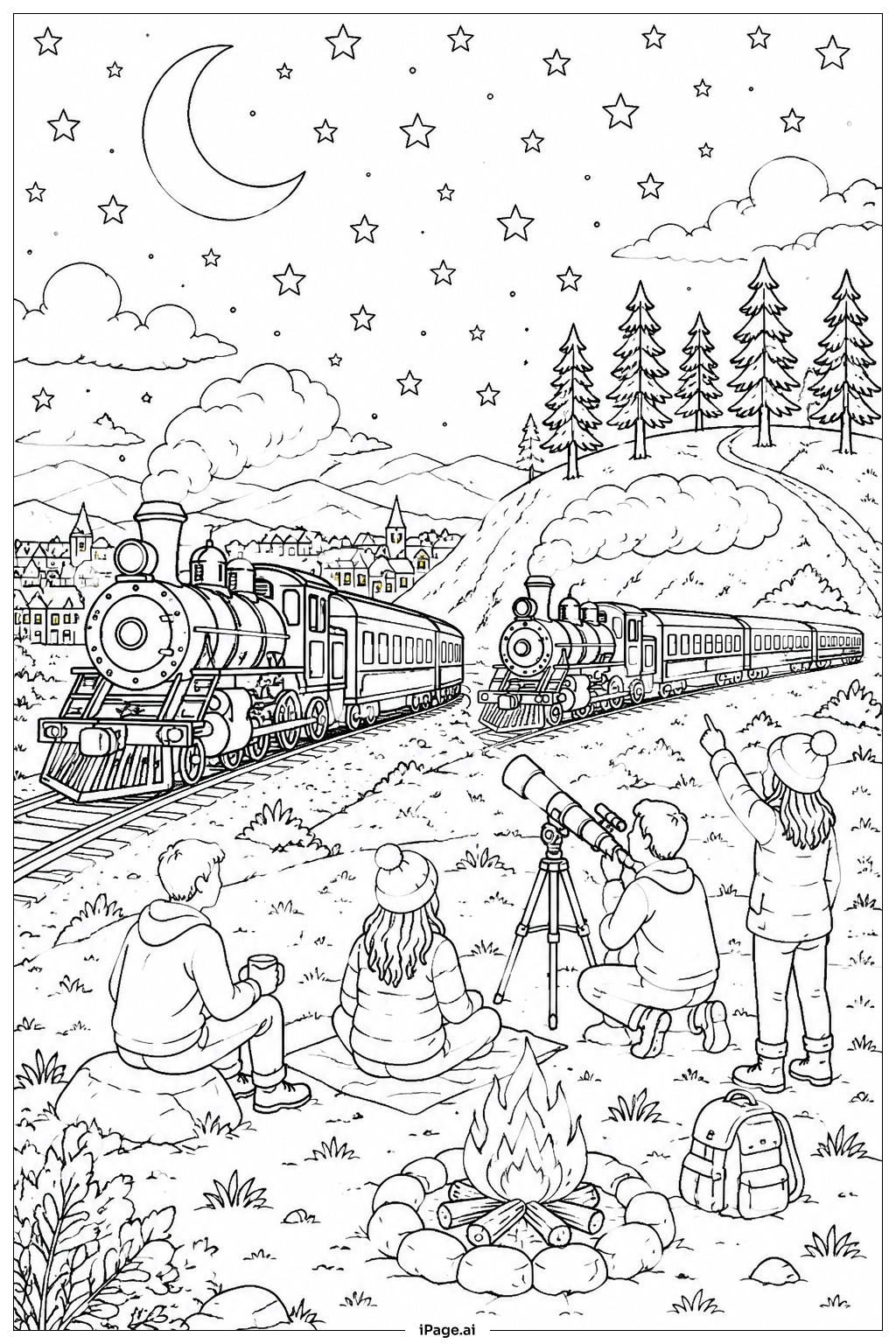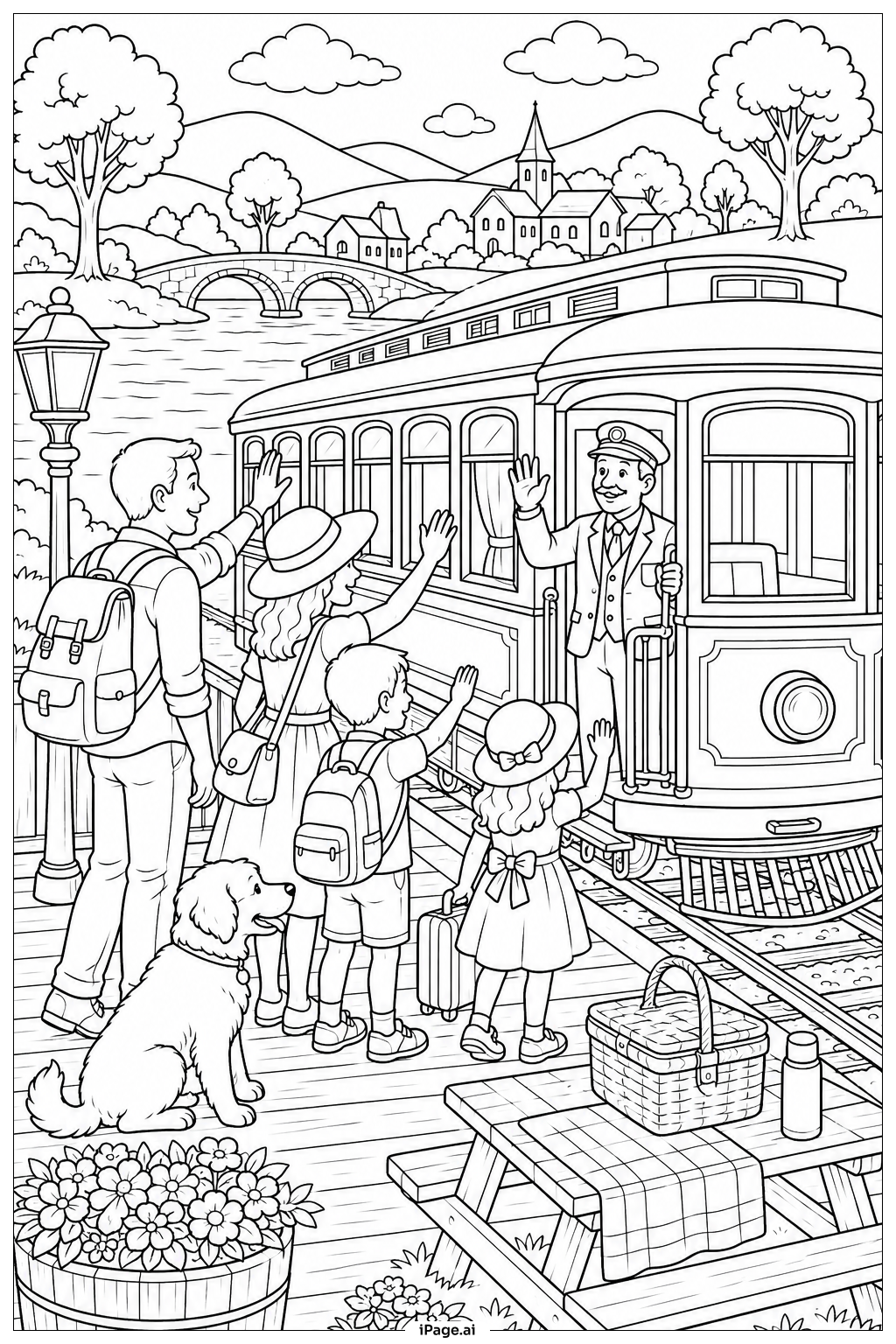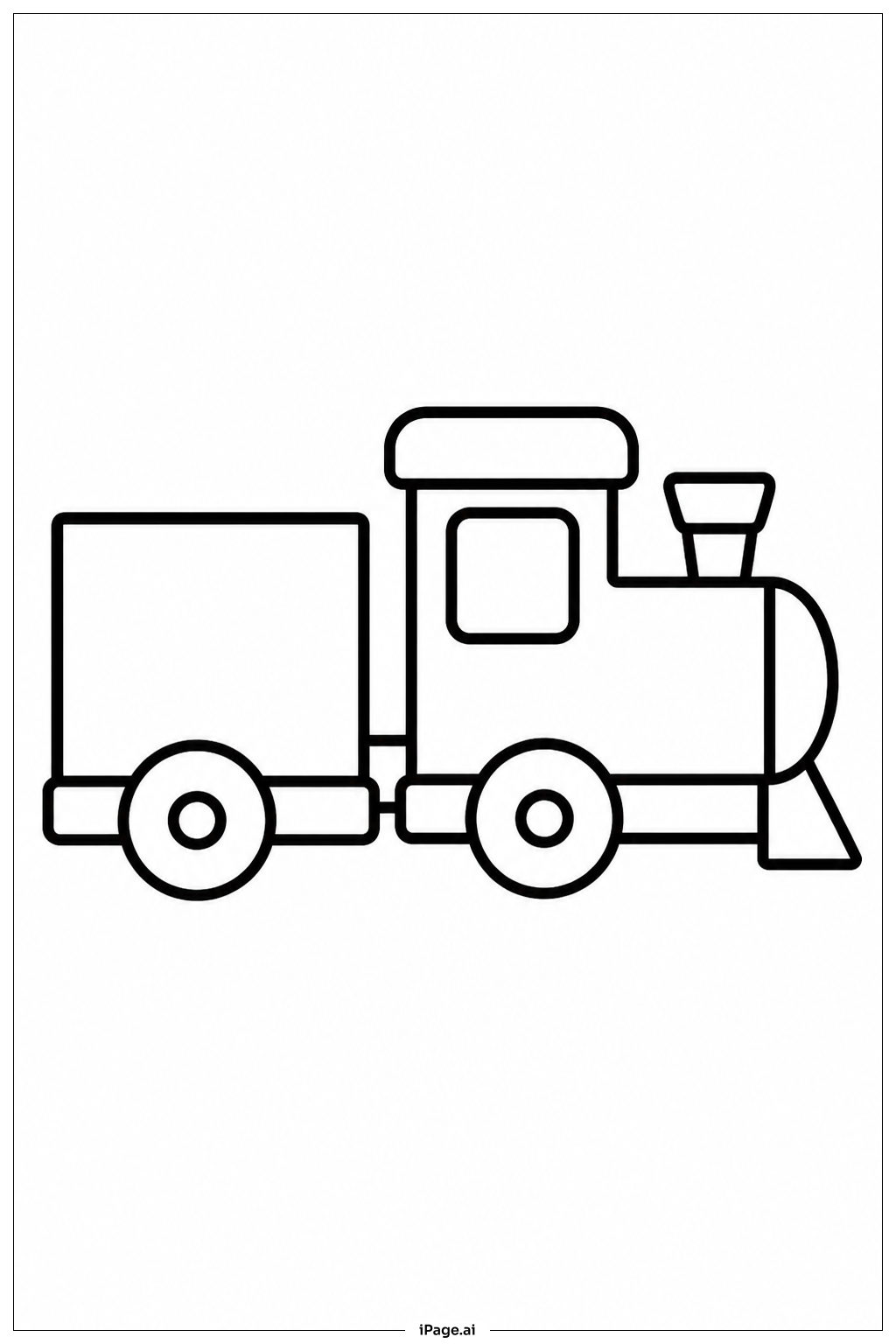
Coloring tips: How to color Miniature Cargo Train coloring page well?
Start with the locomotive. Use bold, warm colors like red or dark blue for the engine body to make it stand out. Paint the smokestack and wheels in dark gray or black. Add a bright yellow or orange glow around the headlight.
For the cargo cars, try using different colors for each one — brown for the wooden crates, dark red for the barrels, and olive green or tan for the freight containers. This keeps the train looking lively and fun.
Use soft greens and yellows for the hills and grass. Color the sky a light blue and fill the clouds with white or pale lavender. The railway signals can be colored red, yellow, and green just like real ones.
Do not worry about being perfect. Boys and Girls of all ages can enjoy mixing and experimenting with colors. Light colors work well as a base, and darker shades can be added on top for depth and shadow.
Coloring challenges: Which parts are difficult to color and need attention for Miniature Cargo Train coloring page?
• Locomotive Details: The engine has many small parts packed close together, including the smokestack, cab windows, front grill, and headlight. Coloring each part cleanly without going over the lines takes patience. Using a fine-tipped colored pencil or a thin marker works best for these tight spaces.
• Wheel Spokes: The large wheels on the locomotive and cargo cars feature thin spoke designs inside them. These tiny lines are easy to accidentally color over. Take your time and use a sharp pencil tip to stay within the narrow sections between each spoke.
• Cargo Car Variety: Each cargo car carries a different type of load with its own shapes — crates have plank lines, barrels have curved bands, and containers have flat panels. Giving each type a distinct color scheme while keeping the overall train looking unified can be tricky for younger colorists.
• Background Scene Balance: The countryside background includes hills, trees, clouds, and railway signs all in the same space. It can be hard to choose colors that make the train pop without letting the background compete for attention. Using lighter, softer tones for the background helps the train stay as the main focus.
• Small Signage: The tiny railway crossing signs and signal lights along the tracks have very small colored sections — such as red, yellow, and green signal lights. Filling these in accurately without smudging nearby areas is a real challenge, especially for younger children using thicker coloring tools.
Benefits of coloring books: Advantages of drawing Miniature Cargo Train coloring page
Coloring this Miniature Cargo Train page offers a wonderful mix of fun and learning for Boys and Girls of all ages.
For younger children, it helps build fine motor skills as they practice staying within the lines of small, detailed shapes like wheels and cargo boxes. Choosing colors for each train car also encourages creative thinking and decision-making.
For older kids, the detailed locomotive parts and varied cargo scene provide a satisfying challenge that builds focus and patience. Completing a complex image like this gives a strong sense of accomplishment.
Learning about trains is a natural bonus. Children become familiar with parts like the locomotive, cargo cars, railway signals, and tracks simply by coloring them. This sparks curiosity about how real trains work and what they carry.
The repetitive, calming nature of coloring also helps reduce stress and anxiety. Whether working on the detailed wheel spokes or filling in the open sky, the activity encourages mindfulness and relaxation.
Finally, this page is a great activity for Adults too. The richly detailed scene makes it a rewarding project that combines artistic expression with a nostalgic, playful subject. It is a simple, screen-free way to unwind and create something to be proud of.