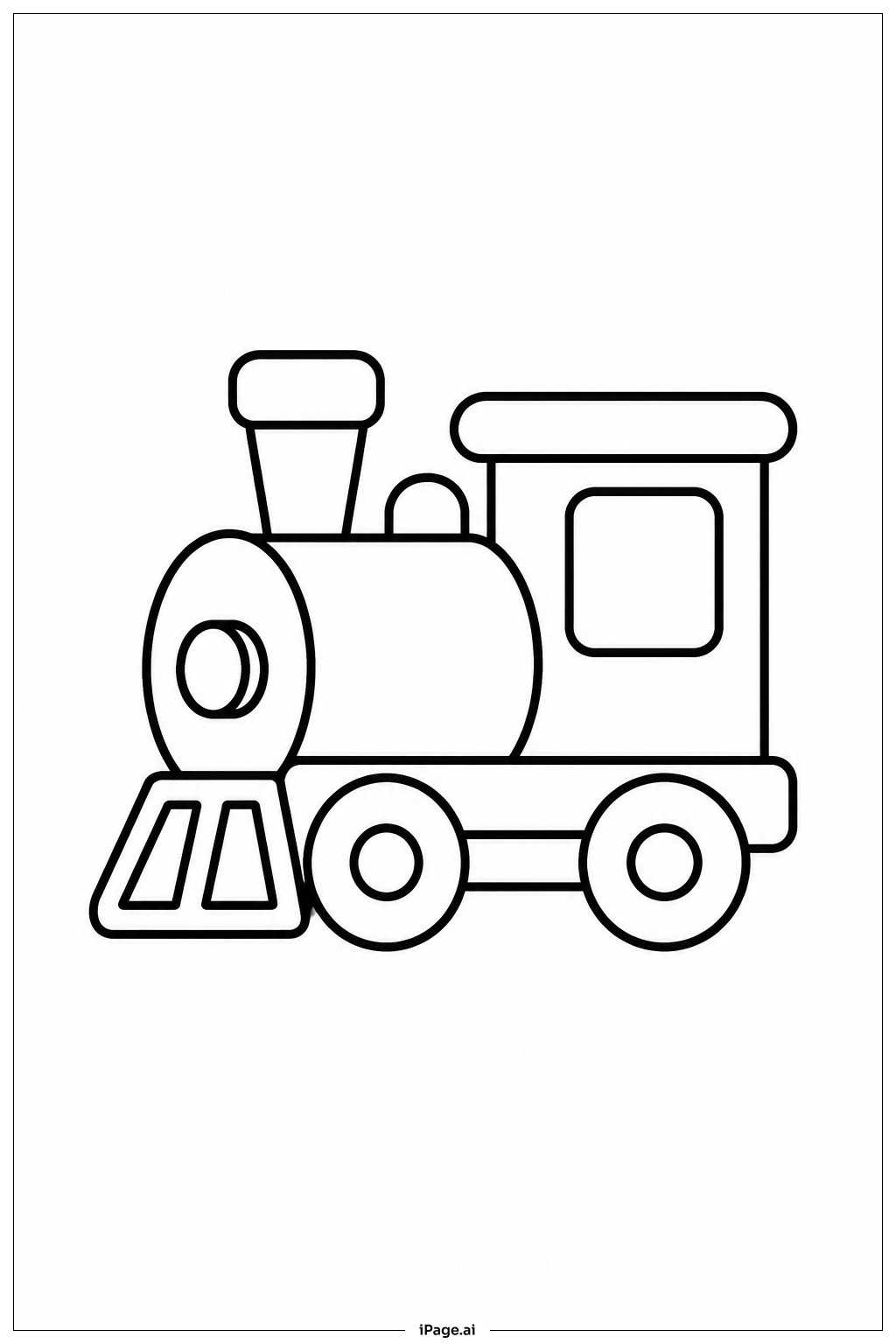
Coloring tips: How to color Little Engine Train coloring page well?
Start with the locomotive body and pick a bold, classic color like red, blue, or green — these are traditional train colors that look great and feel fun. Use a darker shade of the same color for the shadowed areas on the sides to give the train some depth. Color the smokestack and wheels in dark gray or black to make them stand out. The steam puffs look best in soft white or light gray with a hint of blue. For the coal tender, try dark brown or black. Fill in the railroad tracks with brown and gray tones. Use bright greens for the grass, a soft blue for the sky, and white or yellow for the clouds. Coloring the windows in pale yellow gives the feel of warm light inside the cab. Take your time with the small details like bolts, rims, and trim lines — adding a contrasting color there can really bring the whole train to life.
Coloring challenges: Which parts are difficult to color and need attention for Little Engine Train coloring page?
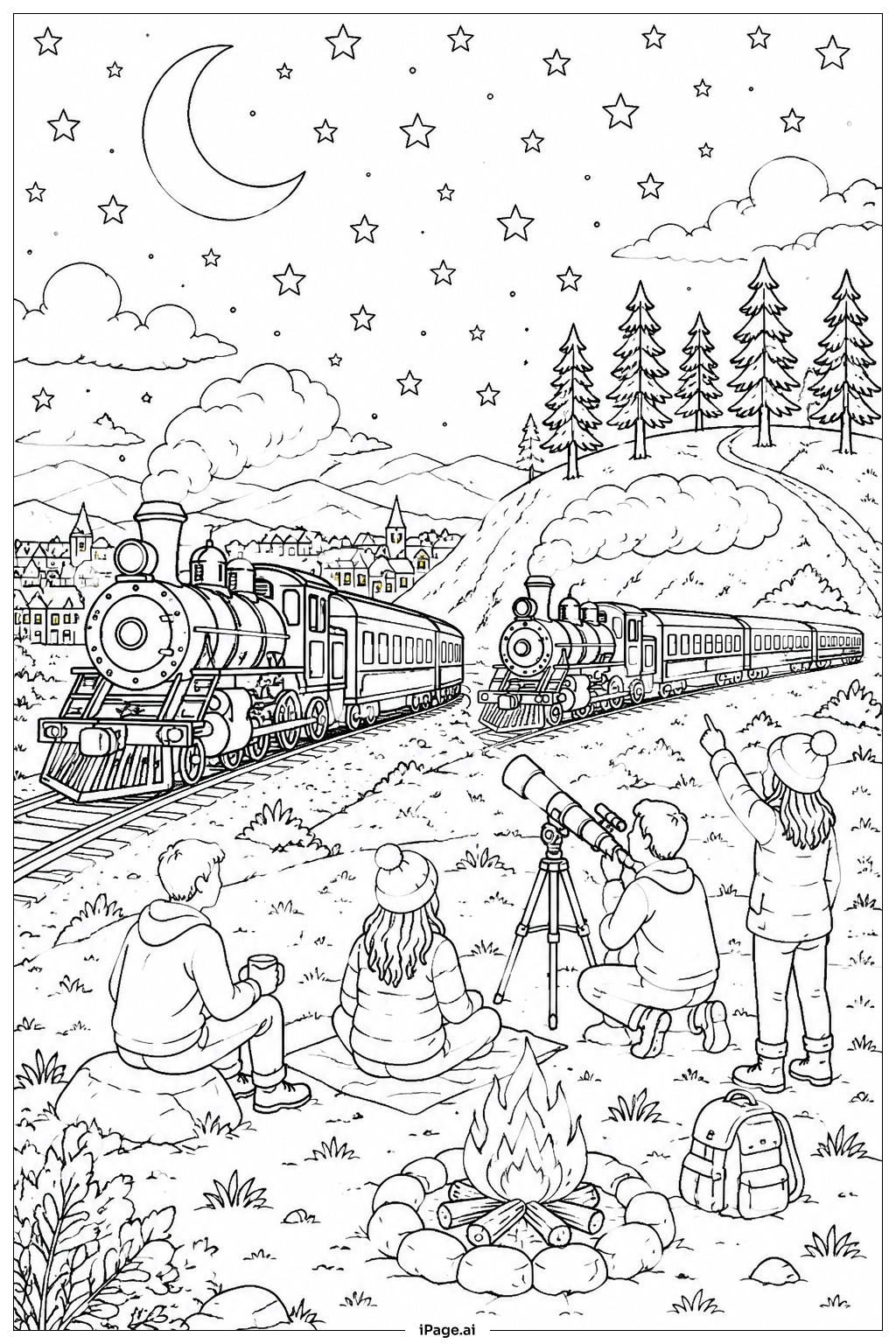
• Wheel Details: The train's wheels have multiple circular rings, spokes, and axle parts. Staying inside each section without bleeding into the next takes steady hands and a fine-tipped colored pencil or marker. Young colorists may need to slow down here and work carefully around each ring.\n\n• Steam and Cloud Shapes: The puffs of steam coming from the smokestack have soft, curved edges that can be tricky to color neatly. Blending light gray into white to create a fluffy, rounded look requires patience and a gentle hand, especially for beginners.\n\n• Small Mechanical Parts: The locomotive includes small details like bolts, rivets, the cow-catcher bars, and trim lines along the body panels. These tiny elements are closely spaced, making it easy to accidentally color over the lines. Using a sharpened pencil or a fine marker tip works best here.\n\n• Background Depth: The scene includes hills, trees, tracks, and sky all layered together. Keeping each background element distinct without mudding the colors together can be challenging. It helps to color from the background forward, starting with the sky first, then hills, then trees, and finally the train itself.\n\n• Consistent Shading on the Train Body: Applying even, consistent color across the large, curved surface of the locomotive without streaks or uneven patches is a skill that takes practice. Using smooth, overlapping strokes in one direction helps achieve a cleaner, more polished look on the bigger flat areas of the train.
Benefits of coloring books: Advantages of drawing Little Engine Train coloring page
Coloring this Little Engine Train page offers a wonderful range of benefits for children of all ages. For younger kids, tracing the rounded shapes of the locomotive and its wheels helps build fine motor skills and strengthens the small muscles in their hands, which supports writing development. Deciding which colors to use for the engine, steam, and landscape encourages creative thinking and self-expression — there are no wrong answers, just fun choices. Following the outlines of the train parts also trains hand-eye coordination and teaches children to focus on detail work, which builds patience and concentration. Older children can practice shading techniques, color blending, and perspective as they work through the background landscape and the mechanical details of the locomotive. The train theme itself sparks curiosity about how trains work, their history, and the world of transportation, making coloring a gentle gateway to broader learning. Completing the page also gives children a real sense of accomplishment. Seeing a finished, colorful piece of their own creation boosts confidence and encourages a love of art. Overall, this coloring page is a relaxing, screen-free activity that nurtures creativity, focus, and joy in a simple and rewarding way.