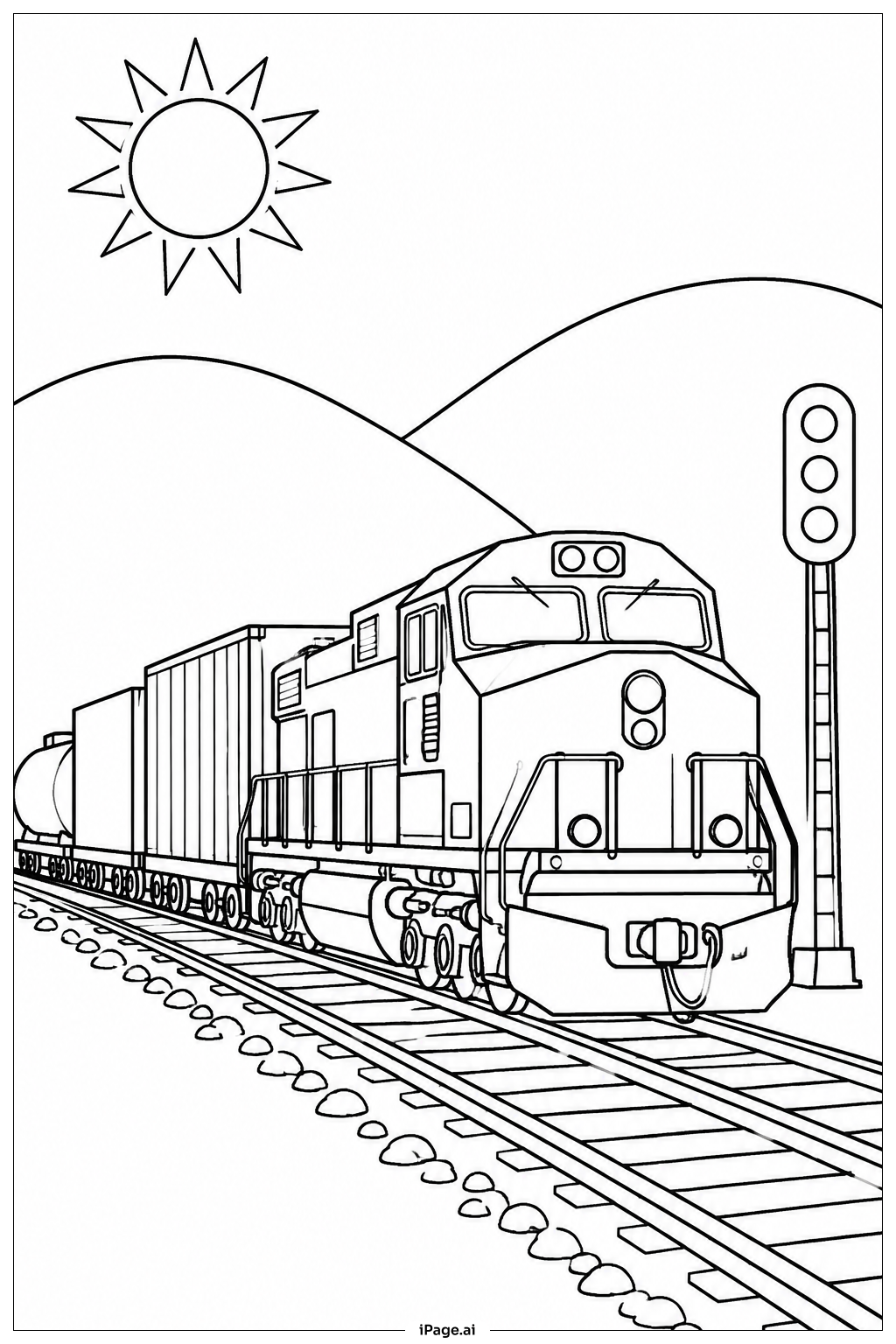
Coloring tips: How to color Freight Train On Tracks coloring page well?
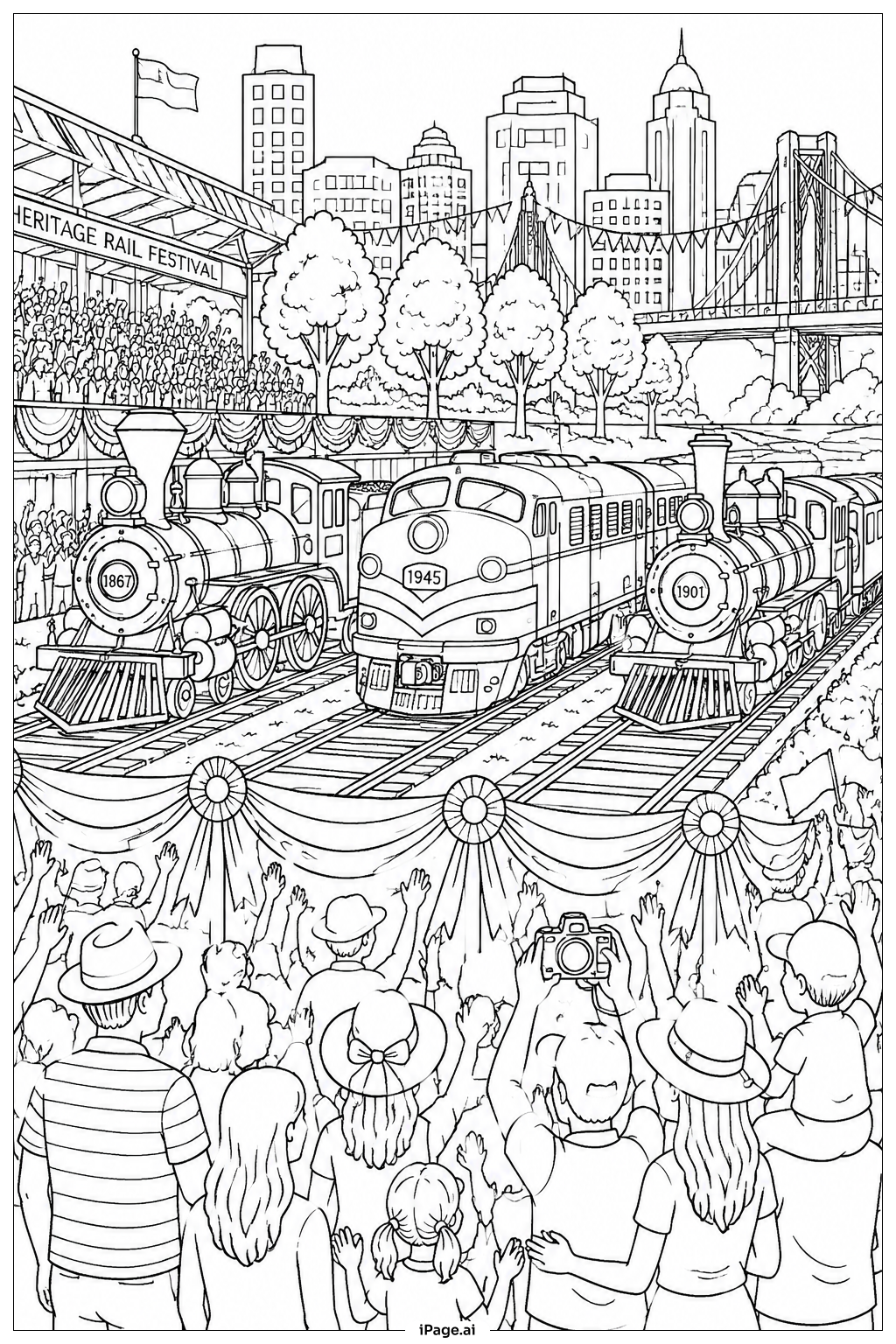
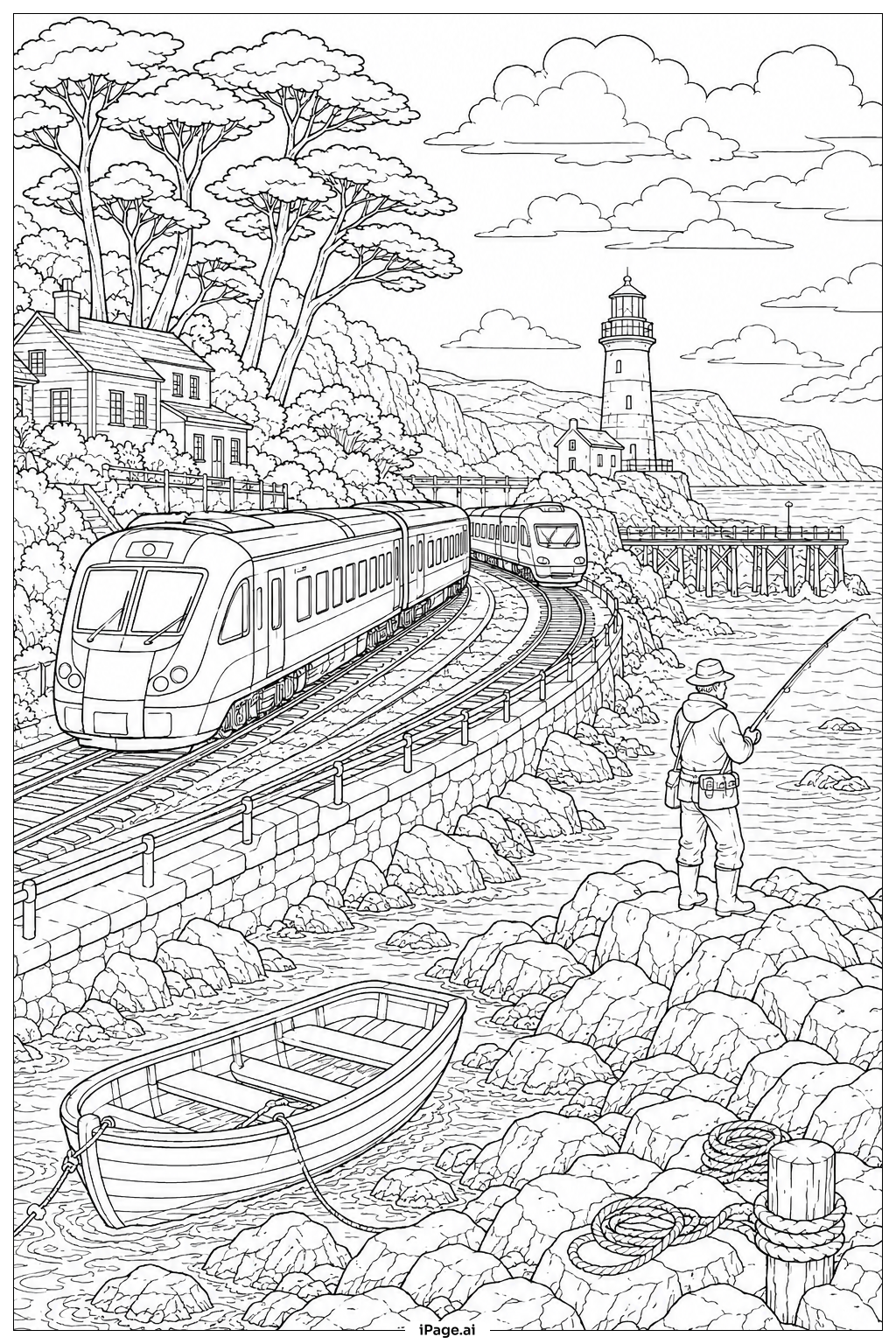
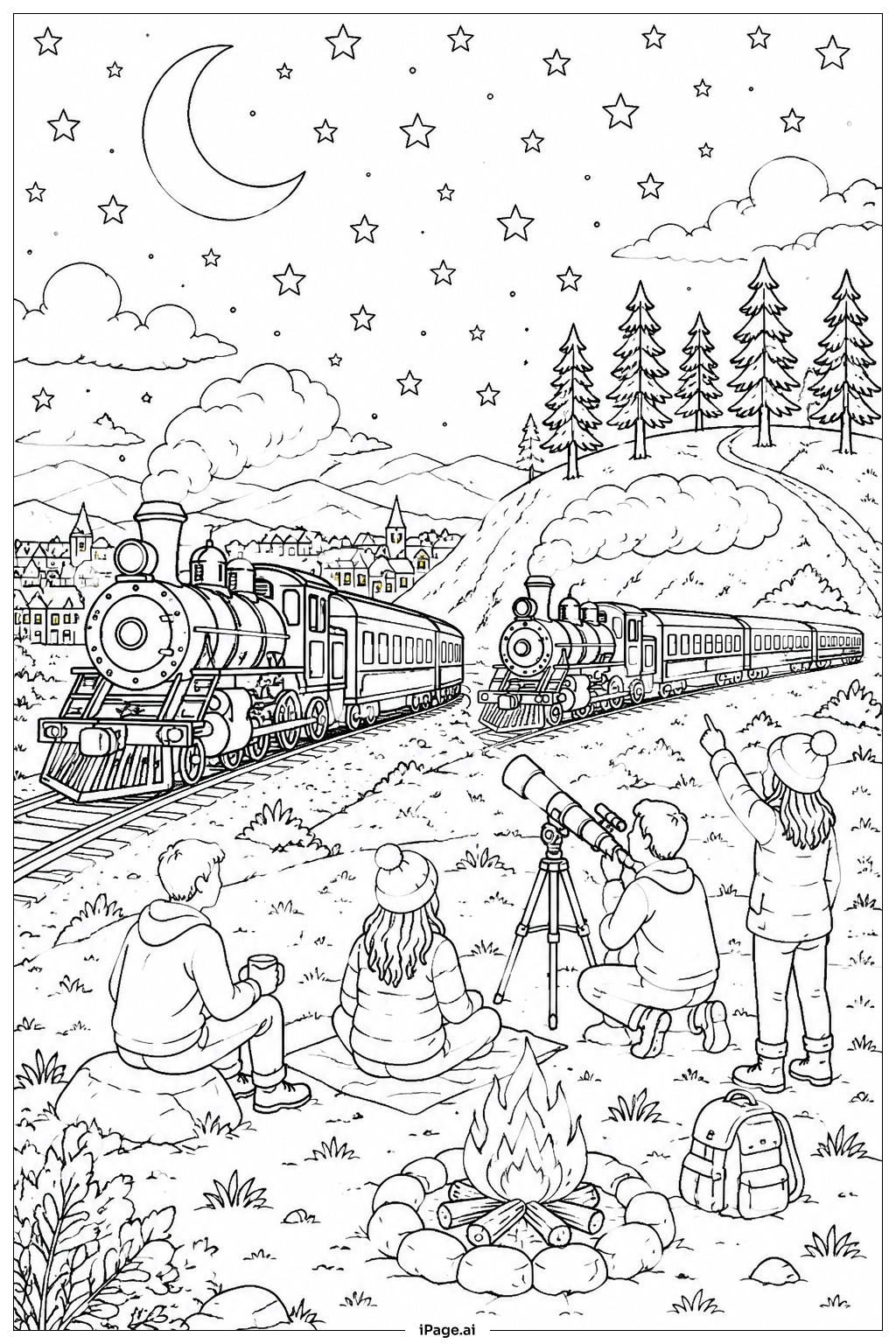
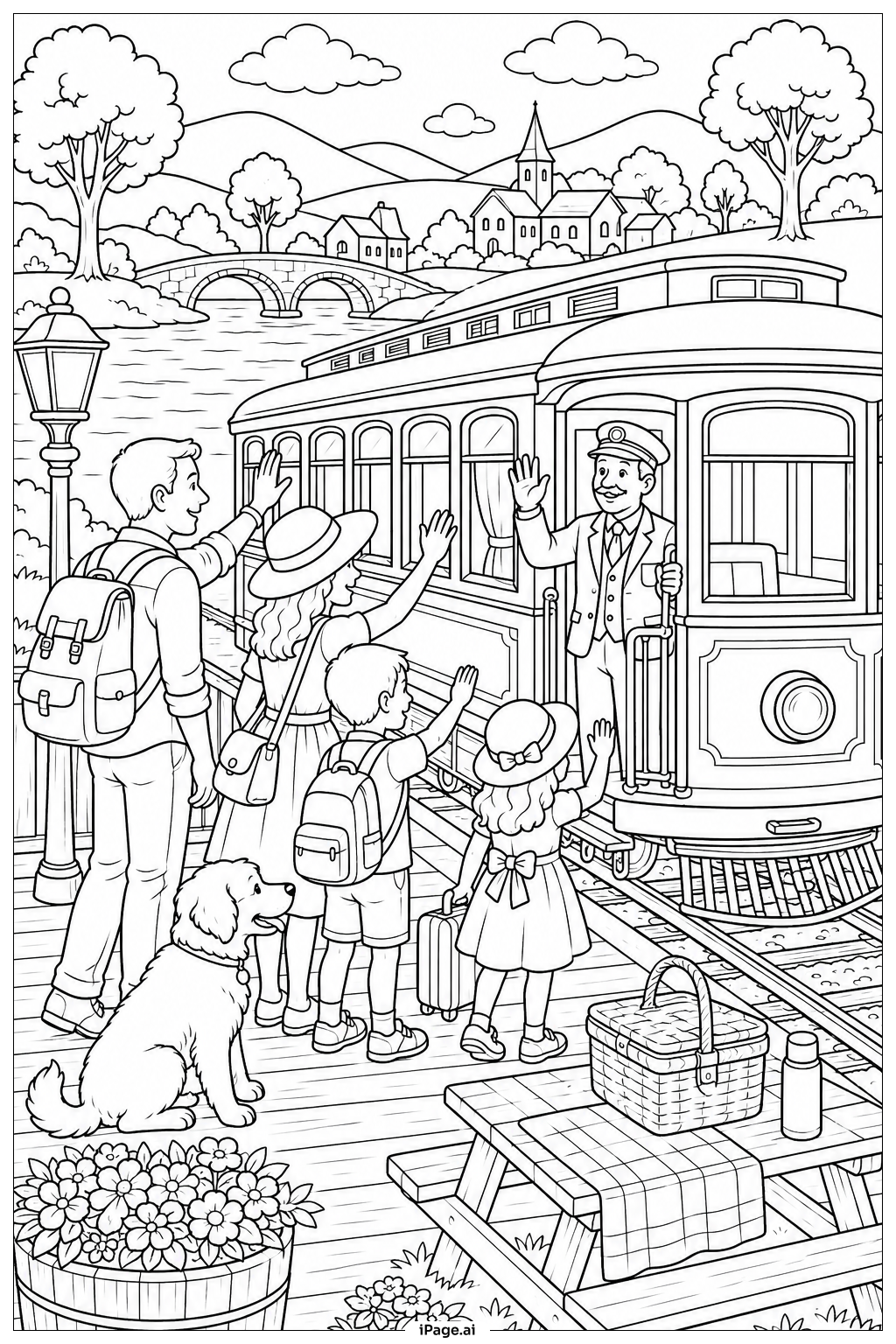
Start with the locomotive. Use dark red, navy blue, or classic black for the engine body to give it a strong, powerful look. Add silver or gray for the metal parts like the wheels, rails, and smokestack. The cargo cars can be fun to color — try using different colors for each one, like brown, green, orange, and yellow, to make the train look lively. Use warm brown tones for the wooden railroad ties and steel gray for the metal rails. Color the sky light blue and add white or pale gray clouds for a breezy daytime feel. The hills and trees in the background can be colored in different shades of green. If you want a sunset vibe, try painting the sky in orange and pink tones. Use a darker shade along the edges of objects to add depth. Take your time on the small mechanical details of the engine — those little touches really bring the whole scene to life.
Coloring challenges: Which parts are difficult to color and need attention for Freight Train On Tracks coloring page?
• Locomotive Mechanical Details: The front of the engine is packed with small parts — vents, bolts, panels, and a smokestack. These tight areas require a fine-tipped marker or a sharpened colored pencil to fill in neatly without bleeding into neighboring sections. Young colorists may find it helpful to work on these details slowly and carefully.
• Repeating Cargo Cars: The long row of freight cars behind the engine features repeated shapes and patterns. Keeping each car distinct while maintaining a visually balanced color palette across the whole train can be tricky. Planning your color choices in advance helps avoid using the same color on cars that are right next to each other.
• Railway Track Perspective: The tracks converge toward the horizon, creating a perspective effect. Coloring the rails and wooden ties consistently while following this angle takes patience. Using a ruler or a steady hand is key to keeping the lines clean and realistic-looking.
• Background Scene Balance: The scenery behind the train — including sky, hills, and trees — needs to complement the train without overpowering it. Choosing colors that are slightly softer or lighter than the train helps push the background further back and makes the locomotive stand out as the main subject.
• Shading and Depth on Metal Surfaces: The train is made of flat, hard metal surfaces. Adding shading to show highlights and shadows on the engine body and wheels makes the image look three-dimensional. This technique can be challenging for beginners but is a great skill to practice on a scene like this.
Benefits of coloring books: Advantages of drawing Freight Train On Tracks coloring page
Coloring this freight train scene offers a wide range of benefits for kids and young learners. First, it builds fine motor skills. Carefully filling in the small mechanical parts of the locomotive trains the hand muscles and improves pencil control, which also helps with writing. Second, it encourages focus and patience. A detailed scene like this one rewards slow, careful work — a great exercise in concentration for children who are still developing their attention spans. Third, it sparks curiosity about the world. Trains are a fascinating part of history and modern transportation. As children color the image, they naturally start asking questions about how trains work, where they go, and what they carry. Fourth, it supports color recognition and creative thinking. Choosing colors for each cargo car, the sky, and the landscape invites kids to experiment and make their own creative decisions. Finally, completing a full coloring page gives children a sense of accomplishment and pride in their work. It is a simple but meaningful confidence boost that encourages them to keep creating.