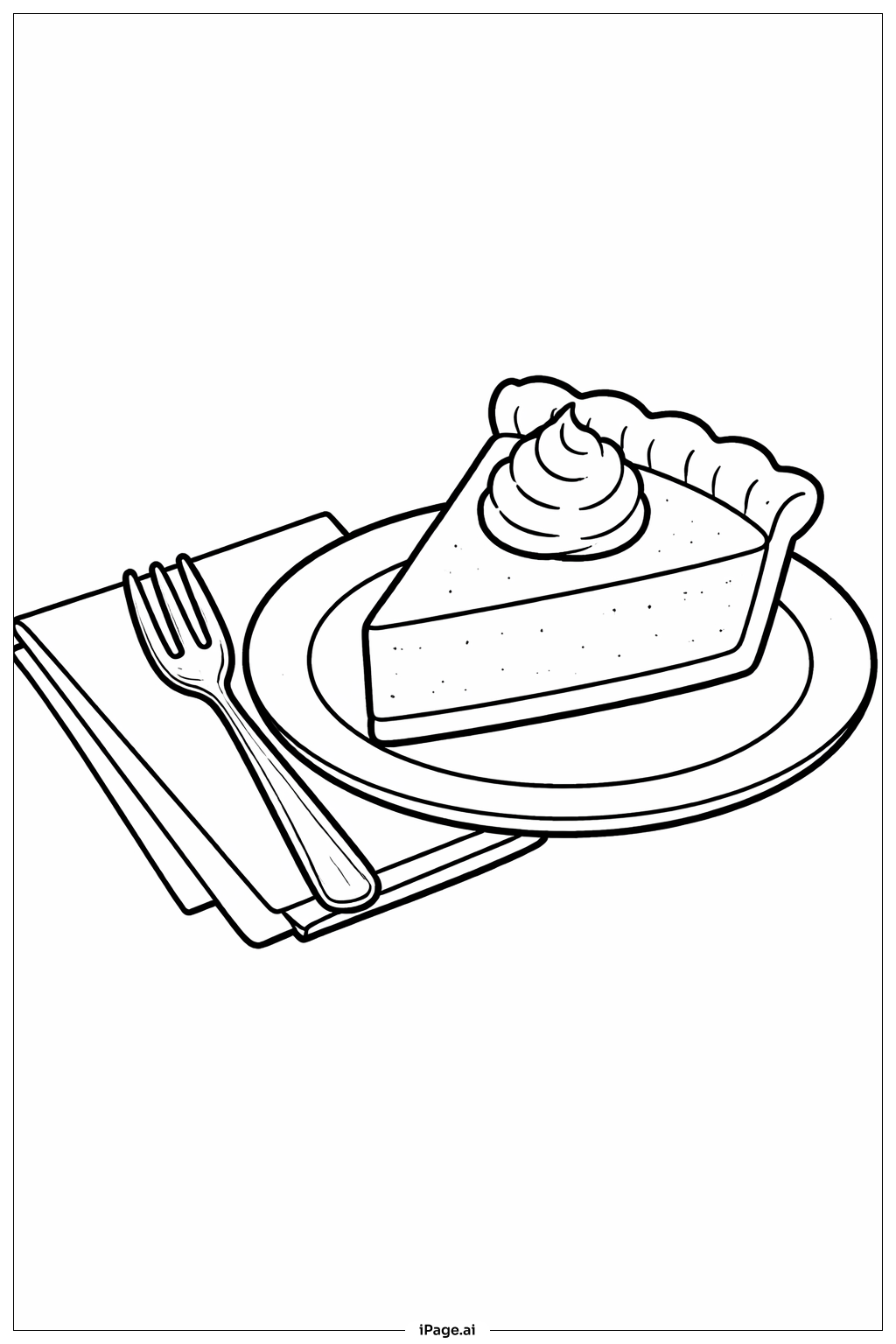
Coloring tips: How to color Thanksgiving Pie On Plate coloring page well?
Start with the pie crust using warm golden browns, light tans, or honey yellows to create that freshly-baked appearance. The lattice strips can be shaded slightly darker on one side to show dimension and depth. Color the decorative leaves in rich autumn shades like burnt orange, deep red, or golden yellow. The berries can be vibrant red or deep purple. For the plate, try soft cream, white, or even a delicate blue or floral pattern. The background leaves scattered around can feature a beautiful fall palette including orange, red, yellow, and brown combinations. The acorns might be colored with brown caps and tan bodies, while the small pumpkins can be traditional orange or explore variations like white, green, or even blue for a unique twist. Consider using colored pencils to add subtle shading and texture to make the pie look truly delicious.
Coloring challenges: Which parts are difficult to color and need attention for Thanksgiving Pie On Plate coloring page?
• Lattice Pattern Precision: The woven lattice crust requires careful attention to maintain the over-under pattern visually. Each strip needs consistent coloring to show which pieces go over and which go under. Shading each strip slightly darker on one edge helps create depth, but this requires patience and a steady hand to keep the pattern clear and organized throughout the entire pie top.
• Small Decorative Details: The pastry leaves, berries, and other tiny embellishments around the pie edge are intricate and closely spaced. Coloring these small elements without going outside the lines can be challenging, especially for younger children. Each leaf may have vein details that require precision work with fine-tipped coloring tools to bring out the realistic texture.
• Creating Realistic Texture: Making the pie crust look golden and flaky requires layering different shades of brown, tan, and yellow. Achieving that appetizing baked appearance means blending colors smoothly while also suggesting the rough, flaky texture of real pastry. The plate surface also needs careful shading to appear three-dimensional rather than flat.
• Background Element Balance: With multiple fall elements surrounding the pie including leaves, acorns, and pumpkins, it can be challenging to create a balanced color scheme that makes the pie remain the focal point while still making the background interesting and festive without overwhelming the main subject.
Benefits of coloring books: Advantages of drawing Thanksgiving Pie On Plate coloring page
Coloring this Thanksgiving pie image helps children develop fine motor skills and hand-eye coordination, especially when working on the detailed lattice pattern and small decorative elements. The repetitive nature of coloring the woven strips builds focus and concentration while creating a sense of accomplishment. This seasonal theme provides an excellent opportunity to learn about Thanksgiving traditions and discuss gratitude and family celebrations. Children can explore warm autumn color palettes, understanding how colors work together to create a cohesive seasonal feeling. The detailed work encourages patience and mindfulness, providing a calming activity during the busy holiday season. It also sparks creativity as children can experiment with realistic or imaginative color choices for their pie and decorations. Completing this coloring page gives a sense of pride and can be displayed as festive holiday decoration, making children feel they have contributed to the family celebration.