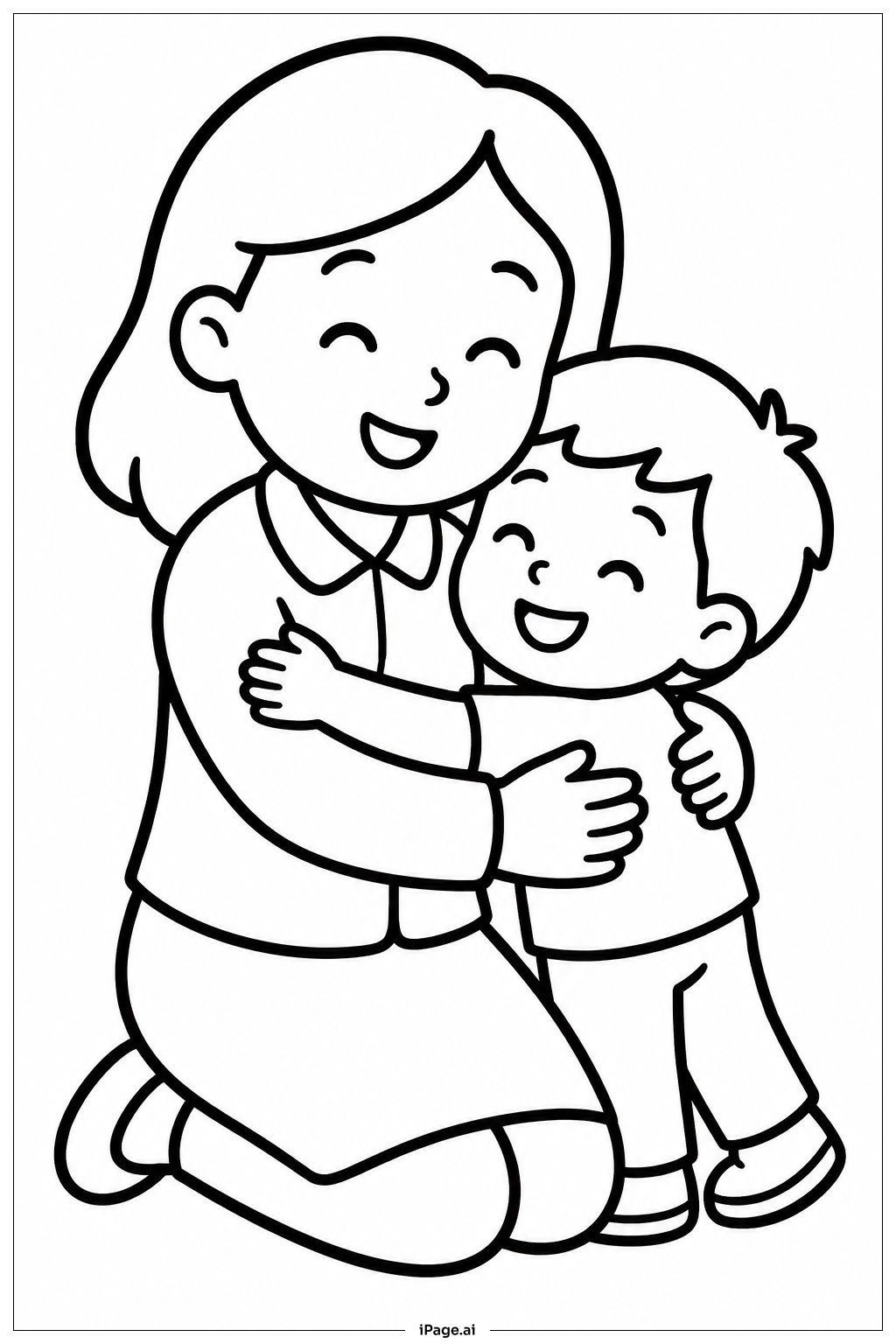
Coloring tips: How to color Teacher Appreciation Classroom Hugs coloring page well?
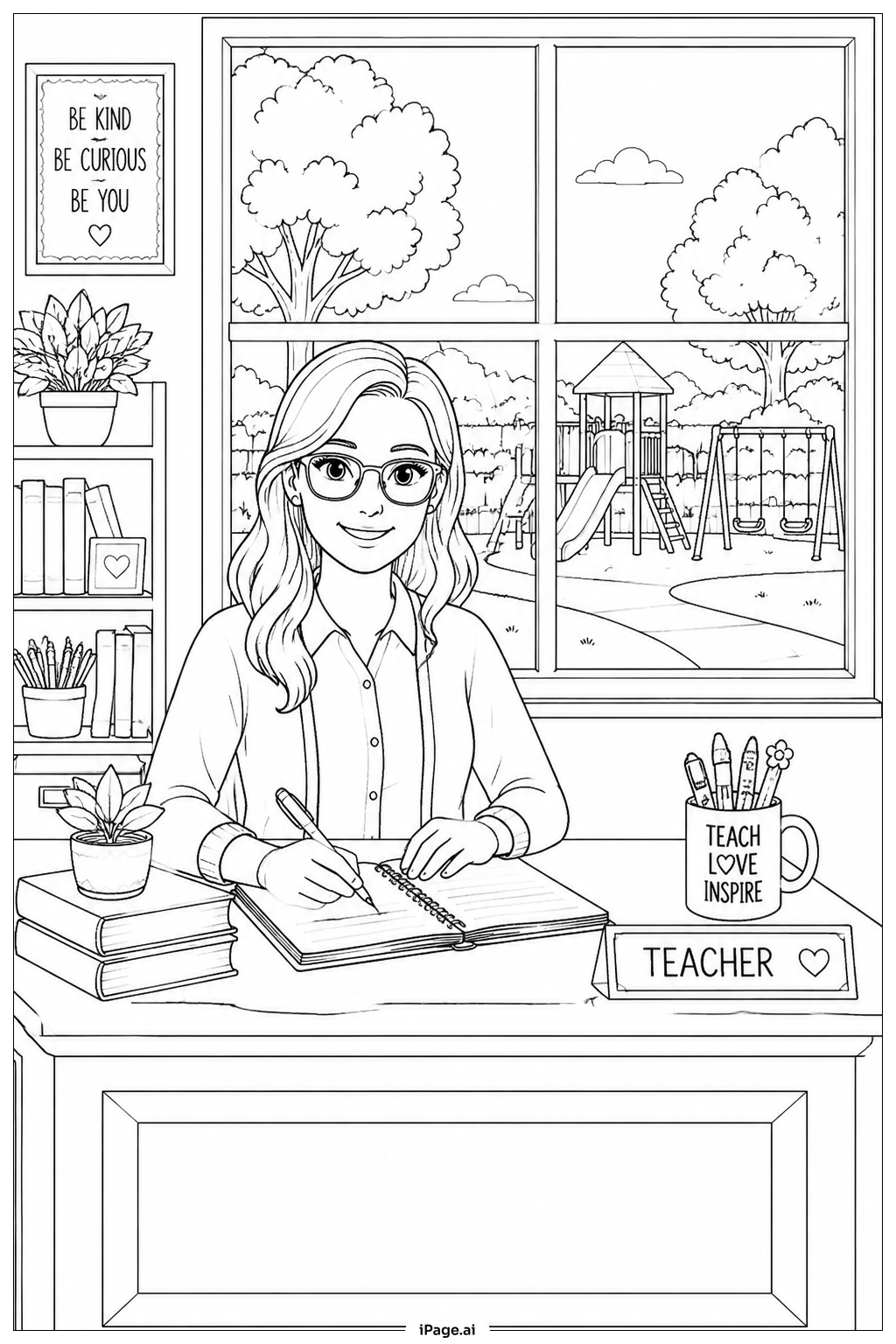
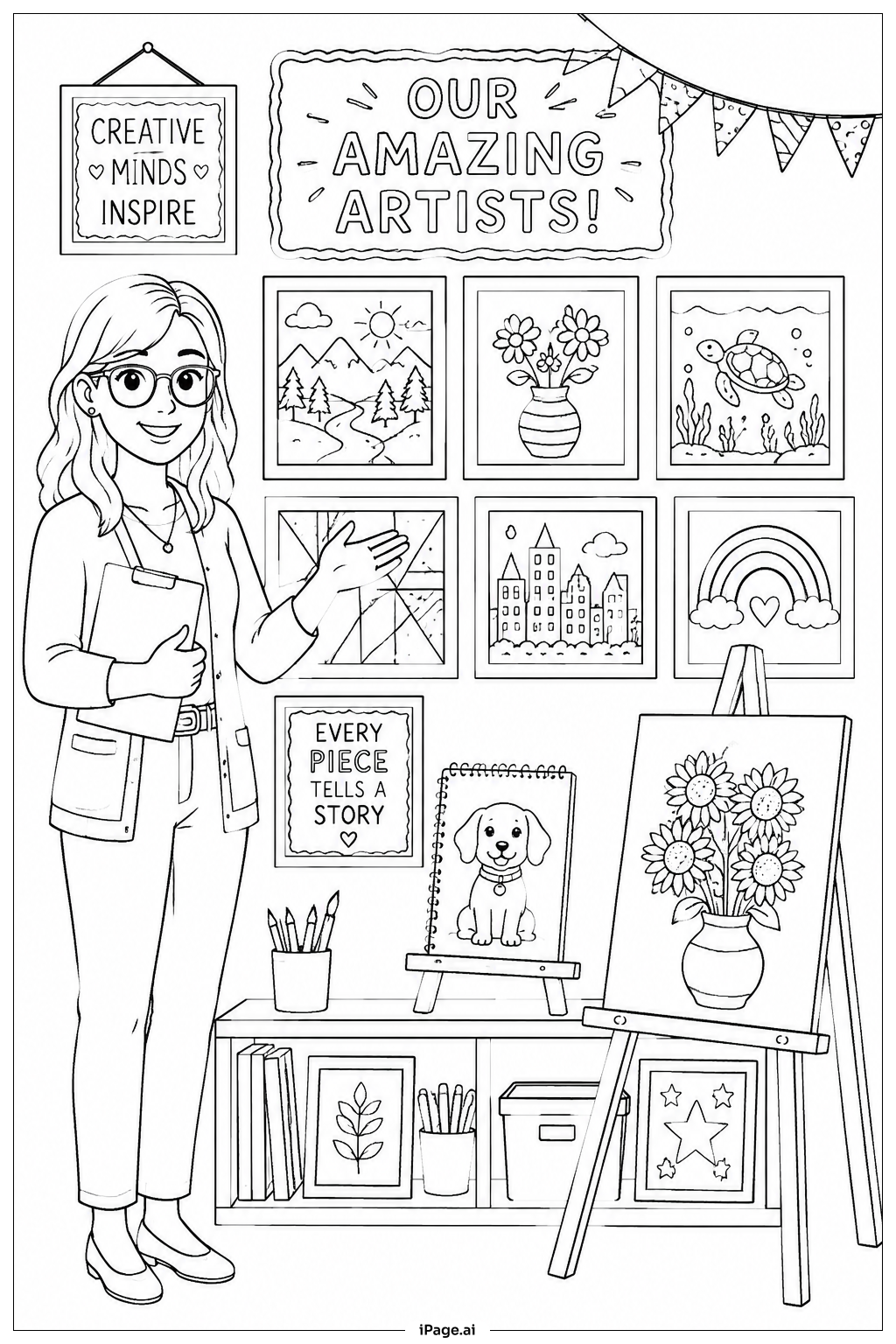
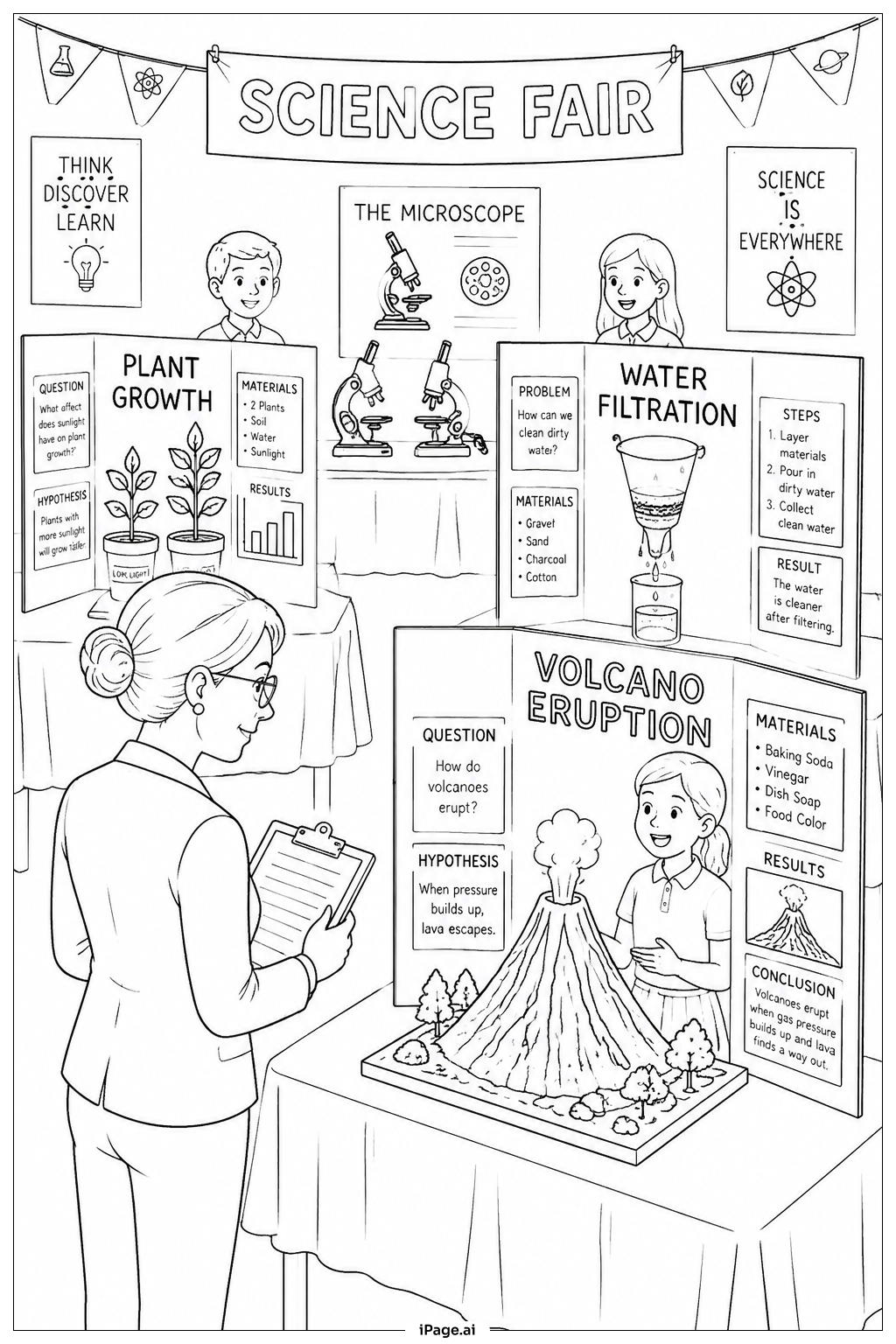
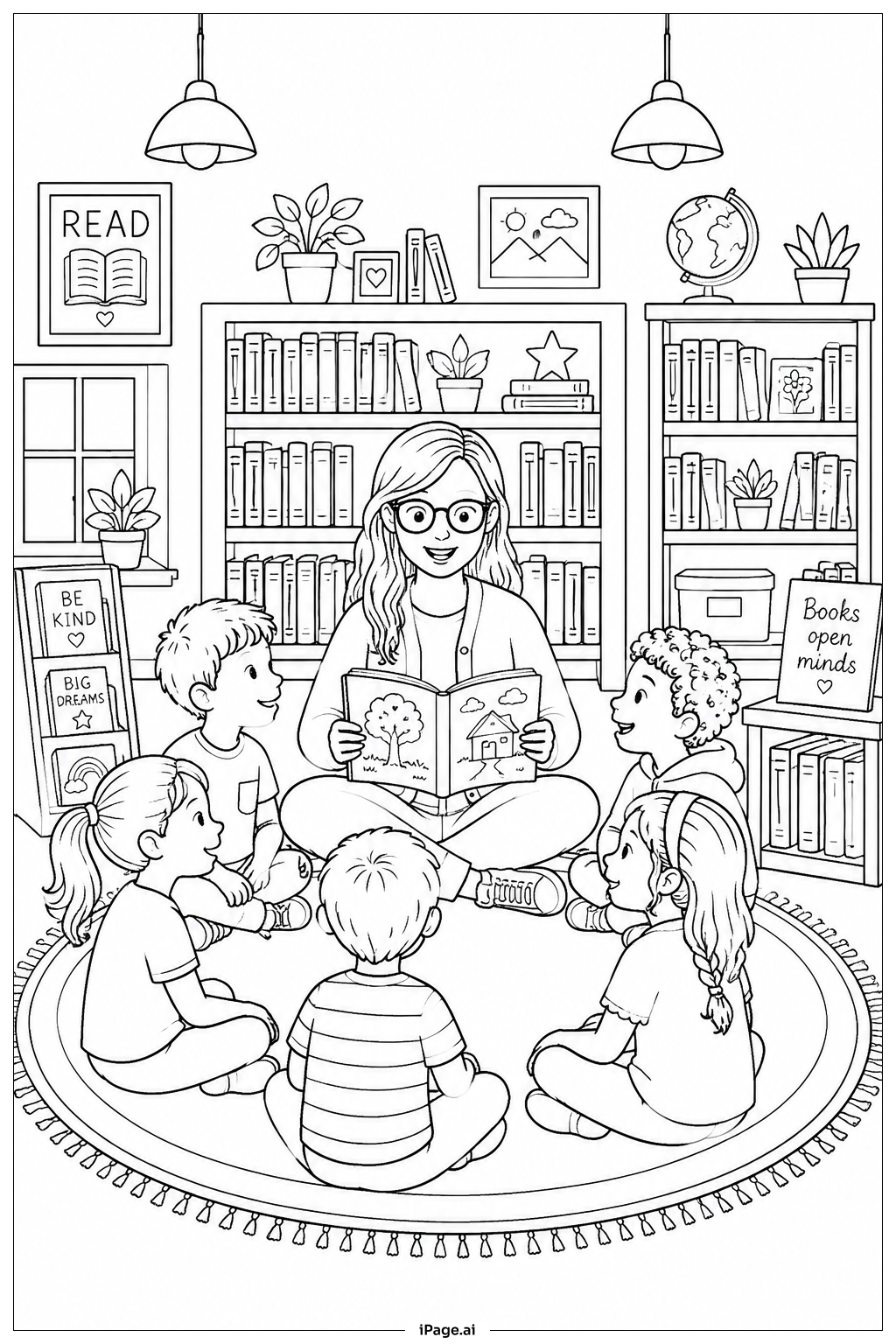
Start with the skin tones of the teacher and students. Use warm peach, tan, or brown shades to show different skin tones and celebrate diversity. Color the teacher's outfit in a bright, cheerful color like yellow, blue, or red to make her stand out at the center of the scene. Use a mix of fun, bold colors for the students' clothes — think pinks, purples, greens, and oranges. For the chalkboard, use dark green or black, and add white or light yellow for the writing. Color the bookshelves in warm brown tones. Use green for the plants and bright colors for the flowers or decorations. The stars on the board can be colored gold or yellow. Keep smiling faces light and friendly. Feel free to add your own colors to the background to make the classroom feel cozy and full of life. There are no rules — just have fun and make it your own!
Coloring challenges: Which parts are difficult to color and need attention for Teacher Appreciation Classroom Hugs coloring page?
• Overlapping Figures: The teacher and students are hugging closely, which means their arms, hands, and bodies overlap in many places. It can be tricky to tell where one person ends and another begins. Take your time to look carefully at each figure before coloring, and use slightly different shades to help separate them visually.
• Small Facial Features: Each character has a small face with tiny eyes, a nose, and a smile. Coloring these details neatly requires a sharp pencil or a fine-tipped marker. Be patient and use gentle strokes to stay inside the lines, especially around the eyes and mouth.
• Classroom Background Details: The background is filled with many small objects — a chalkboard, shelves, books, a globe, and plants. Each element is small and close together, making it easy to accidentally color outside the lines. Work slowly and consider using different shades to distinguish each object from the ones around it.
• Diverse Skin Tones: The image features multiple characters who may reflect different backgrounds. Choosing and blending several skin tone shades to represent diversity thoughtfully can be a fun but careful challenge, especially if using colored pencils that need layering to get just the right shade.
• Text and Decorative Elements: The chalkboard includes words and star decorations. Coloring around small letters without smudging or going over them takes a steady hand. Use a very fine tool for these areas, or color them last once all surrounding areas are filled in.
Benefits of coloring books: Advantages of drawing Teacher Appreciation Classroom Hugs coloring page
Coloring this Teacher Appreciation Classroom Hugs page offers so many wonderful benefits for kids and adults alike. First, it helps children express gratitude and appreciation for the teachers in their lives. As they color each character, they can think about what makes their own teacher special, building feelings of kindness and empathy.
For younger children, staying inside the lines and handling small details helps develop fine motor skills and hand-eye coordination. These are important skills that support writing and other learning tasks.
The busy classroom scene also encourages focus and patience. Coloring multiple characters, background objects, and tiny details requires concentration, which helps build attention spans over time.
For older children and adults, this page offers a calming, mindful activity. Focusing on colors and shapes can reduce stress and bring a sense of relaxation after a busy day.
Choosing colors for different skin tones, outfits, and classroom objects also sparks creativity and self-expression. There is no single right answer — every colorist can make the scene uniquely their own.
Finally, completing this page creates a meaningful piece of art that can be gifted to a favorite teacher as a heartfelt, handmade token of appreciation. It turns a simple coloring activity into something truly special and memorable.