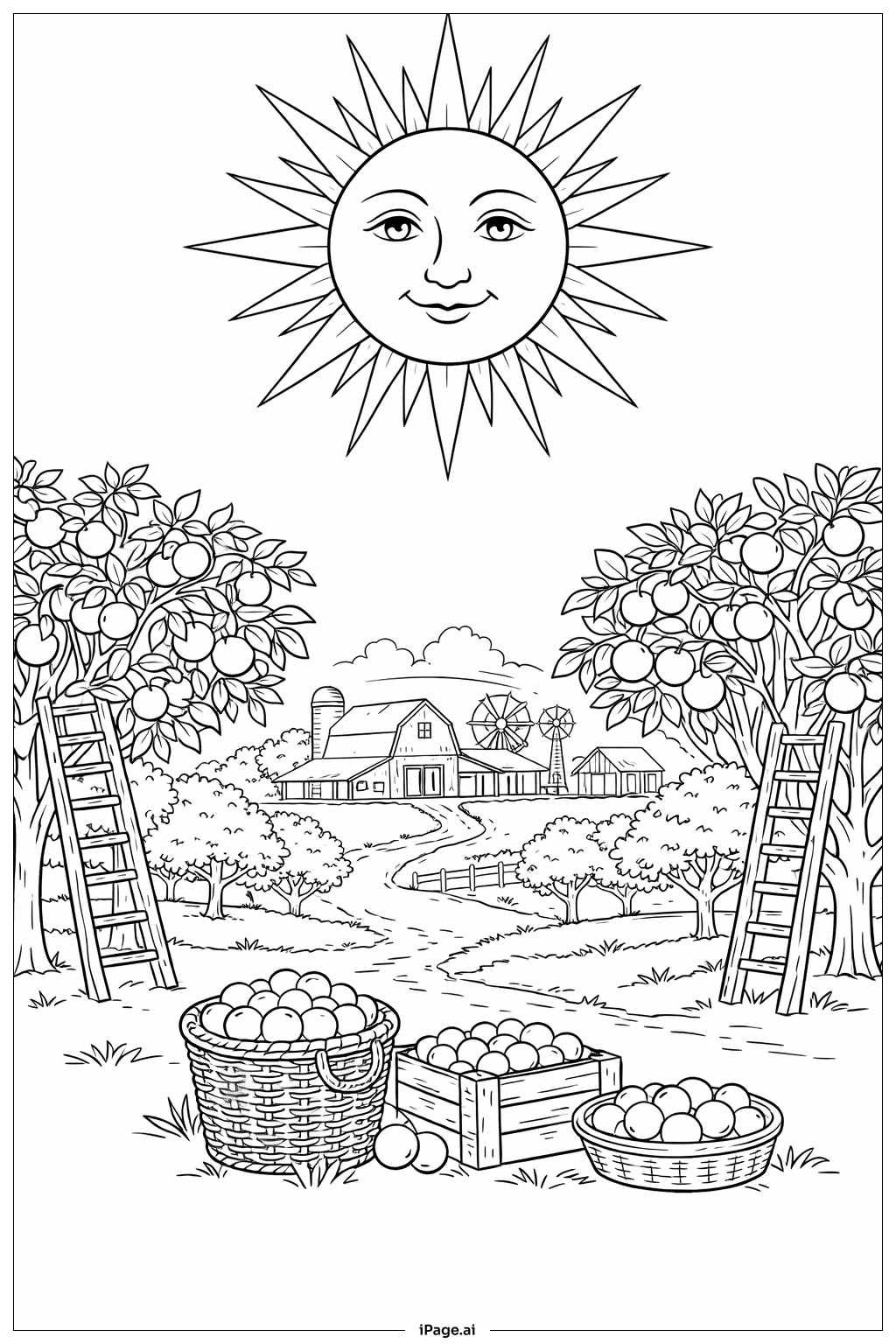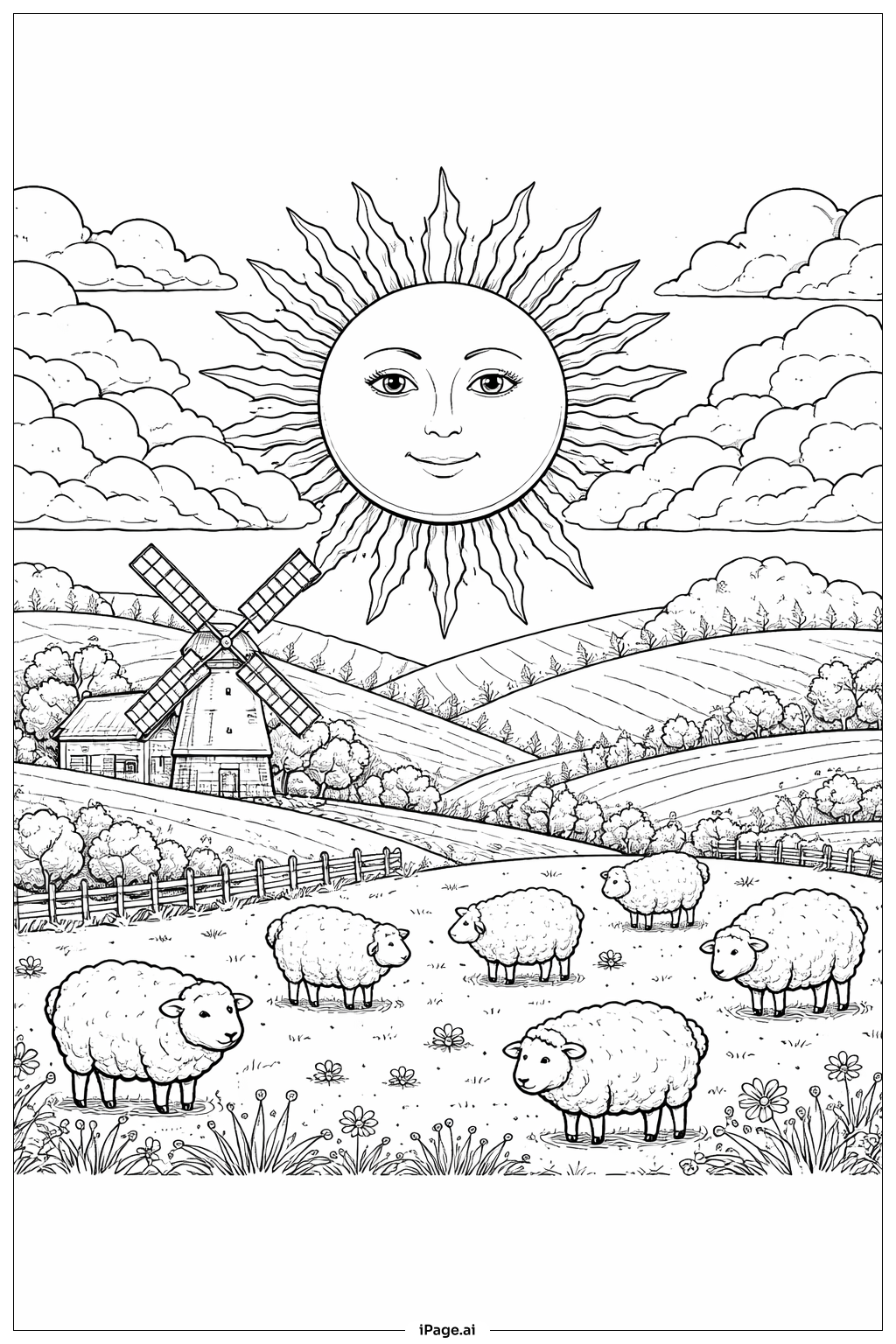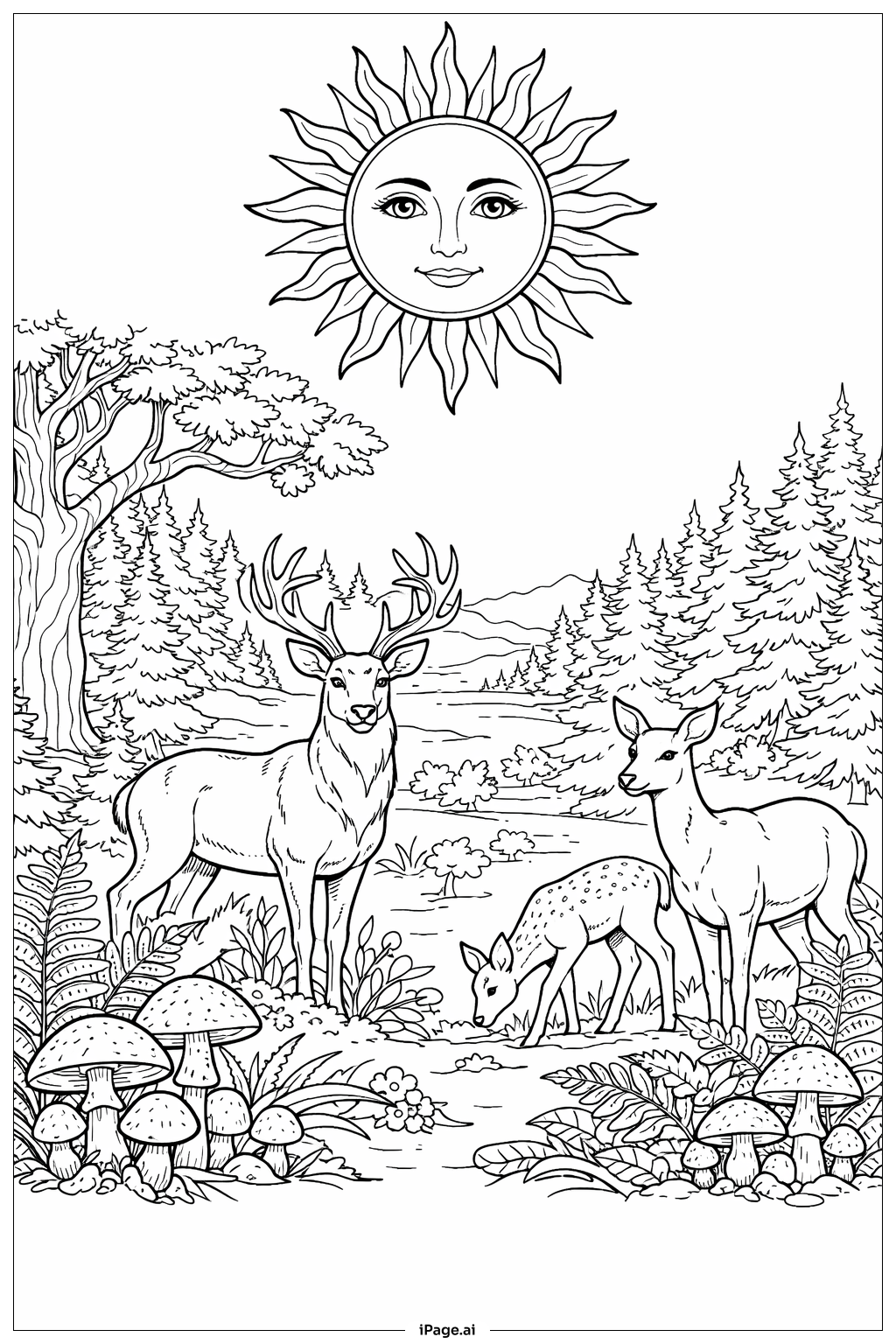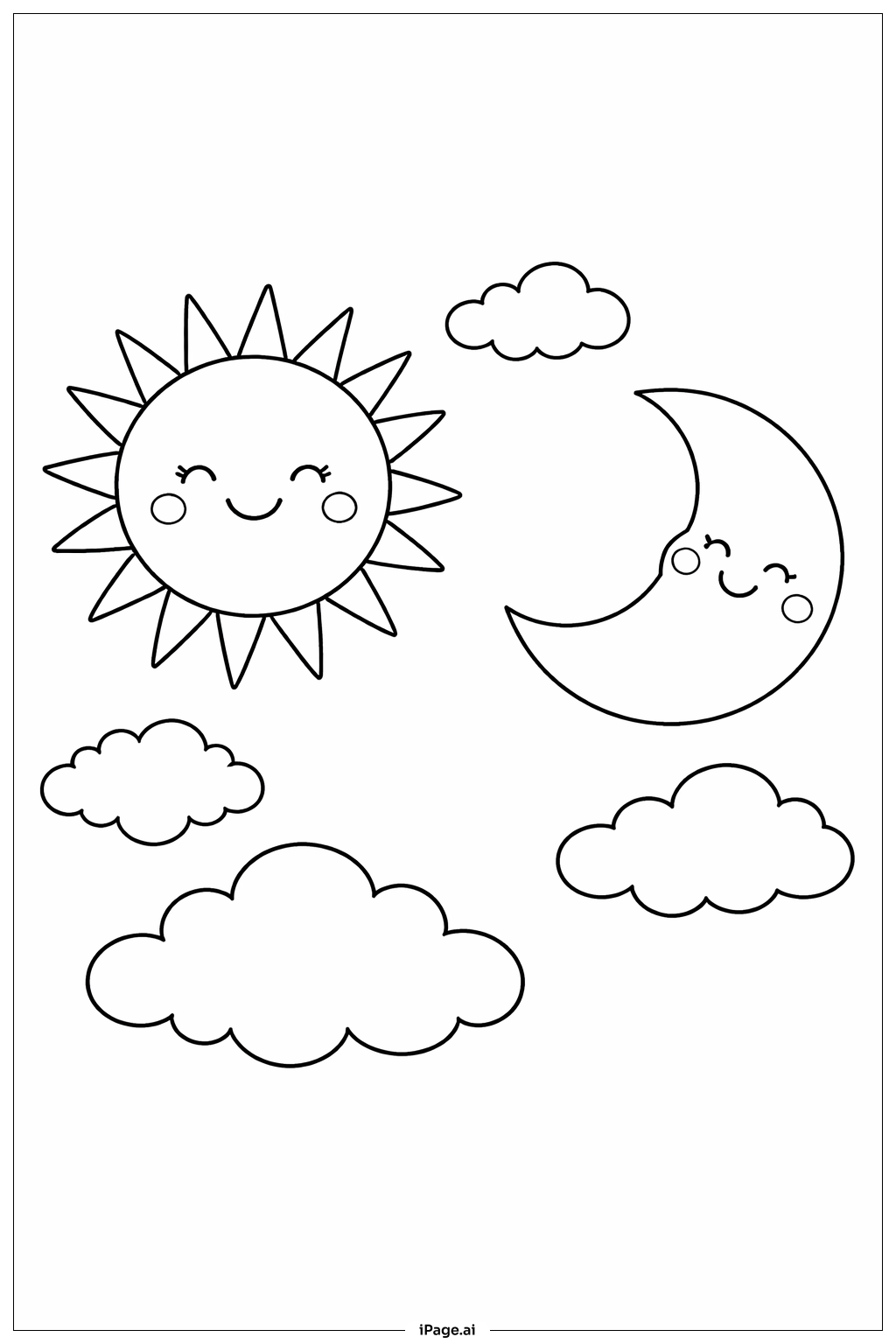
Coloring tips: How to color Sun And Moon Friends coloring page well?
Start with the Sun using warm, bright shades like golden yellow, orange, and soft peach for the face and rays. You can add a touch of light red or amber at the tips of the rays to create a glowing effect. For the Moon, try cool tones like pale silver, soft blue, lavender, or creamy white to contrast nicely with the Sun. Use light gray for shading on the crescent to give it a three-dimensional look. The background sky can shift from warm sunrise tones on the Sun's side to deep midnight blues and purples on the Moon's side. Scatter silver or white stars across the darker area for a magical night-sky feel. Use soft pink or yellow for the characters' cheeks to give them a rosy, lively look. Keep the outlines clean and steady. Feel free to blend colors gently to make the scene feel smooth and storybook-like.
Coloring challenges: Which parts are difficult to color and need attention for Sun And Moon Friends coloring page?
• Blending Two Color Palettes: The biggest challenge is transitioning smoothly between the warm tones of the Sun and the cool tones of the Moon. Where the two characters meet, colors like orange and deep blue can clash if not blended carefully. Try using a neutral middle tone such as soft gold or pale lavender in the overlapping area to create a natural gradient effect without harsh lines.
• Filling the Sun's Rays: The Sun's rays are curved and layered, which means each one needs consistent coloring and shading. Keeping the pressure even on all the rays without going outside the outlines takes patience and a steady hand. Younger colorists may find it helpful to work on one ray at a time, finishing each fully before moving to the next.
• Adding Depth to the Crescent Moon: The Moon's crescent shape has a curved, rounded form. To make it look three-dimensional rather than flat, you need to apply lighter color at the center and gradually darken toward the edges. This shading technique can be tricky, especially for beginners who are still learning how to control pressure and color gradation.
• Detailing the Facial Expressions: Both the Sun and Moon have small, detailed facial features like eyes, eyebrows, and smiling mouths. These tiny areas require fine-tipped tools such as colored pencils or thin markers. Using the wrong tool size can result in messy or overcolored faces that lose their expressive charm.
• Decorating the Background: The background is filled with stars, clouds, and swirling lines that need careful attention. Coloring each small element without smudging neighboring areas, especially in tight spaces, requires control and focus.
Benefits of coloring books: Advantages of drawing Sun And Moon Friends coloring page
Coloring this Sun And Moon Friends page offers a wide range of benefits for children and young artists. First, it builds fine motor skills. Carefully filling in the rays, crescent curves, and tiny facial details trains hand muscles and improves pencil control, which directly supports handwriting development. Second, it encourages creative thinking. Choosing how to blend warm and cool colors sparks imagination and helps kids learn about color theory in a fun, hands-on way. Third, it introduces early science concepts. As kids color the Sun and Moon, they naturally think about day and night, the sky, and the relationship between these two celestial bodies, gently building curiosity about the world around them. Fourth, it promotes focus and patience. Staying inside the lines and completing a detailed image teaches children how to concentrate and follow through on a task. Fifth, it supports emotional well-being. The friendly, cheerful theme of the image creates a positive, calming coloring experience. The idea of the Sun and Moon being friends also sends a sweet message about harmony and togetherness, which can spark meaningful conversations between kids and parents or teachers.