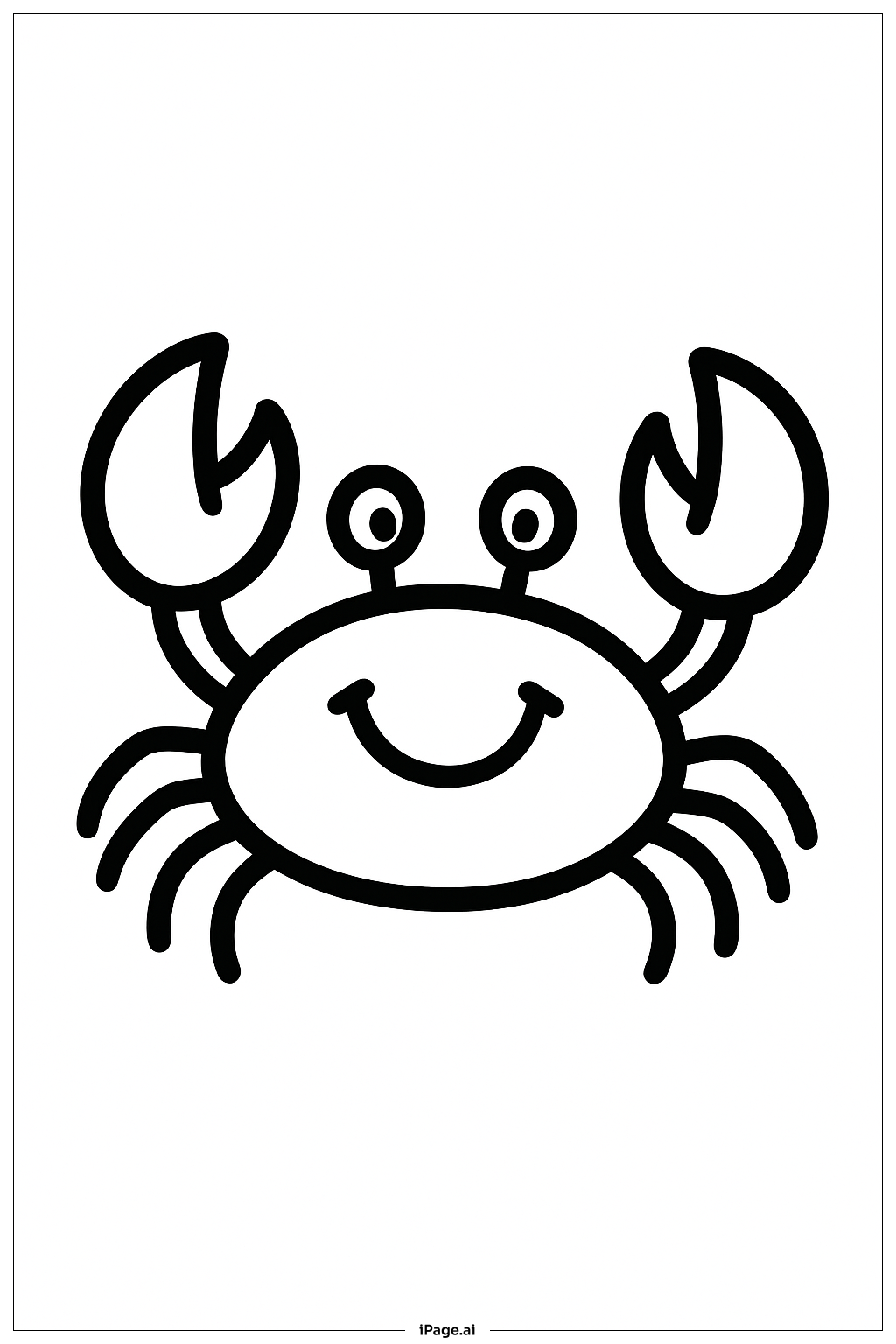
Coloring tips: How to color Summer Happy Crab coloring page well?
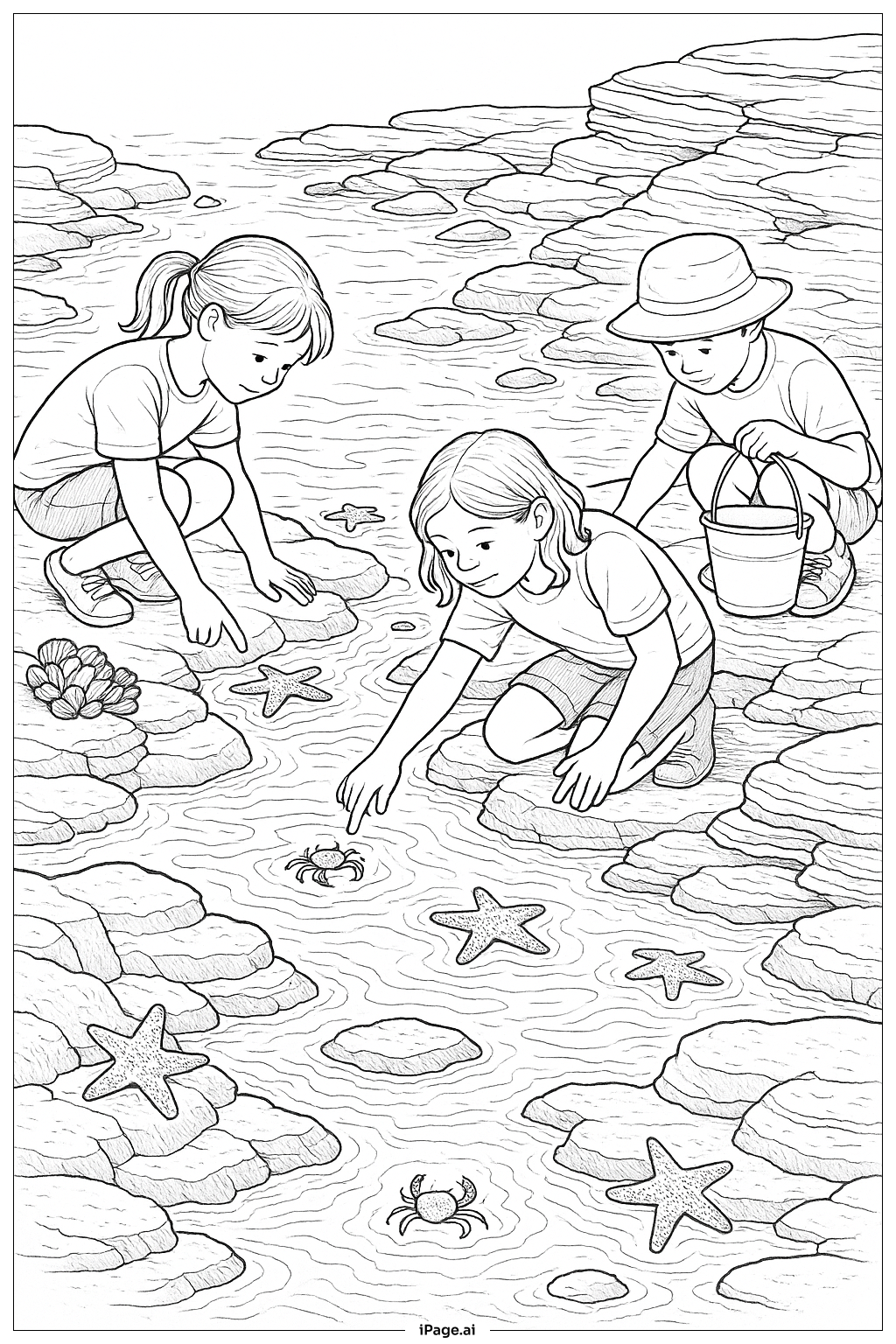
Start with the crab's body using warm, bright colors like orange, red, or coral to give it that classic summer crab look. Use a slightly darker shade on the edges of the shell to add depth and dimension. For the claws, try a bold red or deep orange. Color the eyes with white and black, then add a tiny dot of white for a shiny, lively effect. The starfish can be yellow or sandy brown, while seashells look great in soft pink, peach, or cream. Use sky blue or turquoise for the ocean waves and bubbles to create a cool, refreshing water feel. For the background, a light blue or aqua wash works perfectly to suggest a sunny summer sea. Encourage kids to mix shades and experiment — there are no wrong color choices here. Adding small details like dots or stripes on the shell makes the crab feel even more fun and unique. Have a great time coloring!
Coloring challenges: Which parts are difficult to color and need attention for Summer Happy Crab coloring page?
• Crab Shell Texture and Patterns: The crab's shell features curved lines, wave-like patterns, and small decorative details. Staying inside these lines while keeping the colors smooth and even can be tricky, especially for younger colorists. Take your time and use a sharpened pencil or fine-tipped marker for the smaller areas.
• Layering Shading on the Claws and Body: The rounded, chunky shape of the crab's claws and body calls for some basic shading to look three-dimensional. Applying a lighter color first and then layering a darker shade near the edges requires patience and a steady hand. Blending two tones together smoothly is a skill that takes a little practice.
• Small Detail Work Around the Eyes and Smile: The crab's face has small, expressive features — rounded eyes, highlights, and a curved smile. These tiny areas are hard to color neatly without accidentally going over the outlines. Using a fine-tip tool or carefully sharpened colored pencil helps a lot here.
• Distinguishing the Background Ocean Elements: The waves, bubbles, starfish, and shells all overlap and sit close together in the background. Choosing colors that look different enough from each other — while still feeling like they belong in the same beach scene — takes some planning. Laying out your color choices before you begin can save a lot of re-dos.
• Keeping the Overall Color Palette Cohesive: With so many elements in the scene, it is easy for the final result to feel too busy or mismatched. Picking two or three main colors and repeating them across different parts of the image helps the whole picture feel balanced and harmonious.
Benefits of coloring books: Advantages of drawing Summer Happy Crab coloring page
Coloring this Summer Happy Crab image offers a wide range of benefits for kids and young artists of all skill levels. First, it builds fine motor skills. Guiding a crayon or colored pencil carefully inside the lines strengthens the small muscles in the hands and fingers, which also supports handwriting development. Second, it encourages creativity. Choosing colors for the crab's shell, claws, and the surrounding ocean scene gives kids the freedom to express themselves and make every page uniquely their own. Third, it supports focus and patience. Completing a detailed coloring page requires sustained attention, helping children practice sitting with a task from start to finish. Fourth, it introduces color theory in a fun, hands-on way. Blending shades, picking complementary colors, and creating contrast are all natural parts of the coloring process. Fifth, the bright, playful subject matter — a happy crab enjoying Summer — lifts the mood and sparks imaginative storytelling. Kids often make up little stories about their characters as they color, which supports language development too. Overall, this image turns a simple creative activity into a rich learning experience that is genuinely enjoyable.