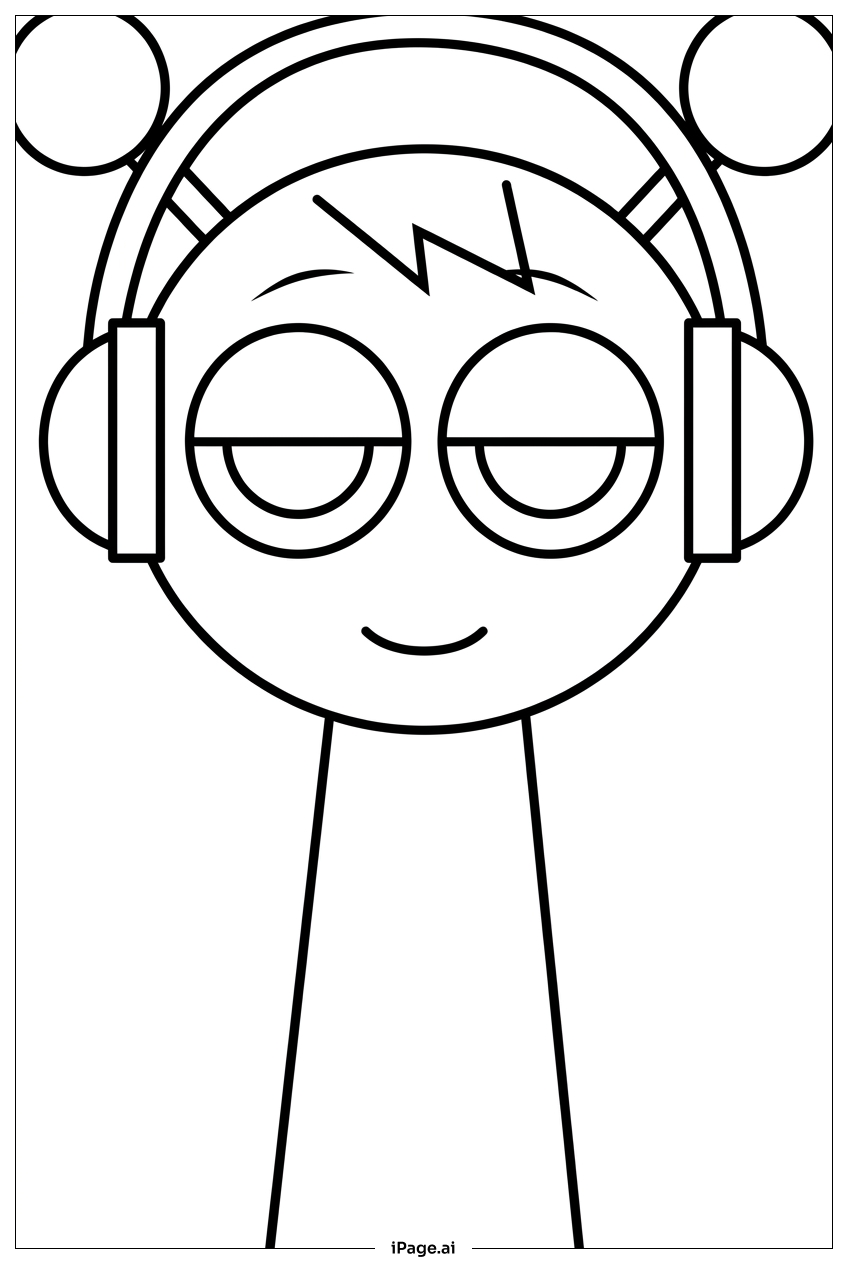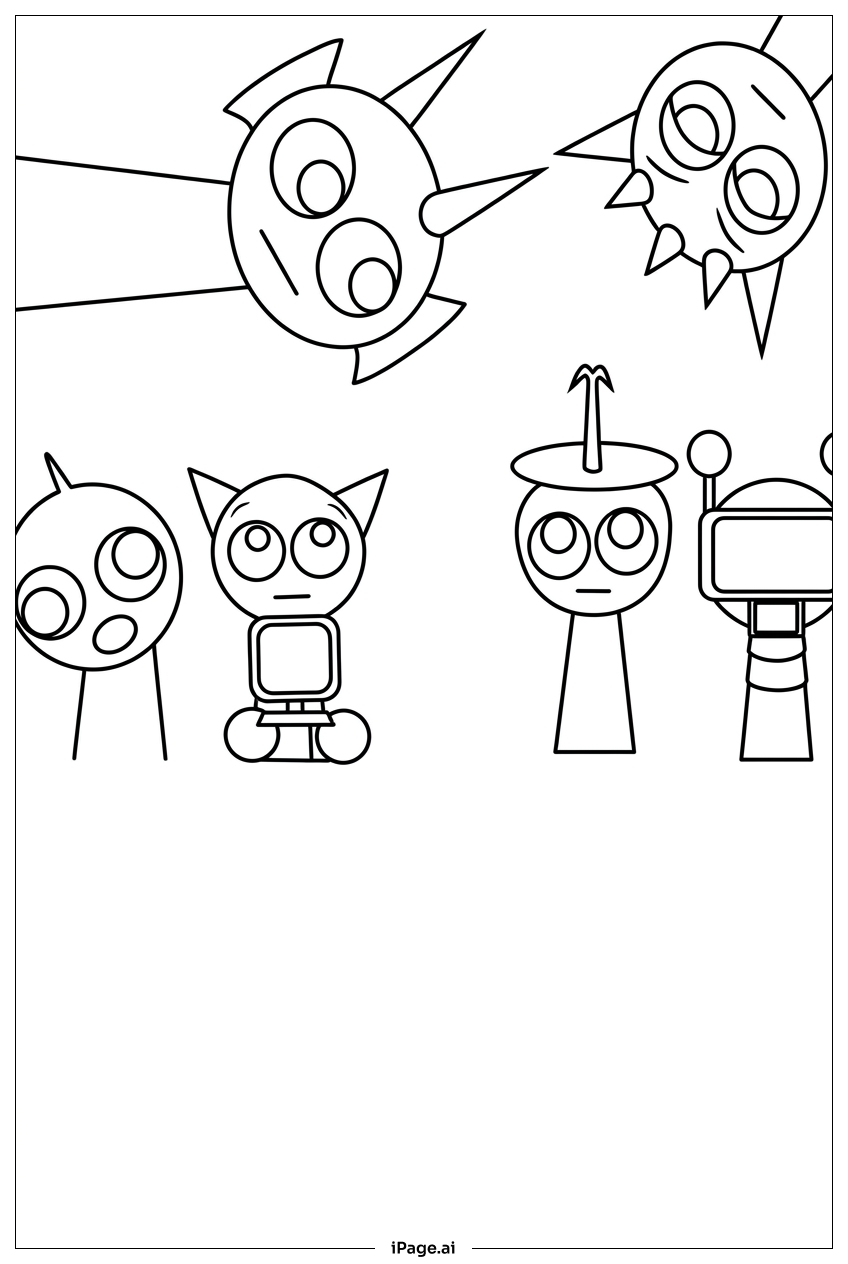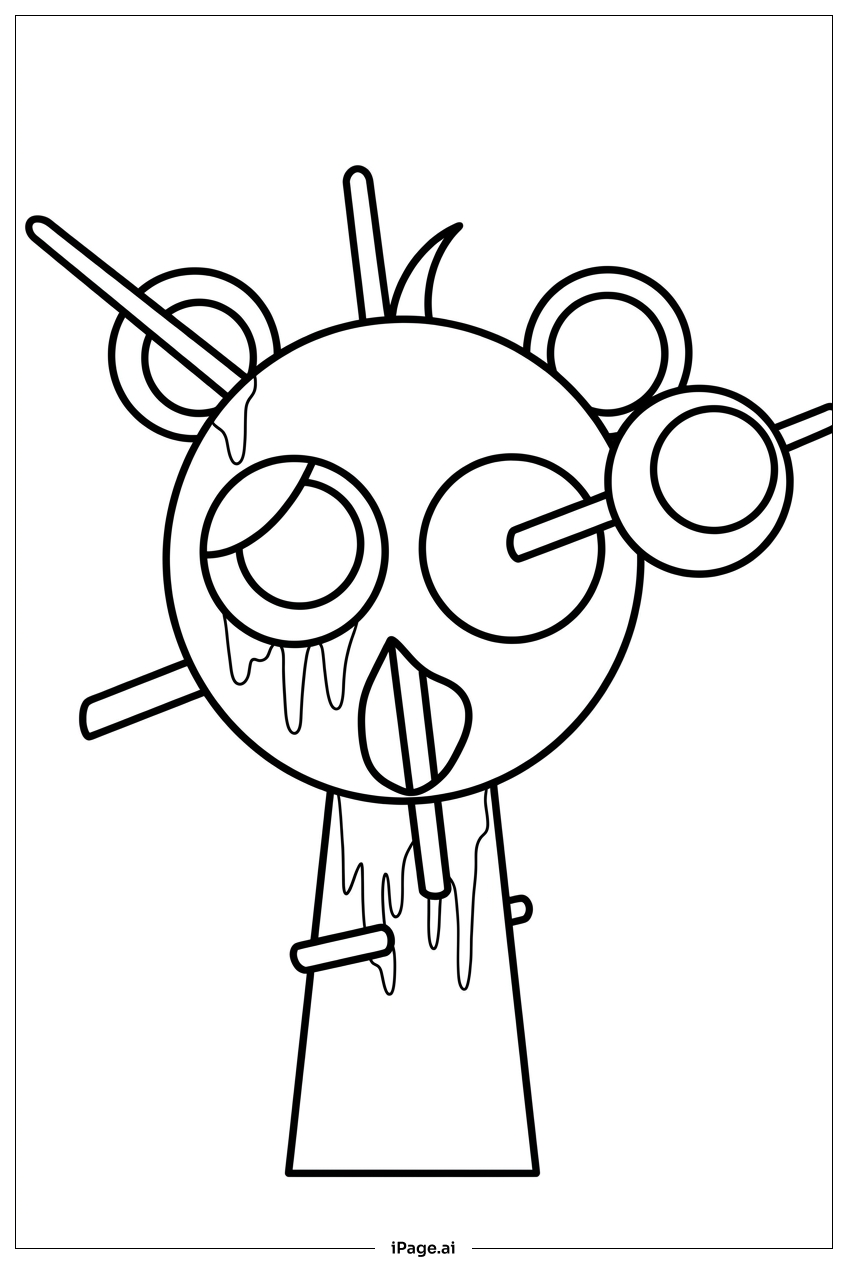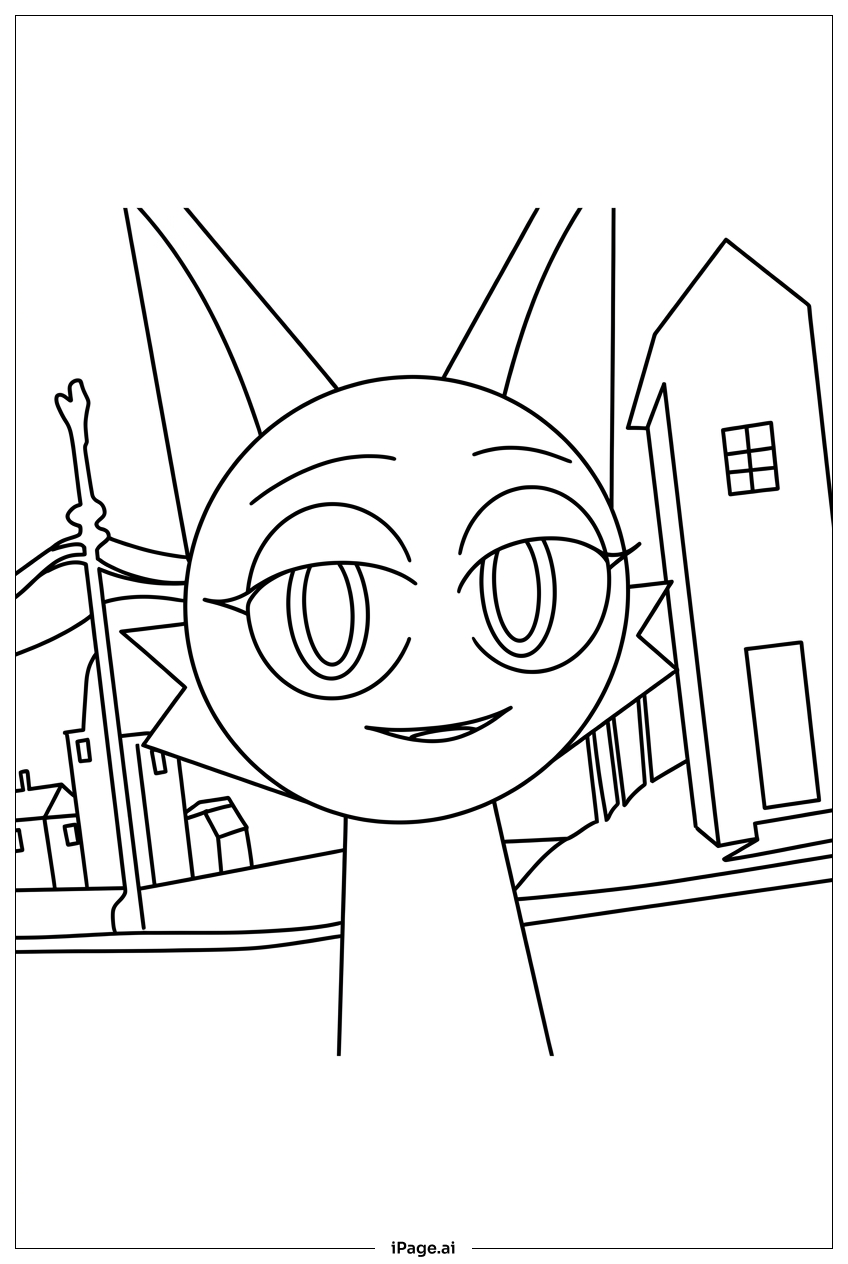
Coloring tips: How to color Sprunki Undersea Playground coloring page well?
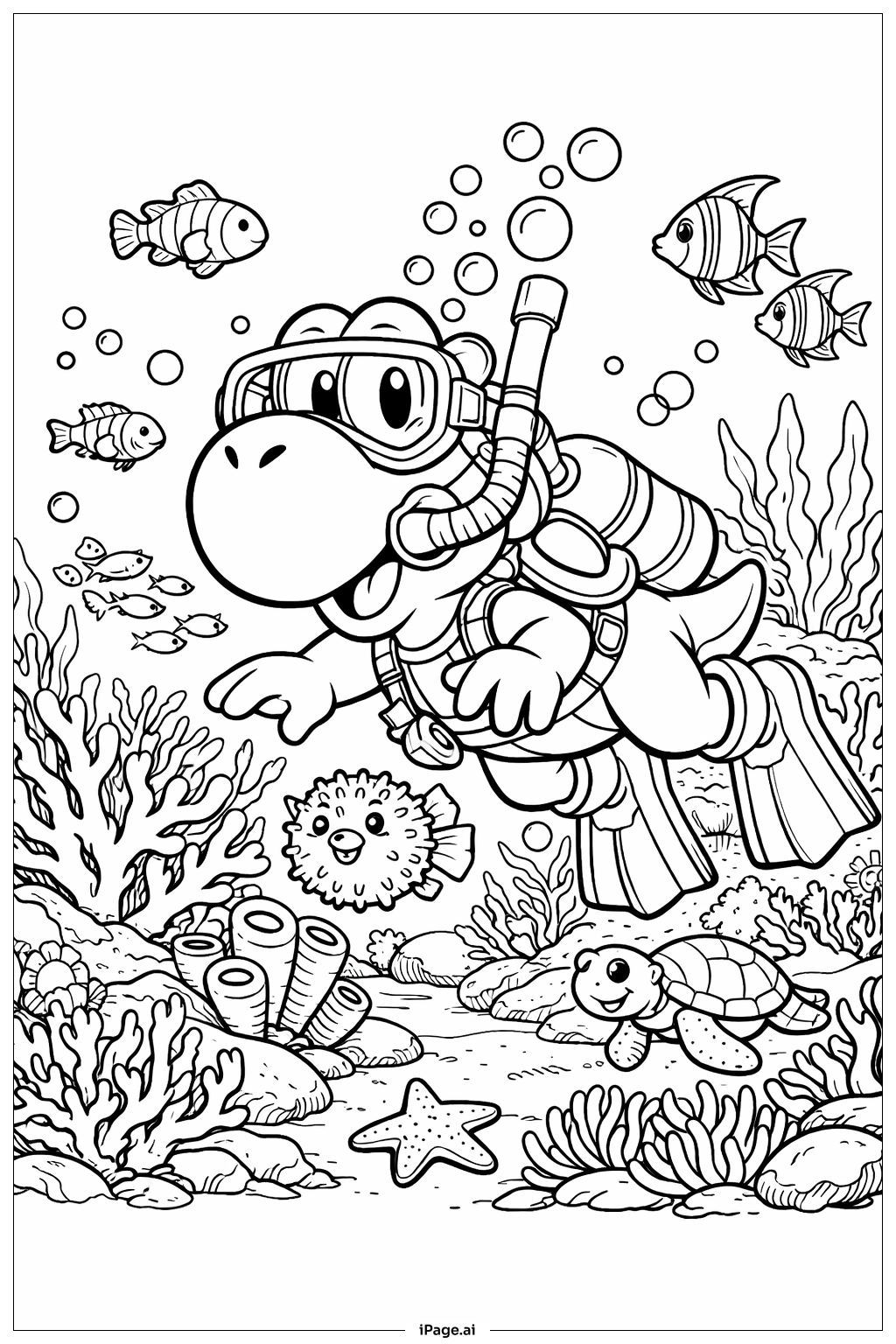
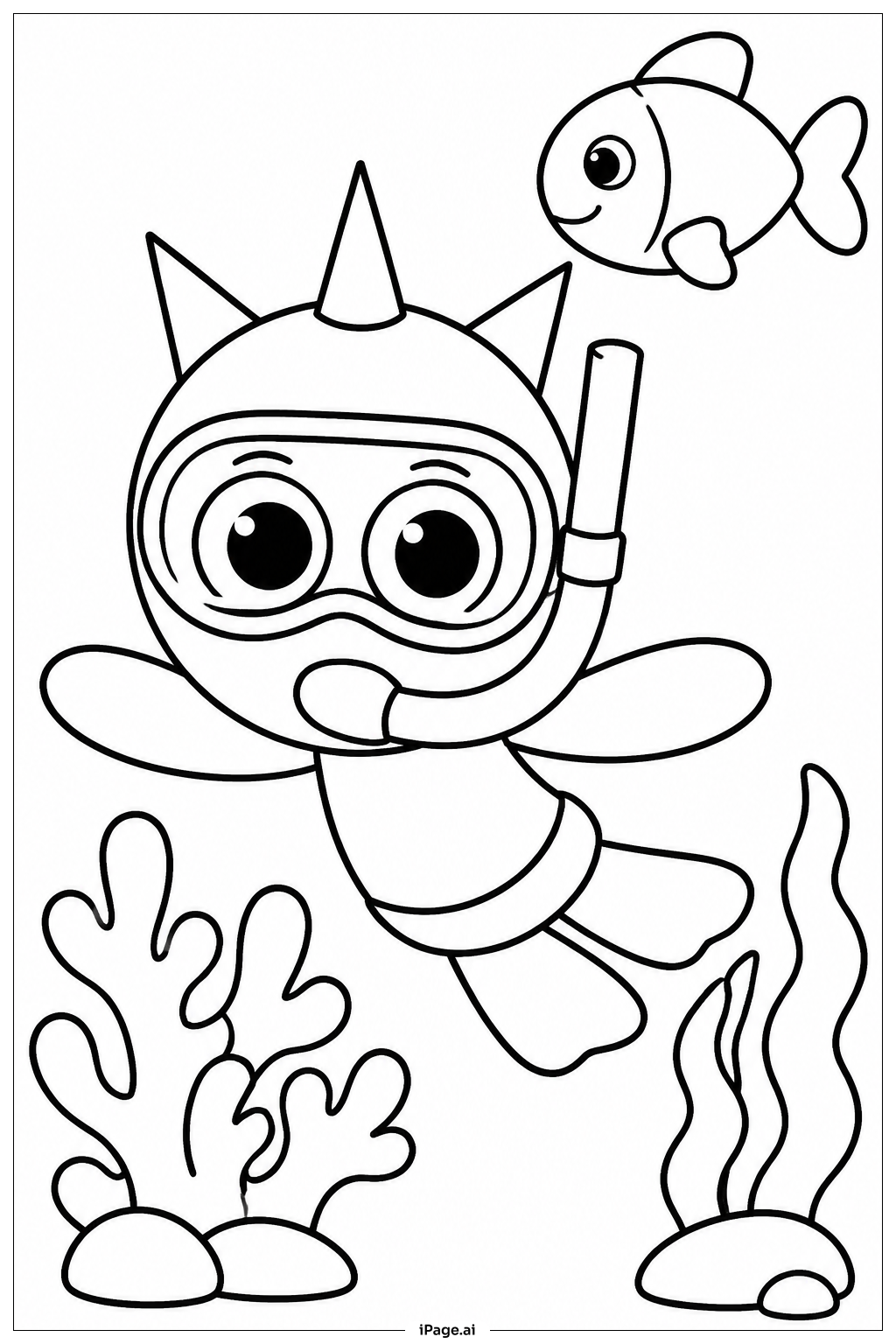
Use bright and vibrant colors to bring the undersea world to life. Consider using different shades of blue for the water to create depth. Color the coral reefs in warm tones like reds, oranges, and yellows to make them stand out. Sprunki can be colored in your favorite bright colors to make the character pop. Use greens for seaweed and different colors for the sea creatures, such as starfish in orange or pink and fish in yellow or purple. Add soft pastel colors for the bubbles to show transparency. Don't be afraid to mix colors to make the scene cheerful and full of energy.
Coloring challenges: Which parts are difficult to color and need attention for Sprunki Undersea Playground coloring page?
• Fine Details: The coral reefs and sea creatures have many small shapes and intricate lines. Coloring within these areas may require patience and control to avoid going outside the lines. • Color Blending: Creating a realistic underwater effect often involves blending different shades of blue and green. Achieving smooth color transitions can be challenging for beginners. • Layering Objects: Some parts of the image overlap, such as seaweed in front of rocks or bubbles near Sprunki. Coloring overlapping areas carefully to maintain depth can be tricky. • Texture Representation: The roughness of coral and the softness of seaweed demand different coloring techniques to represent texture well, which can be hard to master. • Space Management: Balancing color choices between background elements and Sprunki without overpowering the main character requires thoughtful planning.
Benefits of coloring books: Advantages of drawing Sprunki Undersea Playground coloring page
Coloring this Sprunki Undersea Playground image helps develop fine motor skills, as children use precision to fill small details. It encourages creativity by allowing kids to experiment with colors and patterns in an imaginative underwater setting. The image also supports color recognition and blending practice, especially with the variety of blue tones and bright coral colors. Additionally, focusing on the overlapping objects helps improve spatial awareness and visual perception. Lastly, coloring this joyful scene can be relaxing and boost concentration, making it a fun and educational activity for children aged 4 to 16.