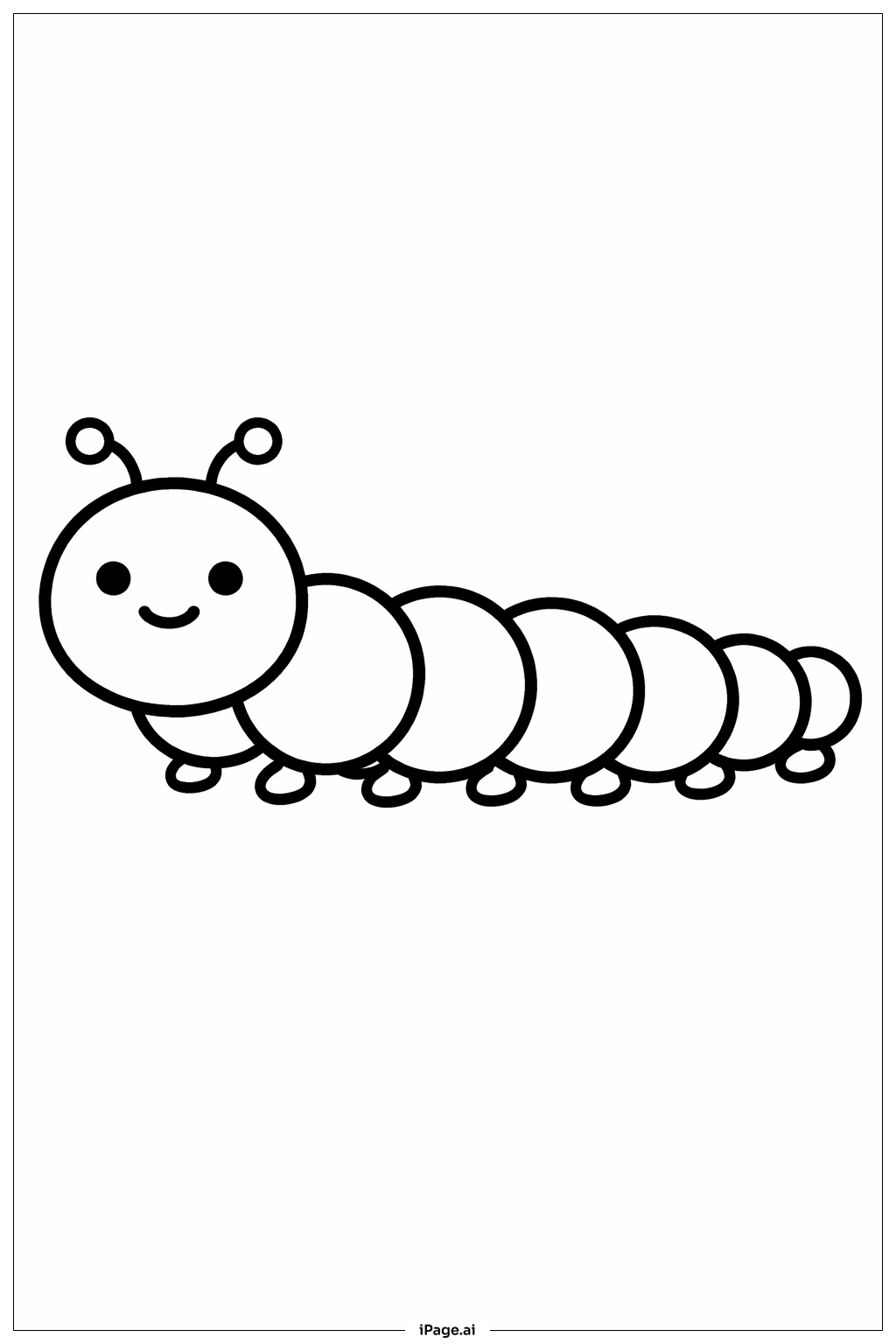
Coloring tips: How to color Spring Happy Caterpillar coloring page well?
Start with the caterpillar's body by choosing bright, cheerful colors like green, yellow, or orange. Try making each body segment a different color to give it a playful, rainbow look. Use a light pink or peach for the caterpillar's round face, and color the eyes with dark brown or black for a bold, friendly expression. For the flowers, pick spring shades like pink, purple, red, and yellow to make them pop. Color the leaves and vines in different shades of green, such as lime green for smaller leaves and darker green for bigger ones. Add light blue or soft purple to any background space to suggest a clear spring sky. Use colored pencils for the fine details like antennae and leaf veins, and broader markers or crayons for filling in the larger sections. Don't be afraid to mix colors and try new combinations. There are no wrong choices here. Have fun and let your imagination bloom just like spring!
Coloring challenges: Which parts are difficult to color and need attention for Spring Happy Caterpillar coloring page?
• Segmented Body Consistency: The caterpillar's body is made up of multiple rounded segments placed closely together. Keeping each segment neatly colored without the colors bleeding into one another can be tricky, especially for younger children. Take your time at the edges between segments and use a fine-tipped tool for better control.
• Facial Detail Work: The caterpillar's face includes small features like eyes, a smile, and possibly rosy cheeks. These areas are tiny and require careful, precise coloring. Using sharp colored pencils rather than thick crayons will help you stay within the small outlines and bring the face to life with expression.
• Flower Petal Separation: The blooming flowers around the caterpillar have multiple petals that sit close together. Coloring each petal a slightly different shade or keeping clear color boundaries between petals takes patience. Rushing through this section can cause colors to mix in unwanted ways.
• Leaf and Vine Details: The leaves and vines have delicate veins and curved edges that add texture to the image. Coloring around these fine lines without covering them up requires a steady hand. Consider leaving the vein lines uncolored or using a very light shade to highlight the natural leaf structure.
• Overall Color Balance: With so many elements in the scene, including the caterpillar, flowers, and leaves, it can be challenging to keep the overall image looking balanced and harmonious. Try to plan your color choices ahead of time so that no single area feels too heavy or too dull compared to the rest.
Benefits of coloring books: Advantages of drawing Spring Happy Caterpillar coloring page
Coloring this Spring Happy Caterpillar page offers a wide range of benefits for children and beginners alike. First, it helps build fine motor skills. Carefully coloring within the lines of the caterpillar's small segments and the flower petals trains the hands and fingers to move with greater control and precision. This is especially valuable for young children still developing their grip and hand-eye coordination. Second, it encourages creativity and self-expression. Choosing colors for each part of the caterpillar and the surrounding flowers gives kids the freedom to create their own unique version of the scene. There are no wrong answers, which builds confidence and a love of art. Third, it introduces children to nature and the wonders of spring. The image connects kids to real-world concepts like insects, flowers, and plant growth, sparking curiosity about the natural world. Fourth, coloring is a calming and focused activity. Sitting quietly and working through a detailed image helps children practice patience and concentration, skills that are useful in school and everyday life. Finally, completing the page gives a real sense of accomplishment, encouraging kids to take pride in their work and stay motivated to keep creating.