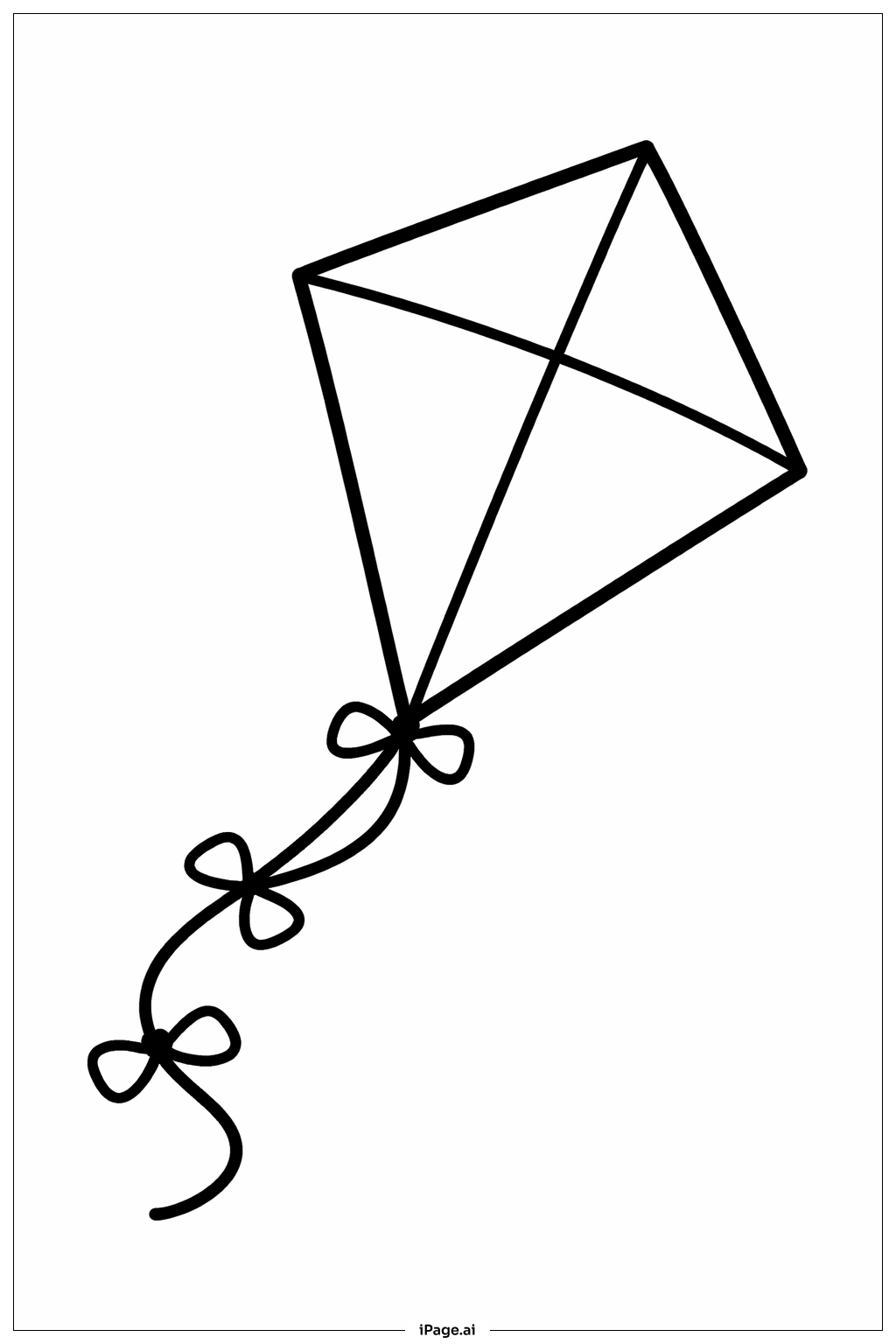
Coloring tips: How to color Spring Flying Kite coloring page well?
Start with the sky. Use a soft, light blue for the background and add white or pale gray for the fluffy clouds. Color the grassy hill in bright green, and use yellow, pink, red, and purple for the blooming flowers to make them pop. For the kite, pick bold and cheerful colors like red, orange, or yellow. Use a contrasting color for each section of the kite to make it stand out against the sky. The tail can be colored in stripes using two or three alternating colors. Color the trees in medium and dark green, adding a brown trunk to ground them. For the child, use skin-tone colors for the face and hands, and pick a fun outfit in bright colors like blue, green, or orange. The birds can be left light gray or colored in soft brown. Try to keep the overall palette bright and cheerful to capture the lively feel of a spring day outdoors.
Coloring challenges: Which parts are difficult to color and need attention for Spring Flying Kite coloring page?
• Sky and Cloud Blending: The open sky takes up a large area of the page. Keeping the blue even and smooth without streaks can be tricky, especially for younger colorists. Leaving the cloud shapes uncolored while filling in the sky around them requires a steady hand and careful attention to the edges of each cloud shape.
• Kite Section Coloring: The kite is divided into smaller geometric sections. Each section needs to be colored neatly within its boundaries. Choosing colors that look good next to each other while keeping each section distinct is a fun but challenging design decision. If the sections are small, using thin markers or sharpened colored pencils will help stay inside the lines.
• Flowing Kite Tail: The tail has a long, curving shape with ribbon-like sections. Coloring alternating colors along the tail in a consistent pattern takes patience. The curved lines can make it hard to control the direction of strokes, especially with crayons or broad-tipped markers.
• Flower Details on the Ground: The flowers scattered across the grassy hill include small petals and centers. These tiny details require precision tools like fine-tipped markers or colored pencils. Rushing through these areas can result in colors bleeding into each other or into the green grass.
• Figure Outline and Clothing: Coloring the child figure involves small areas such as the face, hands, and clothing details. These areas demand careful control to avoid going outside the lines. Selecting realistic or creative color combinations for the outfit adds another layer of thoughtful decision-making for colorists of all ages.
Benefits of coloring books: Advantages of drawing Spring Flying Kite coloring page
Coloring this Spring Flying Kite page offers a wide range of benefits for kids of all ages. First, it helps build fine motor skills. Carefully filling in small areas like flower petals, the kite sections, and the child figure strengthens hand muscles and improves pencil control. These skills carry over into writing and other hands-on activities. Second, it encourages creativity. Choosing colors for the kite, the sky, and the flowers invites kids to make their own artistic decisions. There are no wrong answers, which builds confidence and imagination. Third, it supports focus and patience. Staying within the lines and working through the different parts of the scene teaches kids to slow down and concentrate. This kind of calm, focused activity is great for reducing stress and anxiety. Fourth, it connects children to nature and the seasons. The imagery of kites, flowers, grass, and birds helps spark curiosity about spring and the outdoors. It can lead to conversations about weather, plants, and outdoor play. Finally, finishing the page gives a real sense of accomplishment. Seeing a completed, colorful artwork boosts self-esteem and motivates kids to keep creating.