Coloring tips: How to color Spring Bumble Bee coloring page well?
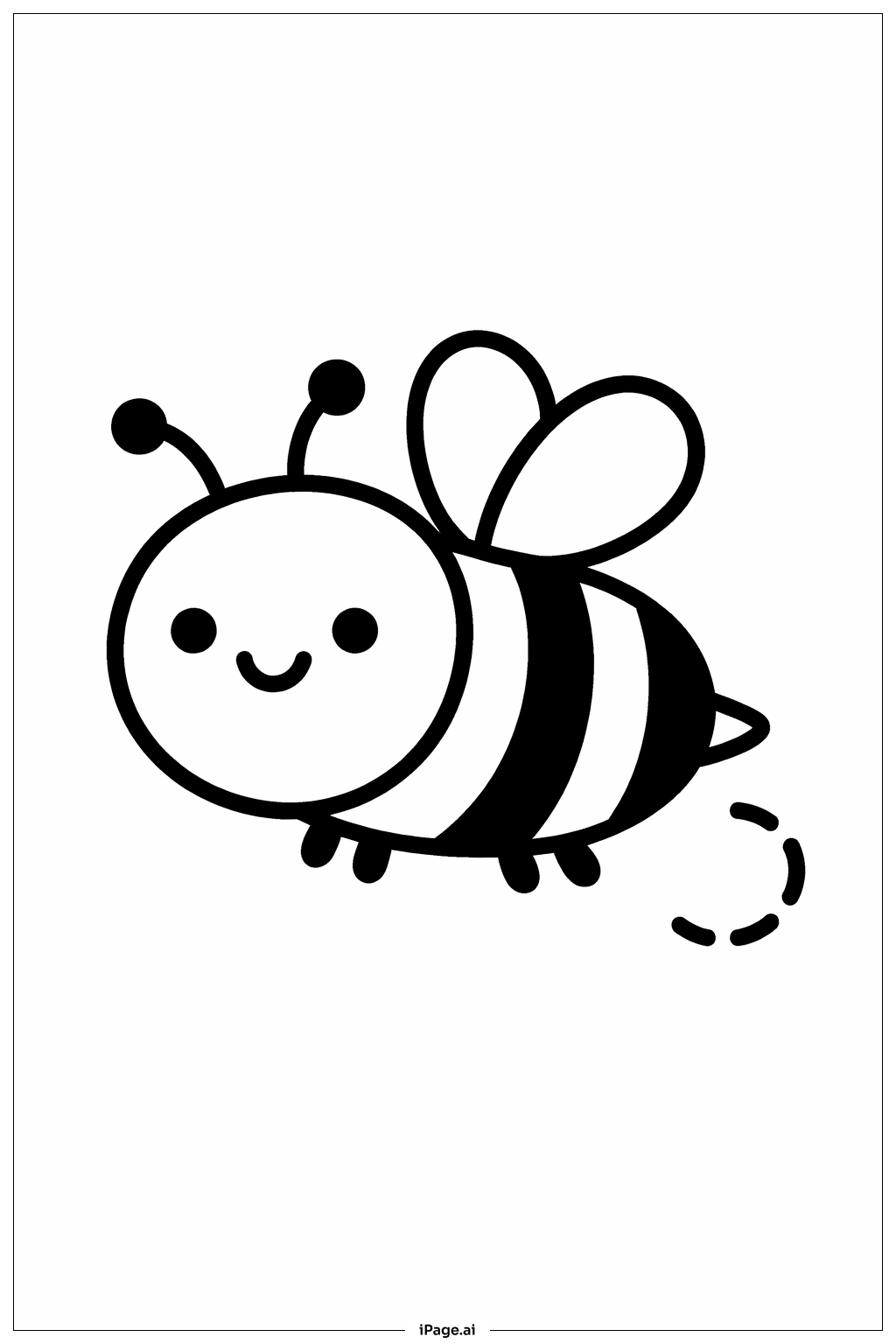
Start with the bumble bee by coloring the stripes in classic yellow and black, leaving the fuzzy texture in mind as you fill each section. The wings can be colored in light blue, lavender, or left with just a pale gray tint to show their translucent quality. For the flowers, use bright spring colors like pink, purple, yellow, or orange for the petals, and add yellow or brown centers. Color the leaves in various shades of green, from light lime to deep forest green, to create depth and variety. Consider adding a light blue sky background or keeping it simple with white space. You can use colored pencils for soft blending on the bee's fuzzy body, or markers for bold, vibrant flowers that really pop.
Coloring challenges: Which parts are difficult to color and need attention for Spring Bumble Bee coloring page?
• Stripe Precision: The bumble bee's body features alternating stripes that require careful coloring to maintain clean, distinct bands. Young colorists may find it challenging to stay within the curved stripe boundaries, especially where the body rounds. Taking time and using the tip of the coloring tool helps achieve neat results.
• Wing Details: The bee's wings contain delicate vein patterns that create small sections. These thin lines and tiny spaces can be tricky to color without going over the lines. Older children and adults may enjoy the challenge of adding subtle shading to show the wings' translucent nature, while younger children might choose to leave them uncolored or use very light colors.
• Layered Petals: The flowers have overlapping petals that create depth in the image. Distinguishing between the front and back petals requires attention, and deciding on color variations or shading techniques can be challenging. Using lighter and darker shades of the same color family helps create a three-dimensional effect.
• Small Decorative Elements: The image includes small details like flower centers, leaf veins, and grass blades that require precision. These tiny areas can be difficult for younger children with developing fine motor skills, but they offer great practice for hand-eye coordination and control.
Benefits of coloring books: Advantages of drawing Spring Bumble Bee coloring page
Coloring this Spring Bumble Bee page helps children learn about nature and the important role bees play in our environment. It encourages an appreciation for insects and flowers while developing fine motor skills through the precise coloring required for stripes and small details. The variety of elements, from the bee's fuzzy body to delicate flower petals, allows children to practice different coloring techniques and experiment with color combinations. This activity promotes focus and concentration as children work on the detailed areas, while also encouraging creativity in choosing spring colors. The cheerful subject matter creates a positive, calming coloring experience that celebrates the joy and renewal of springtime, making it perfect for children aged 4-16 and even adults who enjoy relaxing with coloring activities.