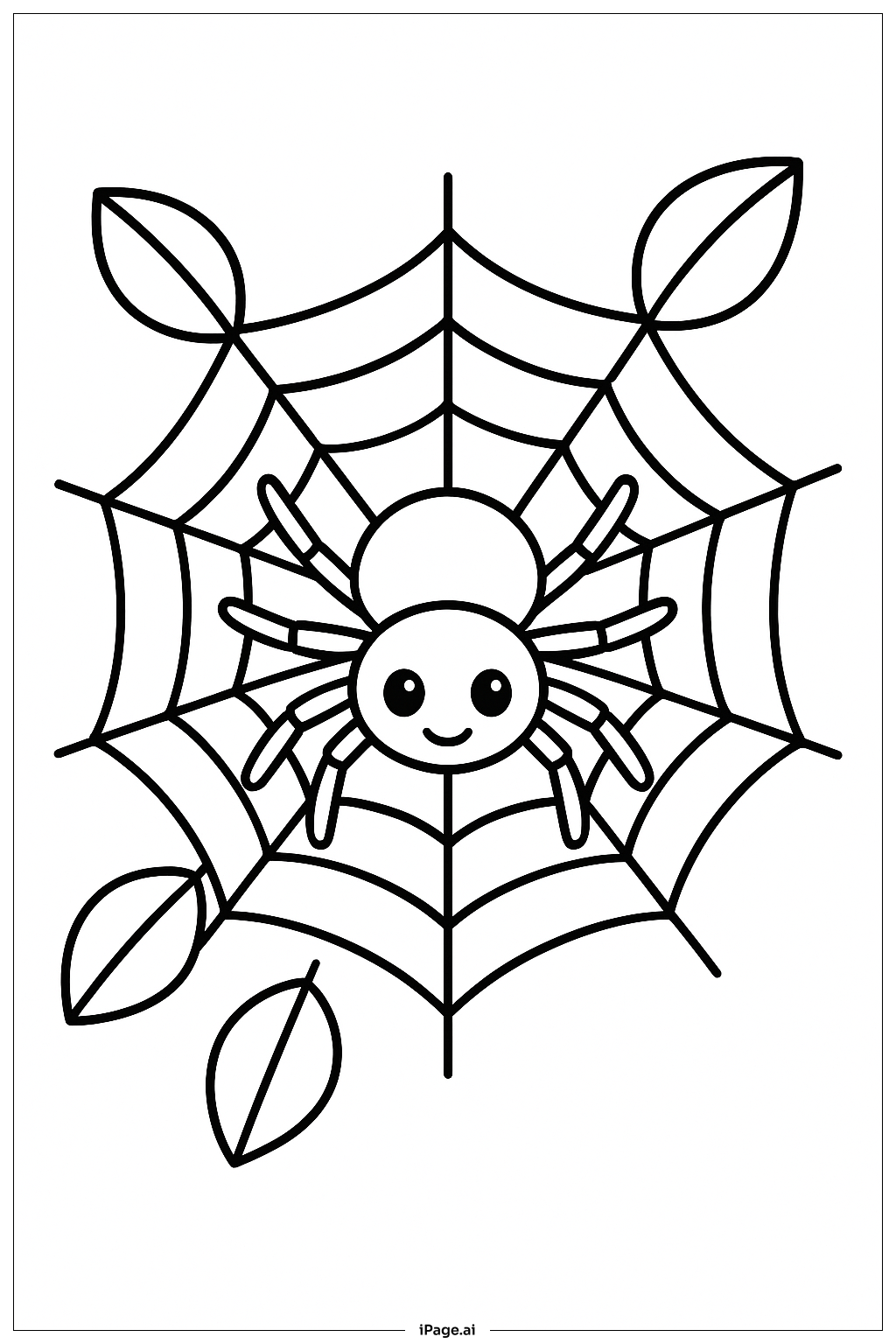
Coloring tips: How to color Spider on Web coloring page well?
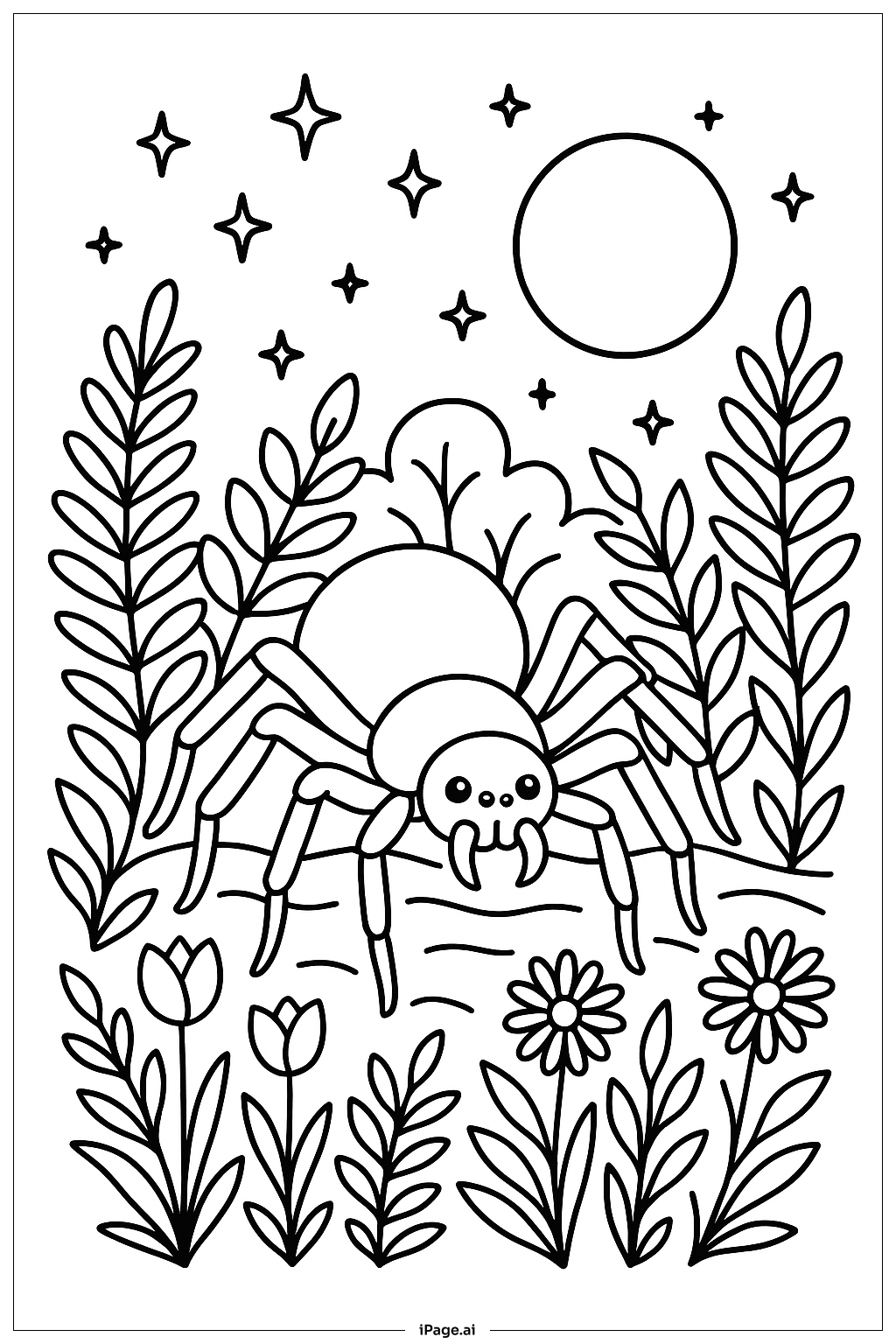
For the spider, consider using dark browns, blacks, or even bold colors like orange and yellow to create striking patterns on the body. You might add shading to the abdomen to give it dimension and depth. The legs can be colored with alternating bands of darker and lighter tones to emphasize their segmented structure. For the web, silver, white, or light blue can create a delicate, shimmering effect, especially if you use metallic or gel pens. Alternatively, you could color the web with pale yellows or grays to make it visible while keeping it subtle. The background offers creative freedom - try a night sky with purples and blues, a sunny garden with greens and yellows, or even leave it white to make the spider and web stand out prominently.
Coloring challenges: Which parts are difficult to color and need attention for Spider on Web coloring page?
• Intricate Web Lines: The delicate threads of the web require steady hand control and patience. The thin lines connecting the radial spokes can be challenging to color without accidentally going outside the boundaries. Younger children may find it difficult to stay within these fine lines, while older colorists can use this as an opportunity to practice precision with fine-tipped markers or colored pencils.
• Spider Leg Details: The eight legs feature multiple segments and joints that need careful attention to create a realistic appearance. Coloring each segment individually while maintaining consistent color transitions can be tricky. Adding shading to show the cylindrical shape of each leg segment requires understanding of light and shadow placement.
• Creating Depth and Dimension: Making the spider appear three-dimensional rather than flat requires strategic use of darker and lighter shades. The rounded abdomen needs gradual color transitions from highlight to shadow areas. Similarly, making the web appear to recede into space while the spider sits prominently in the foreground demands thoughtful color choices and value contrast.
• Maintaining Consistency: With so many repetitive elements like web segments and leg parts, keeping colors and shading patterns consistent throughout the entire image can be challenging. This requires planning before starting and maintaining focus throughout the coloring process to ensure a cohesive final result.
Benefits of coloring books: Advantages of drawing Spider on Web coloring page
Coloring this spider web design offers excellent benefits for developing fine motor skills and hand-eye coordination, especially when working with the delicate web threads. The repetitive patterns in the web structure provide a calming, meditative experience that can reduce stress and promote relaxation. This image encourages careful observation of nature's geometry and the fascinating architecture that spiders create. Children can learn about spider anatomy while developing patience and attention to detail. The combination of bold shapes and fine lines allows colorists to practice different techniques and experiment with various coloring tools. Completing this detailed image builds confidence and provides a sense of accomplishment, while also fostering appreciation for these important creatures in our ecosystem.