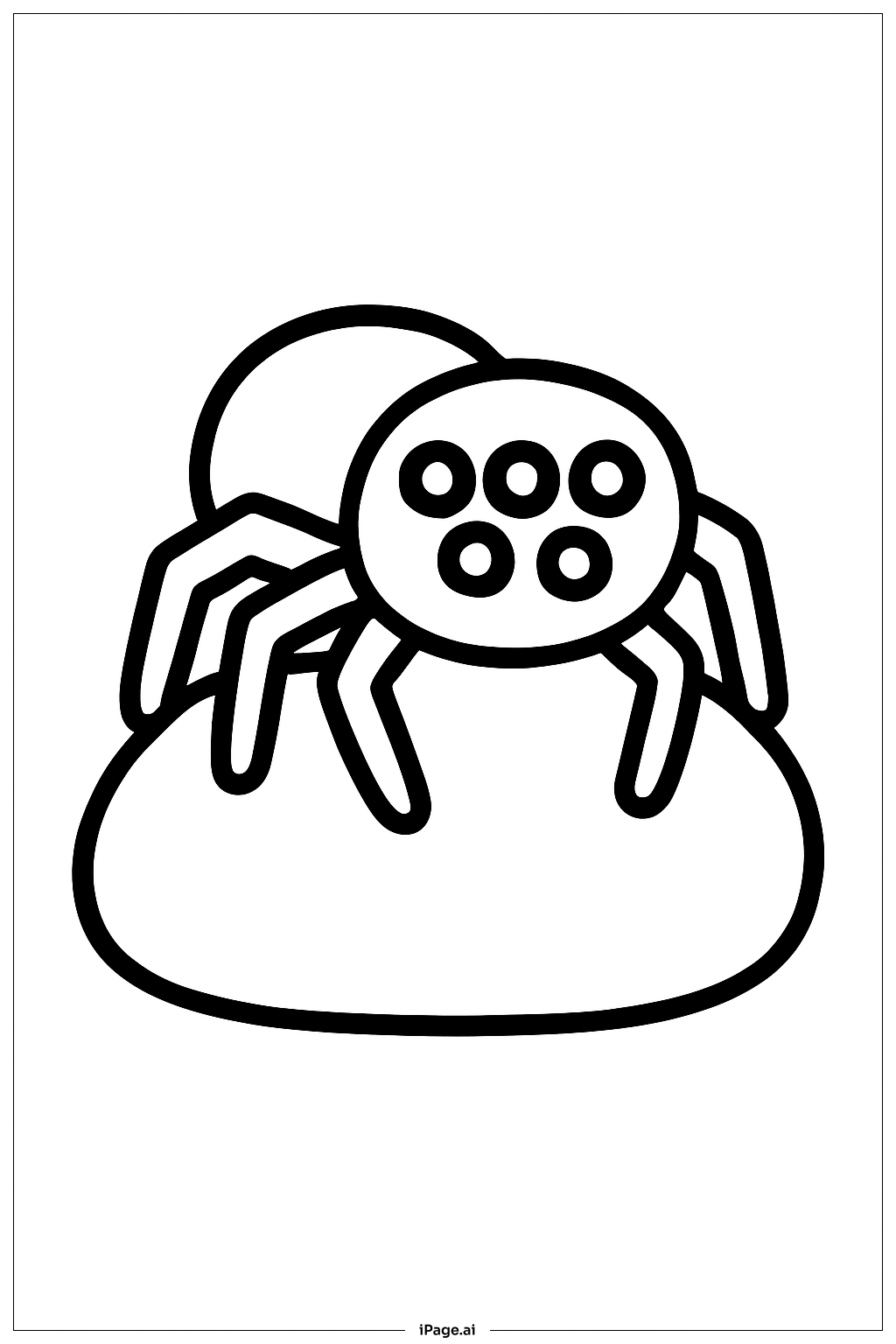
Coloring tips: How to color Spider on Rock coloring page well?
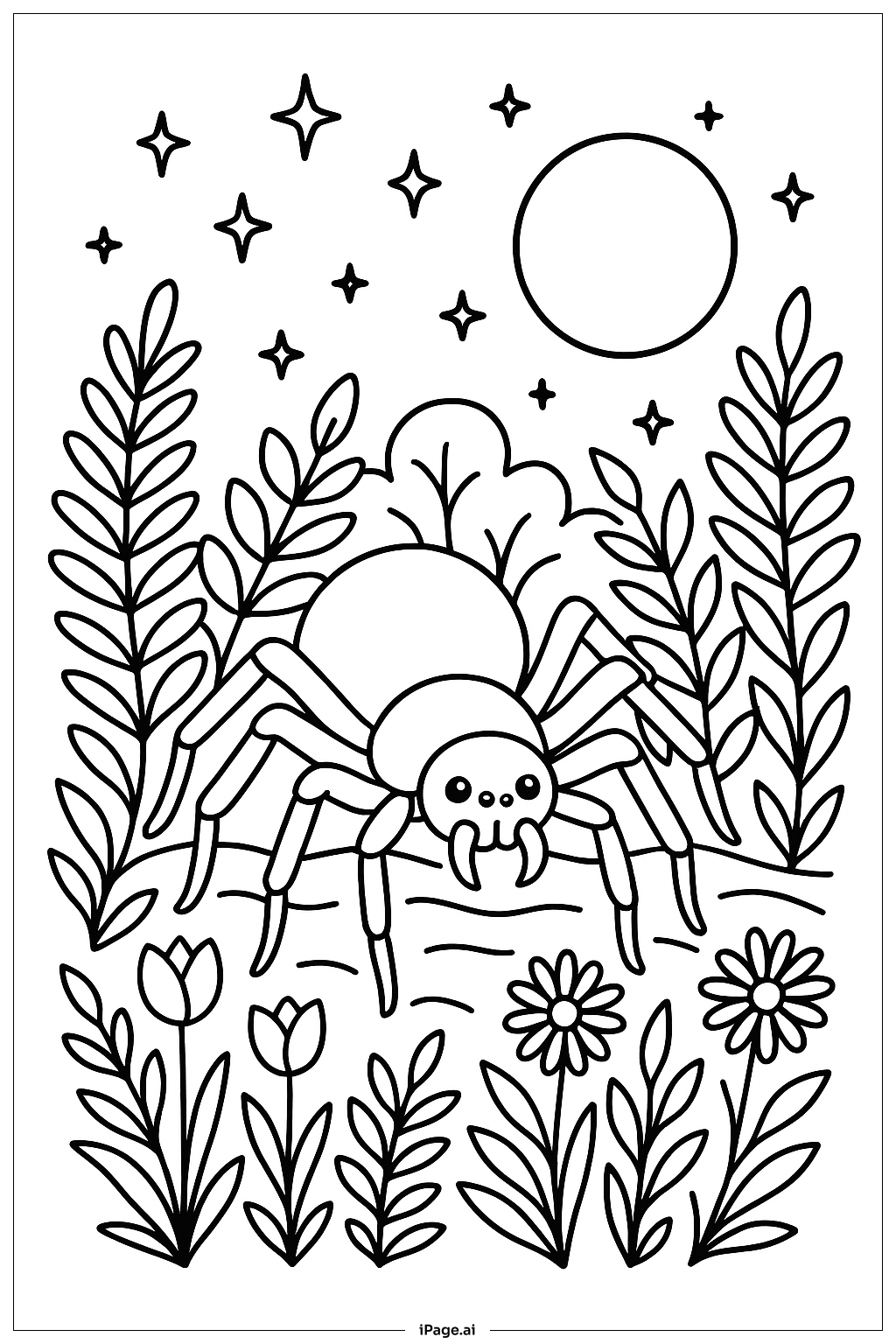
For coloring, you can use browns, blacks, or grays for the spider's body to make it look realistic. You can also add some bright colors if you want to make it look more fun or magical. The rock can be shaded with different tones of gray or brown to show its texture. Use darker shades on one side of the rock to give it a shadow effect and lighter tones where the light hits it. Try coloring the spider's eyes differently to make them stand out. Feel free to be creative with colors in the background to add a natural environment like green grass or blue sky if you want.
Coloring challenges: Which parts are difficult to color and need attention for Spider on Rock coloring page?
1. The spider's legs are thin and close to each other, which may be hard to color carefully without going outside the lines.
2. The five eyes on the spider's head are small, so coloring inside those circles requires precision.
3. Creating a realistic rock texture with shading and shadows can be challenging for beginner colorers.
4. Since the drawing is simple, adding depth and dimension while coloring can be tricky; it might be hard to avoid a flat look.
5. Balancing colors between the spider and the rock so they both stand out without clashing may take some effort.
Benefits of coloring books: Advantages of drawing Spider on Rock coloring page
Coloring this picture helps children practice fine motor skills because they need to color within small spaces like the spider’s eyes and legs. It also encourages creativity by choosing colors for the spider and the rock. This activity helps improve focus and attention to detail, as the spider’s parts require careful coloring. Moreover, learning about spiders and nature through art makes it educational and fun. Coloring the rock with shadows can teach about light and texture. Overall, this simple but detailed picture is great for developing hand-eye coordination and artistic skills.