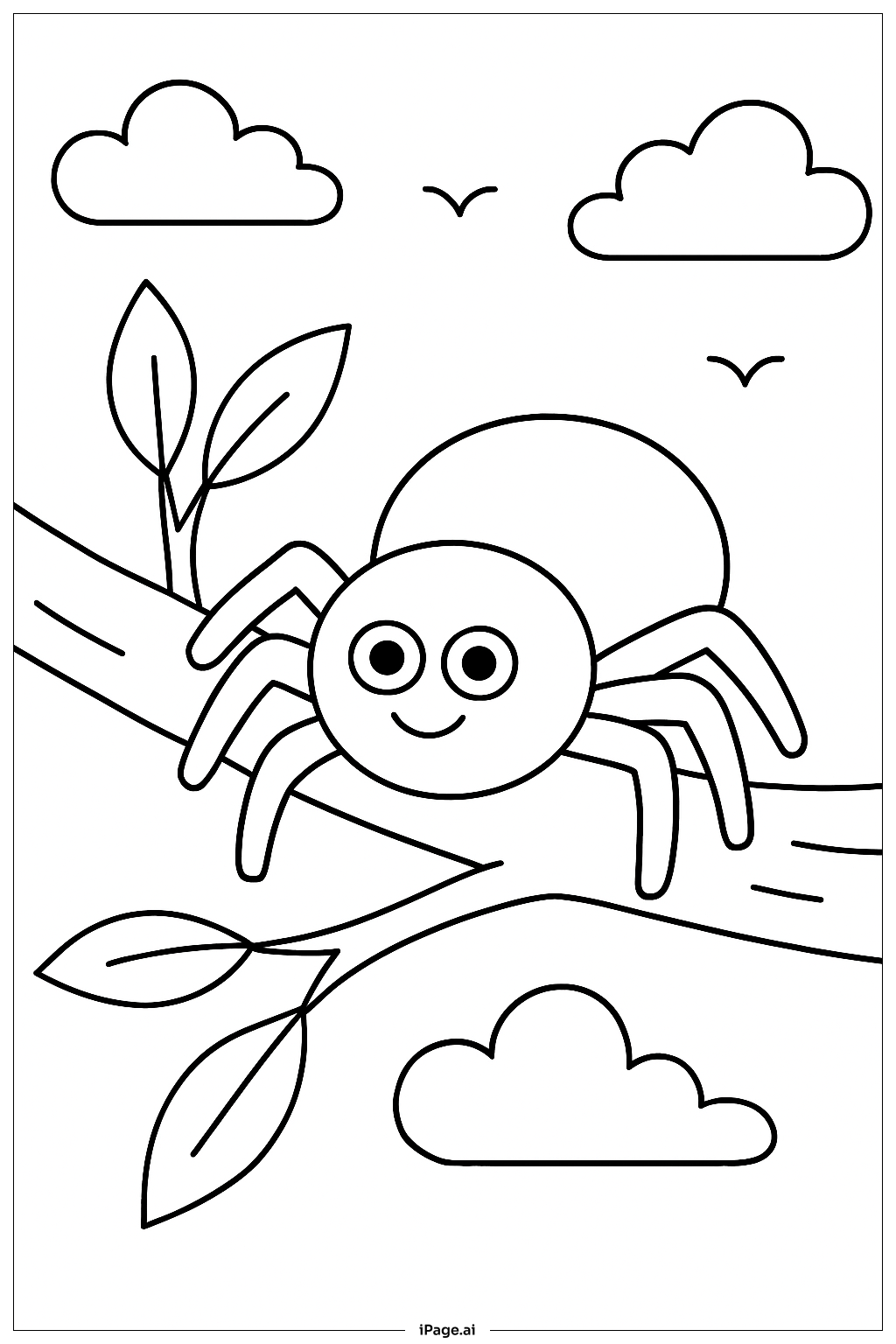
Coloring tips: How to color Spider in Tree coloring page well?
Start with the tree branches. Use brown and dark tan for the bark, and add streaks of gray or light beige to show texture. For the leaves, try bright or olive green, and mix in some yellow for variety.
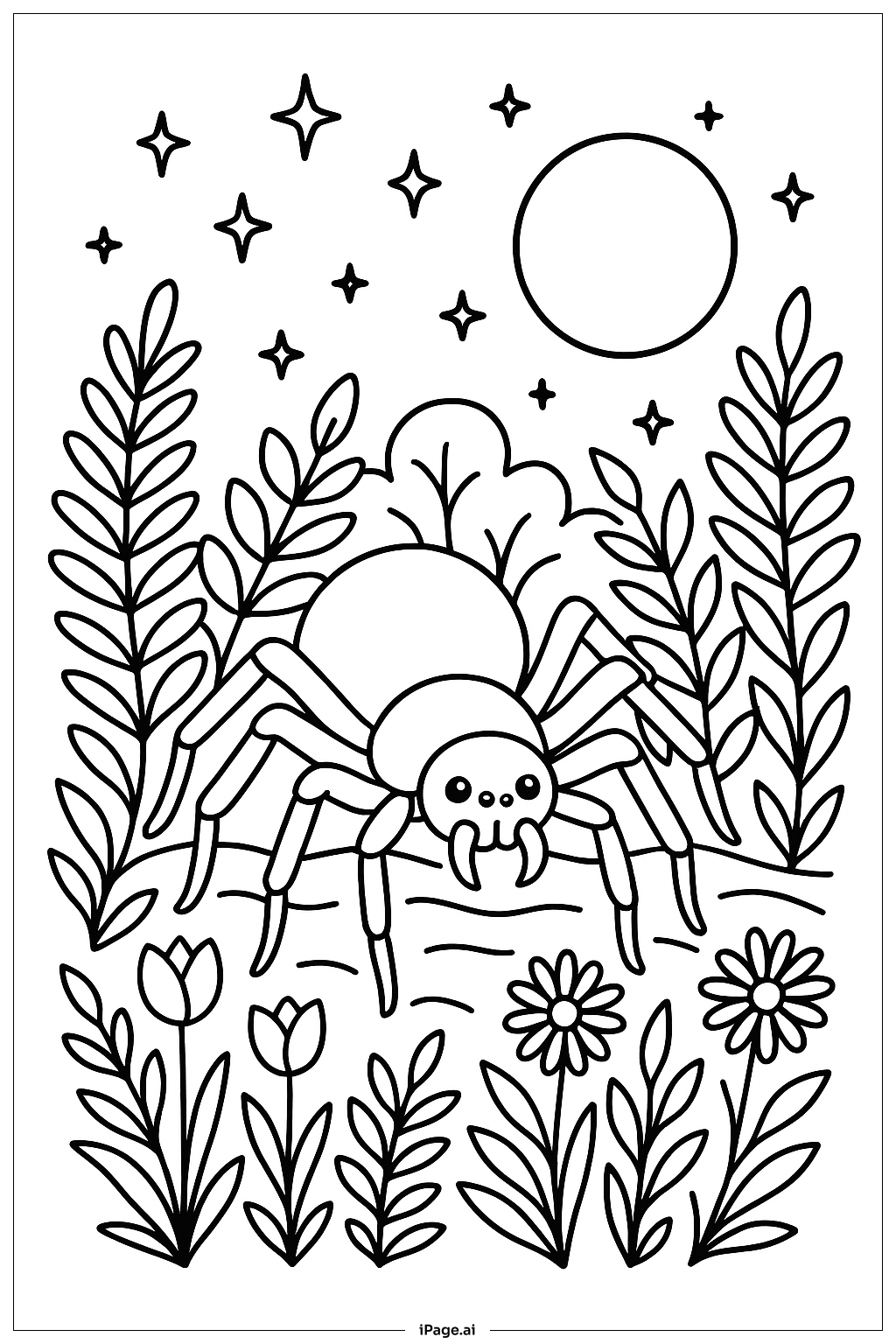
Color the spider's body in dark brown, black, or deep orange. Many spiders have bold patterns on their abdomens, so try adding yellow, red, or white spots to make it stand out. Use a lighter shade for the underbelly.
For the web, use silver, light gray, or pale blue. Press lightly so the thin lines stay delicate and realistic. If you want a magical feel, try adding a soft purple or shimmery color to the web threads.
Dewdrops on the web can be colored in light blue or left uncolored with just a soft outline. A light blue or pale yellow background can help the whole scene feel like early morning in a forest. Have fun mixing colors to make your spider truly unique!
Coloring challenges: Which parts are difficult to color and need attention for Spider in Tree coloring page?
• Spider Body Patterns: The spider's abdomen often features small, intricate markings such as dots, stripes, or geometric shapes. Staying within these tiny areas requires a fine-tipped colored pencil or marker. Rushing through this section can cause colors to bleed into one another, so take your time and work slowly with a sharp tool.
• Web Threads: The silk threads of the spider's web are among the thinnest lines in the image. Coloring them without pressing too hard is tricky. Too much pressure can darken the lines unevenly or cause them to look smudged. A light touch with a fine marker or a very sharp pencil works best here.
• Tree Bark Texture: The rough, ridged surface of the tree branches needs layering to look realistic. Simply using one flat brown shade will make the bark look dull. Try layering two or three shades of brown and gray, following the direction of the bark lines to build depth and dimension.
• Contrast Between Spider and Branch: Since both the spider and the tree branch can be dark in tone, it is easy for the spider to blend into the background. Consider using a slightly warmer or cooler shade for the spider compared to the tree so the two elements stay visually distinct.
• Small Details like Dewdrops and Leaf Edges: The tiny dewdrops on the web and the fine edges of leaves need careful attention. These small elements are easy to overlook but add a lot of life to the finished piece. Use a very light color or leave them as outlines to keep them looking fresh and delicate.
Benefits of coloring books: Advantages of drawing Spider in Tree coloring page
Coloring this Spider in Tree image offers a wonderful range of benefits for children and young artists.
Building focus and patience: The fine details of the spider's web and body patterns encourage kids to slow down, concentrate, and work carefully — skills that are useful in school and everyday life.
Learning about nature: As children color the spider and its tree habitat, they naturally become more curious about how spiders live, spin webs, and fit into the ecosystem. It is a gentle, fun introduction to biology and the natural world.
Developing fine motor skills: Coloring thin web lines and small body markings helps strengthen hand muscles and improve pencil control, which supports handwriting development.
Encouraging creativity: There are no strict rules here. Kids can choose any color combination they like, which builds confidence in creative decision-making and self-expression.
Reducing stress and anxiety: The calm, repetitive motion of coloring is known to help children relax and unwind. Focusing on a peaceful forest scene with a spider in its natural setting creates a soothing, mindful experience.
Whether it is a quiet afternoon activity or part of a classroom lesson about nature, this coloring page is a rewarding and enriching experience for kids of all ages.