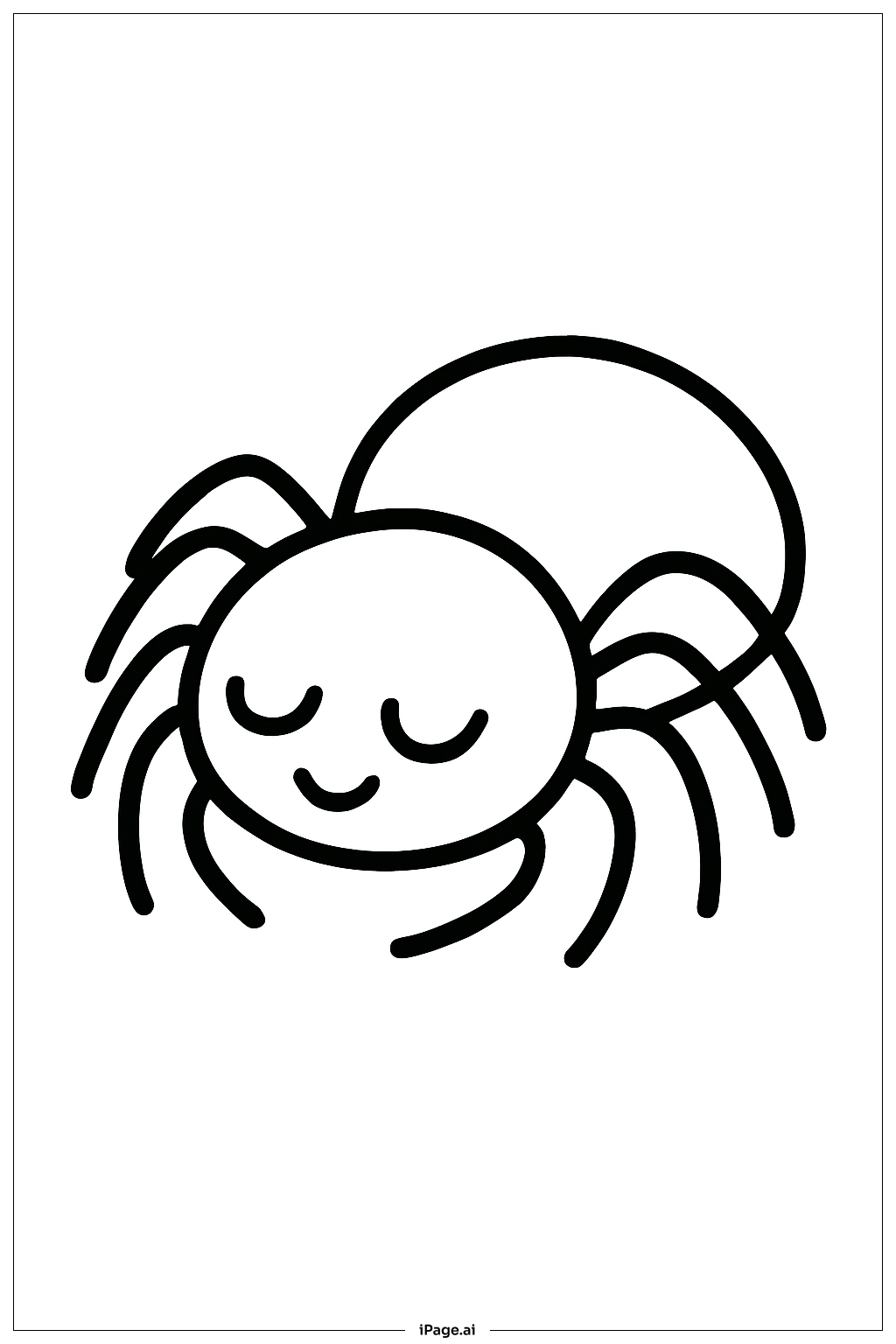
Coloring tips: How to color Sleeping Spider coloring page well?
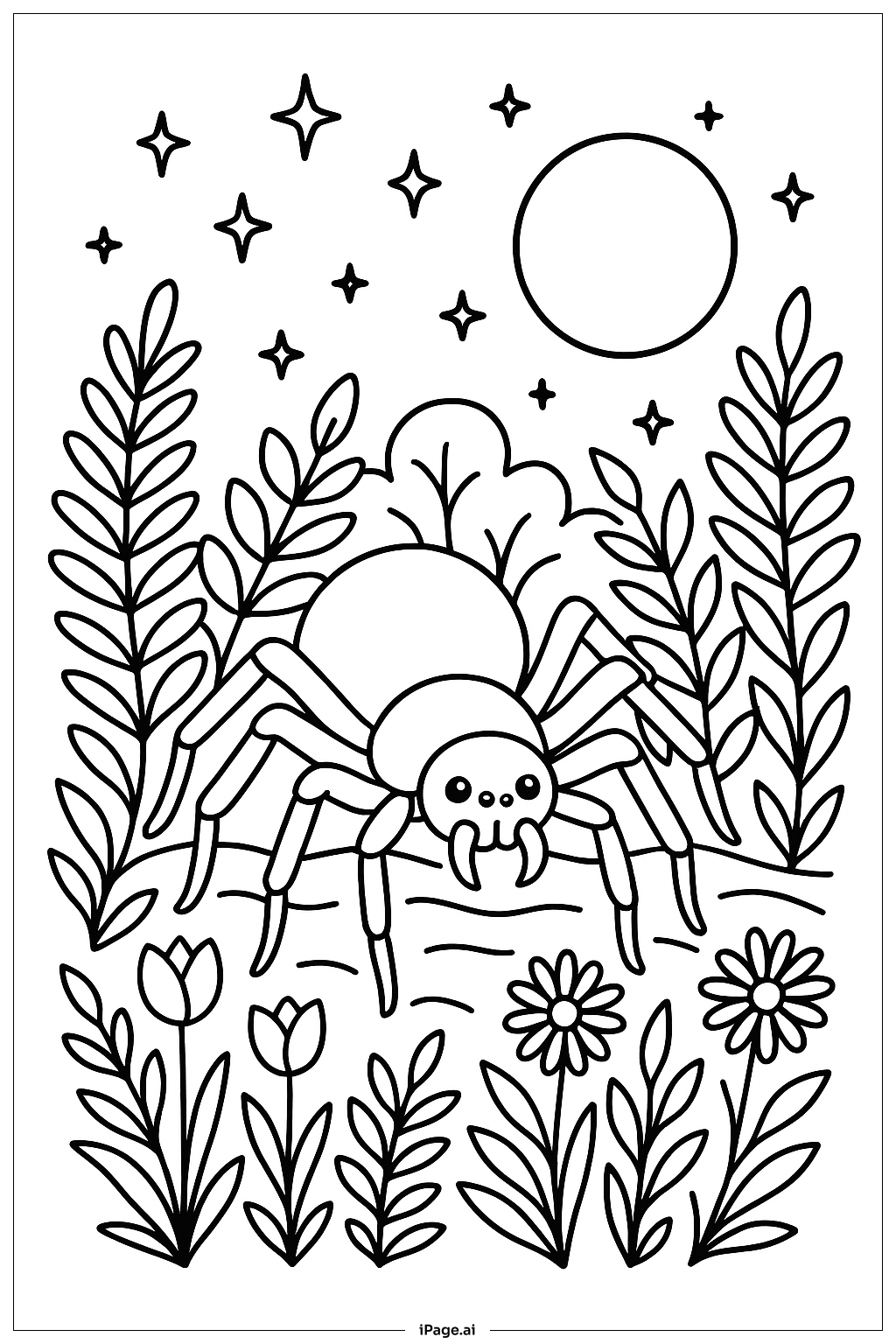
Try using warm and soft colors to make the spider feel cozy and calm. You can color the spider's body in shades of brown, tan, or even orange to create a warm look. Use light colors for the legs, such as light brown or beige. For the face, use a gentle color like pale yellow or cream to highlight the smile and closed eyes. You can add soft shadows in darker tones under the legs for depth. The background can be colored light blue or pale green to show a peaceful environment, making the sleepy spider stand out nicely.
Coloring challenges: Which parts are difficult to color and need attention for Sleeping Spider coloring page?
1. The spider's legs are thin and curved, which requires careful coloring to stay inside the lines.
2. Keeping the warm and soft color tones balanced can be tricky since too dark colors may make the spider look less cozy.
3. Adding shadows to the legs without making the picture look crowded can be difficult.
4. Coloring the facial features, especially the closed eyes and smile, needs gentle strokes to keep their soft look.
5. Choosing background colors that complement the spider without overpowering it might be challenging for young artists.
Benefits of coloring books: Advantages of drawing Sleeping Spider coloring page
Coloring this sleepy spider helps improve fine motor skills as children carefully color the small space between the legs and body. It encourages creativity by choosing warm and calming colors. It also teaches patience and attention to detail because of the delicate shapes and lines. The simple, friendly design helps build confidence in young artists by allowing them to create a lovely image easily. Finally, coloring this calm and happy spider can be relaxing and reduce stress while making a charming piece of art.