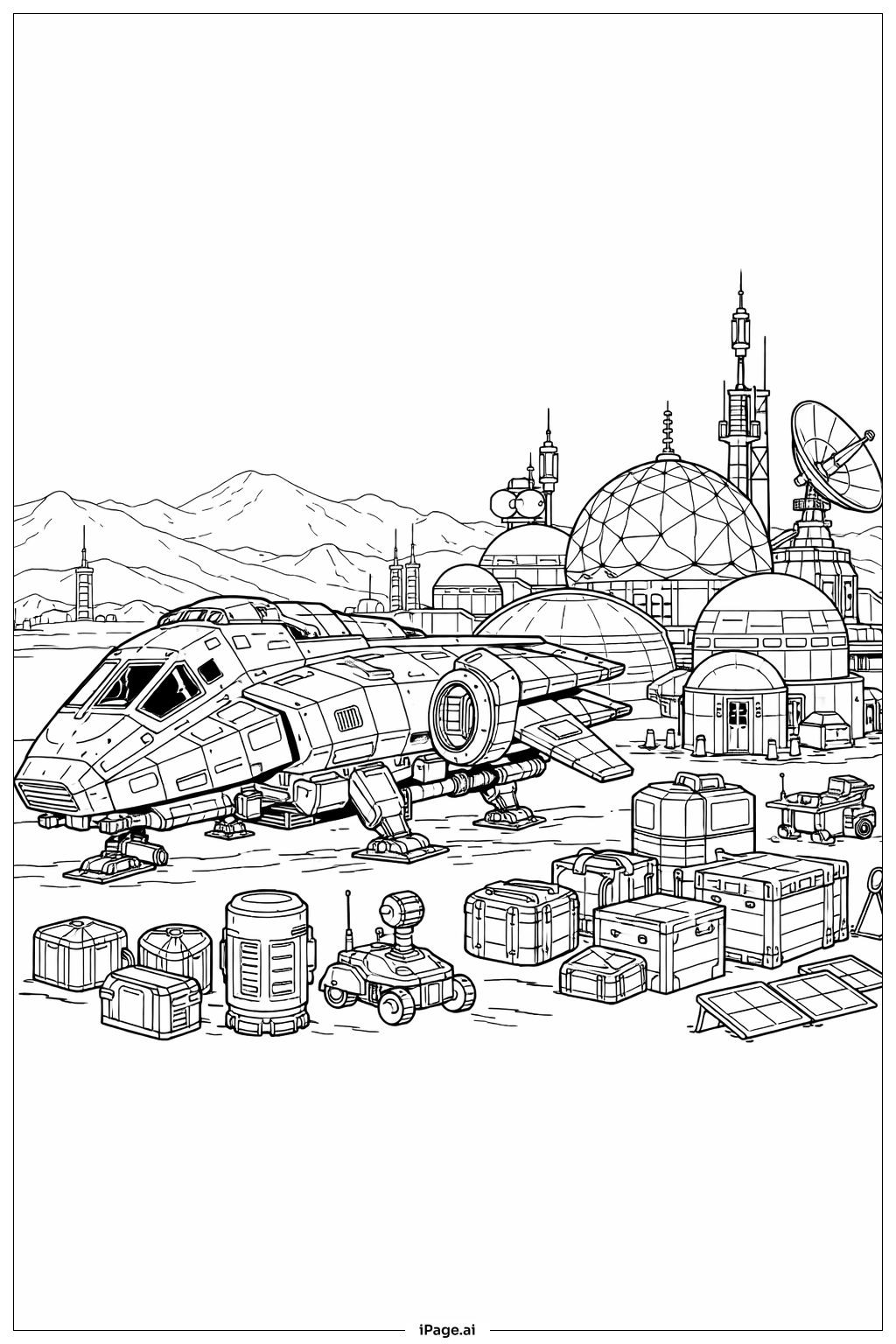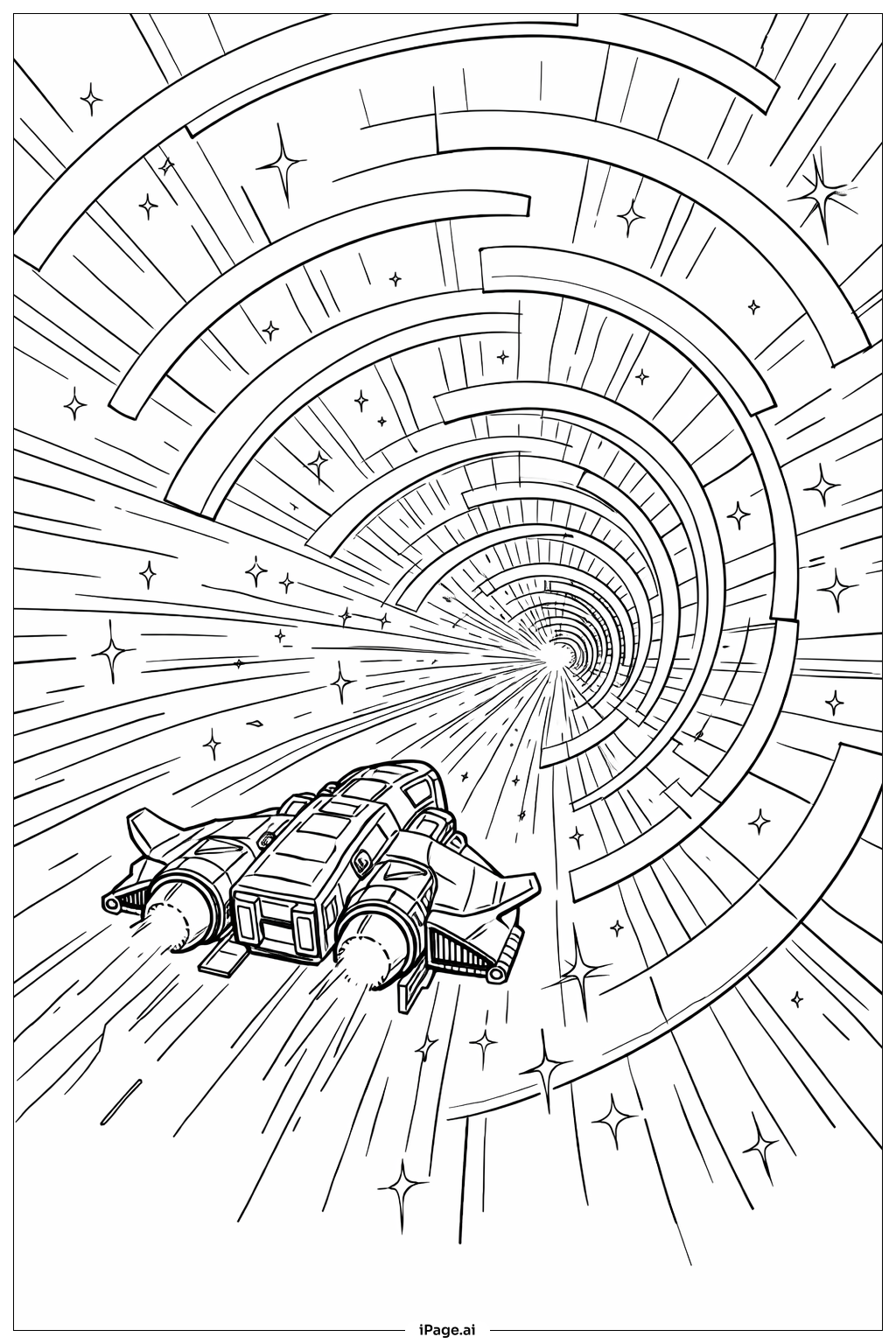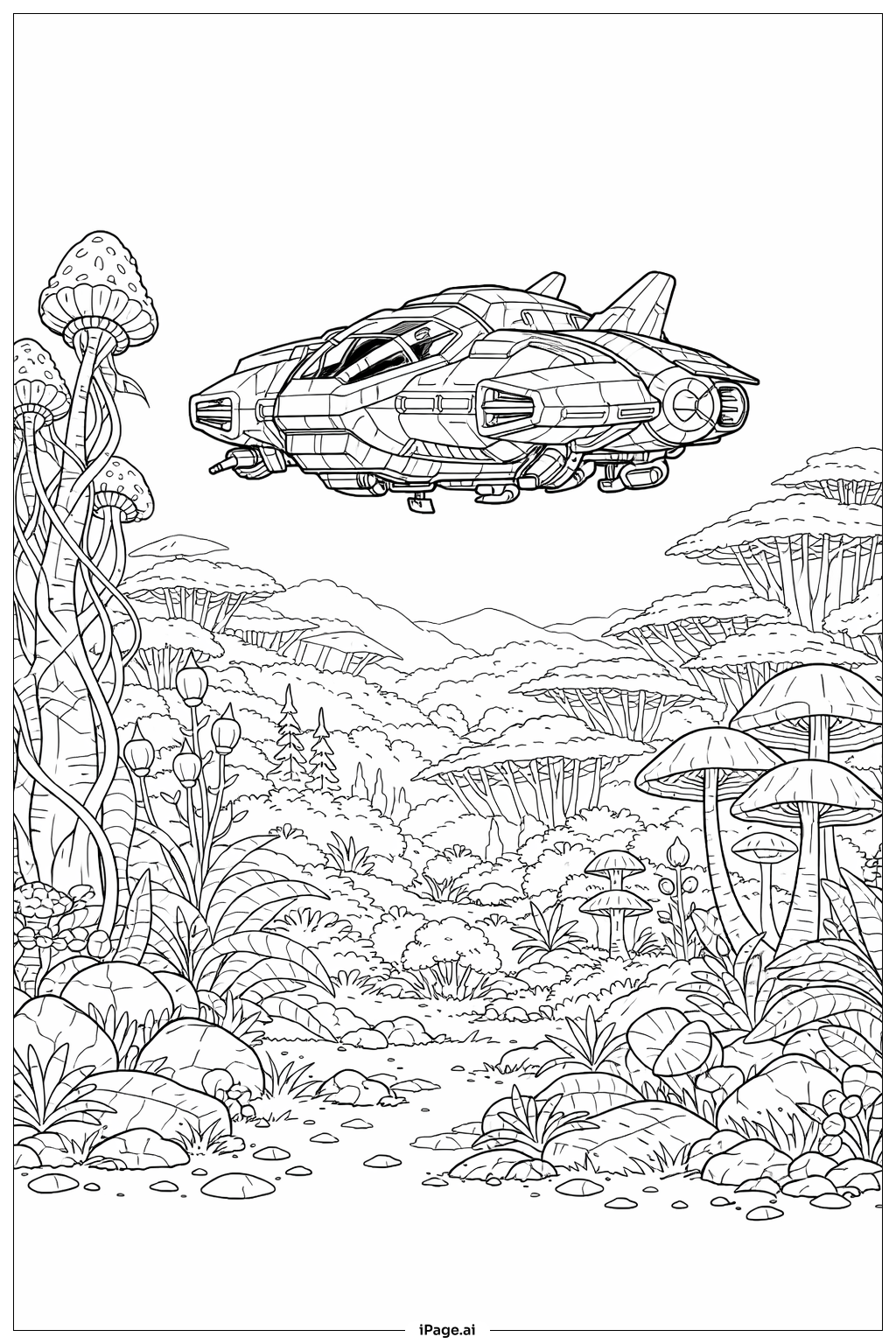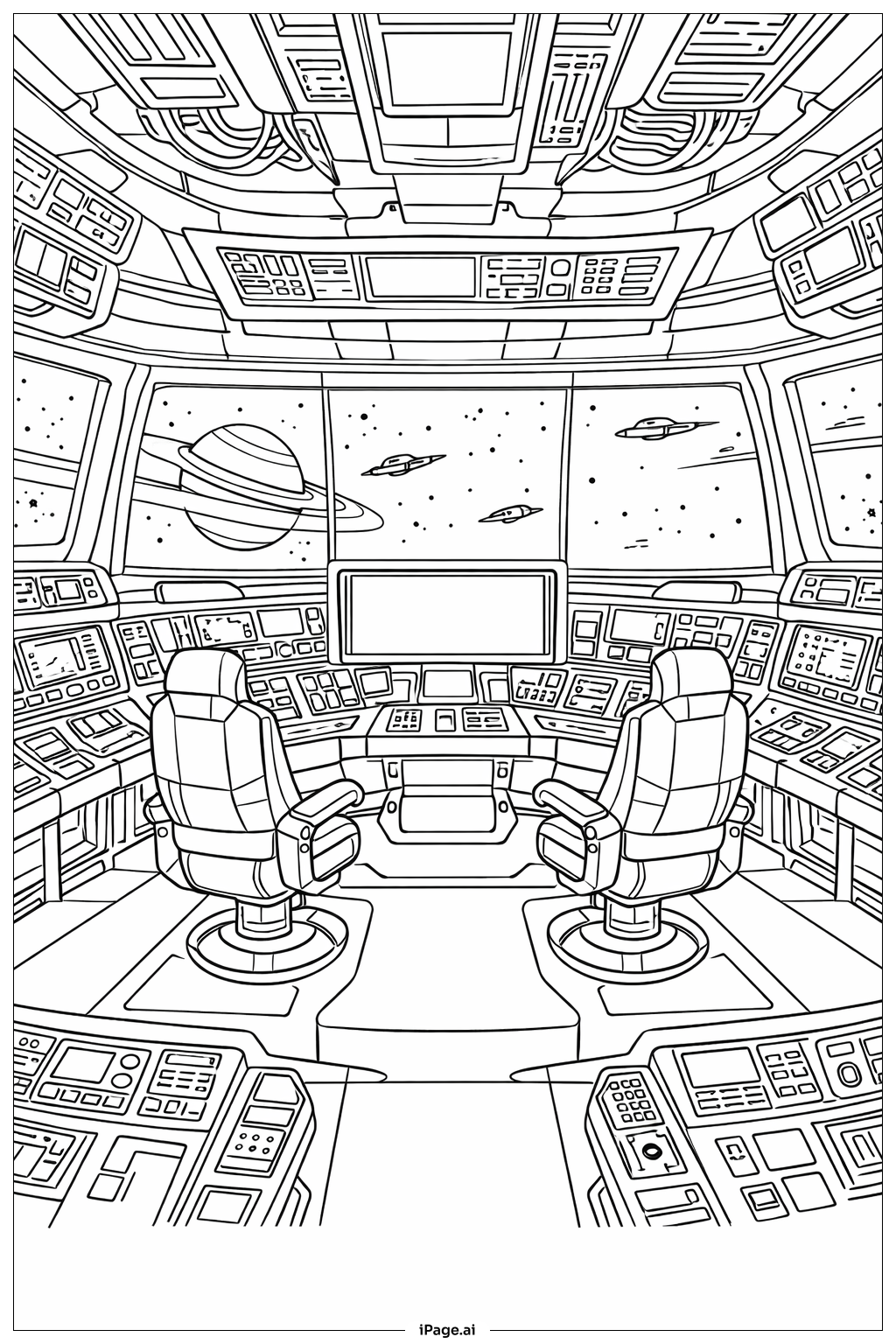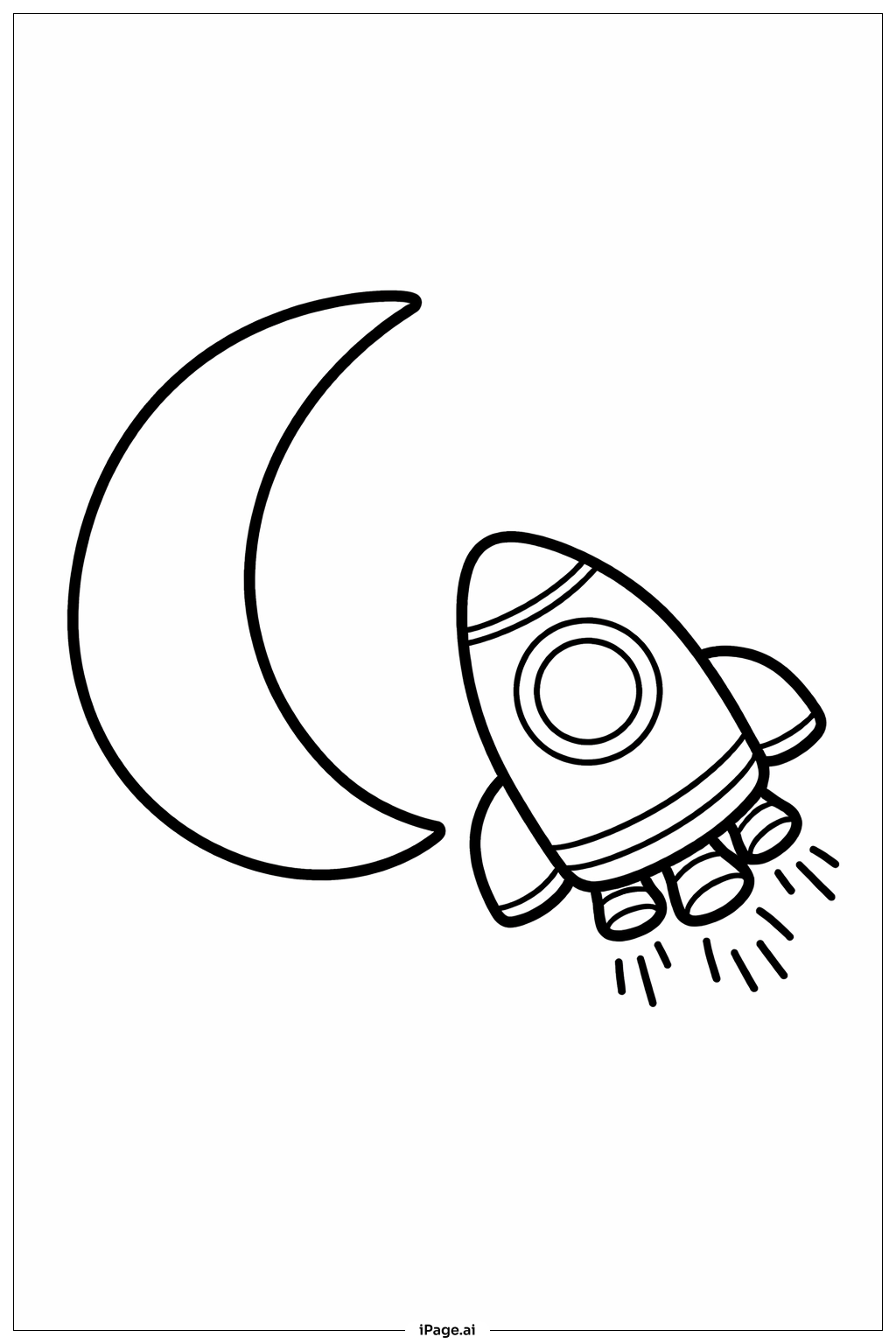
Coloring tips: How to color Spaceship and Moon coloring page well?
For the spaceship, try bright metallic colors like silver, gray, or blue for the main body. The nose cone could be red or orange to create contrast. Color the flames in vibrant yellows, oranges, and reds, blending them together for a realistic fire effect. The moon can be colored in soft yellows, pale golds, or even light purple for a magical touch. Use darker yellow or orange for shading on the moon's face to add dimension. Stars can be yellow, white, or even rainbow colors for extra sparkle. Consider making the background a deep navy blue, purple, or black to represent outer space. You could also add gradients transitioning from dark blue to lighter shades. For the planets, use your imagination with bright colors like green, red, pink, or orange to create an exciting, colorful universe.
Coloring challenges: Which parts are difficult to color and need attention for Spaceship and Moon coloring page?
• Small Star Details: The numerous small stars scattered throughout the page require steady hand control and precision coloring. Children may find it challenging to stay within the tiny boundaries of each star, especially when using markers or crayons with broader tips. This requires patience and fine motor coordination, and younger children might need to take breaks to avoid frustration or hand fatigue.
• Flame Blending Technique: Creating realistic-looking rocket flames involves blending multiple warm colors together smoothly. Achieving a natural gradient from yellow at the center to orange and red at the edges can be difficult for beginners. Children need to understand color transition techniques and may struggle with making the flames look dynamic rather than flat. Using the right pressure and layering colors takes practice and experimentation.
• Spaceship Window Consistency: The circular windows on the spaceship body need uniform coloring to look polished and professional. Keeping the color even within these small circular spaces, and perhaps adding reflective highlights or darker shading for depth, presents a challenge. Children must decide whether to leave highlights or color solidly, and maintaining consistency across multiple windows requires planning and careful execution.
• Facial Expression Shading: Adding dimension to the moon's friendly face through shading requires understanding of light sources and depth. Deciding where to place darker tones around the eyes, cheeks, and smile to make the face look three-dimensional rather than flat can be conceptually challenging. This involves artistic decision-making beyond simple coloring and helps develop spatial awareness and shading skills.
Benefits of coloring books: Advantages of drawing Spaceship and Moon coloring page
Coloring this space-themed page helps children develop essential fine motor skills through controlling coloring tools within defined boundaries. The variety of shapes and sizes, from large spaceship components to tiny stars, provides excellent practice for hand-eye coordination and pencil grip strength. This image encourages creativity and imagination as children envision their own version of outer space, choosing color schemes that reflect their unique artistic vision. The friendly, whimsical nature of the smiling moon creates a positive, joyful coloring experience that can reduce stress and promote relaxation. Working on the different elements teaches patience and focus, as completing the entire page requires sustained attention. The space theme can spark interest in science, astronomy, and exploration, connecting art with learning. Additionally, making decisions about color combinations and shading techniques builds confidence in artistic abilities and problem-solving skills that extend beyond coloring into other areas of learning and development.