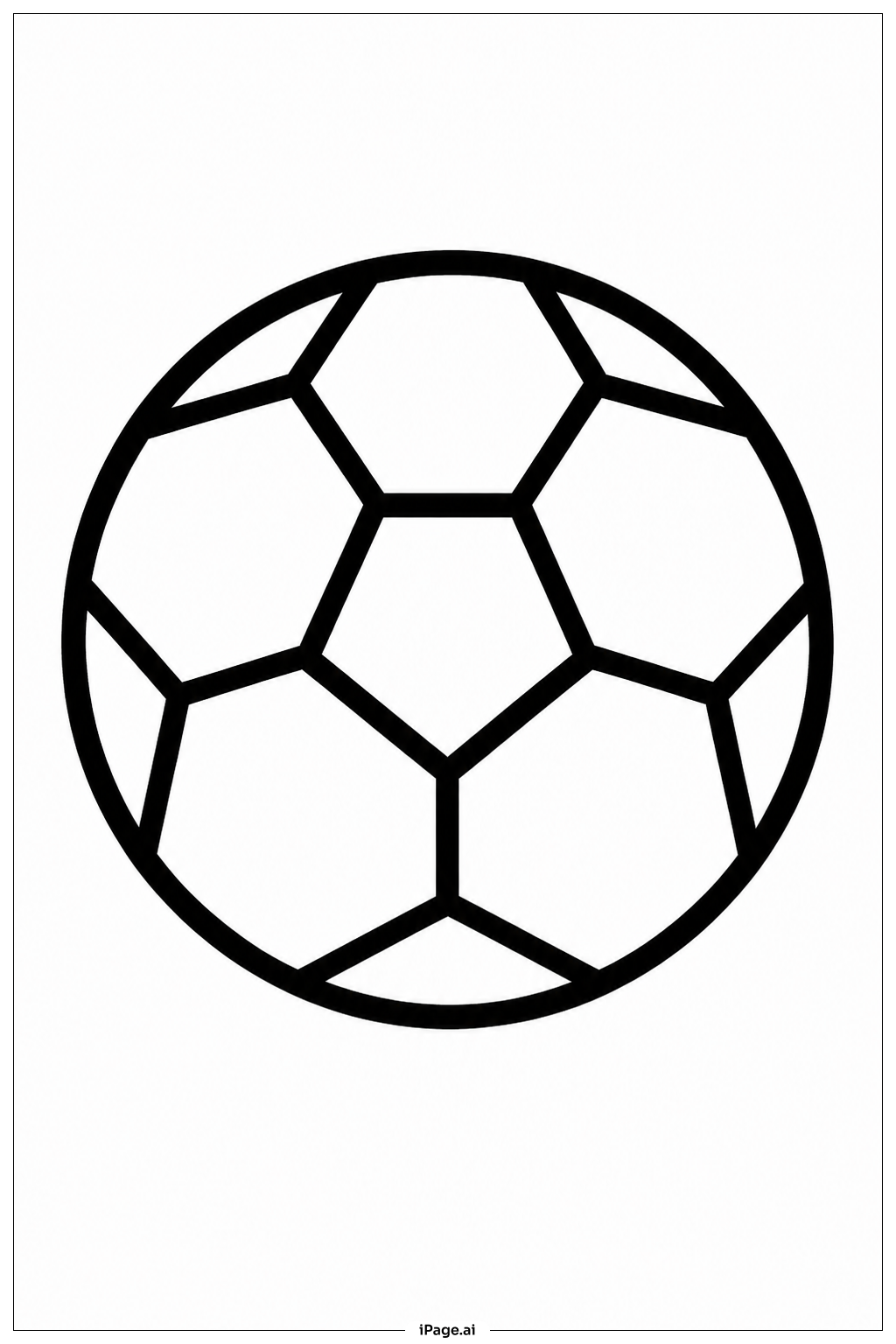
Coloring tips: How to color Soccer Ball Classic Icon coloring page well?
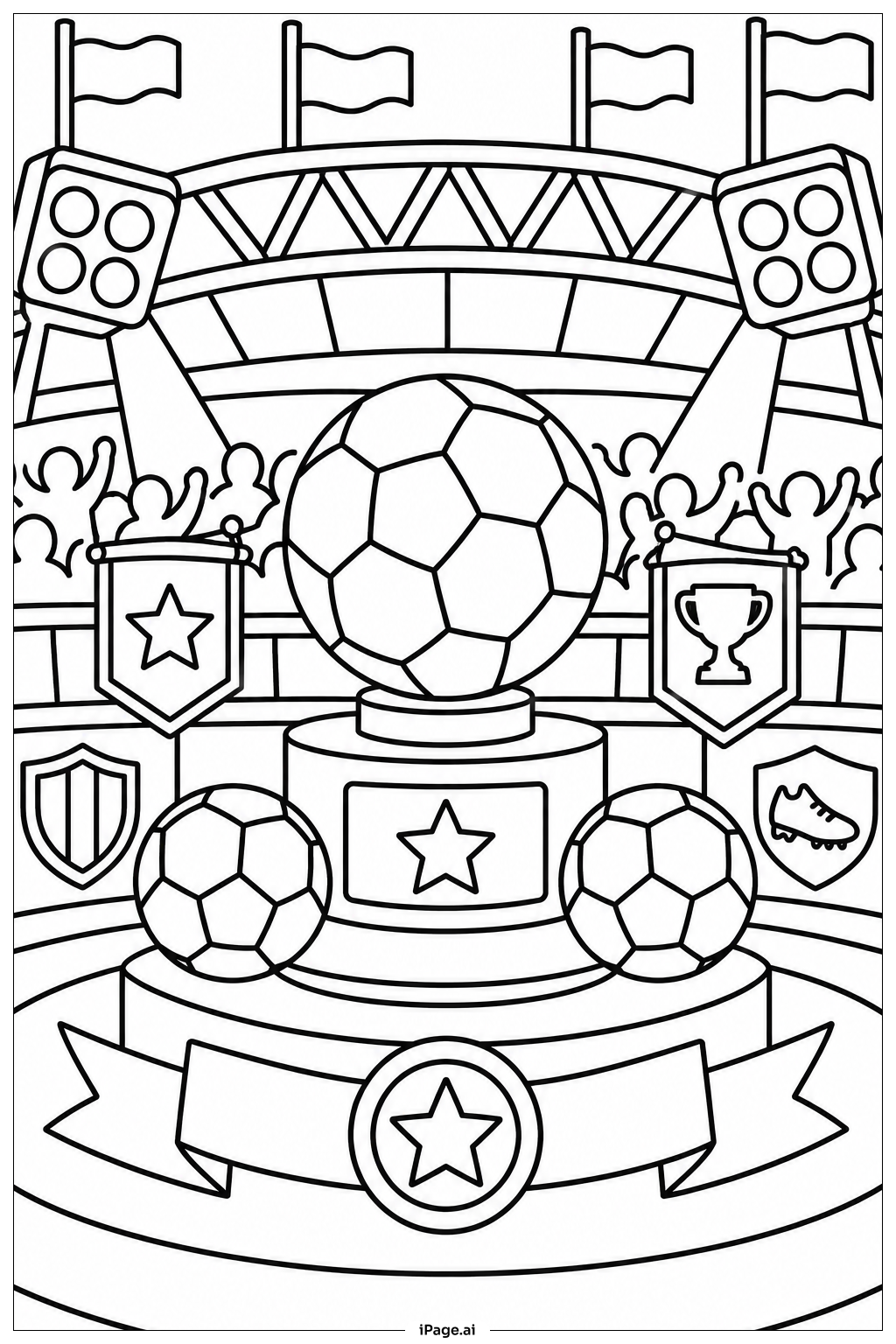
The traditional soccer ball uses black pentagons and white hexagons, which creates the classic look most people recognize. However, you can be creative with your color choices! Try coloring the pentagons in your favorite team colors, or use bright shades like red, blue, or green. The hexagons can remain white or be filled with lighter tones to create contrast. For a fun approach, use rainbow colors across different panels, or create a gradient effect by using different shades of the same color family. You can also add shading along the edges of each shape to make the ball look more three-dimensional. Consider using darker colors on the bottom sections and lighter tones on the top to show where light would naturally hit the ball.
Coloring challenges: Which parts are difficult to color and need attention for Soccer Ball Classic Icon coloring page?
• Geometric Precision: The soccer ball contains many pentagon and hexagon shapes that share borders with each other. Keeping your coloring inside these lines requires steady hand control and patience. Young children may find it challenging to stay within the boundaries where multiple shapes meet at corner points. Taking your time and rotating the page can help reach tricky angles more easily.
• Pattern Consistency: If you choose to follow the traditional black and white pattern or create your own repeating design, you need to pay attention to which shapes you have already colored. It is easy to lose track of your pattern, especially where pentagons are surrounded by hexagons. Marking your pattern lightly with pencil first or working section by section can help maintain consistency throughout the design.
• Three-Dimensional Shading: To make the soccer ball look realistic and round rather than flat, you need to add shading and highlights appropriately. This requires understanding where light would hit the ball and where shadows would fall. Blending colors smoothly to create gradients across the curved surface takes practice and skill with your coloring tools, whether using crayons, colored pencils, or markers.
Benefits of coloring books: Advantages of drawing Soccer Ball Classic Icon coloring page
Coloring this soccer ball helps develop fine motor skills as children carefully fill in each pentagon and hexagon section. The geometric pattern provides excellent practice for hand-eye coordination and precision. It also teaches shape recognition, as kids learn to identify and distinguish between pentagons and hexagons while understanding how they fit together to form a sphere. This activity encourages focus and concentration, as completing the pattern requires attention to detail and patience. For soccer fans, this coloring page connects their love of the sport with creative expression, making art time more engaging and personally meaningful. The repetitive nature of coloring multiple shapes can also be calming and meditative, helping children relax while building confidence in their artistic abilities.