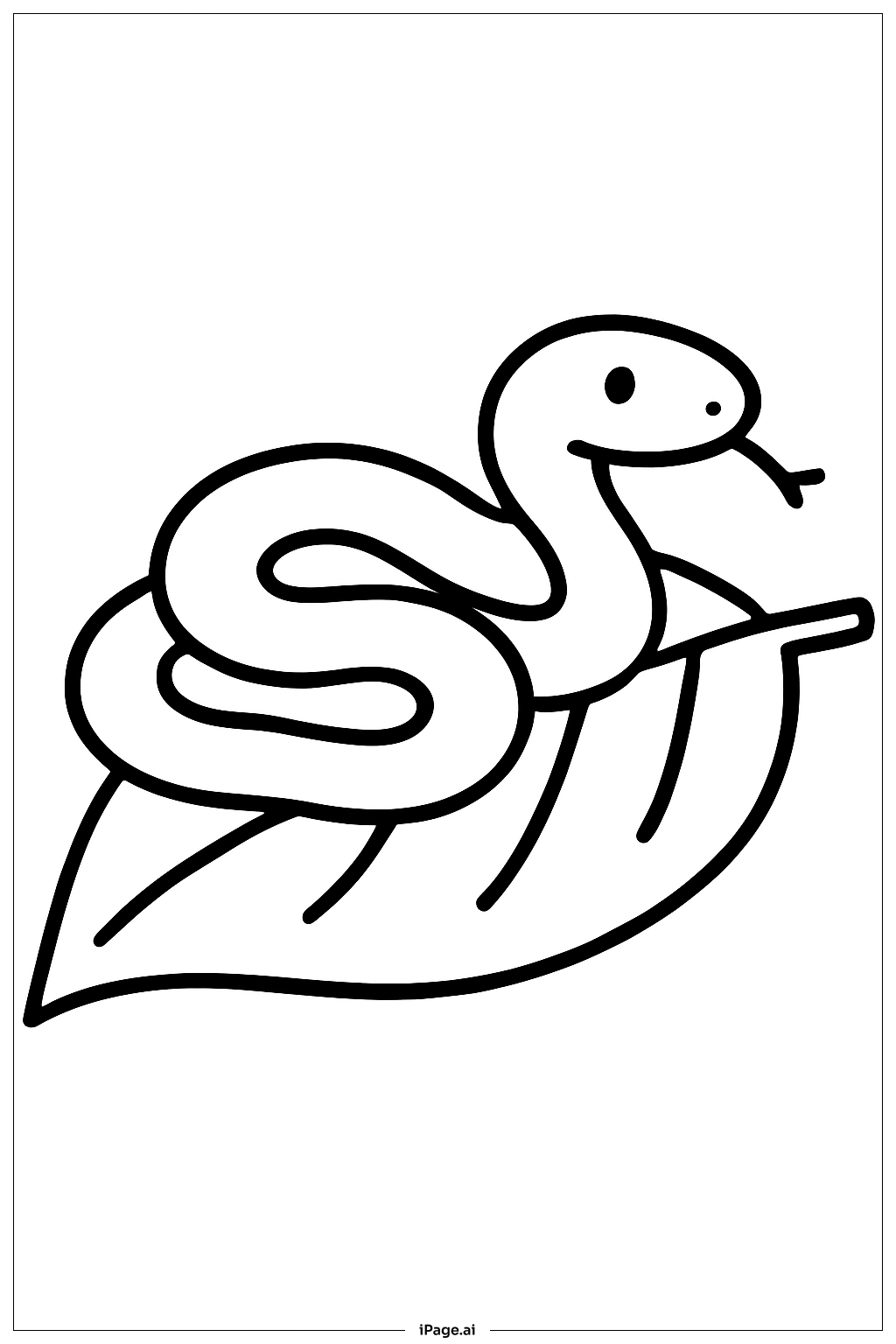
Coloring tips: How to color Snake on Leaf coloring page well?
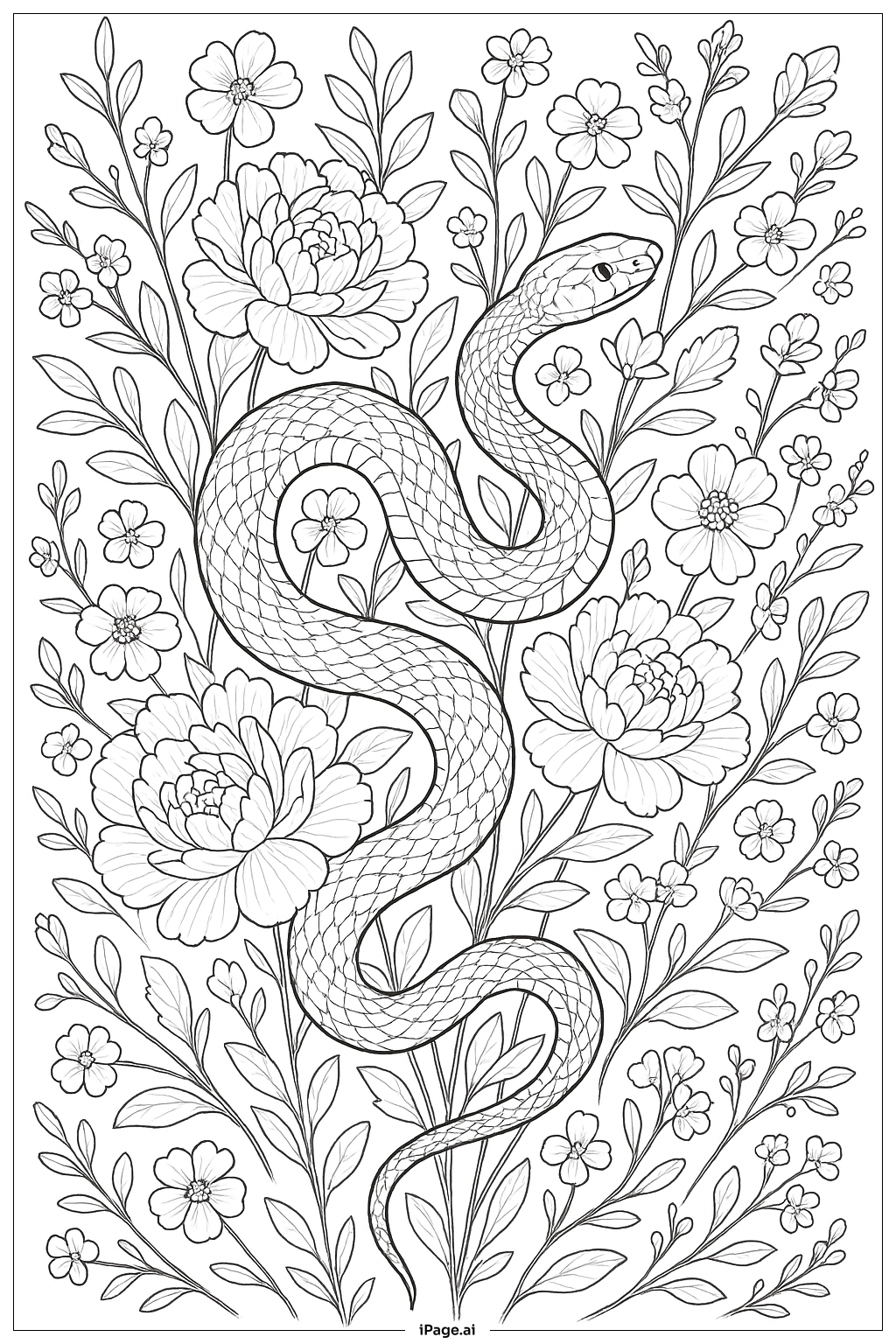
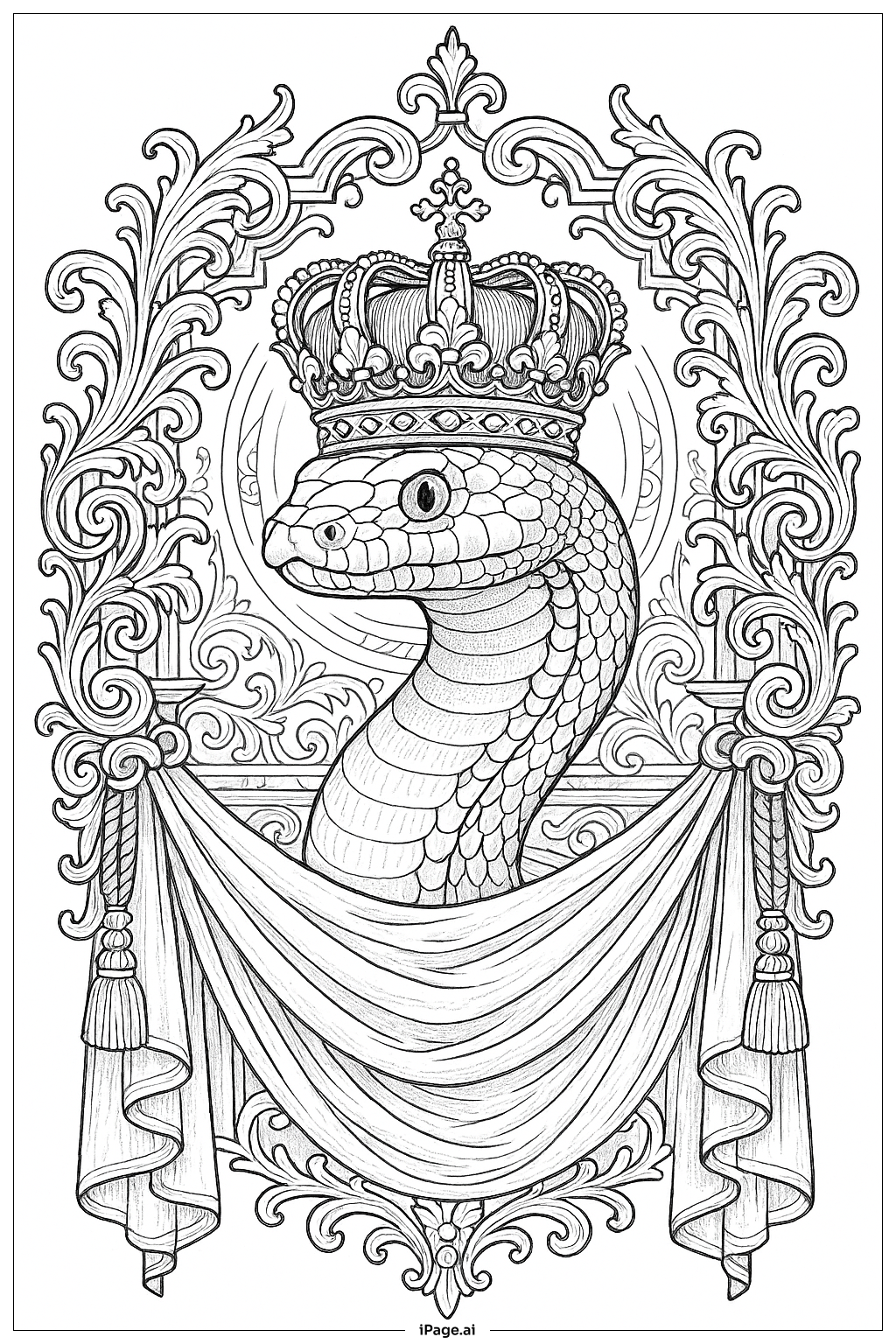
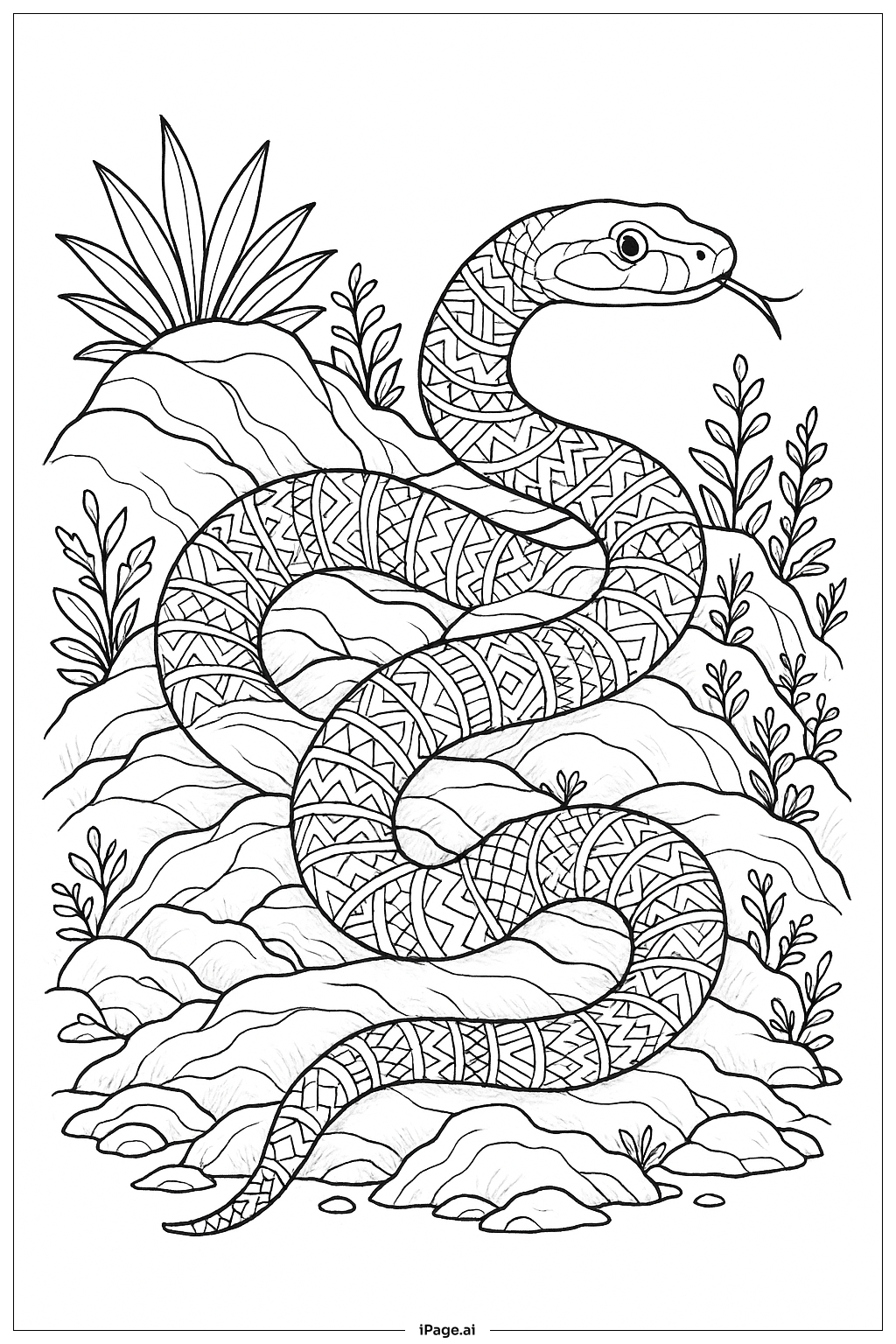
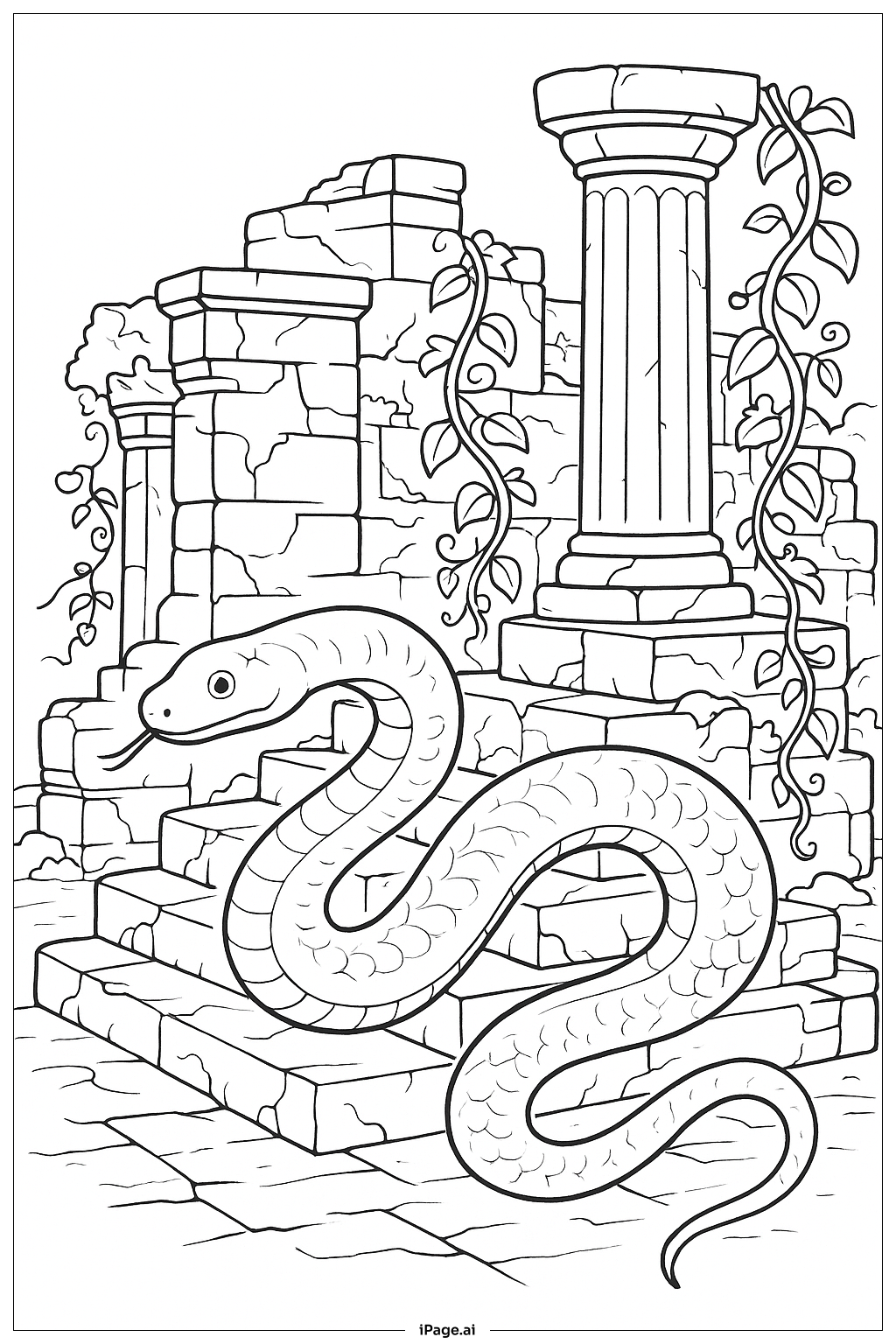
For the snake, consider using vibrant greens, yellows, or earth tones like browns and oranges to create realistic coloring. You can also choose bold colors like red, blue, or purple for a more creative approach. The scales offer a perfect opportunity to practice shading techniques by alternating light and dark tones to create depth and dimension. For the leaf, use various shades of green, from lime to forest green, to make it look fresh and natural. Add yellow or brown touches to the leaf edges to suggest sunlight or autumn effects. The snake's tongue can be colored bright red or pink for contrast. Consider using colored pencils for smooth blending on the scales, or markers for bold, vibrant results.
Coloring challenges: Which parts are difficult to color and need attention for Snake on Leaf coloring page?
• Scale Pattern Complexity: The snake's body is covered with numerous individual scales that require patience and attention to detail. Each scale needs to be colored carefully to maintain the pattern's consistency. Children may find it challenging to keep the scales uniform in color or to create shading effects that make the scales appear three-dimensional and realistic.
• Curved Body Shading: The snake's coiled position creates natural shadows and highlights along its curved body. Understanding where to place darker tones in the crevices and lighter tones on the raised portions requires spatial awareness and shading skills. Younger children might struggle with this concept, while older children can use this opportunity to practice advanced coloring techniques.
• Leaf Vein Details: The leaf features delicate veins that branch throughout its surface. Coloring these thin lines without going outside the boundaries requires steady hand control and fine motor precision. Balancing the vein colors with the main leaf color to create a natural appearance adds another layer of difficulty.
• Color Blending and Transitions: Creating smooth color transitions on both the snake and leaf requires blending skills. Moving from light to dark tones gradually, especially on the rounded snake body, demands practice and the right coloring tools. Children may need to experiment with pressure control and layering techniques to achieve professional-looking results.
Benefits of coloring books: Advantages of drawing Snake on Leaf coloring page
Coloring this snake and leaf design offers excellent fine motor skill development through the detailed scale patterns and intricate leaf veins. Children practice hand-eye coordination and pencil control while working on the small, precise areas. The image provides educational value by encouraging interest in nature and reptiles, helping children learn about snake anatomy and tropical plants. The curved lines and organic shapes support spatial awareness and understanding of three-dimensional forms. Working with the repetitive scale pattern promotes focus, concentration, and patience. Children can explore color theory by experimenting with complementary colors between the snake and leaf, or by creating realistic nature-inspired palettes. The project builds confidence as young artists see their careful work transform the page into a vibrant nature scene.