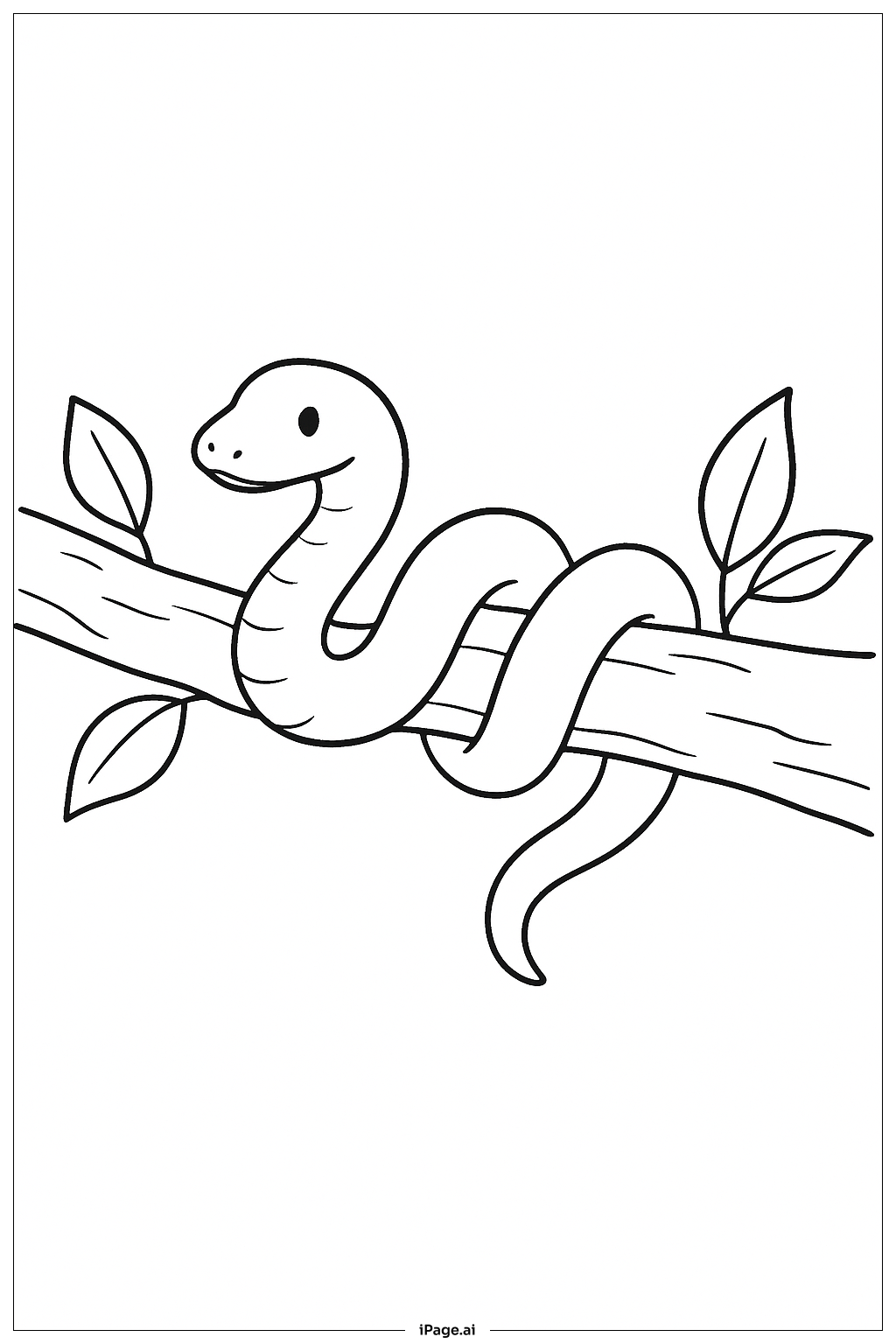
Coloring tips: How to color Snake in Tree Branch coloring page well?
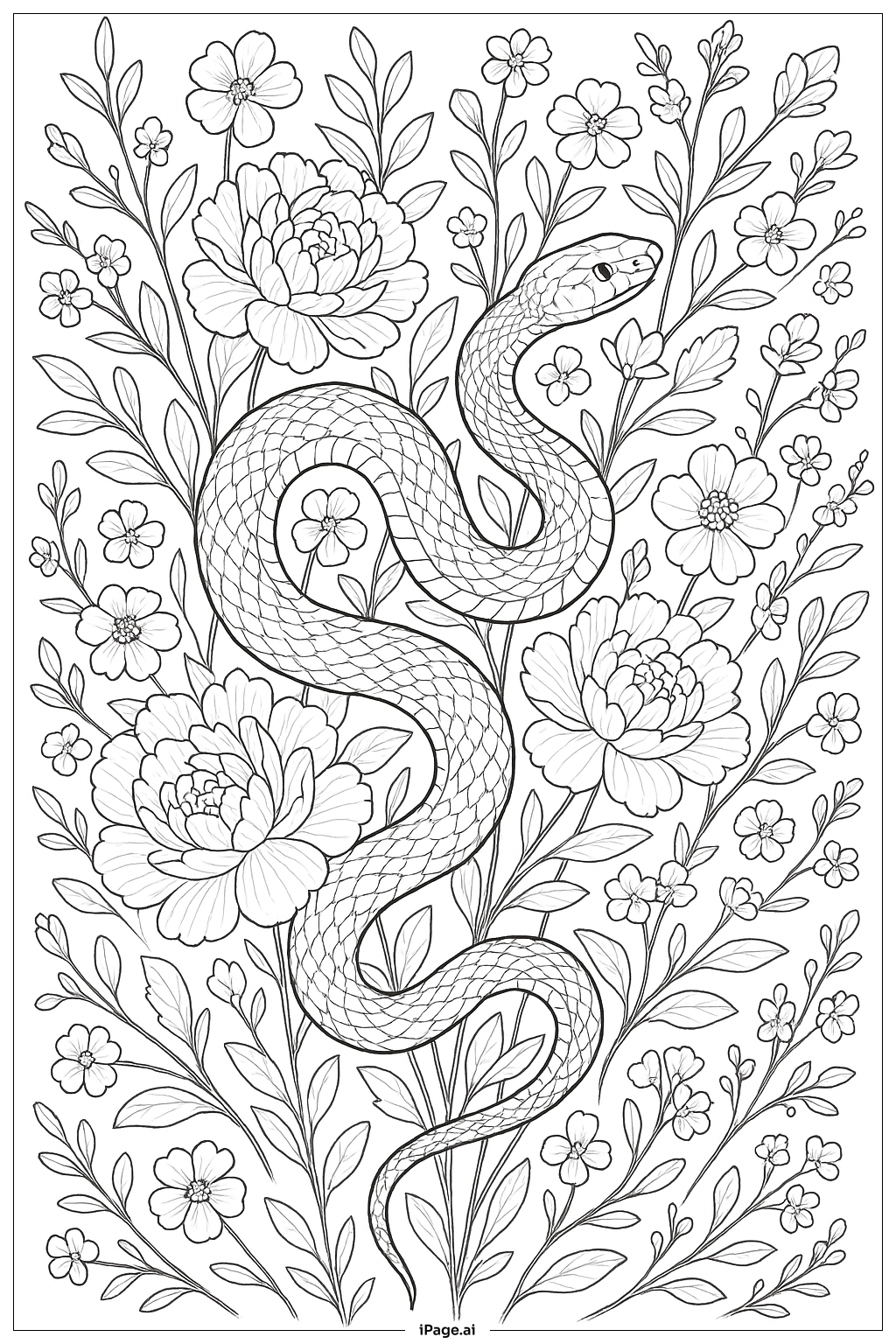
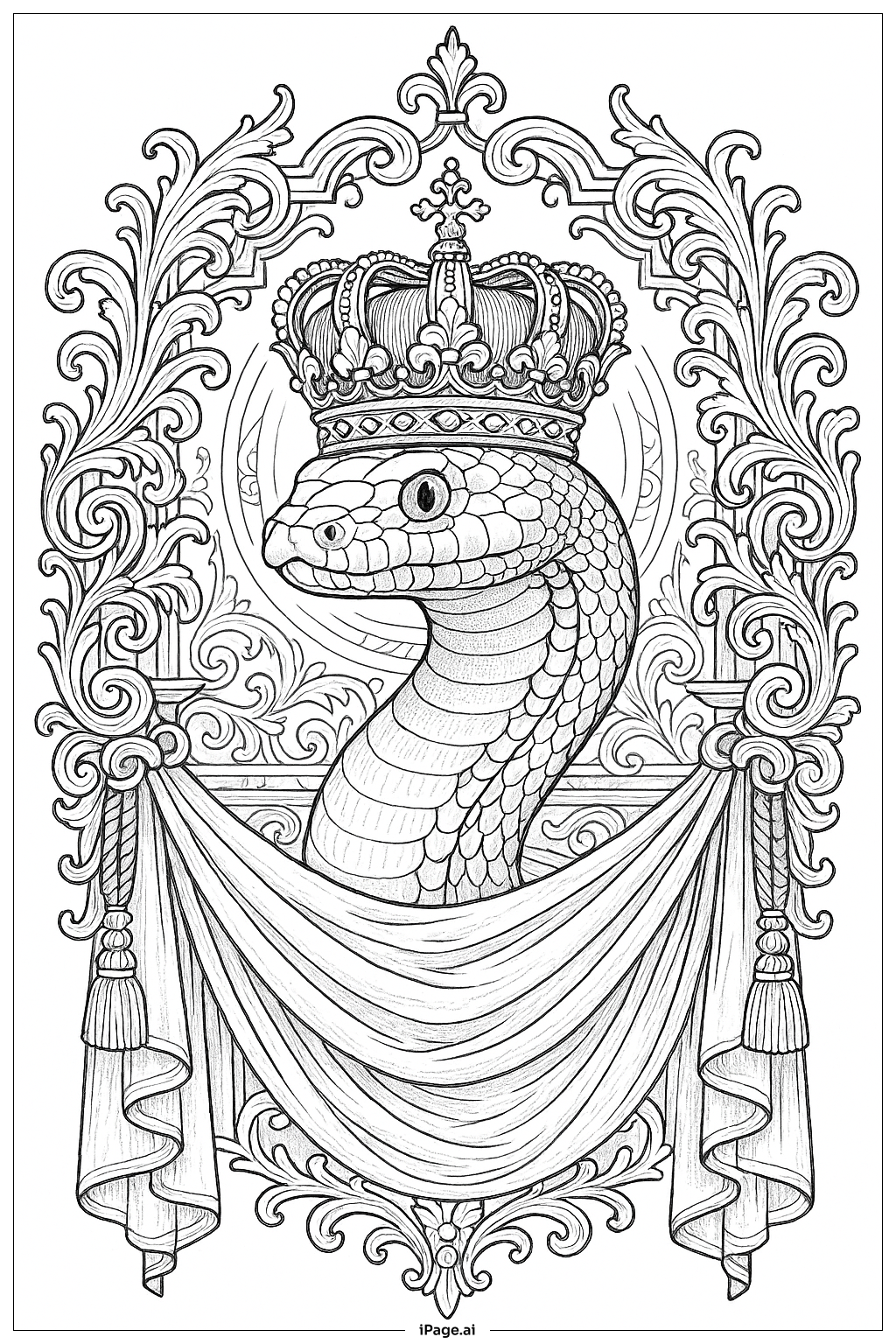
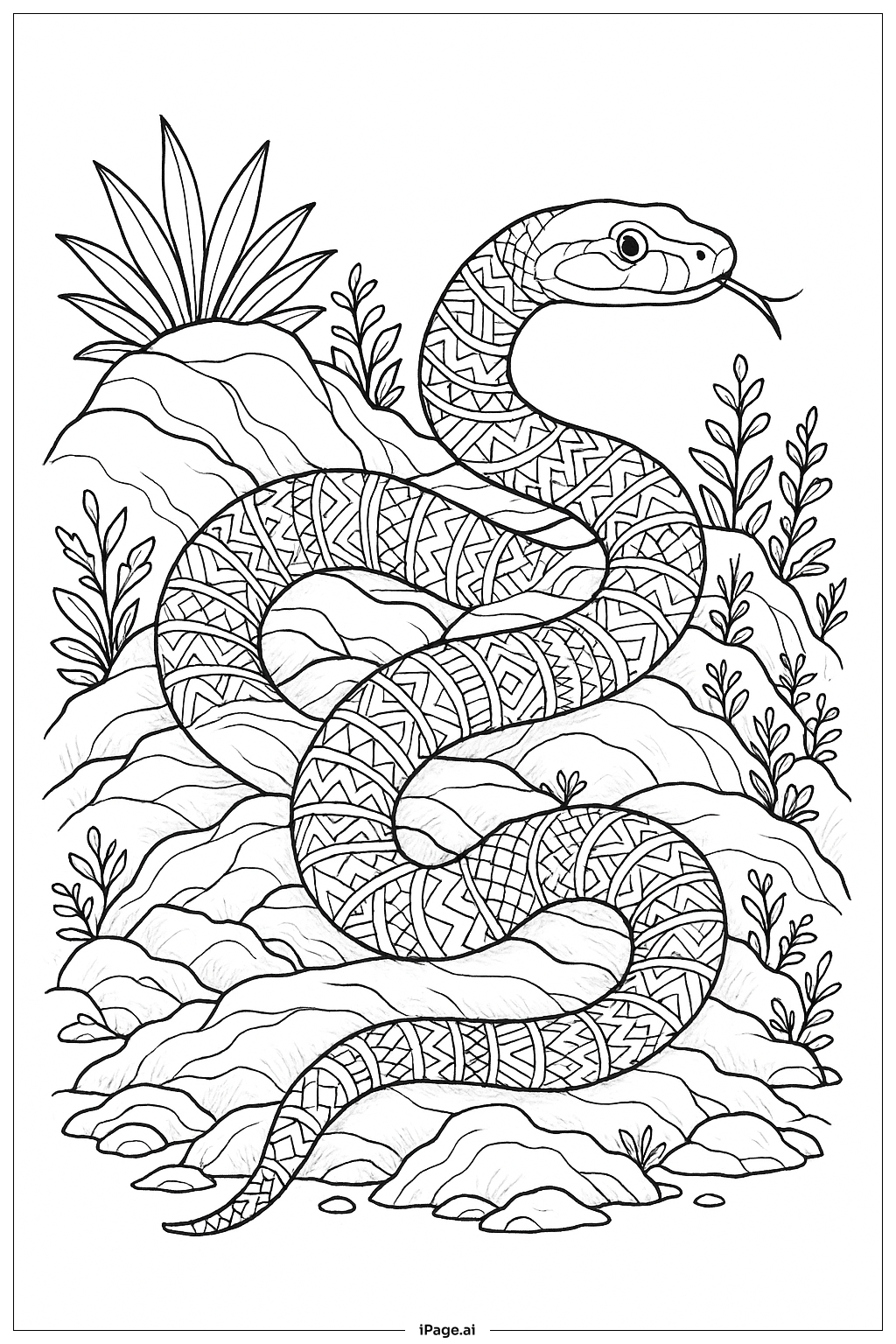
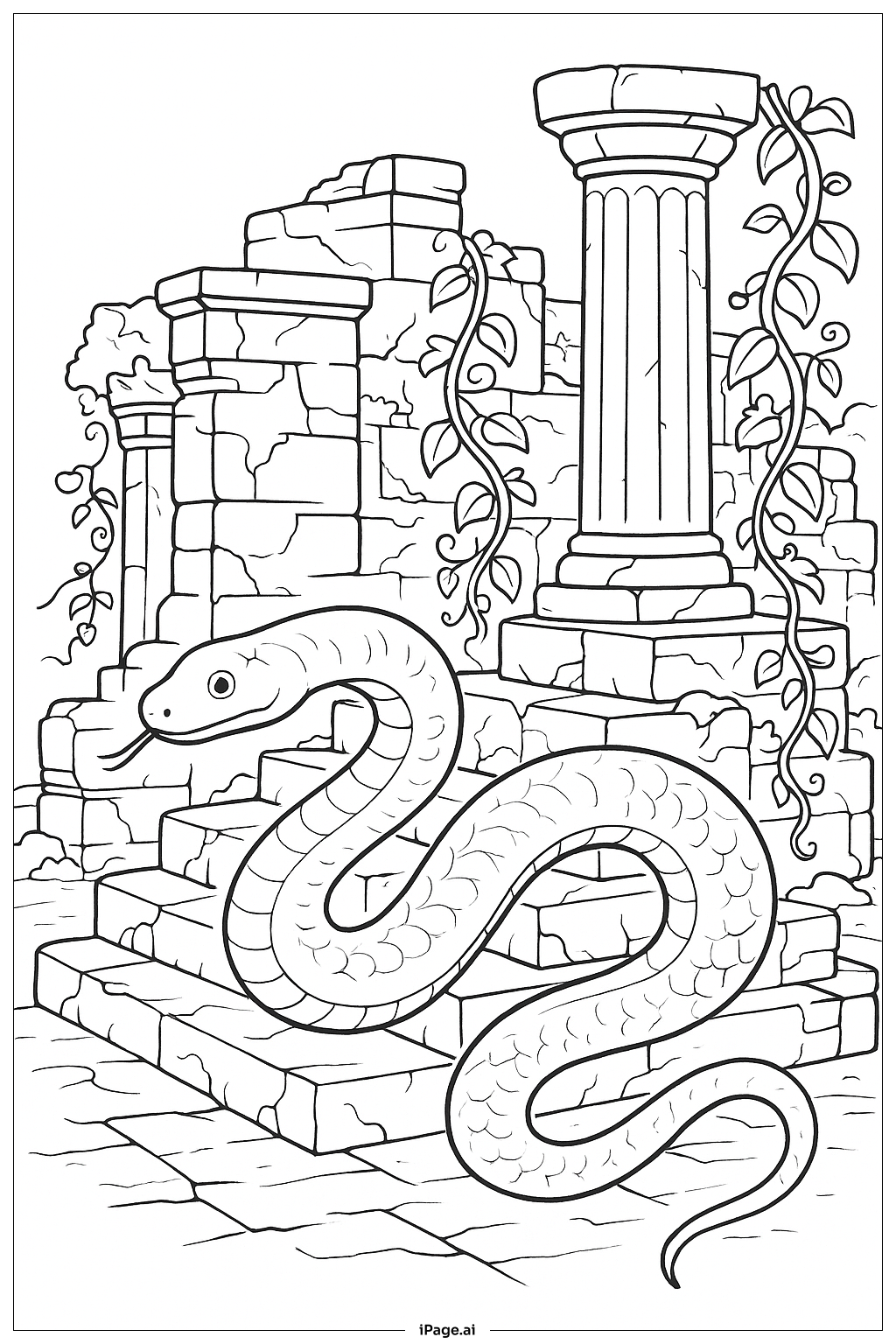
For the snake, consider using vibrant greens ranging from lime to emerald, or explore patterns with yellows, oranges, and browns for species like corn snakes or pythons. You might create a diamond or striped pattern along its body for added visual interest. The scales offer a wonderful opportunity to practice shading techniques—use darker tones along the bottom of the snake's body and lighter shades on top to create dimension. For the tree branch, rich browns work beautifully, with darker shades in the bark crevices and lighter tans on raised areas. The leaves can be colored in various shades of green, from fresh spring greens to deeper forest tones. Consider adding yellow or orange autumn leaves for seasonal variation. Don't forget to color the snake's eye with bright yellow or red for a striking focal point.
Coloring challenges: Which parts are difficult to color and need attention for Snake in Tree Branch coloring page?
• Scale Pattern Consistency: The snake's body is covered with numerous small scales that require patience and attention to detail. Maintaining consistent coloring across all these tiny sections can be challenging, especially when trying to create a uniform pattern or gradient effect along the entire length of the snake's body as it curves around the branch.
• Dimensional Shading Technique: Creating realistic depth on the snake's cylindrical body requires understanding how light falls on rounded surfaces. Colorists need to apply darker shades on the underside and lighter tones on top, smoothly blending between them. This three-dimensional effect becomes more complex where the snake's body overlaps itself or presses against the branch.
• Branch Texture and Bark Details: The tree branch features intricate bark patterns with grooves, ridges, and natural textures that require careful color variation. Achieving a realistic woody appearance means using multiple brown shades and knowing where to place highlights and shadows to emphasize the rough texture without making it look muddy or flat.
• Color Transitions and Blending: Where the snake's body curves and where different elements meet, smooth color transitions are essential. Blending colors seamlessly along the snake's length while maintaining pattern integrity, and ensuring the leaves transition naturally from their stems, requires skillful technique and the right tools or careful layering.
Benefits of coloring books: Advantages of drawing Snake in Tree Branch coloring page
Coloring this snake in tree branch image offers excellent fine motor skill development through the detailed scale work, helping children improve hand-eye coordination and pencil control. The repetitive pattern of scales provides a calming, meditative activity that can reduce stress and promote focus and concentration. This image introduces children to wildlife and nature, encouraging curiosity about reptiles and their habitats while dispelling common fears through creative engagement. The variety of elements—snake, branch, and leaves—allows for creative color experimentation and decision-making, boosting artistic confidence. The shading opportunities teach valuable art techniques like creating dimension and understanding light sources. Completing this moderately challenging coloring page builds patience and perseverance, giving children a sense of accomplishment. It also serves as an educational tool for discussing snake species, their behaviors, and the important role they play in ecosystems.