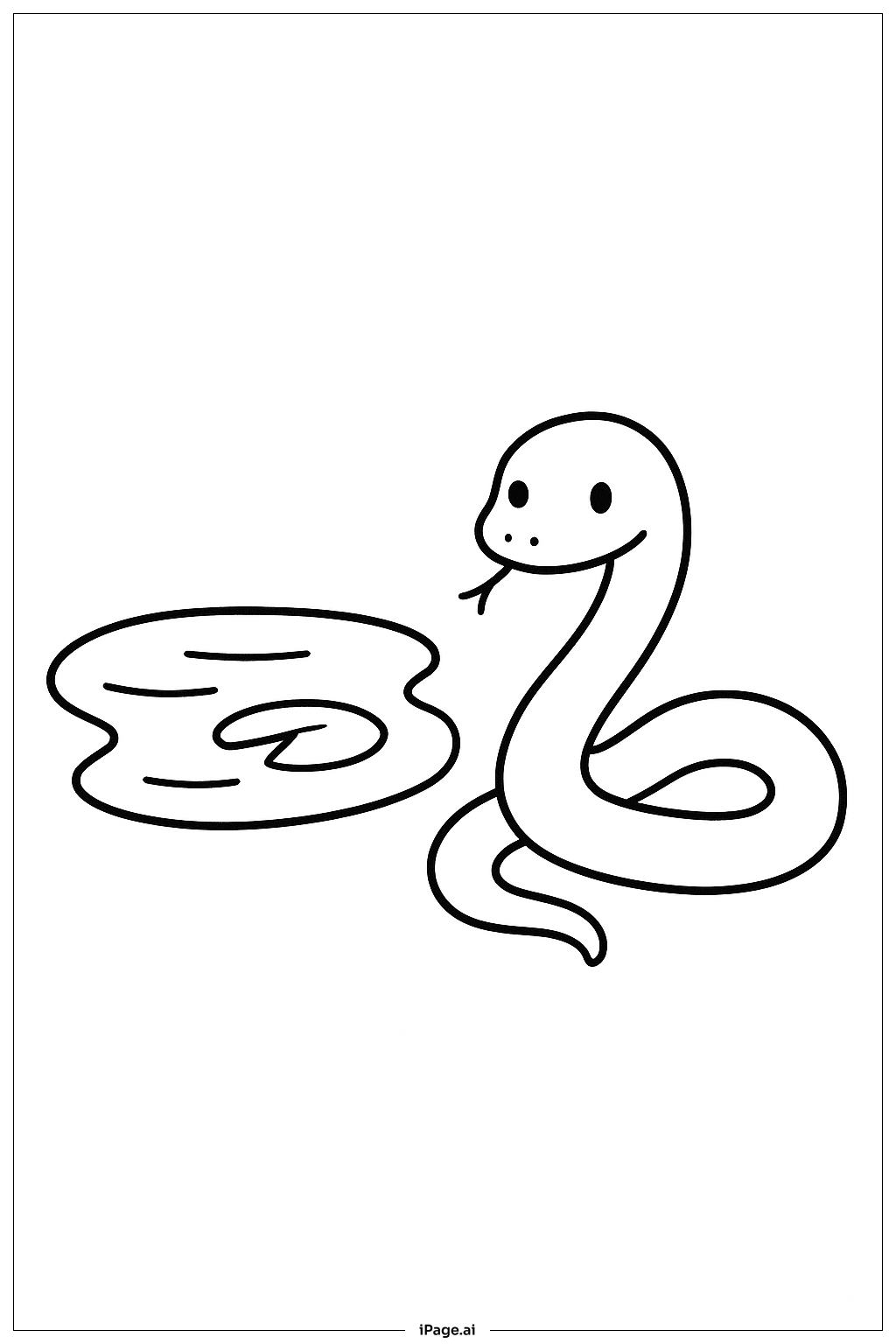
Coloring tips: How to color Snake and Pond coloring page well?
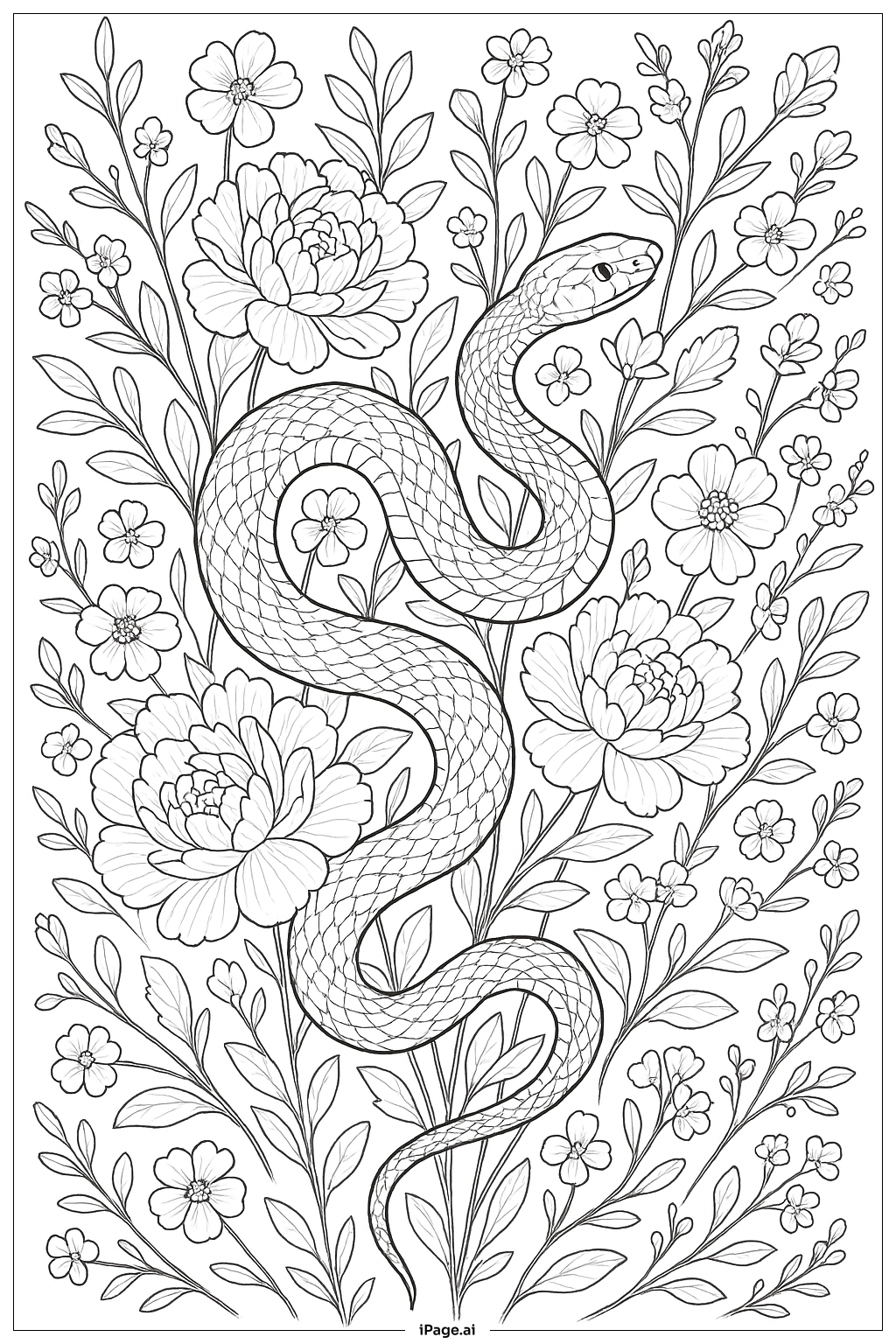
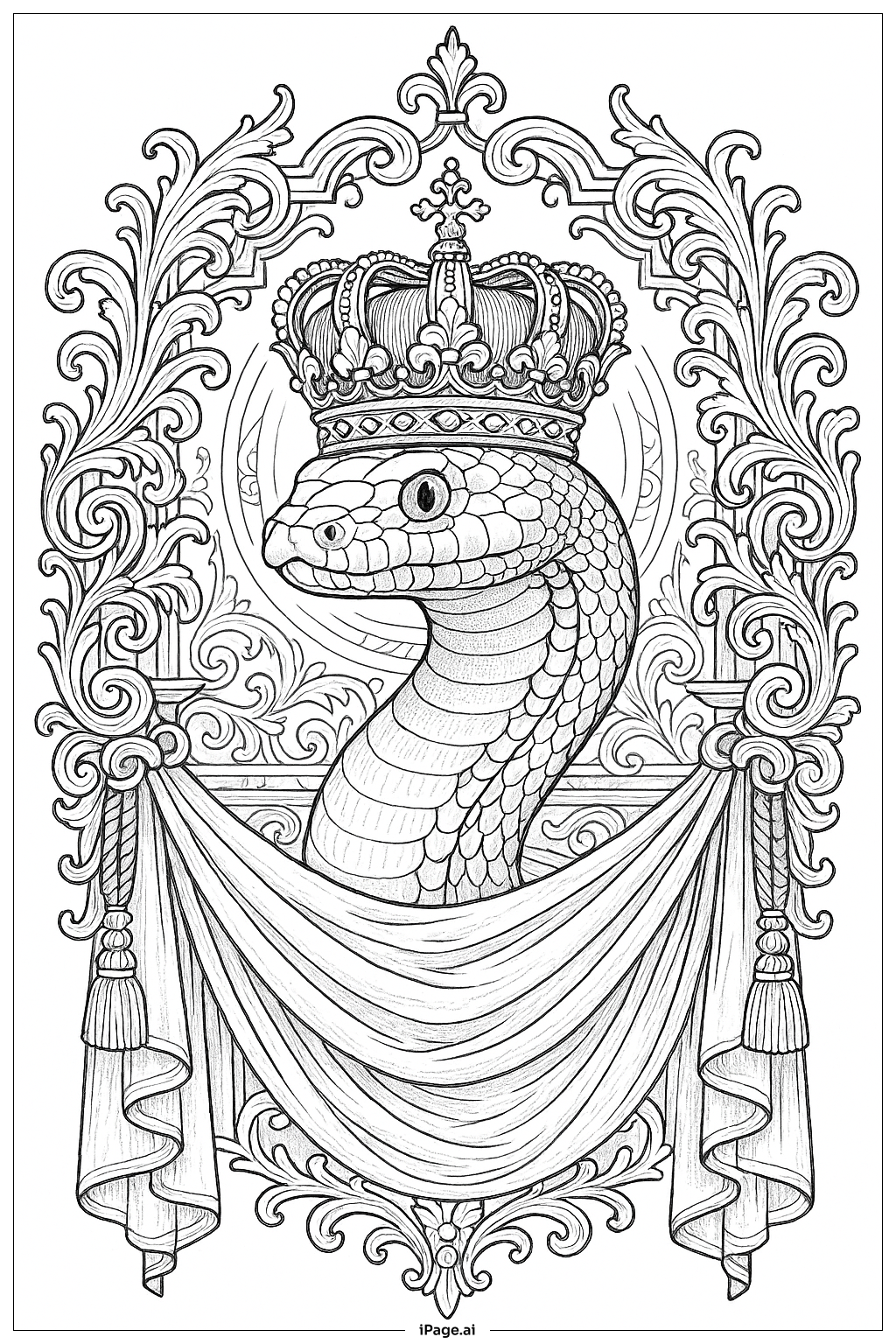
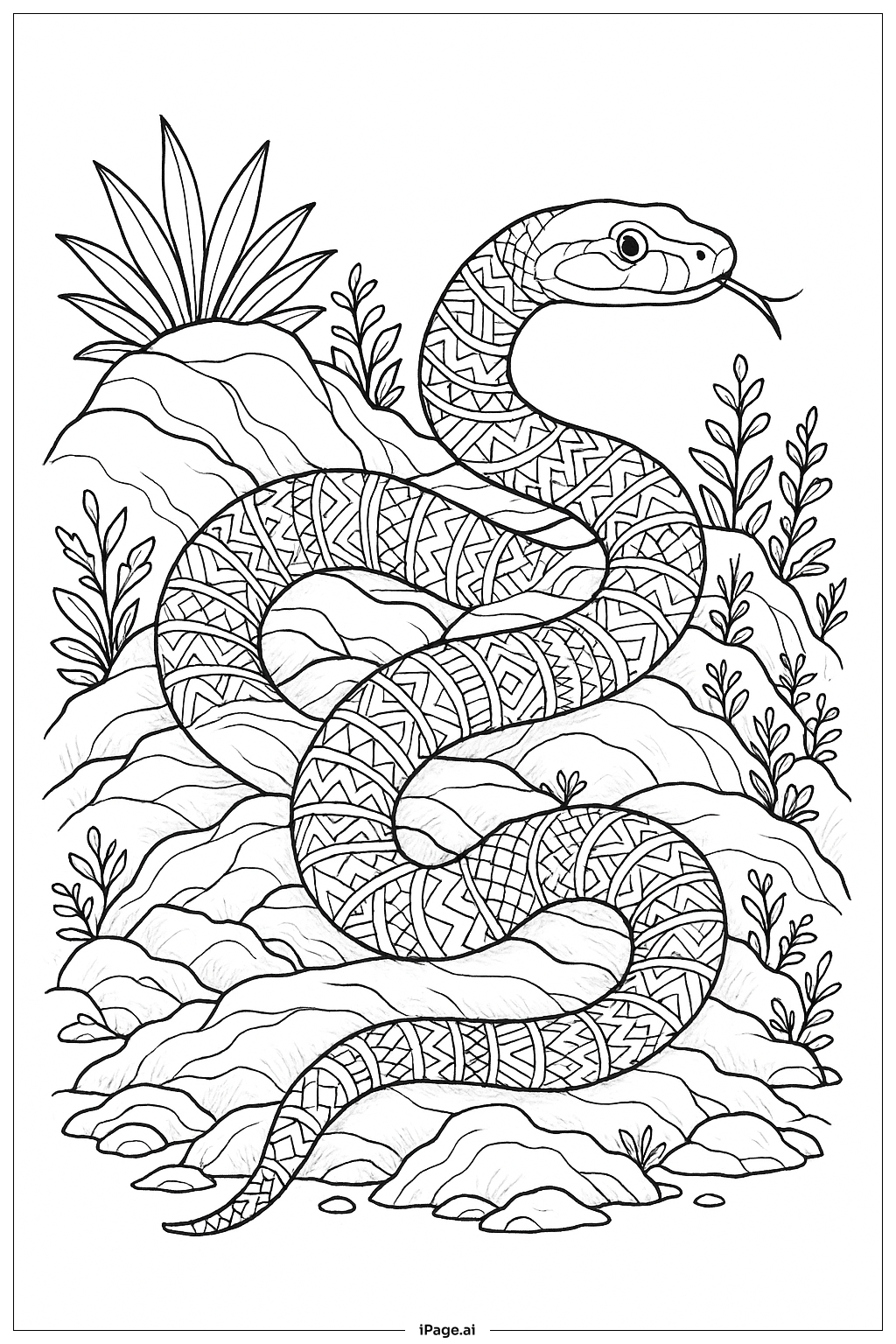
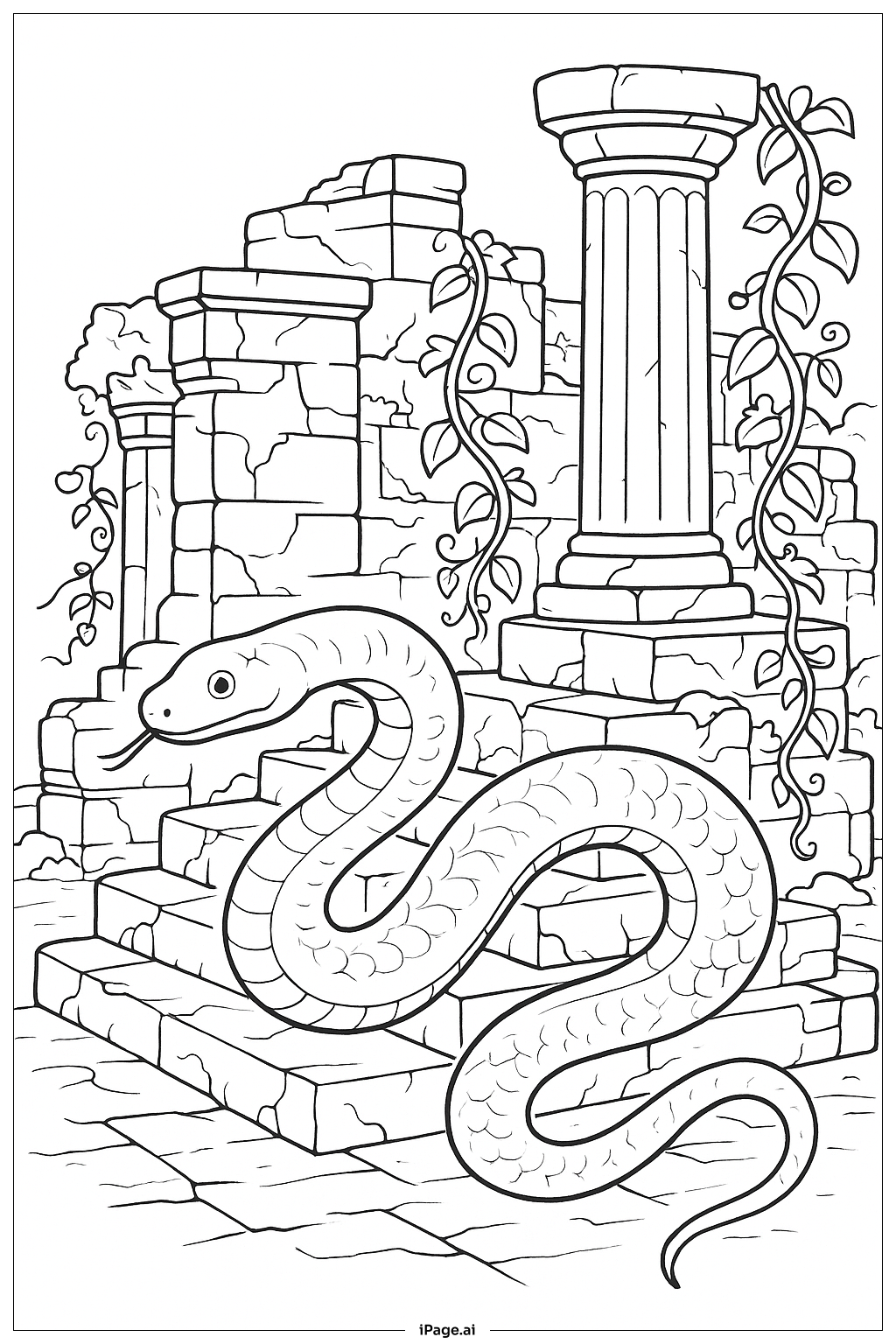
Start with the snake by choosing colors like green, yellow, brown, or even creative options like orange or blue. Add darker shades along the edges of each scale to create depth and dimension. For the pond water, use various shades of blue or teal, making it lighter near the surface and darker in deeper areas. Color the lily pads in different shades of green, adding yellow or brown spots for realistic detail. The lily pad flowers can be pink, white, or yellow with bright centers. Use browns and greens for the cattails and reeds, with darker brown for the fuzzy cattail tops. Add light blue or white highlights to the water ripples to show reflection and movement. Consider using colored pencils for blending smooth transitions on the snake's body.
Coloring challenges: Which parts are difficult to color and need attention for Snake and Pond coloring page?
• Snake Scale Pattern: The snake's body features repeating scale patterns that require consistent coloring throughout its long, winding form. Keeping the pattern uniform while the body curves and twists can be challenging. Each scale needs careful attention to stay within the lines, and maintaining color consistency from the head to the tail requires patience and planning.
• Water Ripples and Texture: The concentric circles representing water ripples contain multiple curved lines that are close together. Coloring between these lines without crossing over requires steady hand control and precision. Creating a realistic water effect with color gradients while respecting these delicate line boundaries adds complexity to this section.
• Lily Pad Details: The lily pads contain intricate veining patterns that radiate from the center. Coloring these thin lines and the spaces between them demands fine motor control. Deciding whether to color the veins differently from the lily pad surface, and keeping colors within the detailed segments, presents a moderate challenge for younger colorists.
• Overlapping Elements: The composition shows the snake weaving around lily pads and reeds, creating areas where elements overlap. Distinguishing which element is in front and adjusting colors accordingly requires spatial awareness. These overlapping sections need careful attention to maintain clear separation between the snake, water, and plant life.
• Creating Depth: Achieving a sense of three-dimensional space in the pond scene involves using different color values. Making the water appear wet and reflective, the snake appear rounded rather than flat, and the overall scene appear layered requires understanding of shading techniques and color relationships.
Benefits of coloring books: Advantages of drawing Snake and Pond coloring page
Coloring this snake and pond scene helps children develop fine motor skills through the detailed scale patterns and intricate water ripples. The repetitive nature of the snake's scales builds focus and concentration as children work methodically along the snake's body. This image encourages learning about nature and pond ecosystems, sparking curiosity about snakes and aquatic habitats. The variety of elements including the snake, water, lily pads, and reeds allows children to practice color selection and experiment with different combinations. Working with curved lines and organic shapes improves hand-eye coordination. The overlapping elements teach spatial reasoning as children figure out which parts are in front or behind. Completing this detailed scene builds confidence and provides a sense of accomplishment. The calming pond theme can have relaxing effects, making it a mindful activity that reduces stress while encouraging creative expression through color choices.