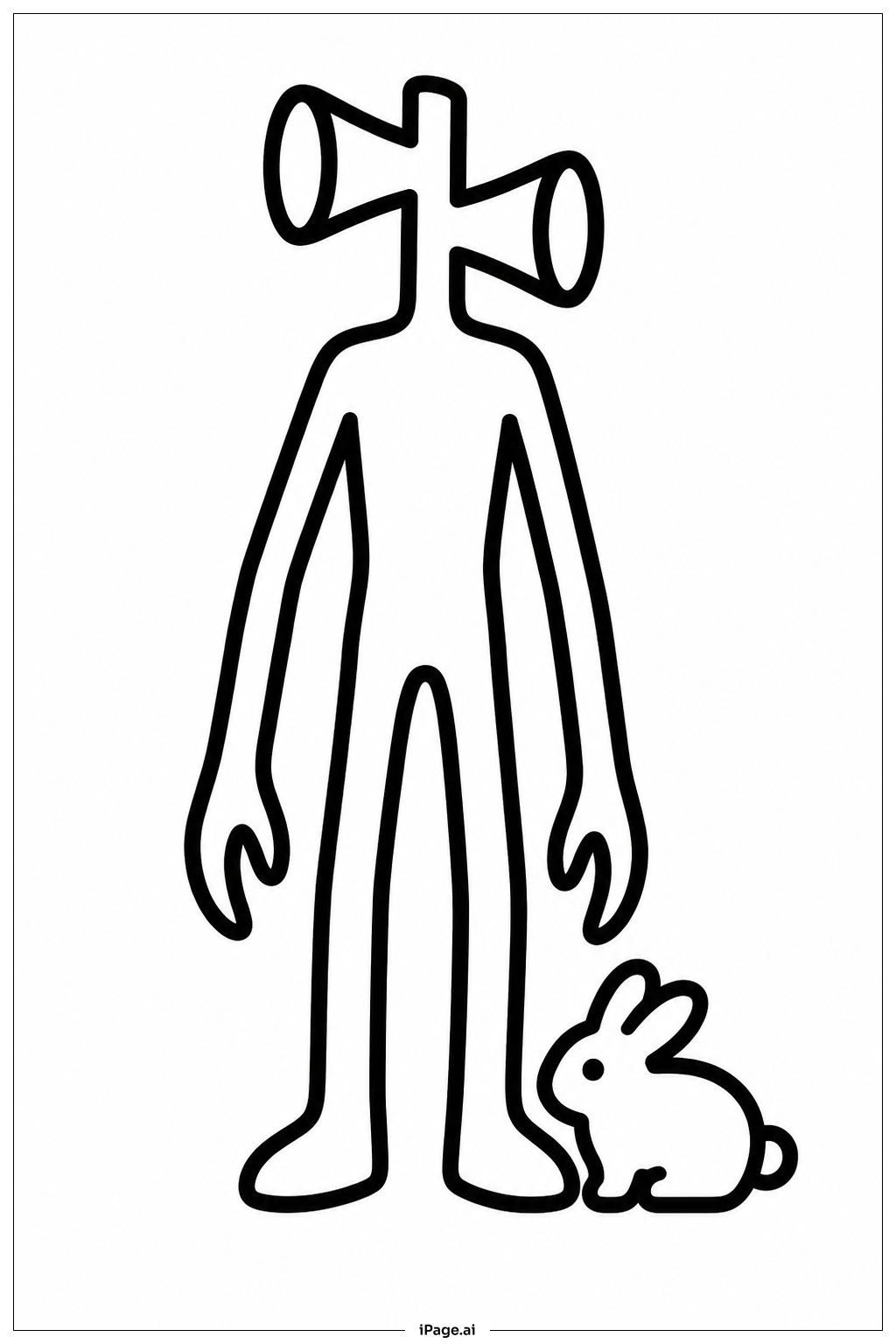
Coloring tips: How to color Siren Head Little Friend coloring page well?
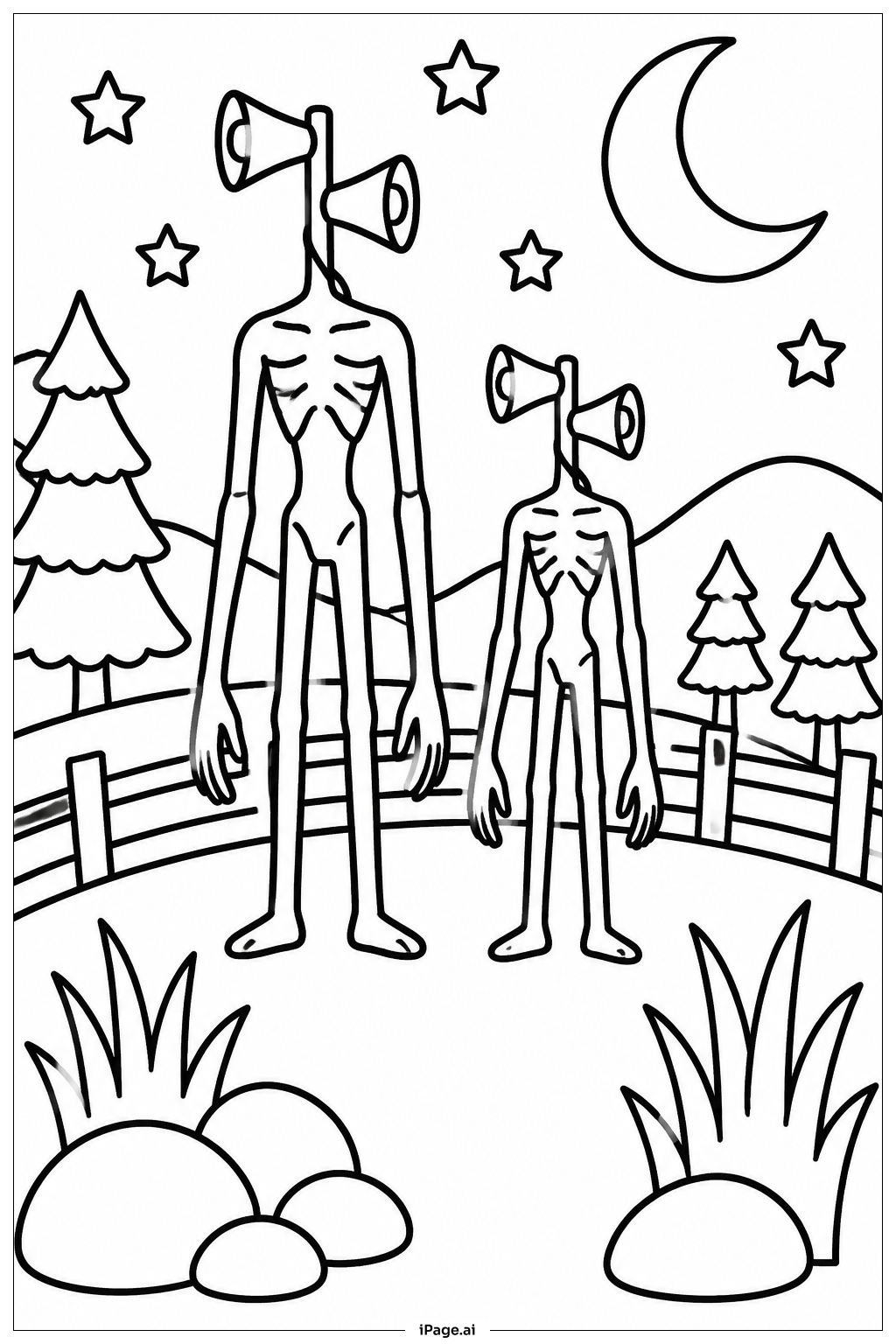
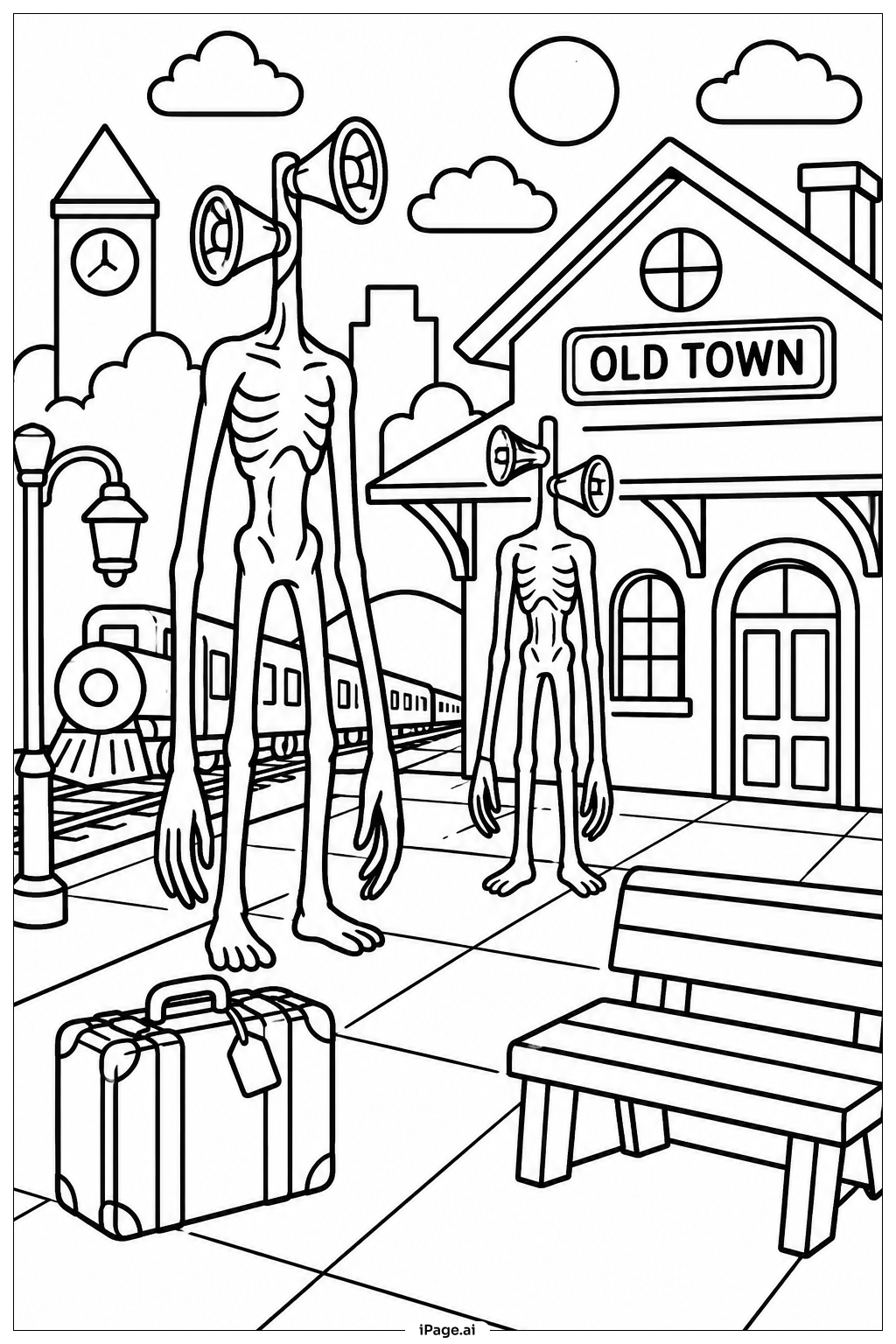
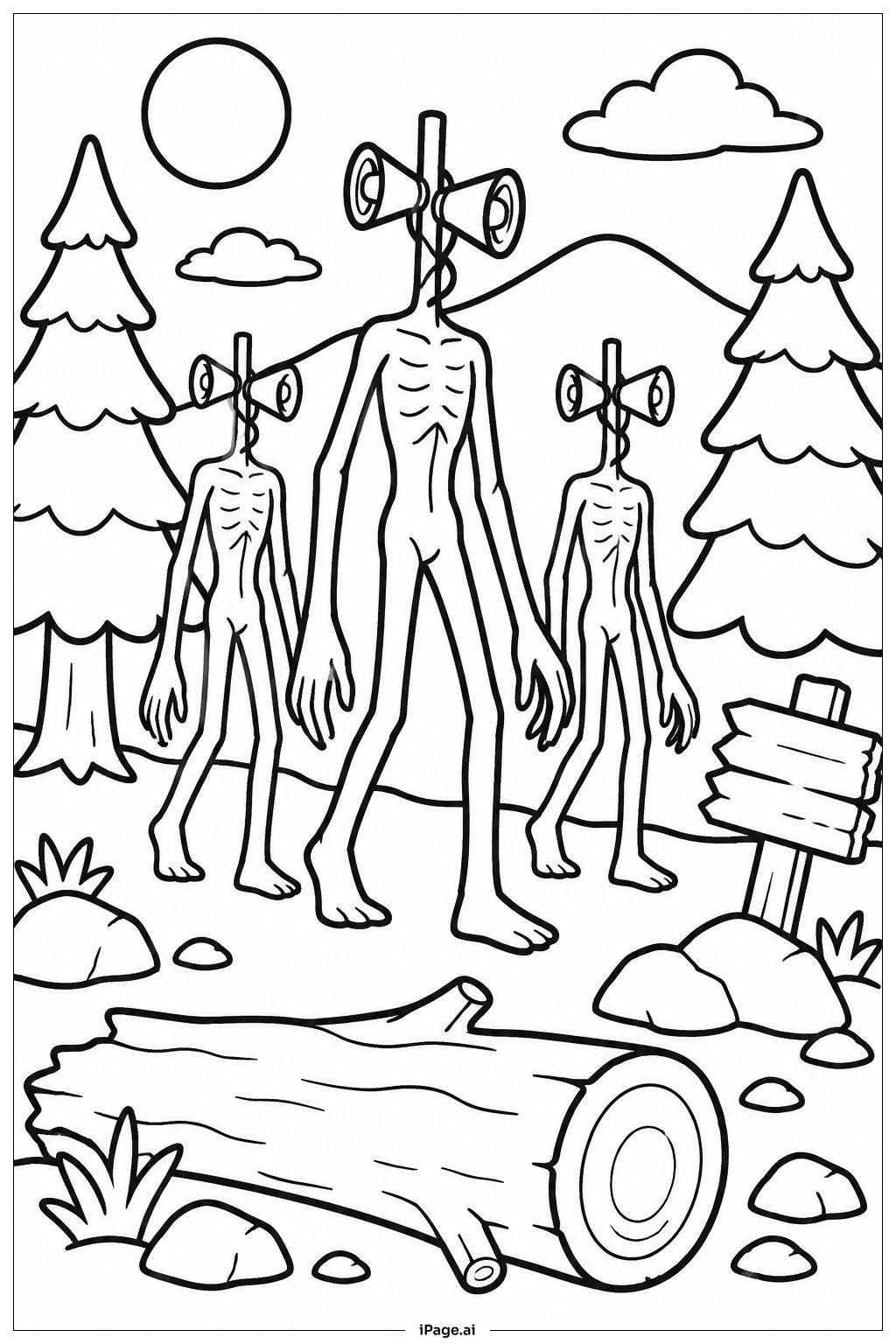
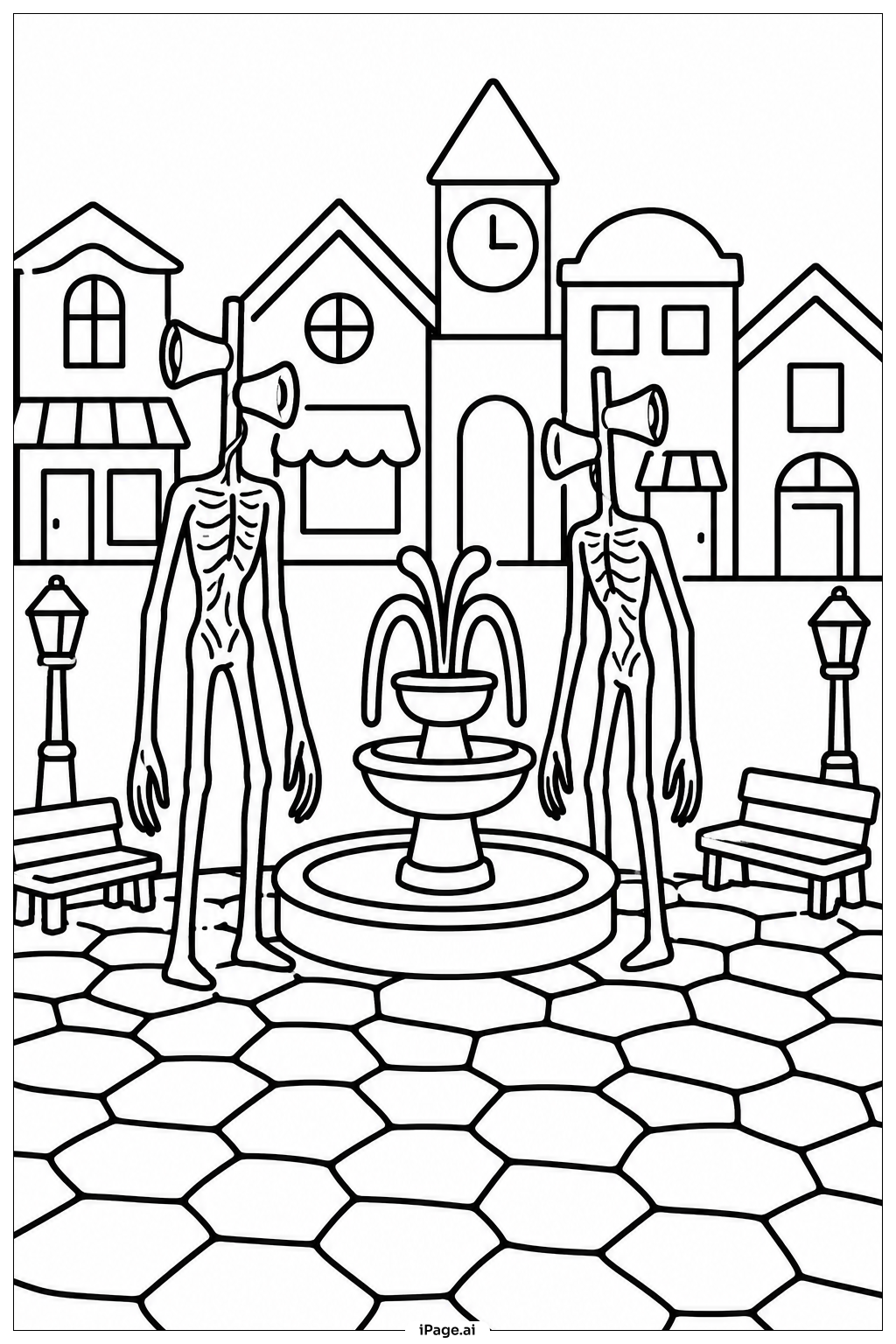
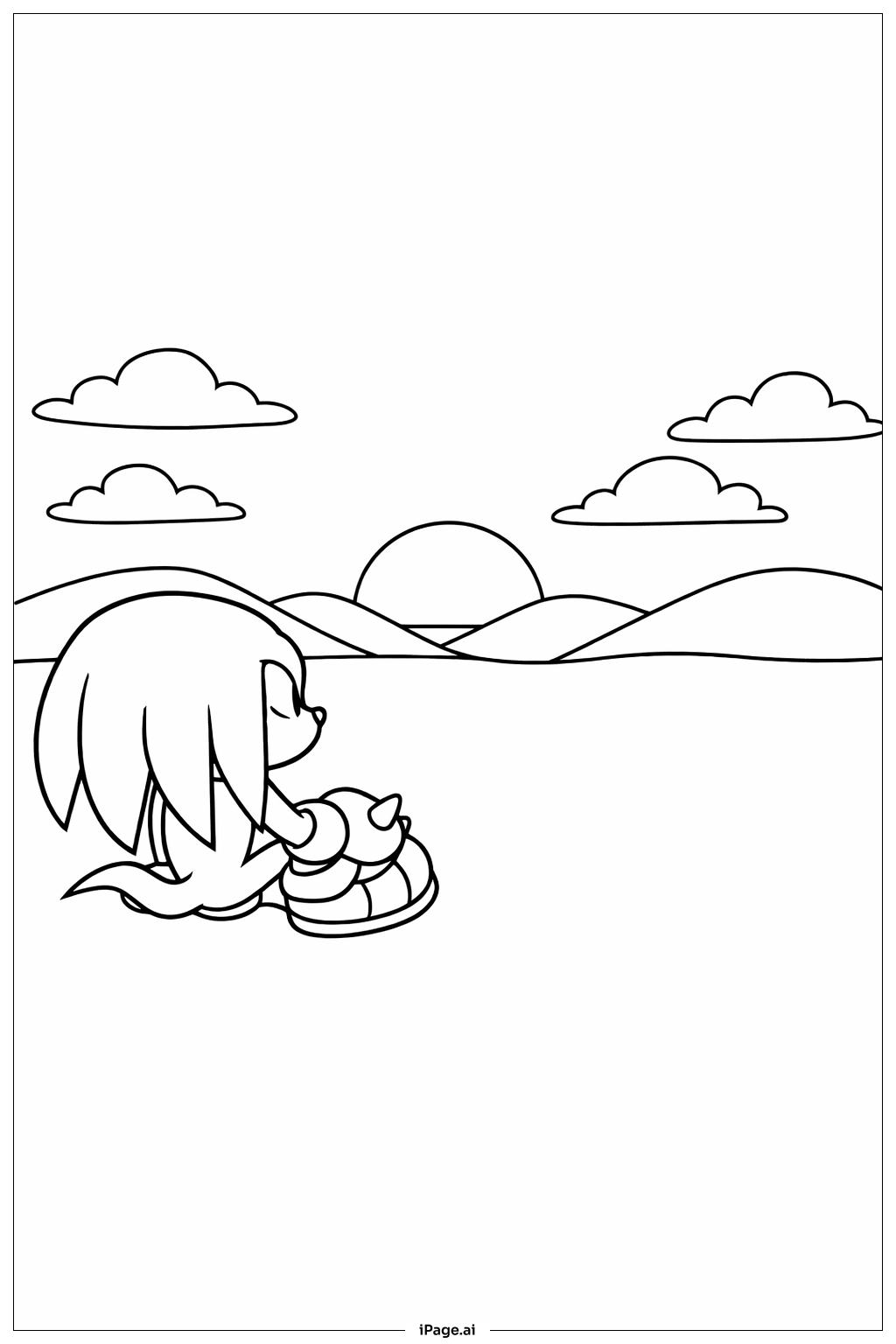
When coloring Siren Head Little Friend, try using shades of browns and greys for its wooden or metallic body to bring out its powerful yet eerie look. Use dark grey or black for the sirens’ grills and add some silver highlights to show shine. For the background, add green shades for plants and grass, and darker greens or browns for trees or rocks. Feel free to use light blues or purples in the sky to create a dusk or dawn atmosphere. Mixing soft and bold colors will help your picture feel both spooky and inviting. Don’t forget to color small details like bolts or lines on the sirens to make them stand out!
Coloring challenges: Which parts are difficult to color and need attention for Siren Head Little Friend coloring page?
• The thin, elongated limbs of Siren Head Little Friend require careful coloring to stay inside the lines without losing their shape. It takes patience to keep the lines clean and smooth.
• The sirens on the head have many small details like grills and bolts which can be tricky to color neatly; these require a steady hand to avoid overlapping colors.
• The texture of the body involves shading to capture the wooden or metallic look, demanding blending skills to add depth and realism.
• The surrounding natural elements like plants and rocks may have overlapping lines and layers, so careful attention is needed to color each part distinctly.
• Achieving the right spooky yet friendly atmosphere means balancing dark and light colors thoughtfully, which can be a challenge for beginners.
Benefits of coloring books: Advantages of drawing Siren Head Little Friend coloring page
Coloring this image of Siren Head Little Friend helps improve fine motor skills through careful work on thin limbs and tiny details. It encourages creativity by allowing you to choose colors that create a spooky or friendly vibe. This activity also enhances concentration and patience as you focus on shading and blending different textures like wood and metal. For kids aged 4 to 16, it’s a fun way to practice color recognition and spatial awareness, learning how to color complex shapes clearly. Most importantly, it fosters imagination by bringing a mysterious character to life through colors.