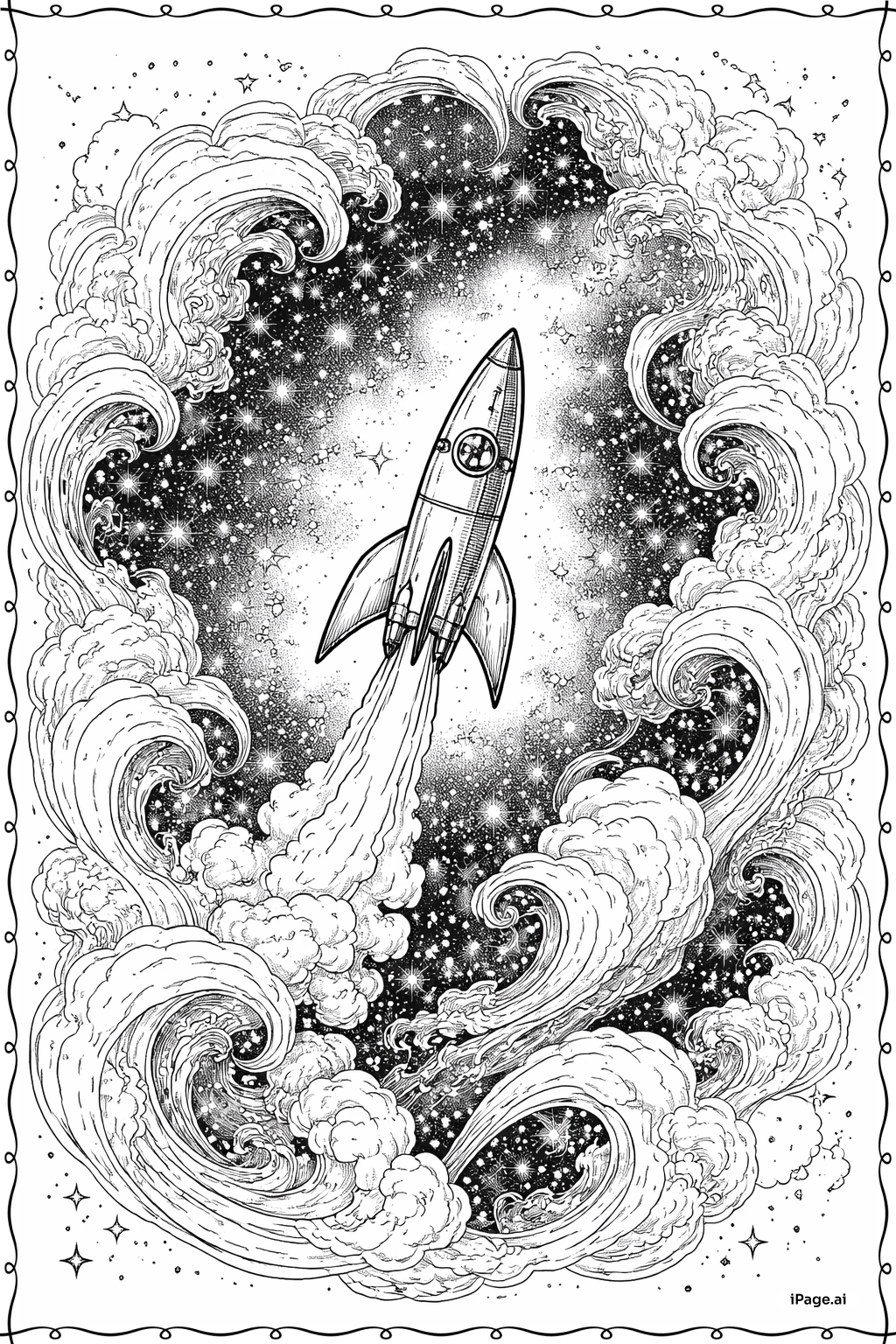
Coloring tips: How to color Rocket Ship In Nebula Field coloring page well?
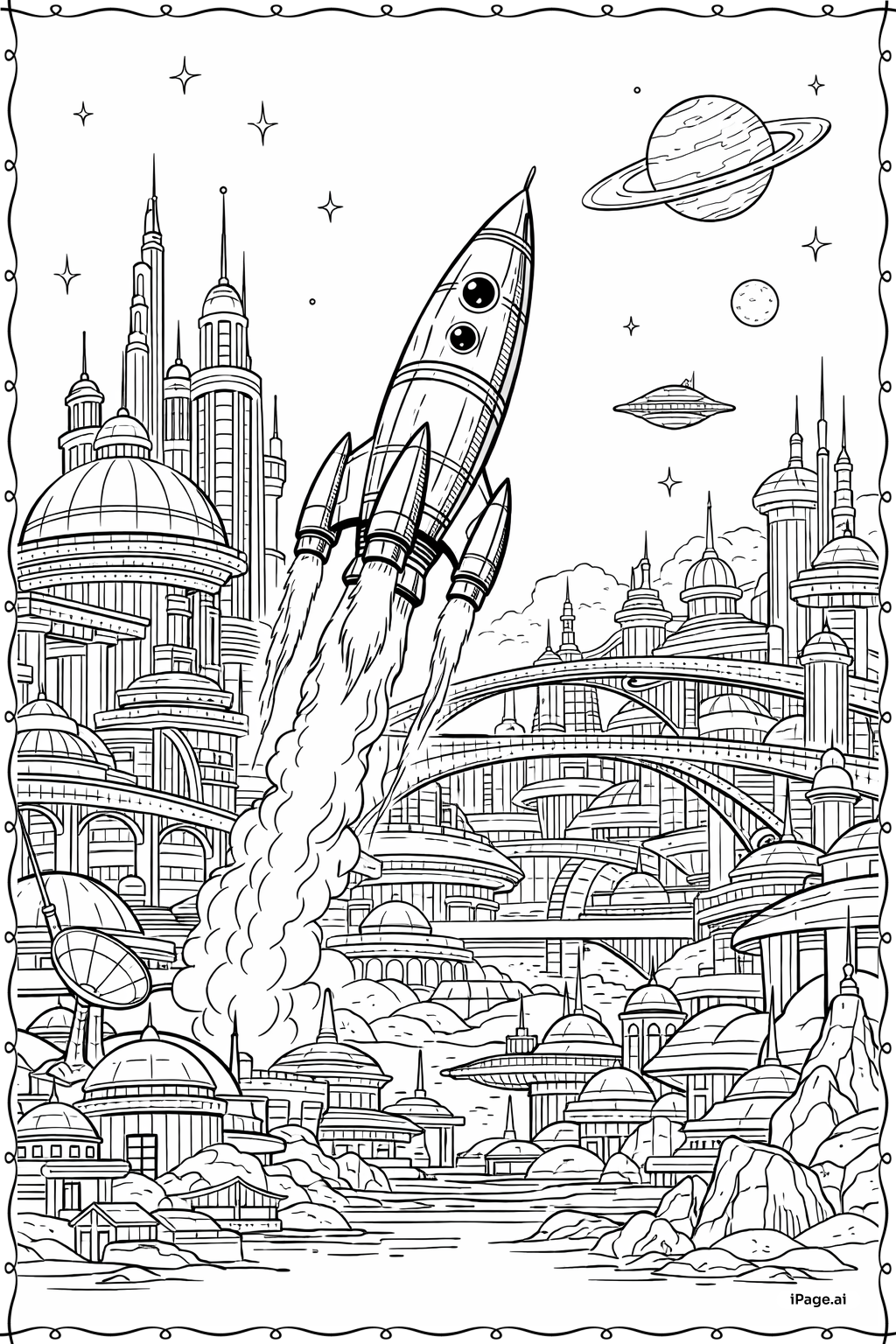
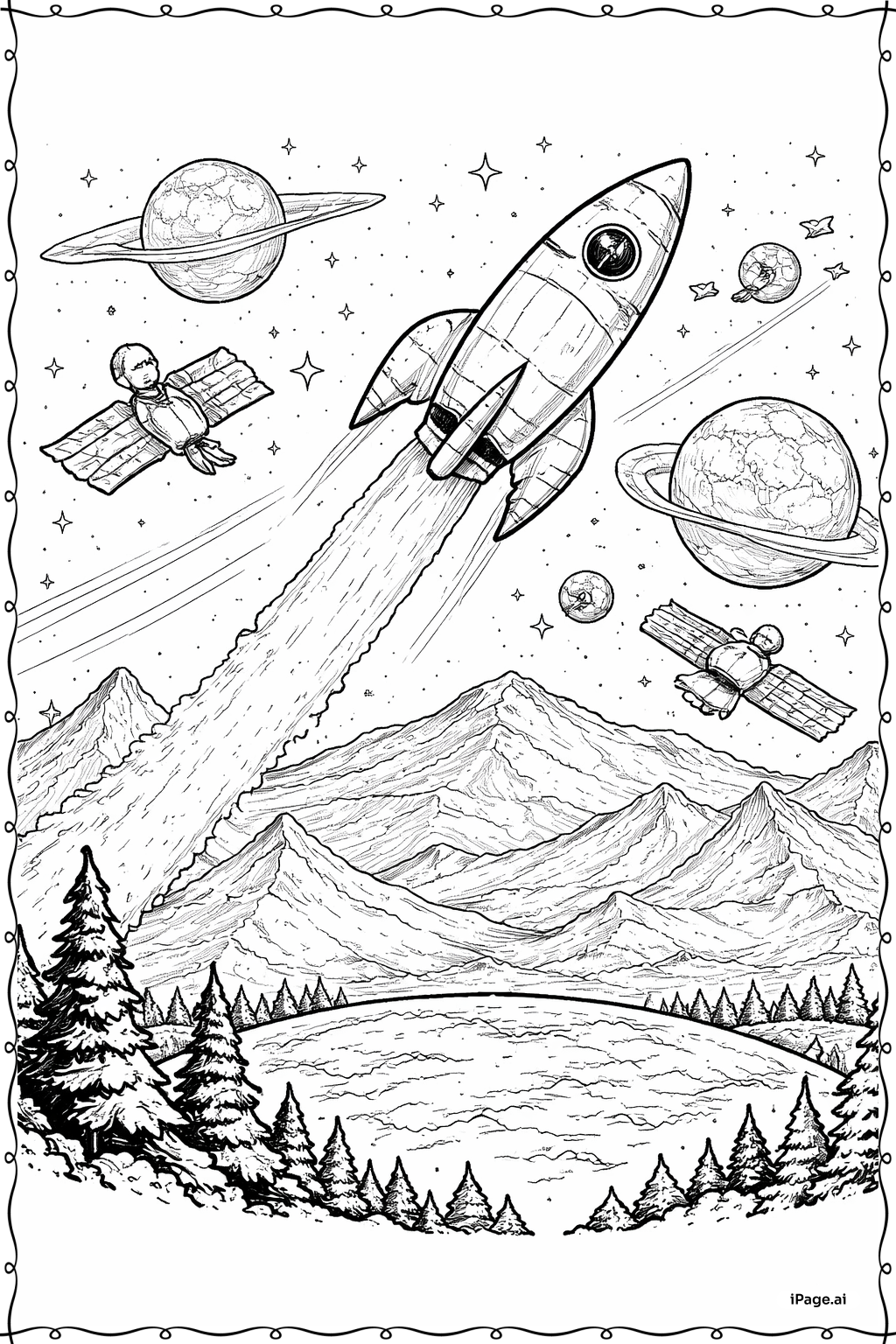
For this Rocket Ship In Nebula Field, try using bright and vibrant colors to make the scene exciting. You can color the Rocket Ship with shiny silver, red, or bright blue to make it stand out. For the nebula, choose soft, swirling colors like purple, pink, blue, and orange to show the glowing gases. Use lighter colors near the stars to make them appear bright. You can also blend colors smoothly in the nebula to show its misty look. Adding white or yellow dots for tiny stars will bring the space scene to life. Have fun combining colors to create a magical space adventure!
Coloring challenges: Which parts are difficult to color and need attention for Rocket Ship In Nebula Field coloring page?
• Detailed Nebula Patterns: The swirling clouds and gas patterns have many curves and slight shapes, which can be tricky to color smoothly and blend nicely.
• Small Star Highlights: The tiny stars scattered around require careful coloring or leaving small white dots to keep their brightness.
• Rocket Ship Details: The rocket has smaller parts like fins, windows, and exhaust areas that need neat coloring to keep the design clean.
• Color Transitions: Blending different colors in the nebula for a natural glowing effect can be difficult, especially for younger children.
• Staying Inside Lines: Because of the many small shapes and curvy edges in the nebula, it takes focus to color inside the lines neatly, especially in tight spaces.
Benefits of coloring books: Advantages of drawing Rocket Ship In Nebula Field coloring page
Coloring this Rocket Ship In Nebula Field helps build creativity by encouraging you to imagine space colors and designs. It improves fine motor skills as you carefully color the small details on the rocket and nebula. Working on blending bright colors enhances hand-eye coordination and patience. It also teaches focus and attention to detail because of the many shapes and tiny stars. Above all, coloring this space scene inspires curiosity about space and science, making it both fun and educational for children aged 4 to 16.