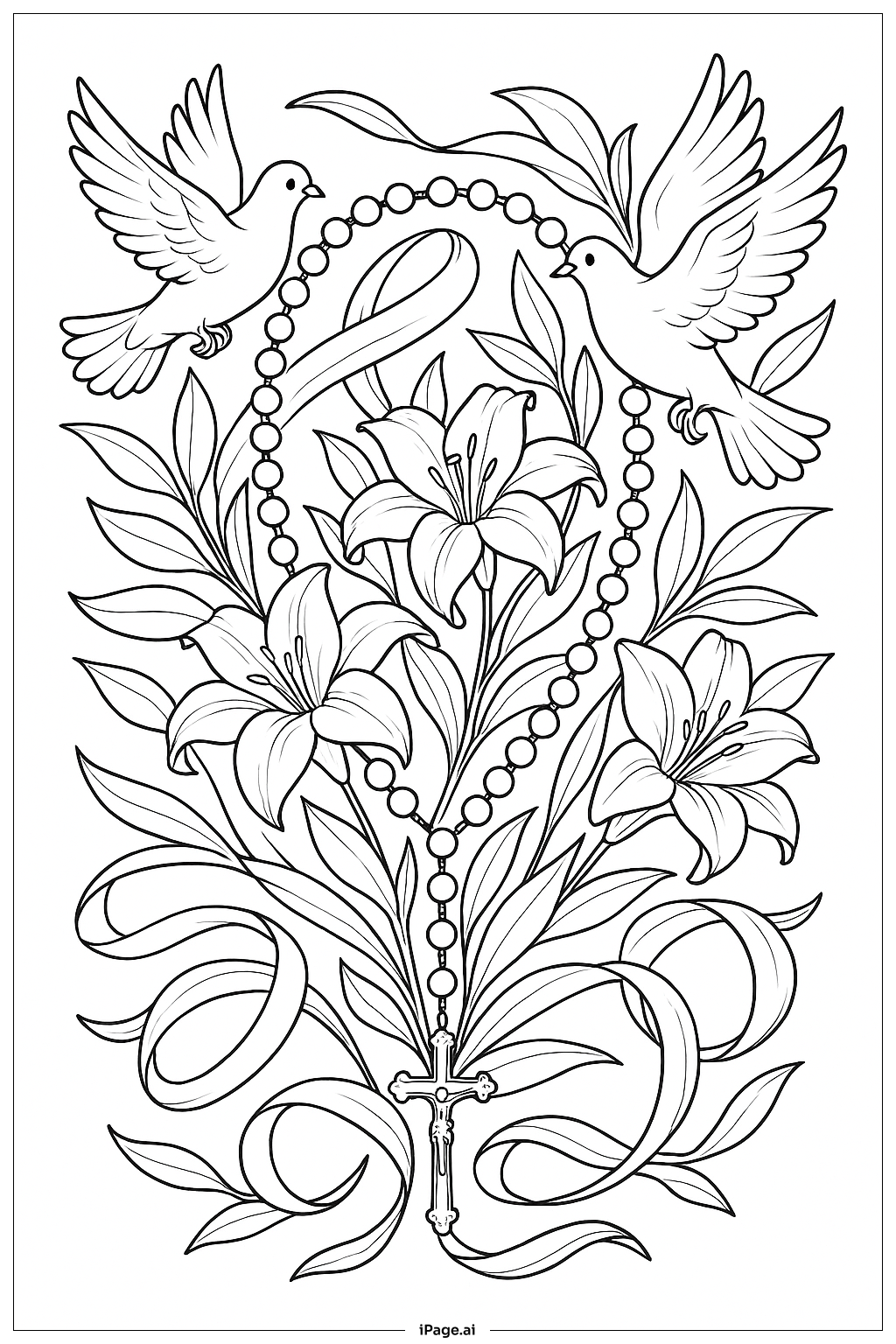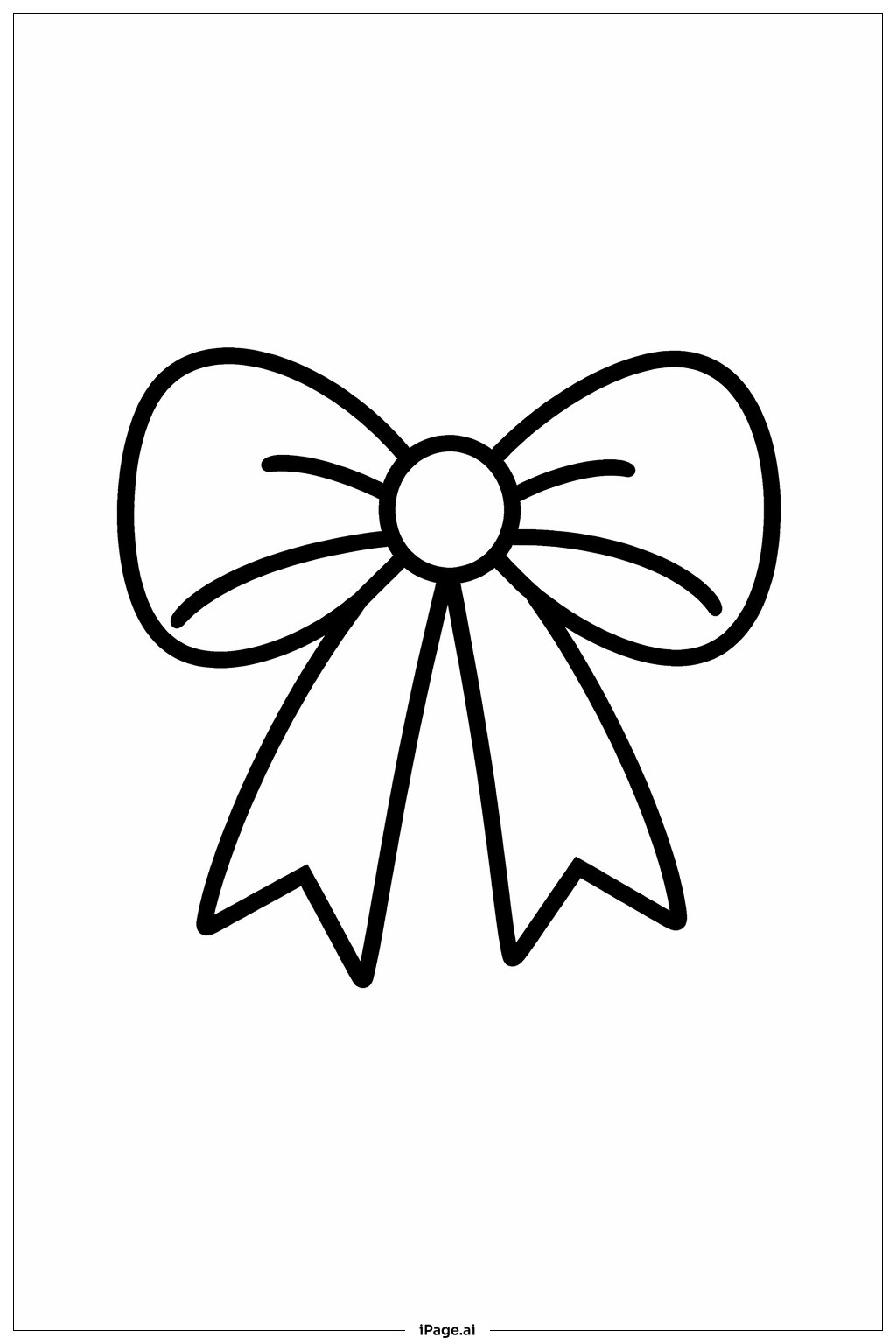
Coloring tips: How to color Resurrection Ribbon Bow coloring page well?
Start by choosing colors that feel bright, hopeful, and celebratory to match the spirit of Resurrection. Soft pastels like lavender, baby pink, sky blue, mint green, and pale yellow work beautifully for the ribbon loops and tails. For the central knot, try a slightly deeper shade of your main color to create contrast and make it stand out. You can add gentle shading along the inner folds of the ribbon to give the bow a three-dimensional look. Use a white crayon or leave light areas uncolored to show where light would naturally hit the ribbon. For a more festive feel, try gold or warm yellow accents along the edges. Children can keep it simple with one or two colors, while older kids can experiment with blending and layering to make the bow look soft and silky. There are no rules — let your creativity shine and make this Resurrection bow your own!
Coloring challenges: Which parts are difficult to color and need attention for Resurrection Ribbon Bow coloring page?
• Shading the Ribbon Folds: The bow has several curved folds and layered sections. Coloring these areas neatly while showing depth and shadow can be tricky. You need to use slightly darker tones in the inner folds and lighter tones on raised areas to make the bow look three-dimensional. Take your time and build up color gradually.
• Staying Inside Curved Lines: The ribbon loops and trailing tails have smooth, flowing curves. Keeping your coloring tool inside these rounded edges without going over the lines requires a steady hand and good control, especially in the tighter areas near the central knot. Coloring pencils with fine tips are helpful here.
• Coloring the Central Knot: The knot at the center of the bow is the most detailed and compact area of the image. Multiple overlapping ribbon sections meet here, making it easy to accidentally color outside the intended areas. Work slowly and use a sharpened pencil or a thin marker for precision in this section.
• Achieving a Smooth, Silky Look: Ribbons are meant to look soft and shiny. Blending colors smoothly to mimic the sheen of real ribbon fabric takes practice. Uneven or patchy coloring can make the bow look flat. Try layering light and slightly darker shades of the same color family to create a gentle gradient effect.
• Balancing Color Across the Whole Bow: With large loops on both sides and long trailing ribbons, keeping your colors balanced and consistent across the entire design can be challenging. Plan your color choices before you begin so the finished bow feels unified and harmonious.
Benefits of coloring books: Advantages of drawing Resurrection Ribbon Bow coloring page
Coloring this Resurrection Ribbon Bow offers a wonderful range of benefits for children and young artists. The flowing curves and decorative details of the bow make it a perfect exercise for building fine motor skills and improving hand control. Carefully filling in each section of the ribbon helps children practice precision and patience, skills that carry over into writing and other daily tasks.
The themed design also encourages creativity and imaginative thinking. Choosing colors that feel hopeful and celebratory connects children to the joyful meaning of Resurrection, sparking conversations about new beginnings, hope, and renewal.
Spending focused time on a coloring activity is a great way to calm the mind. It helps children slow down, concentrate, and find a quiet sense of flow, which can reduce stress and support emotional balance.
For older kids, experimenting with shading and blending on the ribbon's folds builds early artistic skills like understanding light, shadow, and depth. It teaches them to observe how color can create shape and texture.
Most of all, completing this coloring page gives children a real sense of accomplishment. Finishing a detailed and meaningful image builds confidence and inspires them to take on new creative challenges. It is a simple, screen-free activity that brings genuine joy and artistic growth.