Coloring tips: How to color Resurrection Lily Big coloring page well?
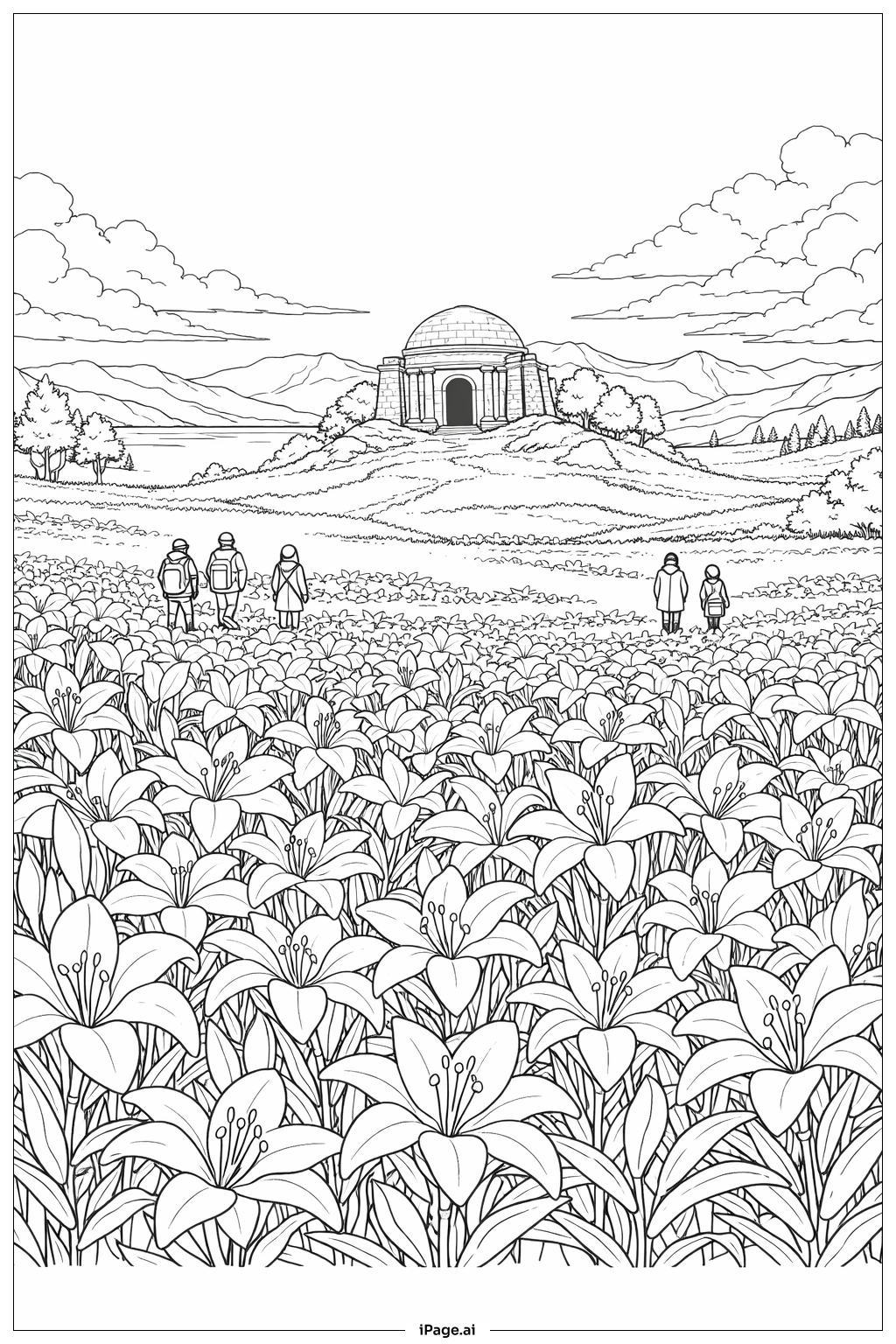
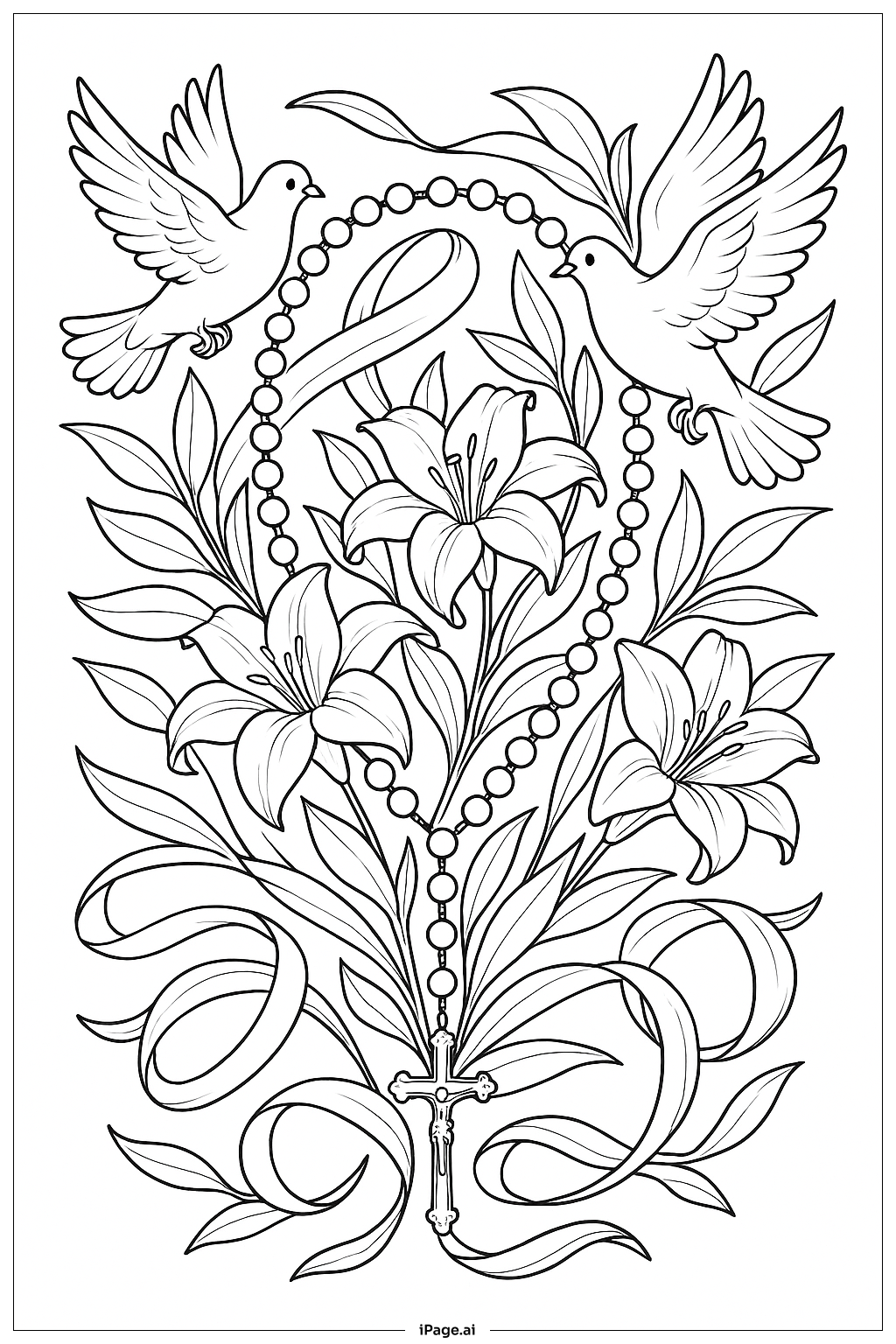
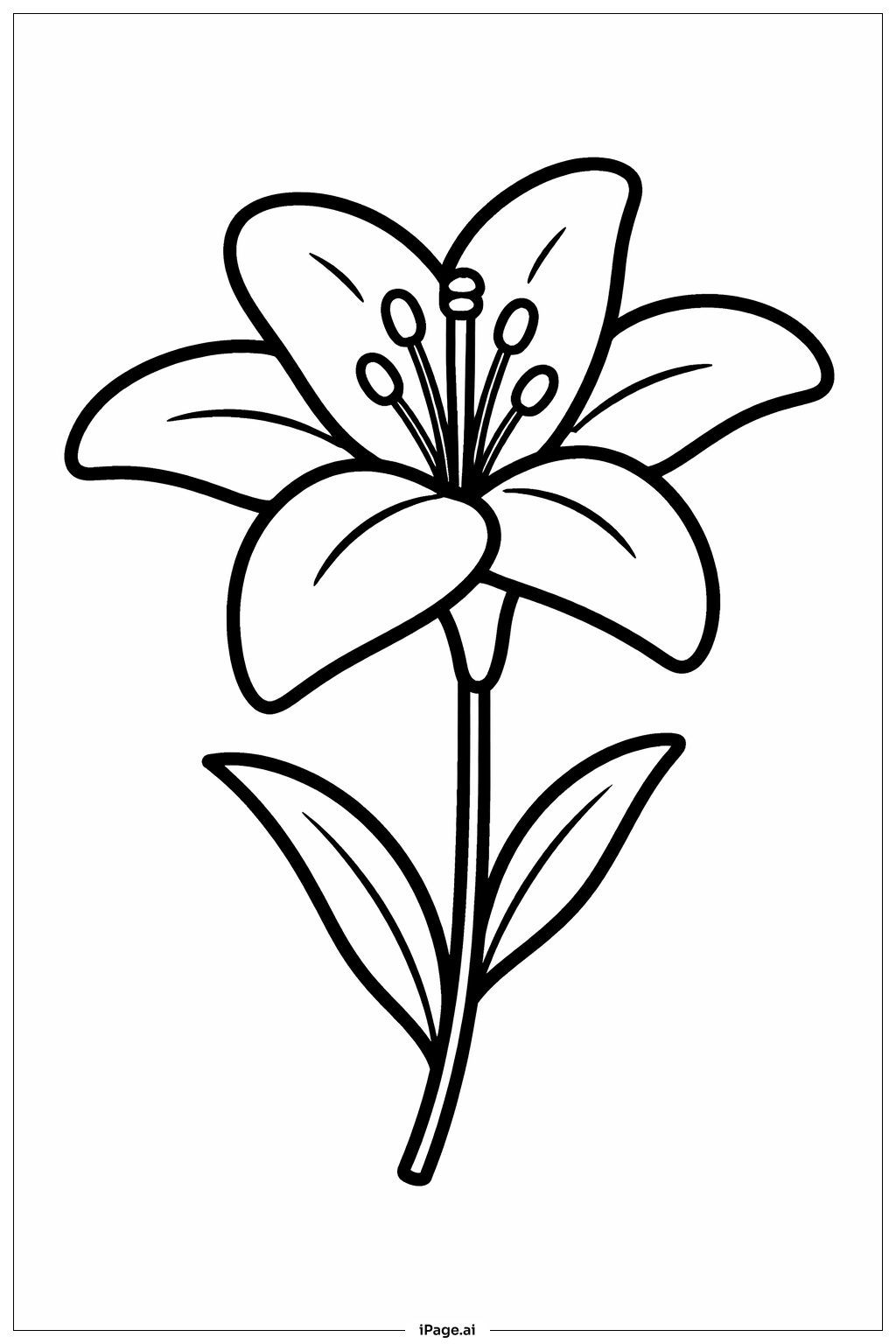
Start with the petals using soft pink, coral, or classic red shades, as resurrection lilies naturally display these warm tones. You can add depth by making the petal edges slightly darker than the centers. Color the long stamens in bright yellow or orange with dark brown or black tips for the anthers. The stem should be a fresh green, perhaps with slight yellow-green highlights where light would hit. Use deeper green for the leaves at the base, adding lighter green veins for texture. Consider adding subtle shading along the petal curves to emphasize their backward sweep. The center of each flower can be left lighter or colored in pale yellow to create contrast. For a more creative approach, try purple or burgundy tones, or even mix colors within a single petal for an ombre effect.
Coloring challenges: Which parts are difficult to color and need attention for Resurrection Lily Big coloring page?
• Petal Curves and Reflexing: The backward-curving petals of the resurrection lily require careful color gradation to show their three-dimensional form. The curves create natural shadows and highlights that need thoughtful shading. Younger colorists may find it challenging to determine where petals overlap and how to show depth without the shading looking muddy or inconsistent.
• Stamen Details: The long, delicate stamens extending from each flower present a precision challenge. These thin lines require steady hand control and careful color selection to make them stand out against the petals without overwhelming the design. The small anthers at the tips need extra attention to detail, and choosing contrasting colors helps them pop visually.
• Multiple Bloom Coordination: With several flowers grouped together, maintaining color consistency while adding variety poses a challenge. Deciding whether to make all blooms identical or introduce subtle variations in shade and intensity requires planning. The overlapping flowers also create complex areas where one bloom passes behind another, demanding careful attention to layering.
• Petal Texture and Veining: Resurrection lily petals often display subtle veining and texture that add realism. Capturing this delicate detail without making the petals look too busy requires a light touch and possibly colored pencils or fine-tipped markers. Balancing detail work with broader color fills tests patience and technique.
Benefits of coloring books: Advantages of drawing Resurrection Lily Big coloring page
Coloring this resurrection lily helps develop fine motor skills through its intricate petal curves and delicate stamens. The detailed line work encourages focus and concentration, making it an excellent mindfulness activity that can reduce stress and promote relaxation. Children learn about botanical structures and the unique characteristics of this special flower while exploring color theory through natural or imaginative palettes. The curved, flowing lines of the petals provide practice in following complex shapes and understanding three-dimensional forms on a flat surface. This design builds patience and persistence as colorists work through the detailed elements. The symmetrical yet organic nature of the flowers teaches observation skills and attention to detail. Completing this page brings a sense of accomplishment and allows for creative expression through personal color choices, whether realistic or fantastical.