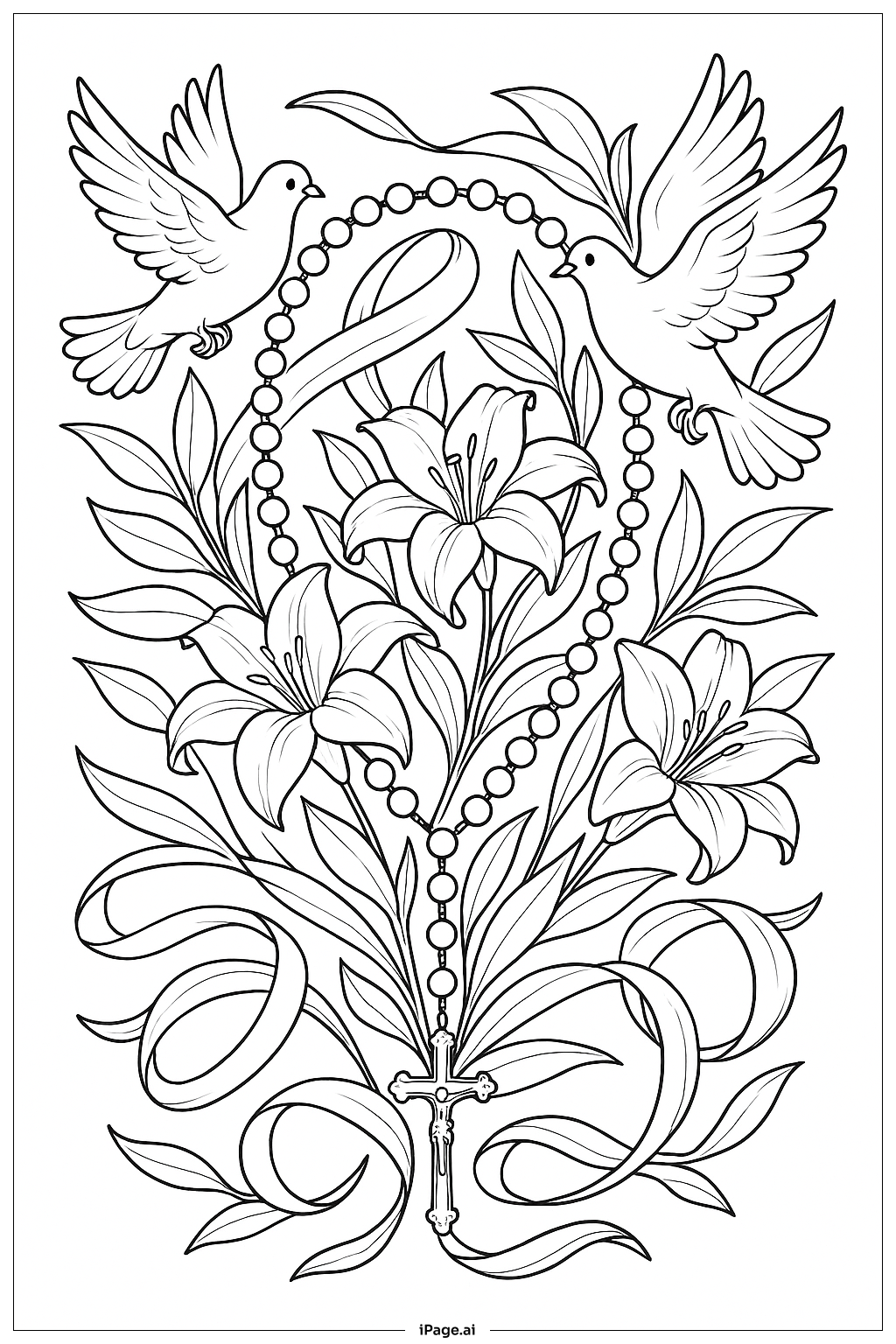
Coloring tips: How to color Resurrection Garden Flower coloring page well?
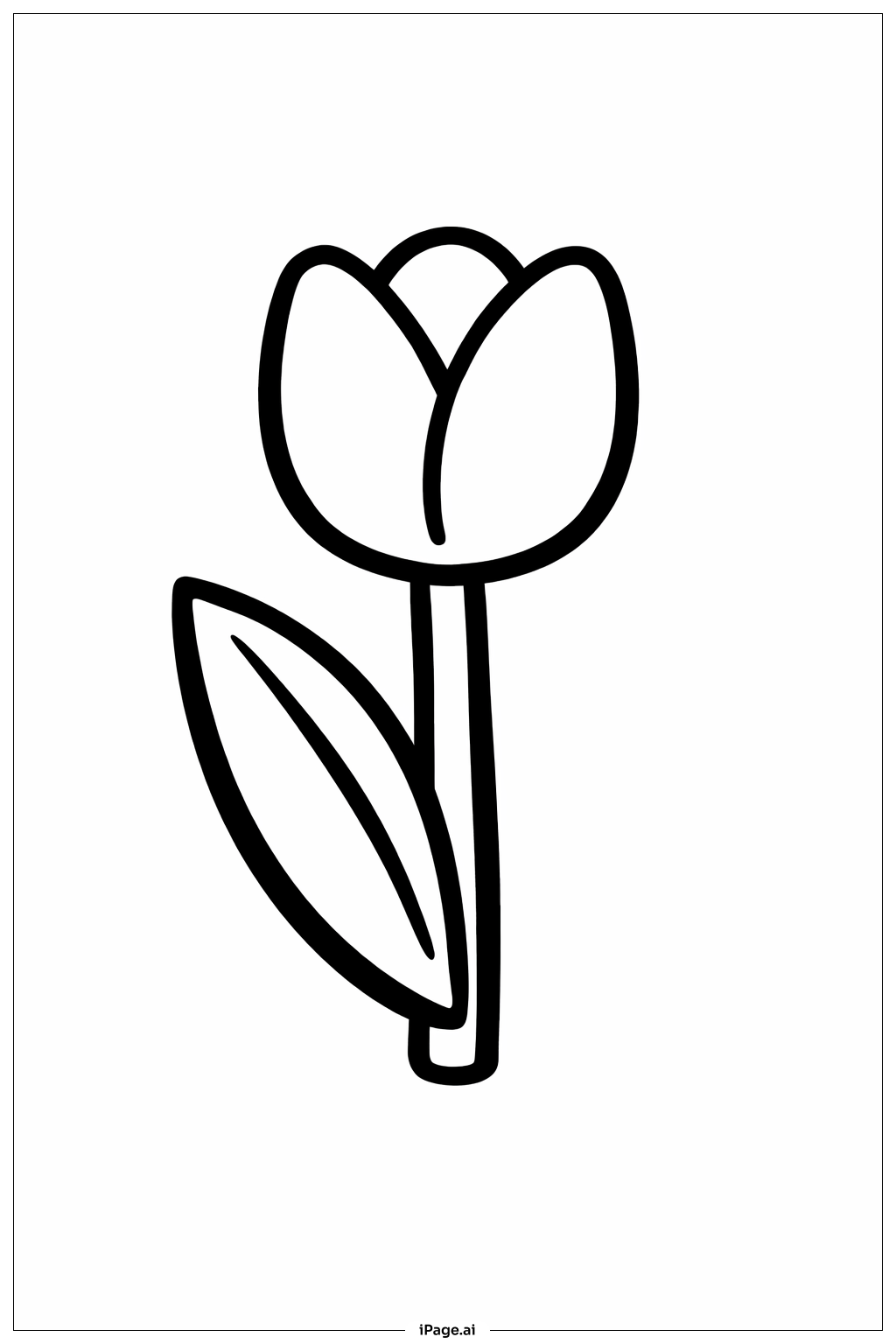
For the main lily, consider using pure white or cream for the petals to represent purity and new beginnings, or try soft pastels like pale pink, lavender, or light yellow for a gentle spring feel. The stamen can be colored in vibrant yellow or golden orange to create a striking contrast. Use various shades of green for the leaves and stem, mixing darker forest green for depth with lighter lime green for highlights. The smaller buds can be colored in complementary tones, perhaps light purple or soft peach. For the garden base, consider earthy browns mixed with fresh greens to suggest soil and grass. Adding subtle shading with colored pencils can bring dimension to each petal.
Coloring challenges: Which parts are difficult to color and need attention for Resurrection Garden Flower coloring page?
• Petal Shading and Dimension: The large lily petals require careful color blending to create a realistic three-dimensional appearance. Children may find it challenging to transition from lighter tones at the petal edges to deeper shades near the center, especially when trying to make the flower look naturally curved and lifelike rather than flat.
• Intricate Stamen Details: The center of the lily contains delicate stamen with fine lines and small structures that need precise coloring. Younger children might struggle to stay within these tiny areas, and choosing appropriate colors that stand out against the petals while maintaining harmony can be tricky.
• Leaf Veining and Texture: The elongated leaves feature natural vein patterns that add realism but require attention to detail. Coloring these veins in a slightly different shade while maintaining the overall green tone demands good color control and a steady hand, which can be difficult for less experienced colorists.
• Background Balance: Deciding how to color the surrounding garden elements without overwhelming the main flower presents a compositional challenge. Children need to consider color harmony and balance, ensuring the background foliage complements rather than competes with the central lily for attention.
• Consistent Light Source: Creating realistic shading throughout the entire image requires understanding where light would naturally fall. Maintaining a consistent light direction across all petals, leaves, and garden elements demands planning and spatial awareness that develops with practice.
Benefits of coloring books: Advantages of drawing Resurrection Garden Flower coloring page
Coloring this Resurrection garden flower helps children develop fine motor skills through careful hand movements within detailed petal and leaf outlines. The varying sizes of elements, from large petals to tiny stamen, improve hand-eye coordination and pencil control. This image encourages creativity as children choose color combinations and experiment with shading techniques to bring the flower to life. The peaceful garden theme promotes relaxation and mindfulness, helping kids focus and reduce stress. Learning about the symbolism of Resurrection flowers can spark conversations about springtime, renewal, and nature's cycles. The project builds patience and concentration as children work through multiple detailed sections, celebrating the completion of a beautiful finished piece.