Coloring tips: How to color Tiny Rabbit coloring page well?
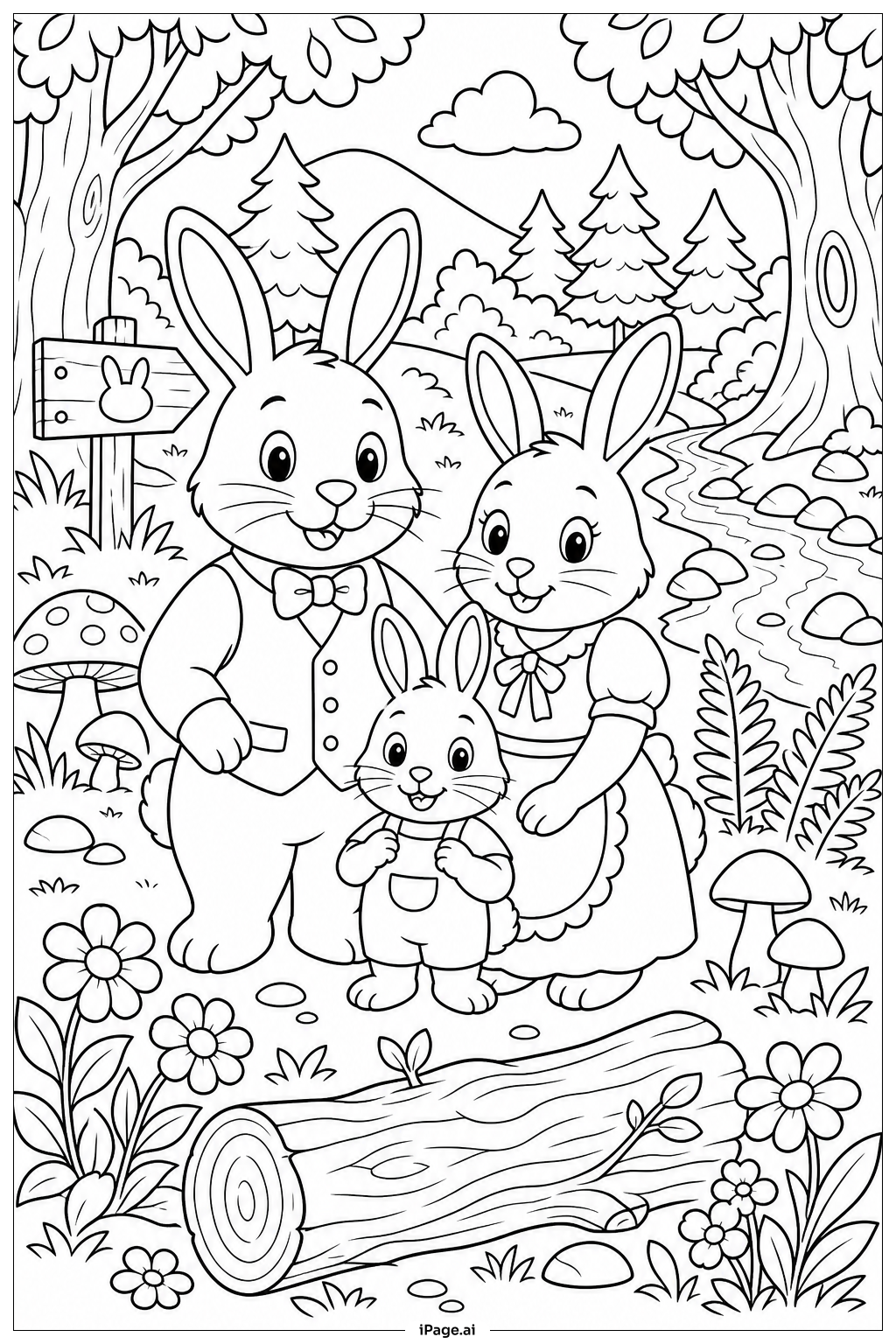
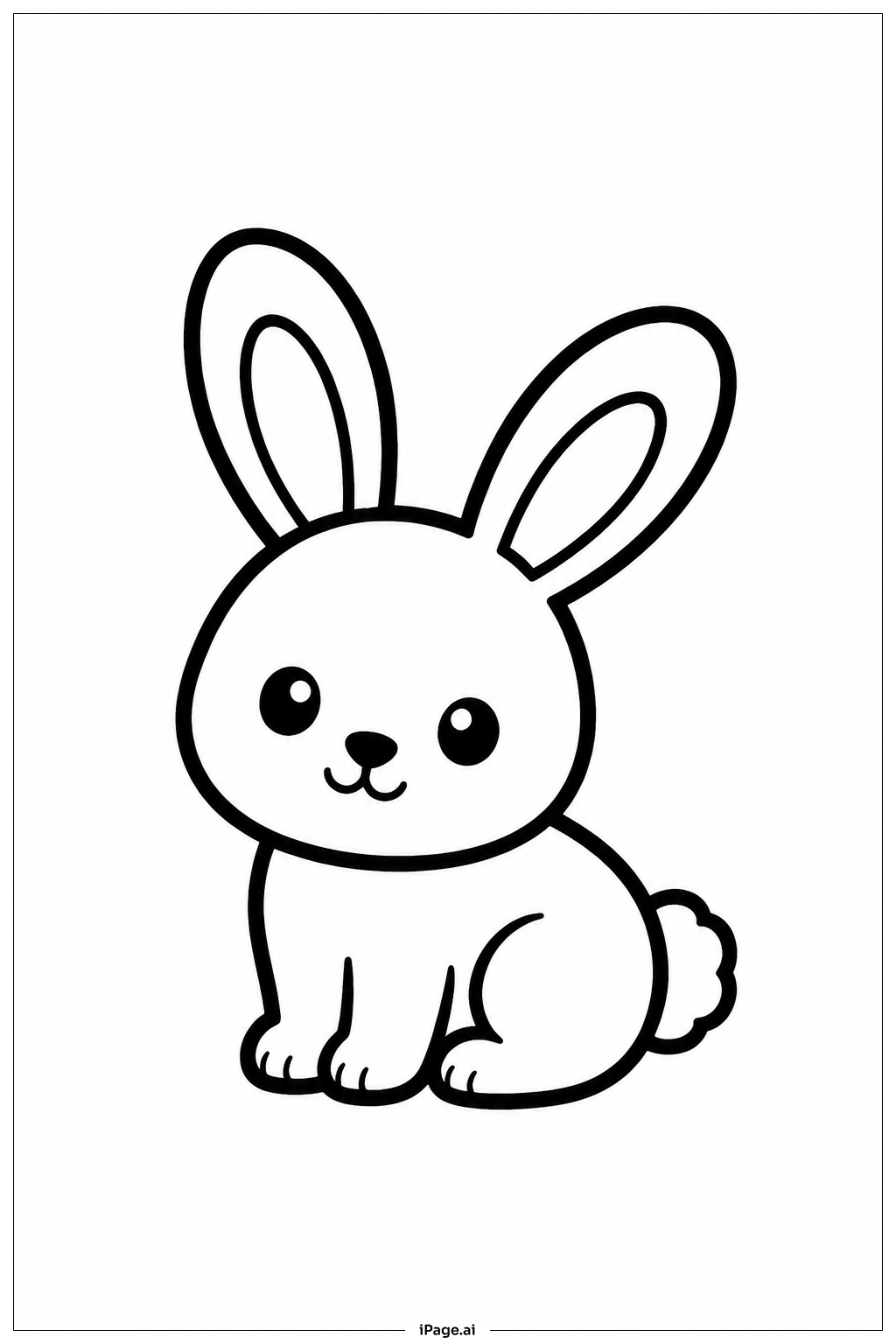
Start with the rabbit's body using soft, light colors. White or light gray works great for a realistic look. You can also use pale tan or cream for a warm, cozy feel. Try light pink inside the ears to add a lifelike touch. Use a slightly darker shade of your base color to add shading along the sides and under the chin. This gives the fur some depth. For the eyes, go with dark brown or black, and leave a tiny white dot for a sparkle effect. The nose can be a soft pink or rosy red. If you want a fun, creative look, feel free to use any colors you love. A rainbow rabbit or a purple bunny can be just as wonderful. Add dots, stripes, or flower patterns on the body to make it extra special. Use colored pencils for smooth blending, or markers for bold and bright results. Have fun and make this tiny rabbit truly your own!
Coloring challenges: Which parts are difficult to color and need attention for Tiny Rabbit coloring page?
• Tiny Fur Texture Lines: The rabbit's body has many small curved lines suggesting fluffy fur. Staying inside these fine lines while keeping colors smooth can be tricky, especially for younger colorists. Take your time and use a sharp pencil tip for the best results.
• Ear Shading: The ears have an outer area and a softer inner area. Coloring both sections neatly without blending them together requires careful control. Use two different shades and work slowly from the edge inward.
• Small Facial Features: The eyes, nose, and mouth are very small details packed closely together. Filling these in cleanly without smudging into surrounding areas is one of the trickier parts of this page. Fine-tipped tools work best here.
• Smooth Body Gradients: To make the rabbit look round and three-dimensional, colorists need to gradually shift from a lighter shade in the center to a darker shade near the edges. Achieving a natural-looking gradient without harsh lines takes practice and patience.
• Tail Definition: The small fluffy tail at the back of the rabbit is a tiny circular shape. It needs to be colored in a way that makes it look soft and separate from the rest of the body. Using a slightly different tone or leaving a thin white outline around it can help it stand out.
Benefits of coloring books: Advantages of drawing Tiny Rabbit coloring page
Coloring this Tiny Rabbit page offers a wonderful range of benefits for kids and beginners alike. First, it helps build fine motor skills. Carefully filling in small areas like the ears and face trains the hand muscles and improves pencil control. This directly supports writing and drawing development. Second, it encourages focus and patience. The detailed fur lines and small facial features ask colorists to slow down and pay attention, which is great practice for concentration. Third, it sparks creativity. Choosing colors, adding patterns, or inventing a whole new look for the rabbit lets children express themselves freely and build confidence in their creative choices. Fourth, it is calming and relaxing. The gentle, simple design of the bunny creates a peaceful coloring experience that can ease stress and help kids unwind after a busy day. Finally, finishing the page gives a real sense of achievement. Seeing a complete, colorful rabbit at the end feels rewarding and motivates kids to keep creating. This page is a perfect blend of fun, learning, and relaxation.