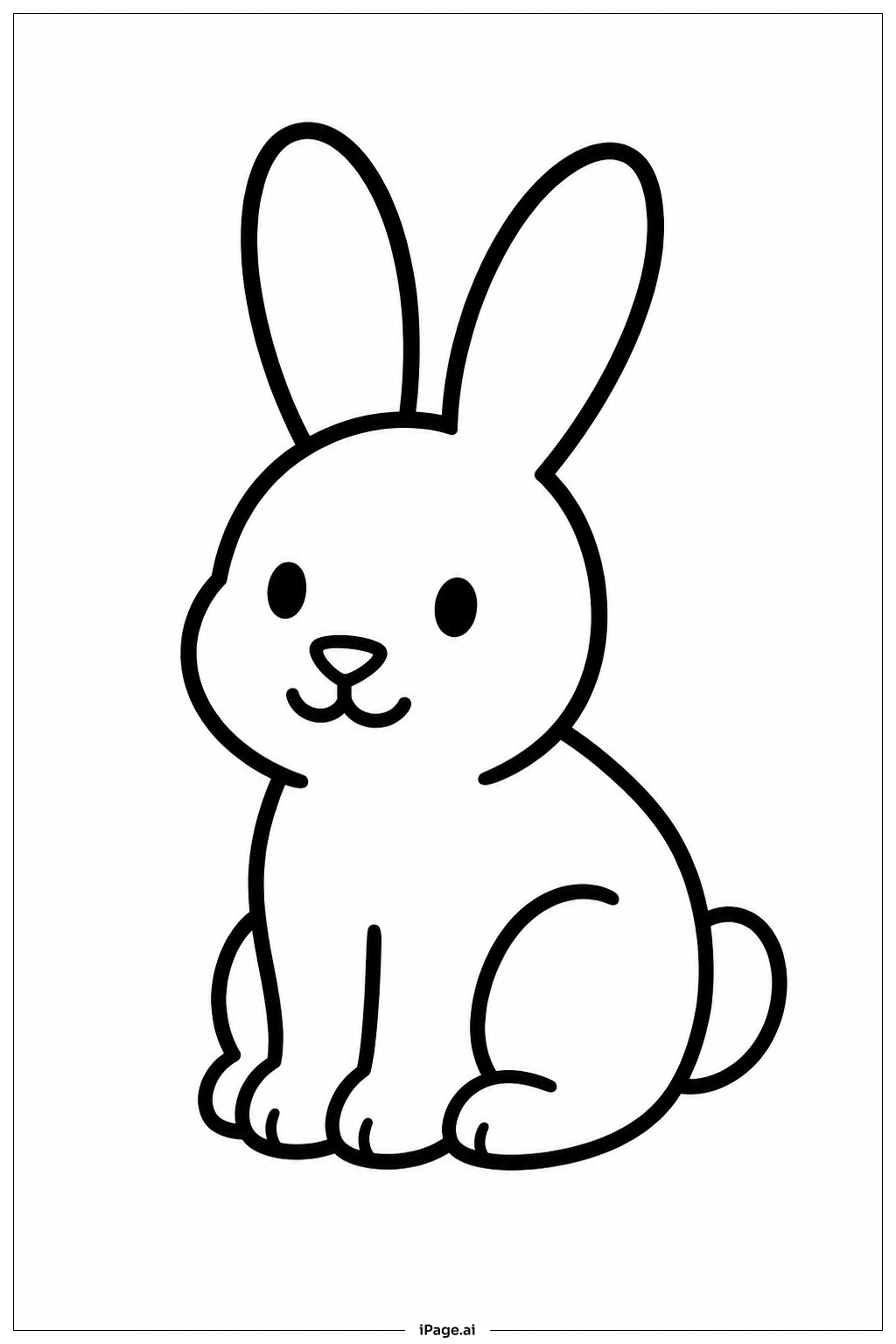
Coloring tips: How to color Sitting Rabbit coloring page well?
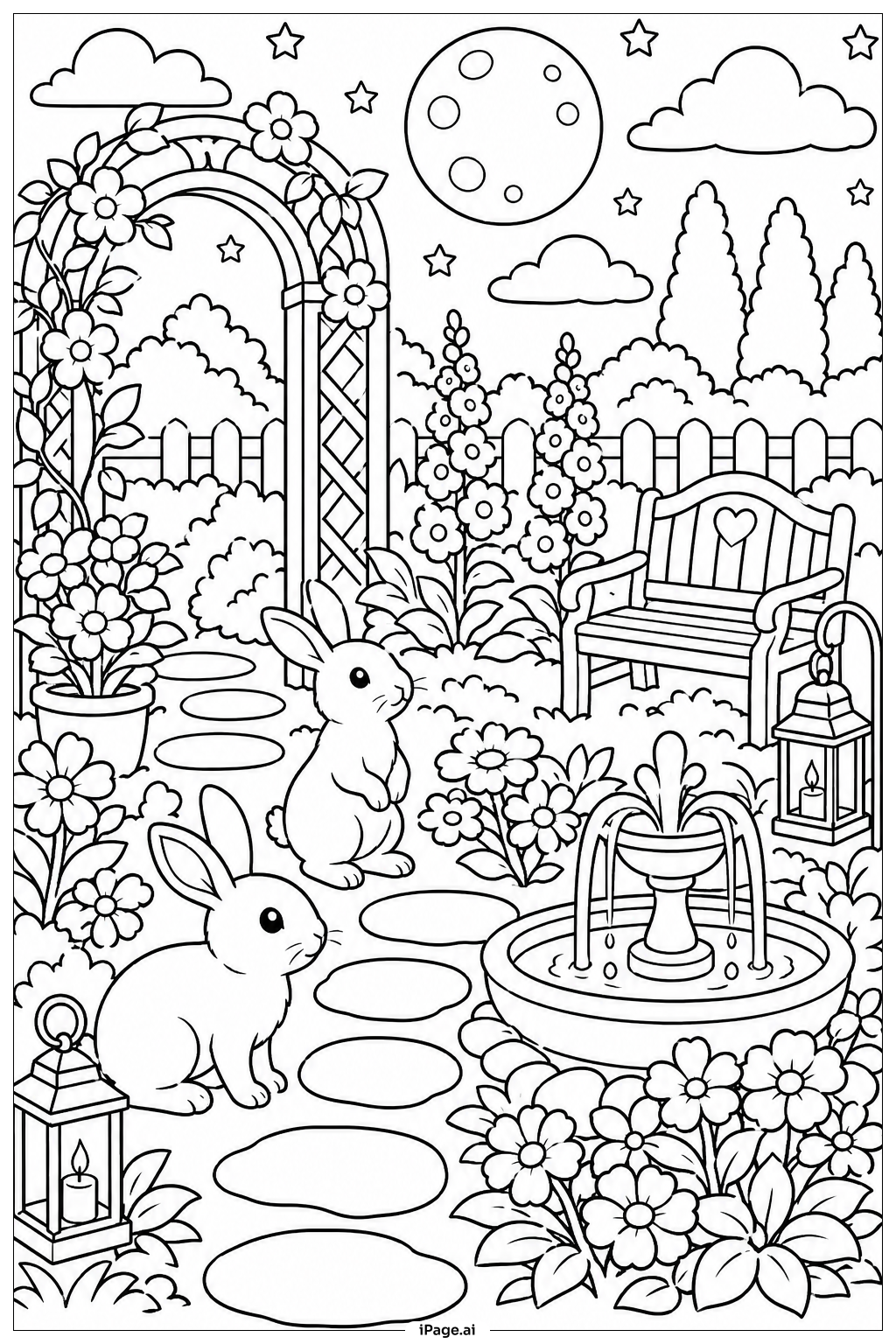
Start with the body of the rabbit. Light gray or creamy white works great for a classic look. You can also try soft brown or tan for a more natural feel. Use a slightly darker shade of the same color to add gentle shading along the edges and under the chin to give the body some depth. For the inner ears, try a soft pink or peachy tone. The eyes can be colored dark brown or black with a tiny white highlight dot to make them look shiny and alive. The nose looks cute in light pink or rosy red. If you want to be creative, try making the rabbit a fun color like lavender, sky blue, or pale yellow. Add a soft background such as green grass, colorful flowers, or a bright meadow to bring the whole scene to life. Light, gentle strokes work best for the fur areas to keep that fluffy feeling.
Coloring challenges: Which parts are difficult to color and need attention for Sitting Rabbit coloring page?
• Fur Texture: One of the biggest challenges is making the rabbit look fluffy and soft. Real fur has many layers and subtle color changes. To get this effect, try using short, light strokes in the direction the fur would naturally grow. Avoid coloring in heavy, flat blocks of color, as this can make the rabbit look stiff and unnatural.
• Inner Ear Shading: The inside of the ears is a delicate area that needs careful attention. The color here is usually lighter and warmer than the rest of the body. Blending the ear color smoothly into the outer ear without harsh lines takes patience and a gentle hand, especially for younger colorists.
• Small Facial Features: The rabbit's face has tiny details like the eyes, nose, and subtle mouth. These small areas can be tricky to color neatly without going outside the lines. Using a fine-tipped coloring pencil or marker will help keep things precise. The eyes especially benefit from careful work since adding that small white highlight can make a big difference.
• Body Curves and Shading: The rabbit's round, plump body has gentle curves. Adding shading to show the roundness, such as making the sides and underside slightly darker, requires some blending skill. Without this shading, the figure can look flat and two-dimensional.
• Consistent Color Tone: Keeping the same color tone across the whole body while adding variation for depth is a balancing act. Using colors from the same family, such as light gray and medium gray, helps everything look connected and harmonious rather than patchy or mismatched.
Benefits of coloring books: Advantages of drawing Sitting Rabbit coloring page
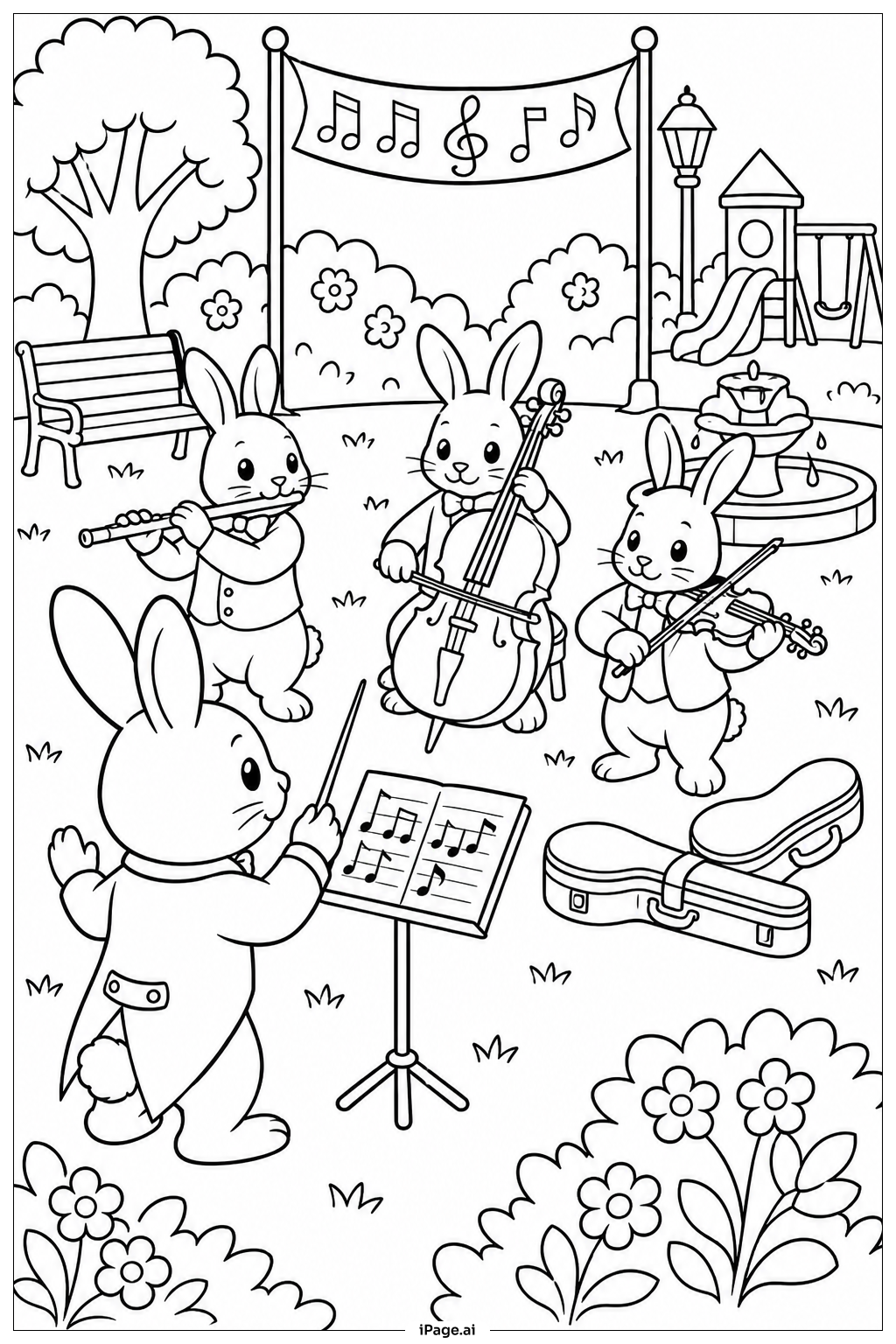
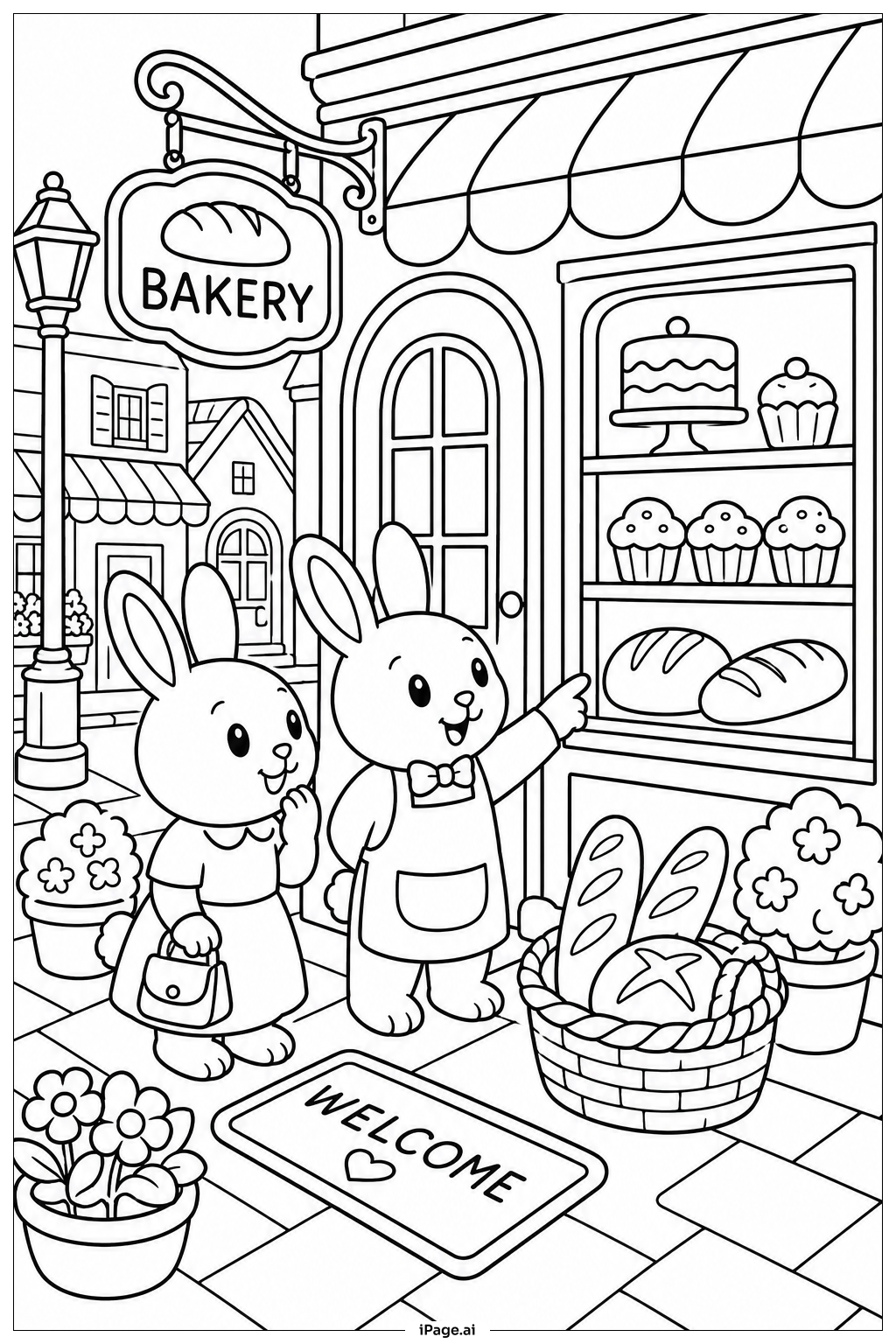
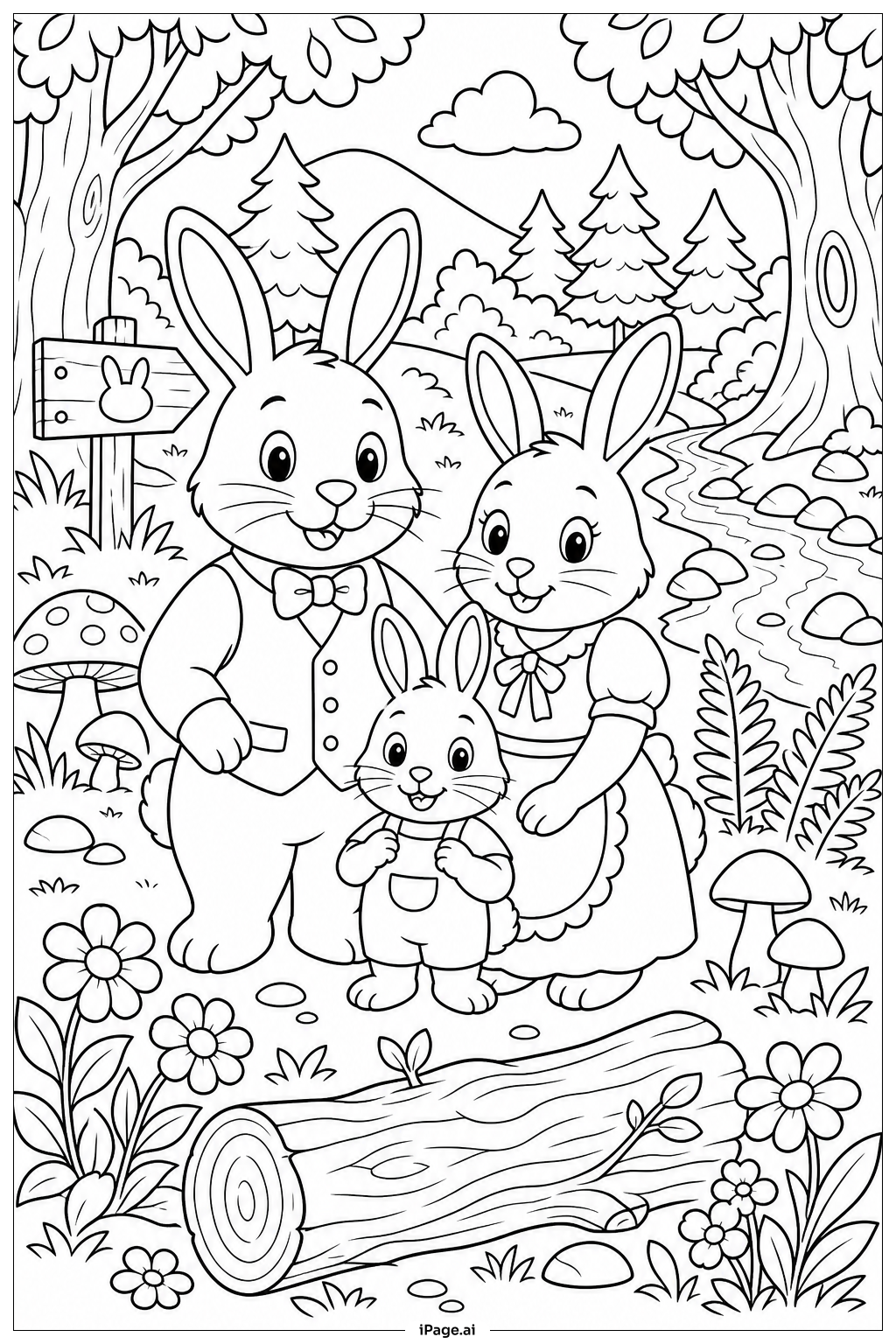
Coloring this sitting rabbit image is a wonderful activity for kids and anyone who loves cute animals. It helps build focus and concentration as you carefully stay within the lines and choose the right colors for each part of the rabbit. Working on the soft, rounded shapes of the rabbit's body helps develop fine motor skills and steady hand control, which are important for writing and other daily tasks. Choosing colors for the fur, ears, and eyes also sparks creativity and encourages personal expression. There is no single right answer, so every child can make their rabbit unique. The calming, repetitive motion of coloring helps reduce stress and create a sense of peace and relaxation. It is a great quiet activity after a busy day. Completing the page from start to finish gives a real sense of accomplishment and pride, which boosts confidence. For younger children, naming the rabbit's colors out loud also supports language development and color recognition. Whether used in a classroom, at home, or as a group activity, this rabbit coloring page offers fun, creativity, and learning all in one.