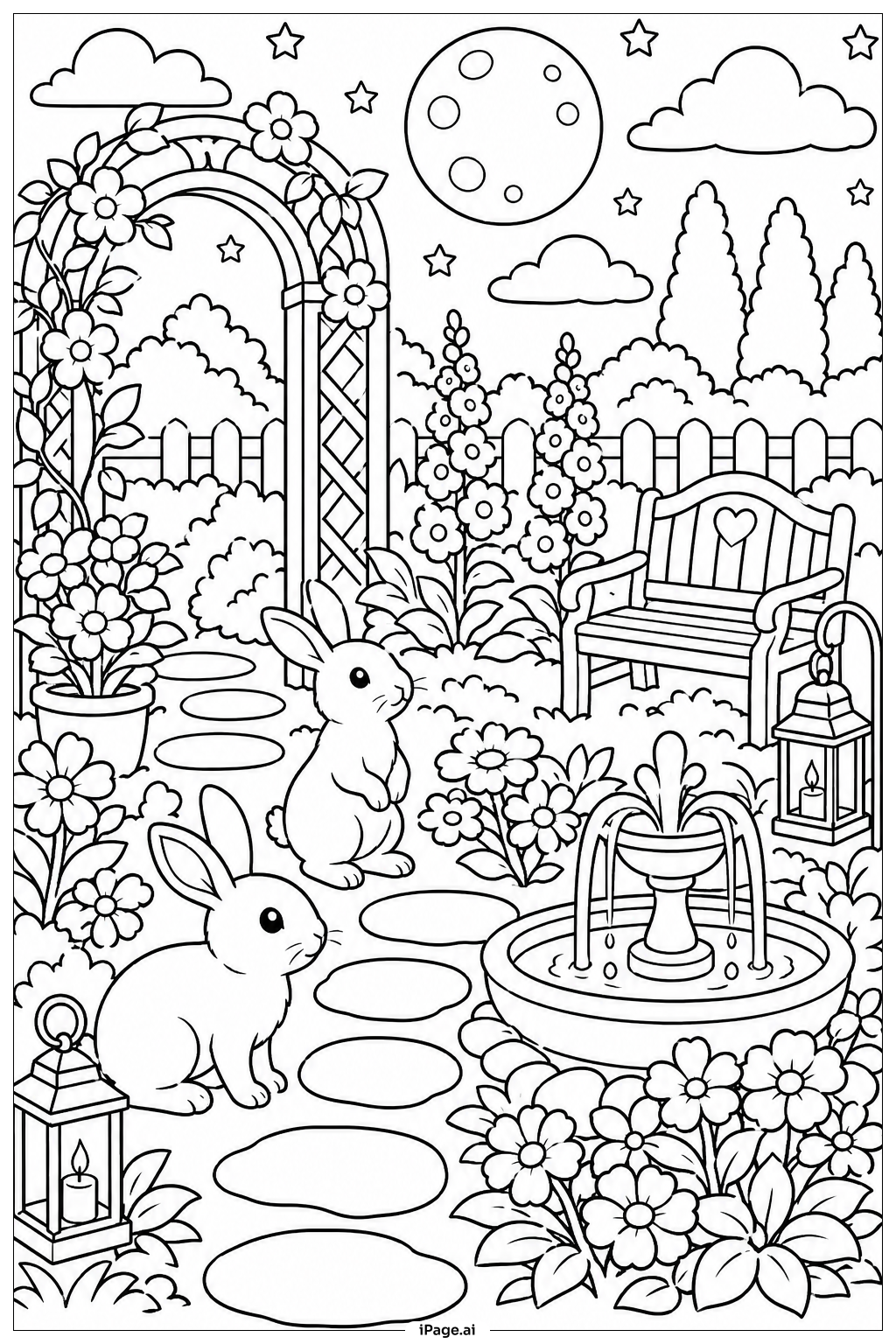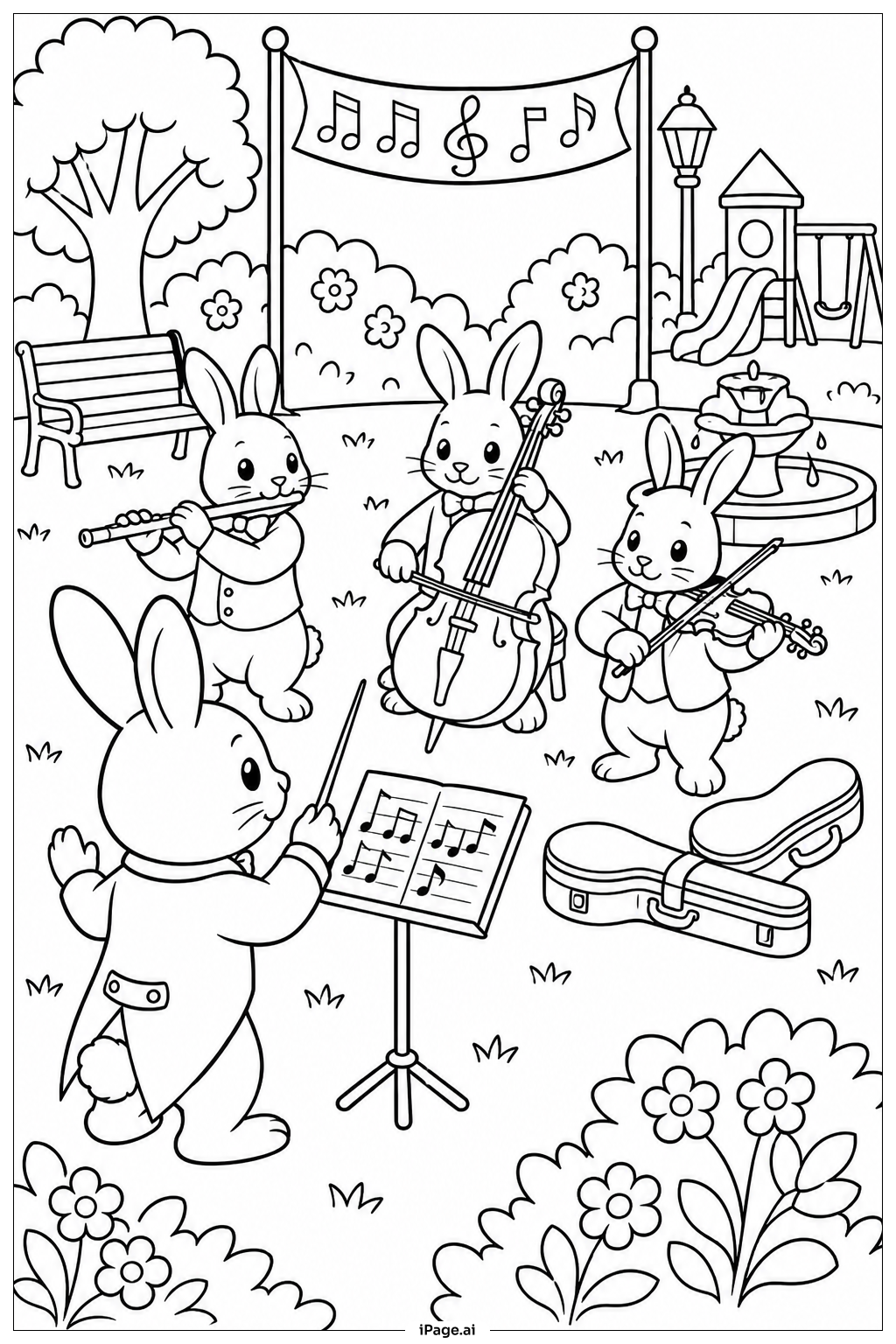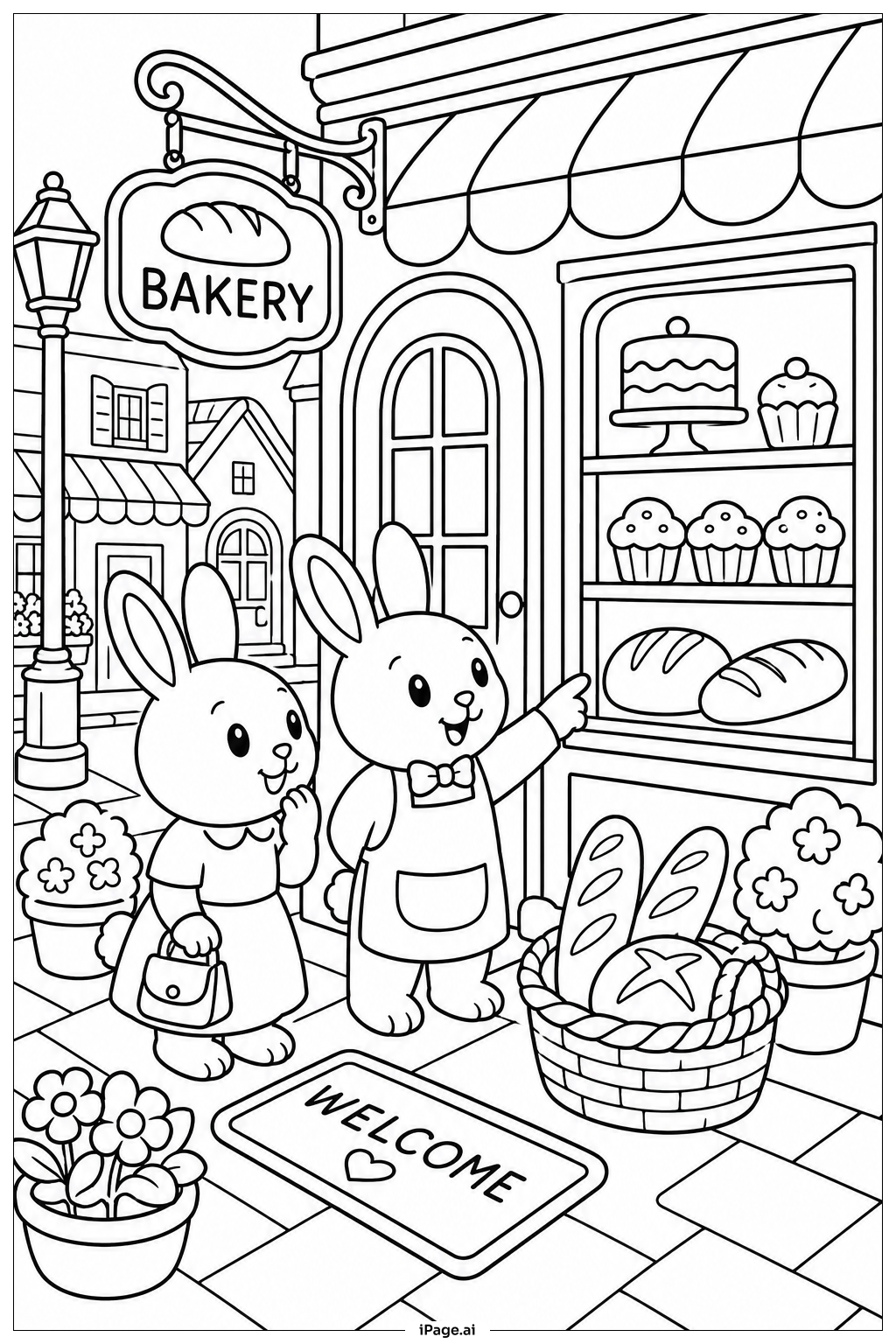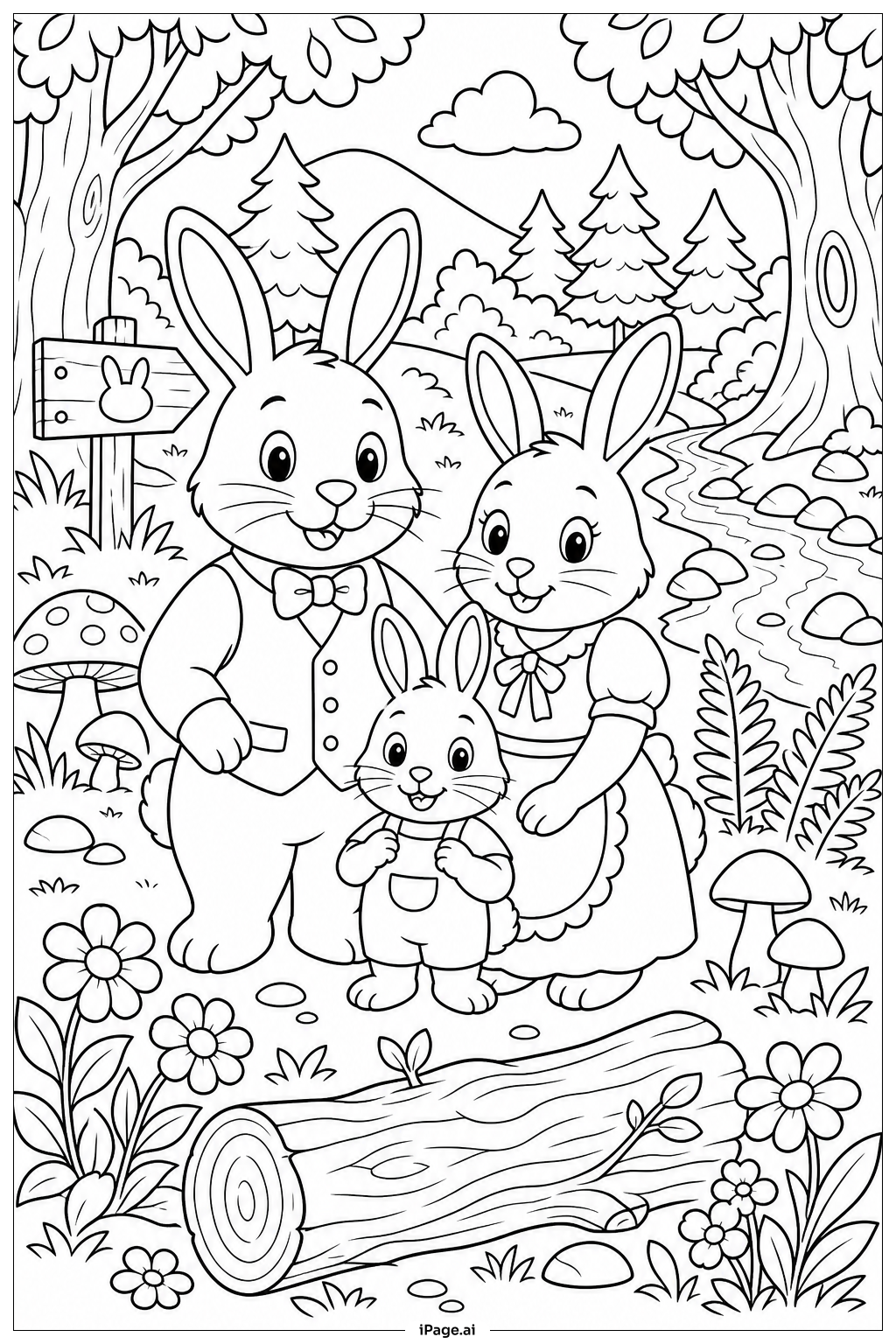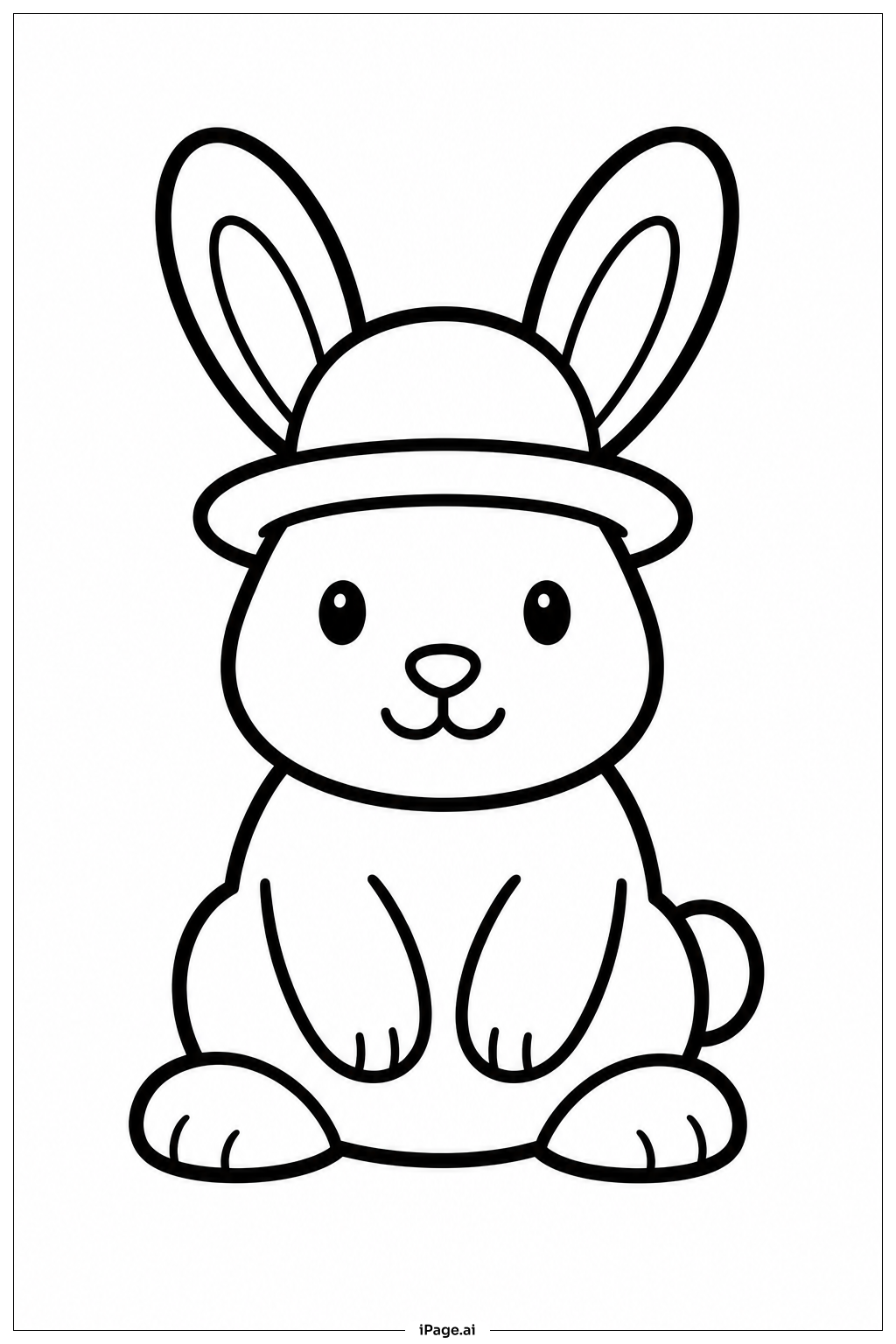
Coloring tips: How to color Rabbit With Hat coloring page well?
Start with the rabbit's body by choosing a soft, warm color like cream, light gray, or pale brown to give it a natural and fluffy look. You can add a second, slightly darker shade around the edges of the fur to create depth and softness.
For the hat, pick a bold or fun color to make it stand out — deep navy, rich red, or even a bright purple can look wonderful. Add a contrasting color for any ribbon, band, or decorative detail on the hat.
Use pink or soft rose for the inner ears and the nose to bring warmth to the face. The eyes can be colored dark brown or black with a tiny white dot left uncolored to create a sparkling effect.
Don't forget to add a background! A soft green meadow, a bright blue sky, or pastel colors can make the whole image feel complete and lively. Feel free to mix colors and experiment — there are no wrong choices here!
Coloring challenges: Which parts are difficult to color and need attention for Rabbit With Hat coloring page?
• Fur Texture Details: The rabbit's body is covered with many small lines that suggest soft, fluffy fur. Staying inside these fine lines while still making the fur look natural and smooth is tricky. Using short, light strokes that follow the direction of the fur lines can help achieve a realistic and cozy look without going outside the outline.
• Hat Structure and Shading: The hat has a defined brim, a rounded top, and possibly decorative elements like a band or ribbon. Keeping each section of the hat a distinct color while smoothly shading the curved surfaces requires patience. The curved shape of the hat means light and shadow fall in specific ways, so adding a lighter tone at the top and a darker tone near the brim helps it look three-dimensional.
• Small Facial Features: The rabbit's face includes tiny but important details — the eyes, nose, whiskers, and mouth are all close together in a small area. Coloring these features neatly without smudging or bleeding into surrounding areas can be challenging. Using a fine-tipped colored pencil or a thin marker works best for these delicate parts.
• Contrast Between Elements: Making the rabbit stand out from its hat, and both stand out from any background, requires careful color planning. If the rabbit's fur and the hat are too similar in tone, the image can look flat. Choosing colors with enough contrast between each element keeps the image visually clear and exciting.
• Clean Edge Lines: The outer outline of the rabbit and hat must stay crisp and clean. Coloring right up to the edge without going over it takes a steady hand and good control, especially around the rounded ears and curved body shapes.
Benefits of coloring books: Advantages of drawing Rabbit With Hat coloring page
Coloring this Rabbit With Hat page offers a wide range of wonderful benefits for children and beginners alike.
First, it helps develop fine motor skills. Carefully filling in the small details of the hat, the fur lines, and the tiny facial features trains hand muscles and improves pencil control — skills that are directly helpful in writing and drawing.
Second, it encourages creativity and self-expression. Choosing colors for the rabbit's fur and the hat has no single right answer, so children feel free to experiment and make the image truly their own. This builds confidence and imaginative thinking.
Third, it supports focus and patience. Completing a detailed image like this one takes time and steady attention. Practicing this kind of calm, focused activity helps children build concentration skills they can use in school and everyday life.
Fourth, it introduces basic concepts of color theory in a fun and natural way. Discovering how light and dark shades create depth, or how contrasting colors make elements pop, teaches visual thinking without feeling like a lesson.
Finally, finishing the page gives a real sense of achievement. Seeing a complete, colorful image that you created yourself is genuinely rewarding and encourages children to keep exploring art with joy and enthusiasm.