Coloring tips: How to color Rabbit With Bow coloring page well?
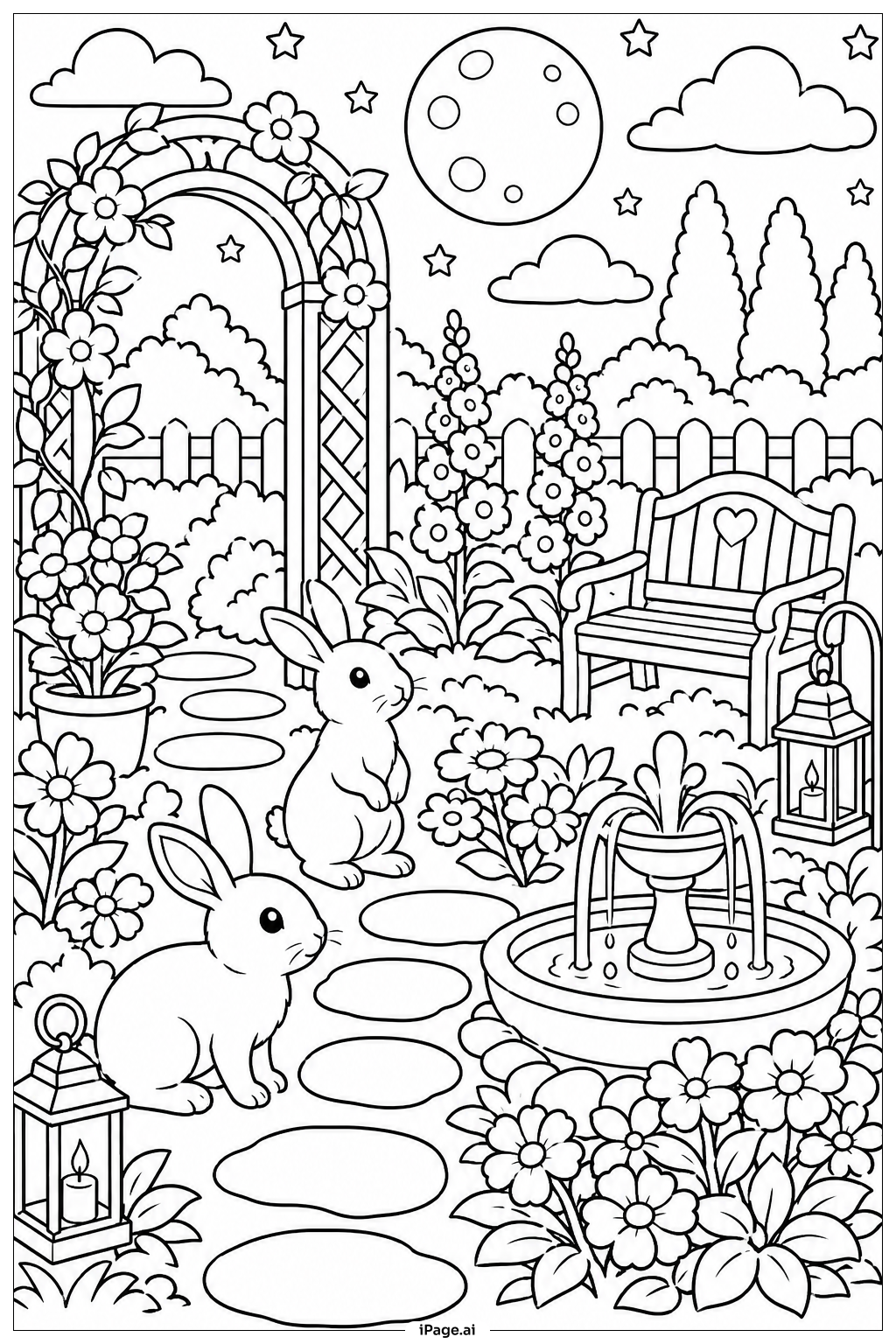
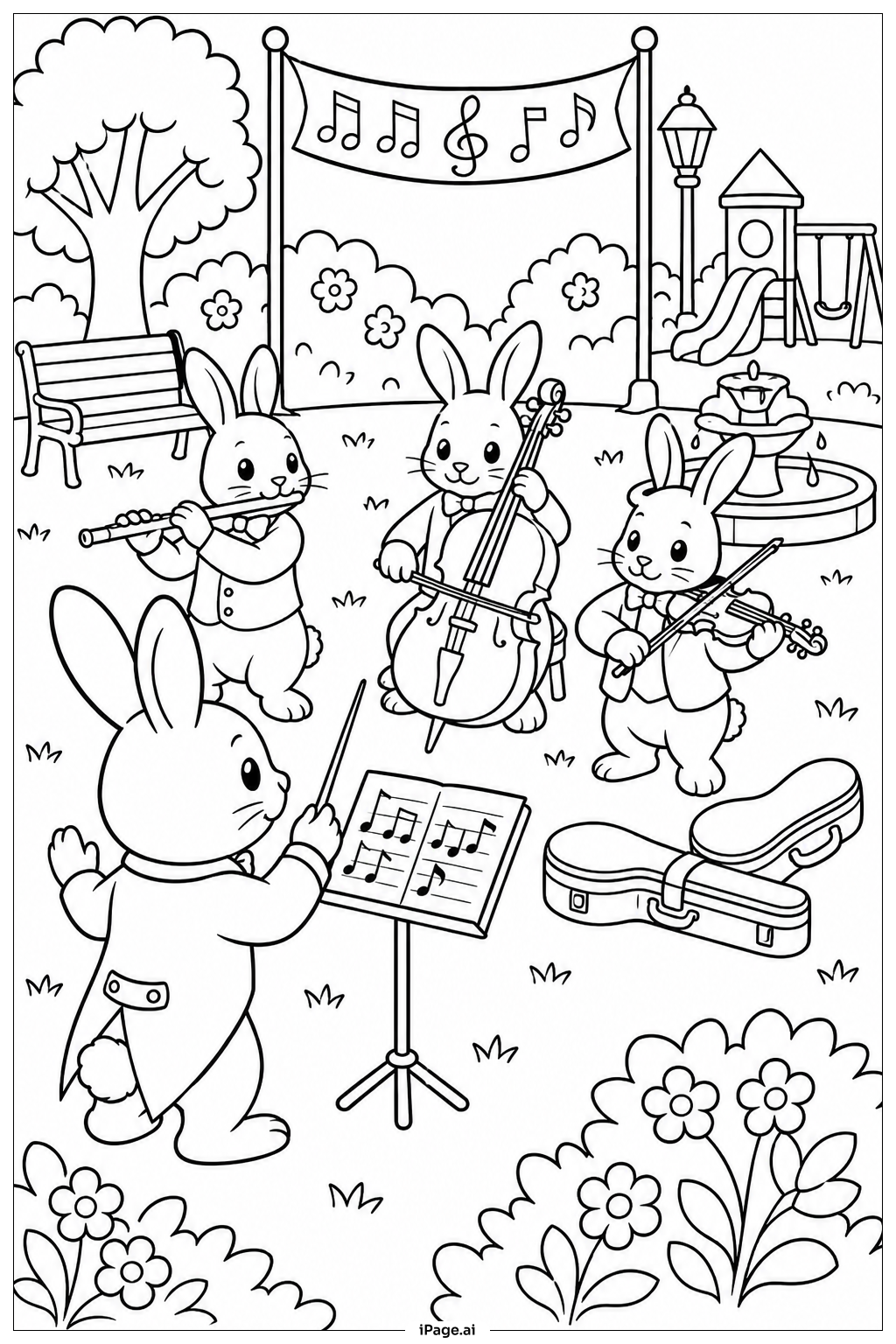
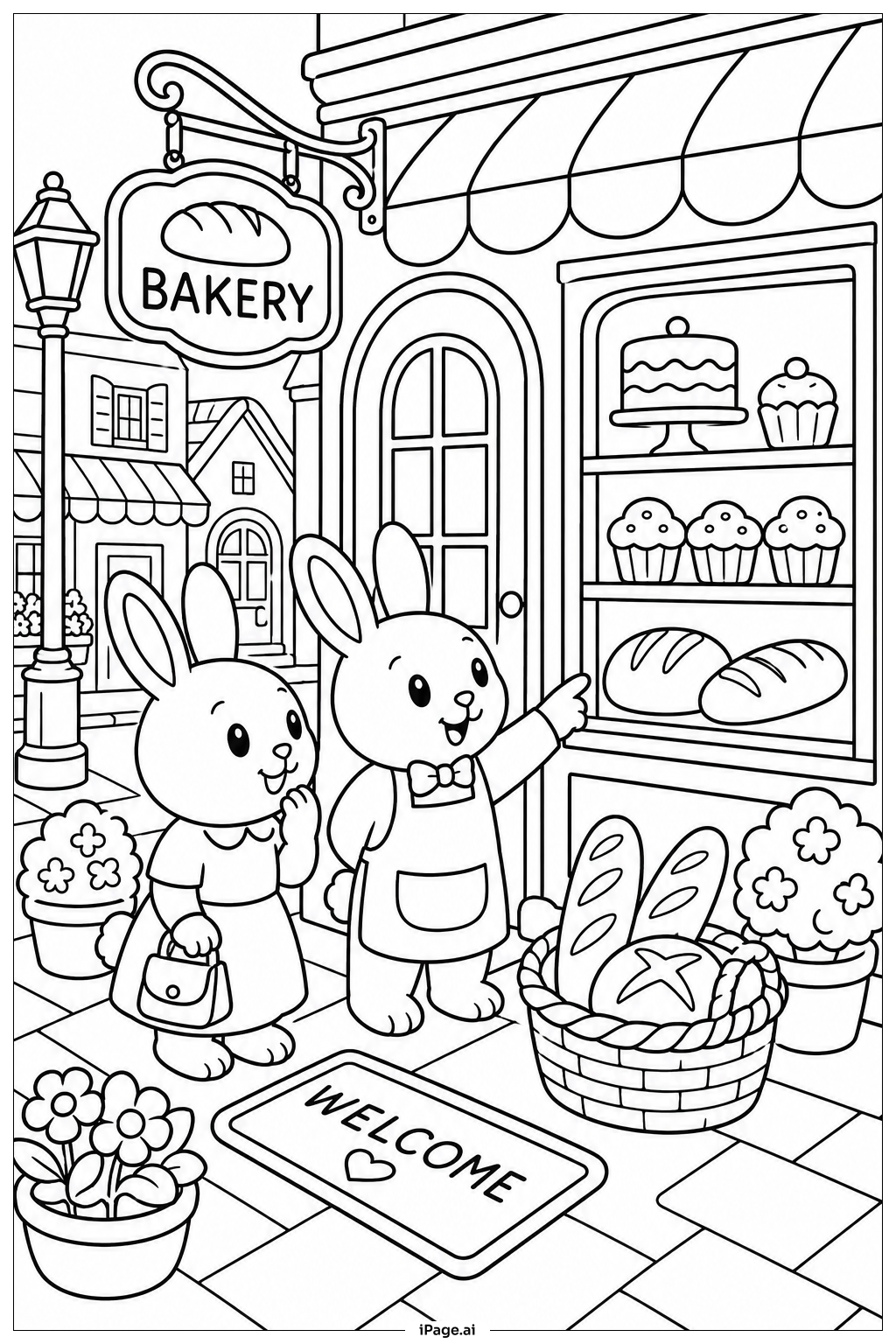
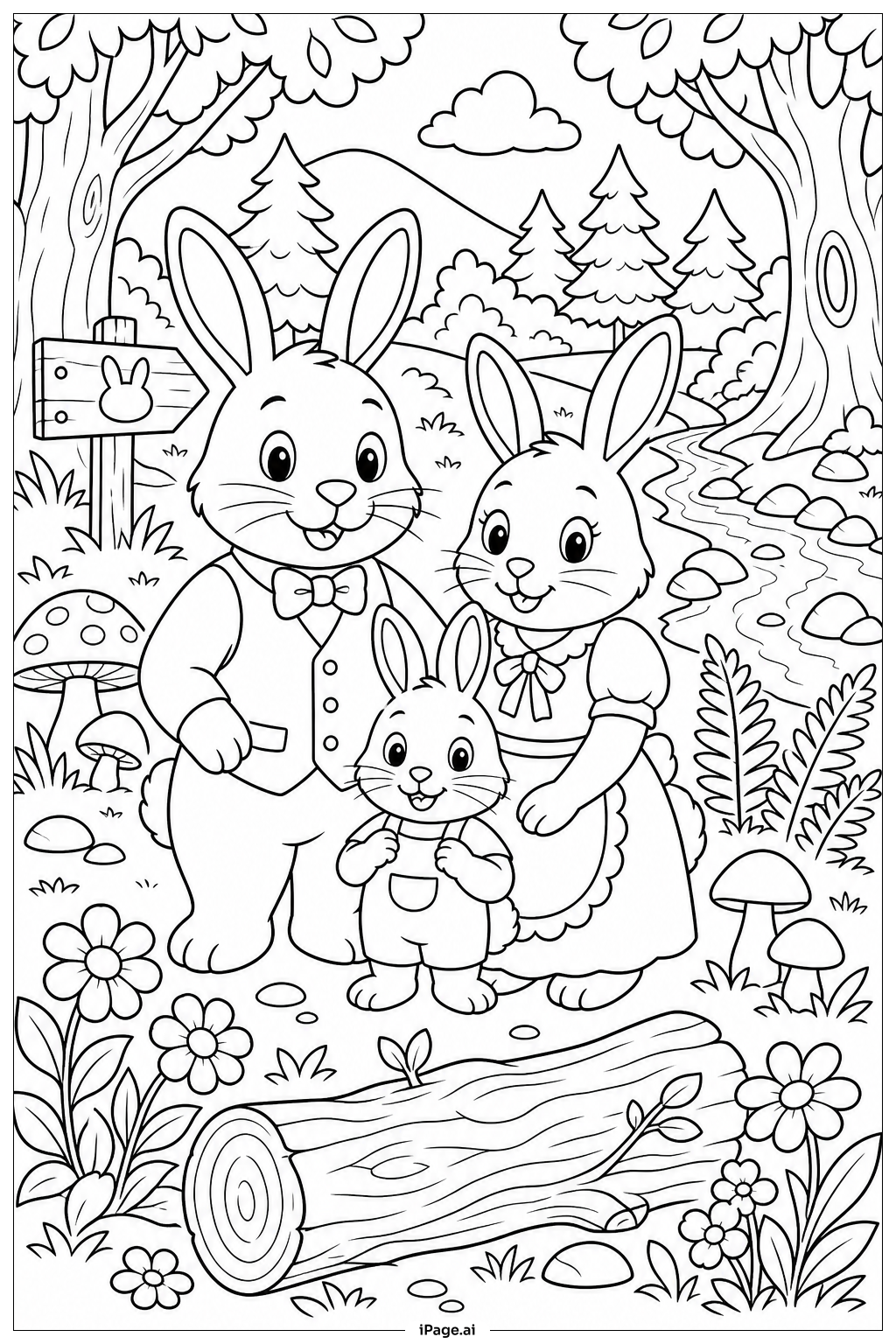
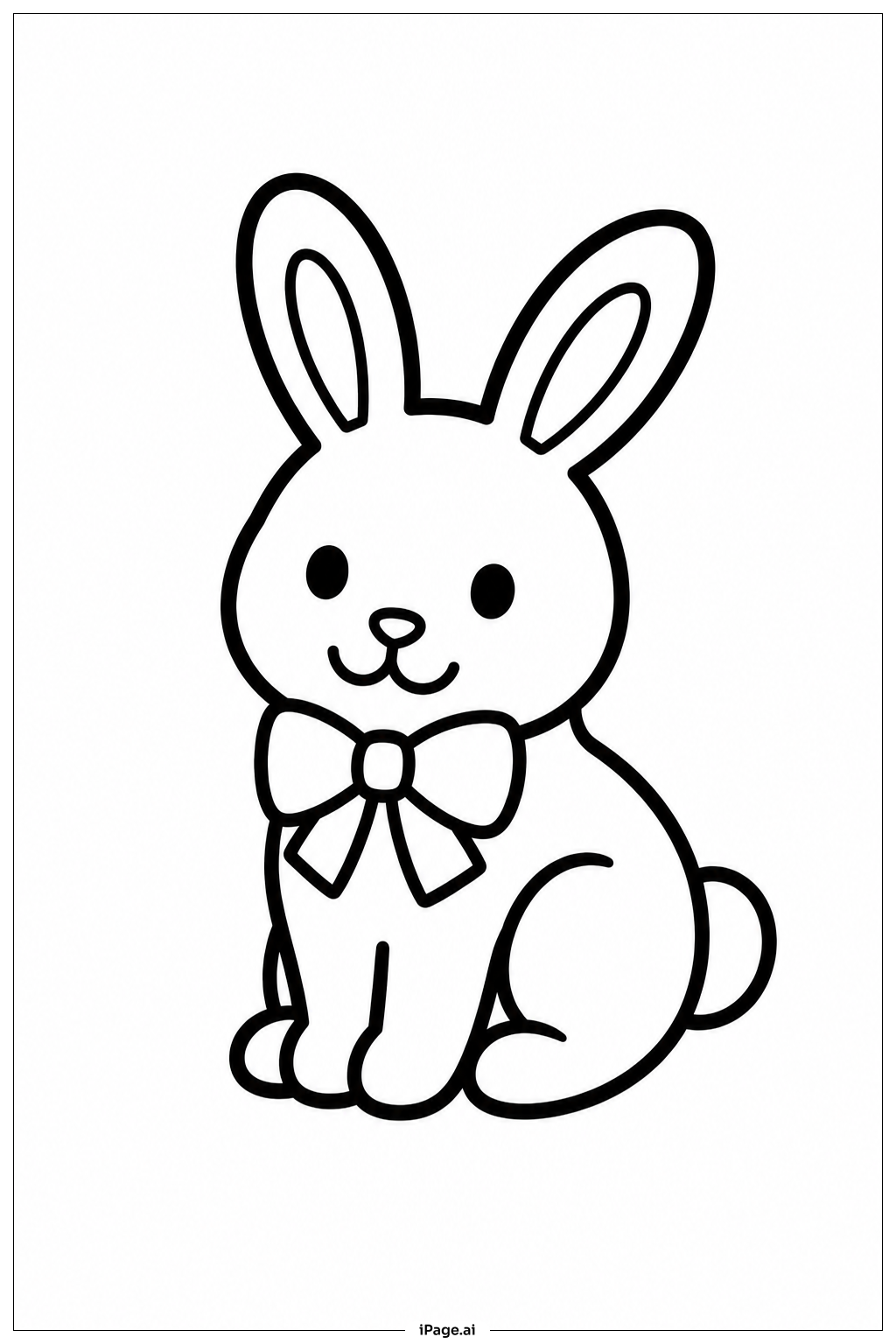
Start with the rabbit's body using light, soft colors. White or pale cream works great for a classic look. You can also try light gray or soft lavender for a more playful feel. Use a slightly darker shade of the same color to add shading along the edges of the fur, giving the rabbit a fluffy, three-dimensional look. For the ears, color the inner part a soft pink to make them look realistic and sweet. The bow is a great spot to use a bold, fun color. Try red, sky blue, or bright yellow to make it pop against the rabbit's lighter body. The eyes can be colored brown or black, with a tiny white dot left uncolored to add a sparkle effect. If the rabbit is sitting on grass or a simple background, use light green and soft blue to complete the scene. Keep colors cheerful and bright for a happy, storybook feel.
Coloring challenges: Which parts are difficult to color and need attention for Rabbit With Bow coloring page?
• Fur Texture Details: The rabbit's body is covered with soft curved lines that suggest fluffy fur. Coloring inside these small, flowing lines neatly can be tricky, especially for younger children. Using a sharp colored pencil or a fine-tipped marker will help you stay within the lines and bring out the fur texture beautifully.
• Smooth Gradients on the Body: To make the rabbit look round and soft, you need to blend colors from light to dark gradually. This kind of shading takes patience and a light hand. Pressing too hard with a pencil can make the color look flat or uneven. Practice blending gently in small circular motions for the best result.
• The Decorative Bow: The bow has multiple folds, loops, and layers. Each section needs to be colored carefully to show depth and dimension. Choosing two shades of the same color, one lighter and one darker, helps each fold stand out. This level of detail can be challenging for beginners but is very rewarding once done well.
• Small Facial Features: The rabbit's face includes tiny eyes, a small nose, and delicate whiskers. These features are close together and very small. Using fine-tipped tools is important here. Coloring the eyes neatly and leaving a small highlight dot uncolored will make the face look lively and expressive.
• Balancing Color Choices: Choosing colors that look good together across the whole image can be a challenge. The rabbit's body color, the bow color, and any background colors need to complement each other. Taking a moment to plan your color palette before starting will help the final result look polished and harmonious.
Benefits of coloring books: Advantages of drawing Rabbit With Bow coloring page
Coloring this sweet rabbit with a bow offers a wide range of benefits for children and young learners. First, it helps improve fine motor skills. Carefully coloring within the lines of the fur, the bow, and the tiny facial features strengthens hand muscles and improves pencil control, which is great for writing development. Second, it encourages creativity. Choosing colors for the rabbit's fur, the decorative bow, and the background gives children the freedom to express their own imagination and personal style. There are no wrong color choices, which builds confidence. Third, it promotes focus and concentration. Completing a detailed coloring page requires patience and attention, helping children practice staying on task in a fun, low-pressure way. Fourth, it can be calming and relaxing. The repetitive, gentle motion of coloring helps reduce stress and anxiety, making it a wonderful quiet-time activity after a busy day. Fifth, finishing the page gives children a real sense of pride and accomplishment. Displaying their finished artwork builds self-esteem and motivates them to keep creating. Overall, this charming rabbit coloring page is a simple yet powerful tool for learning and emotional well-being.