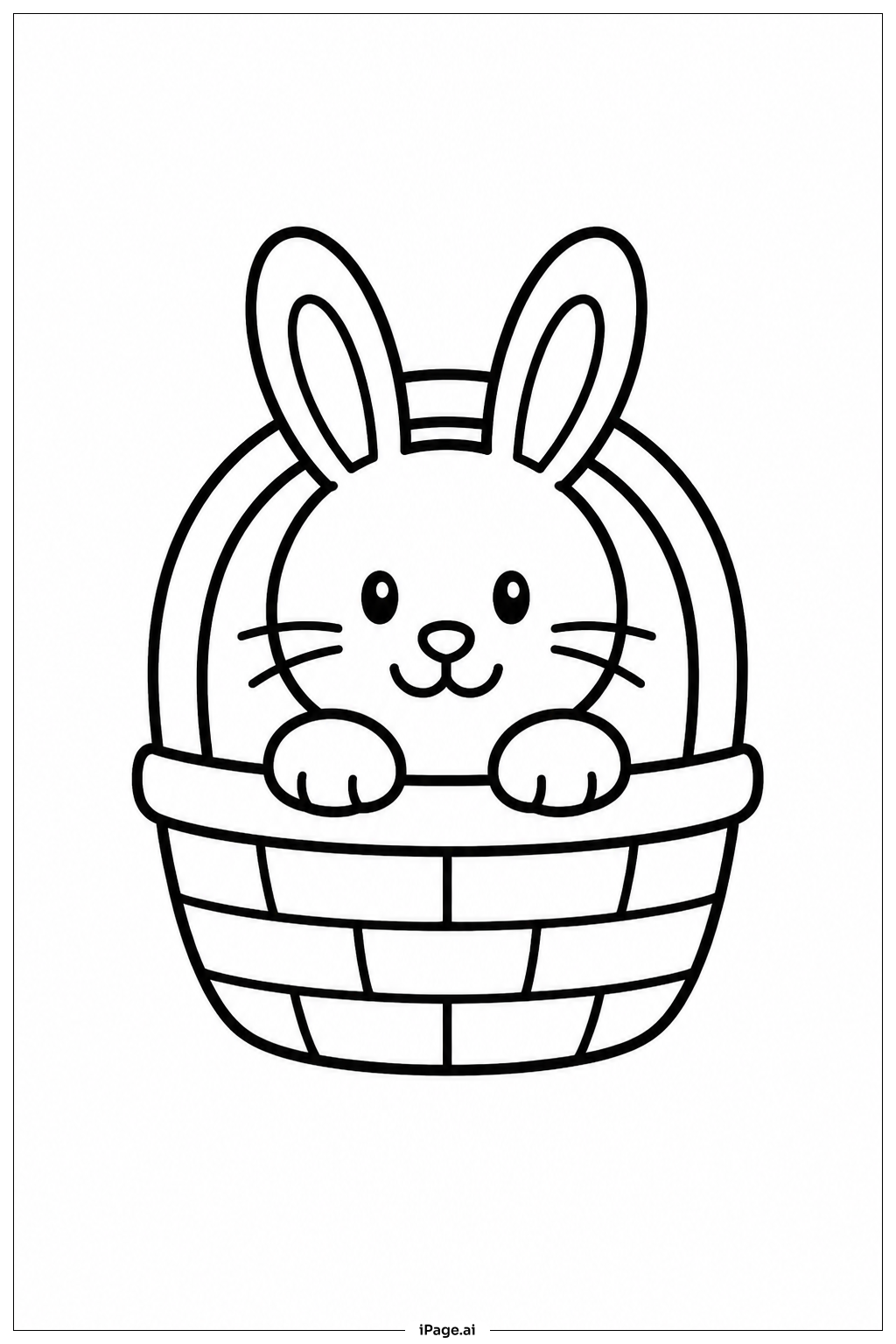
Coloring tips: How to color Rabbit In Basket coloring page well?
Start with the rabbit's body using soft, light colors. White or pale cream works perfectly for the fur. Use a slightly darker shade like light gray or beige around the ears, face edges, and paws to add gentle shading and depth. Color the large eyes with a warm brown, dark gray, or black, and leave a tiny white dot to make them look bright and alive. Add a small pink nose for a sweet touch. For the basket, use earthy tones like tan, golden yellow, or warm brown. Try alternating slightly lighter and darker shades on the woven strips to bring out the texture. If there are flowers or leaves in the background, use bright, cheerful colors like yellow, pink, green, and purple. Keep the overall palette warm and friendly. This image works beautifully for both soft pastel coloring and bolder, more vibrant styles. Kids can freely express their creativity while keeping the scene looking natural and sweet.
Coloring challenges: Which parts are difficult to color and need attention for Rabbit In Basket coloring page?
• Rabbit Fur Texture: Creating a realistic and fluffy fur effect can be tricky. Instead of coloring in flat, solid patches, try using short, feathery strokes that follow the direction of the fur. Layering a slightly darker shade at the edges and keeping the center lighter will help the rabbit look soft and three-dimensional rather than flat.
• Woven Basket Pattern: The basket is made up of many interlaced strips that cross over and under each other in a repeating pattern. Keeping track of which strips go over and which go under while using consistent color shading can be challenging. Take your time and alternate between two close shades of brown or tan to highlight the weave and give the basket a realistic woven look.
• Small Facial Details: The rabbit's face has tiny features such as the eyes, nose, and whisker dots that require careful, precise coloring. Using a fine-tipped marker or a sharpened colored pencil will give you the best control in these small areas. Be patient and work slowly to avoid going outside the lines.
• Shading and Depth: Making the rabbit look like it is sitting inside the basket rather than just placed on top of it requires careful shading. Darken the areas where the rabbit's body overlaps the basket edges to create a natural shadow effect. This small detail makes a big difference in how realistic and lively the finished image looks.
• Background Balance: If the image includes flowers, leaves, or grass around the basket, choosing colors that complement the rabbit and basket without overpowering them is important. Keep background colors slightly lighter or less saturated so the cute rabbit remains the clear focal point of the picture.
Benefits of coloring books: Advantages of drawing Rabbit In Basket coloring page
Coloring this sweet rabbit in a basket image offers many wonderful benefits for children and beginners alike. First, it helps improve fine motor skills. Carefully coloring the small details on the rabbit's face and the woven basket pattern trains little hands to hold tools with better control and precision. Second, it encourages creativity and self-expression. Choosing colors for the fur, basket, and background gives kids the freedom to make the image uniquely their own. Third, it builds focus and patience. The detailed basket weave and tiny facial features require concentration, helping children practice staying calm and working carefully through a task from start to finish. Fourth, it introduces color theory in a fun and natural way. Kids learn how to layer shades, create depth, and balance warm and cool tones without even realizing they are learning. Fifth, coloring this cozy, comforting scene promotes relaxation and emotional well-being. The friendly subject and satisfying process of filling in the image can reduce stress and bring a sense of joy and accomplishment when finished. It is a simple, screen-free activity that supports both learning and happiness.