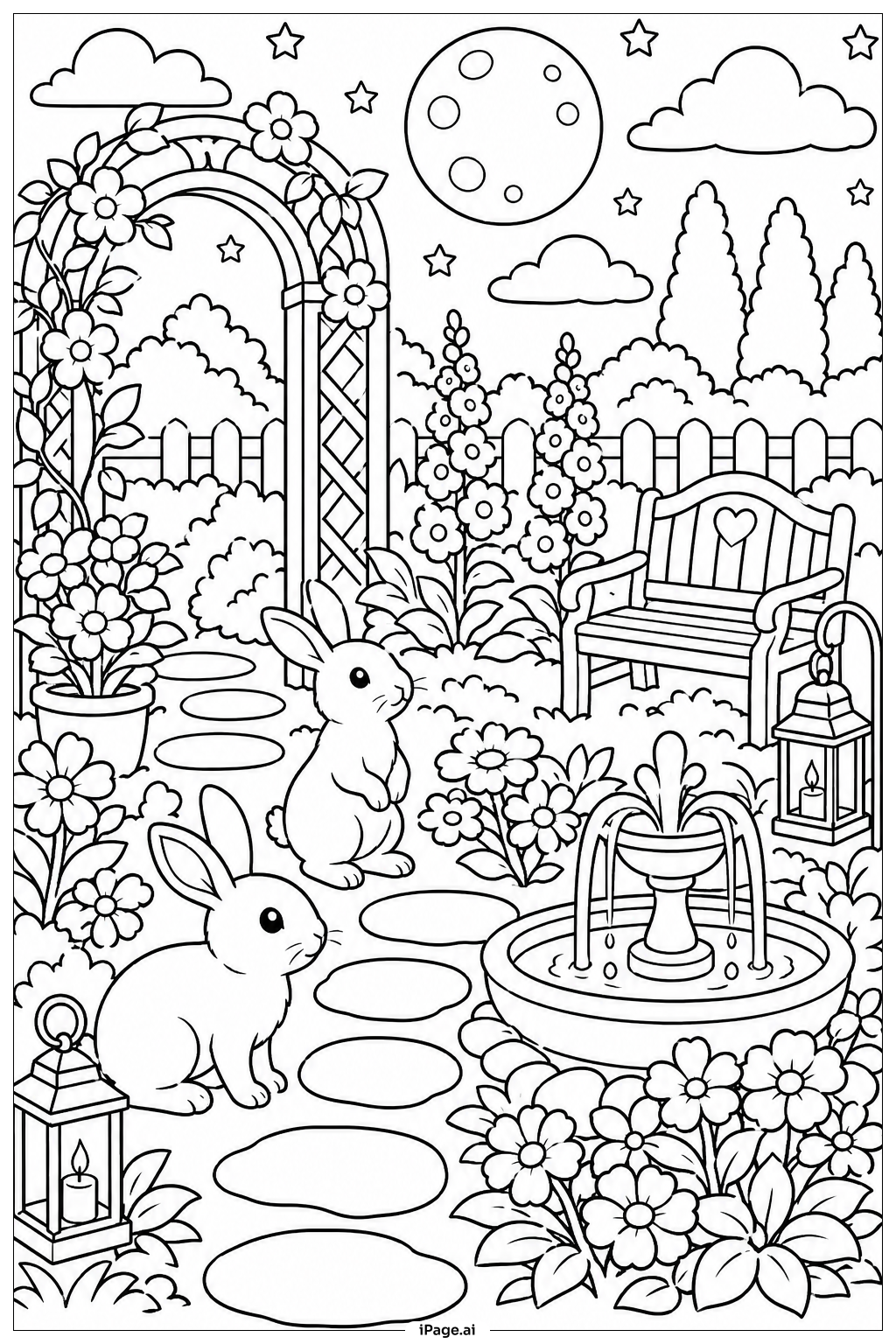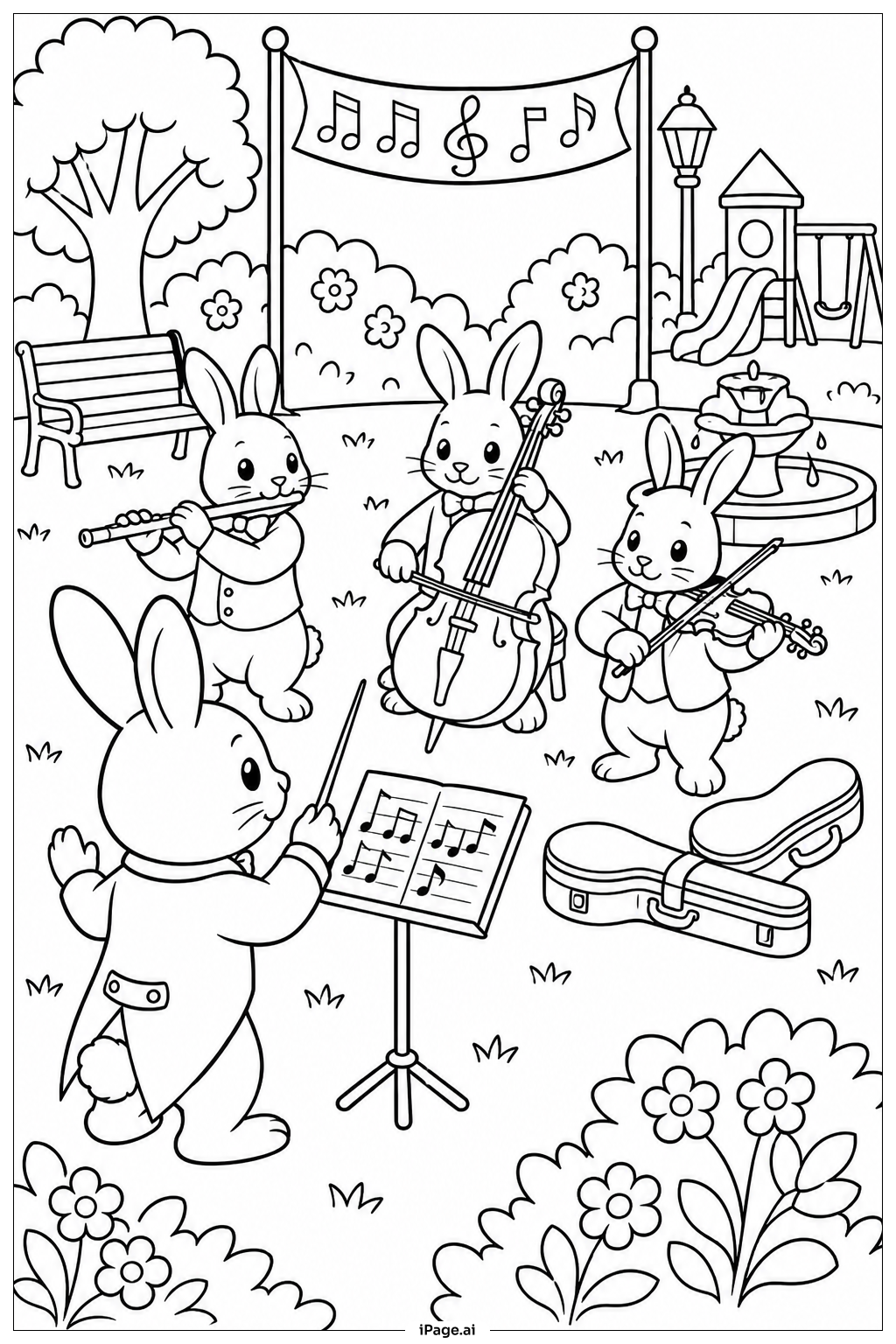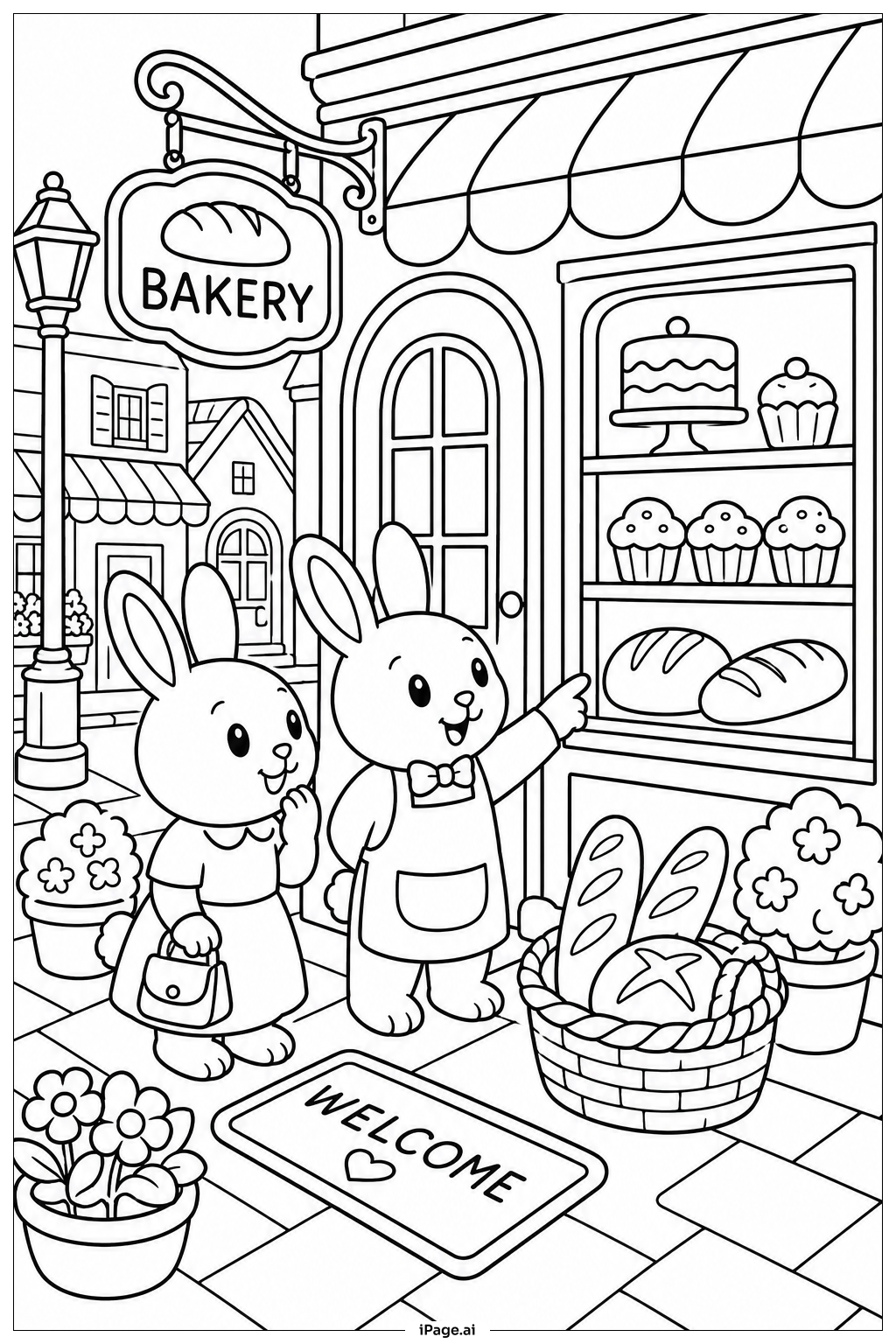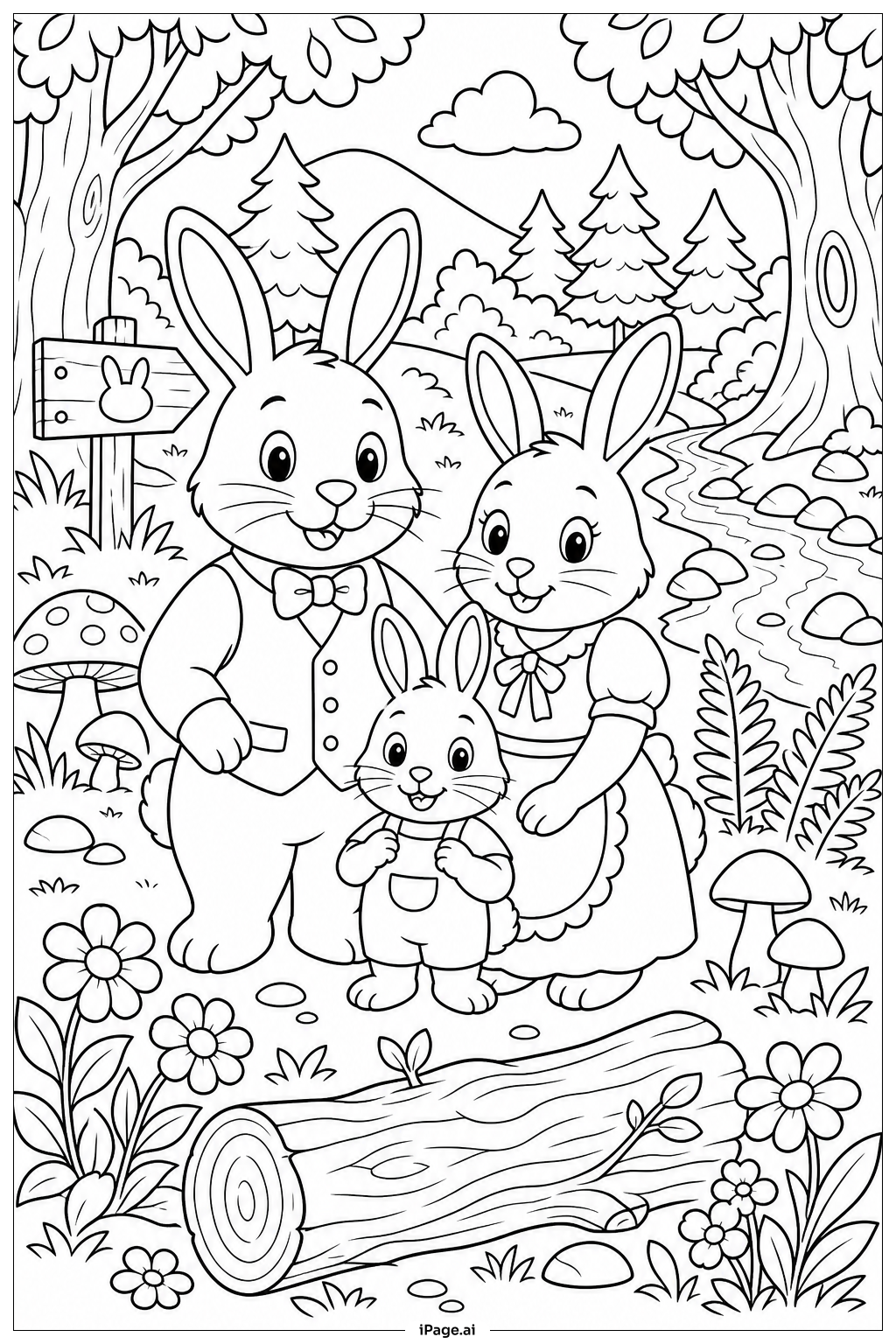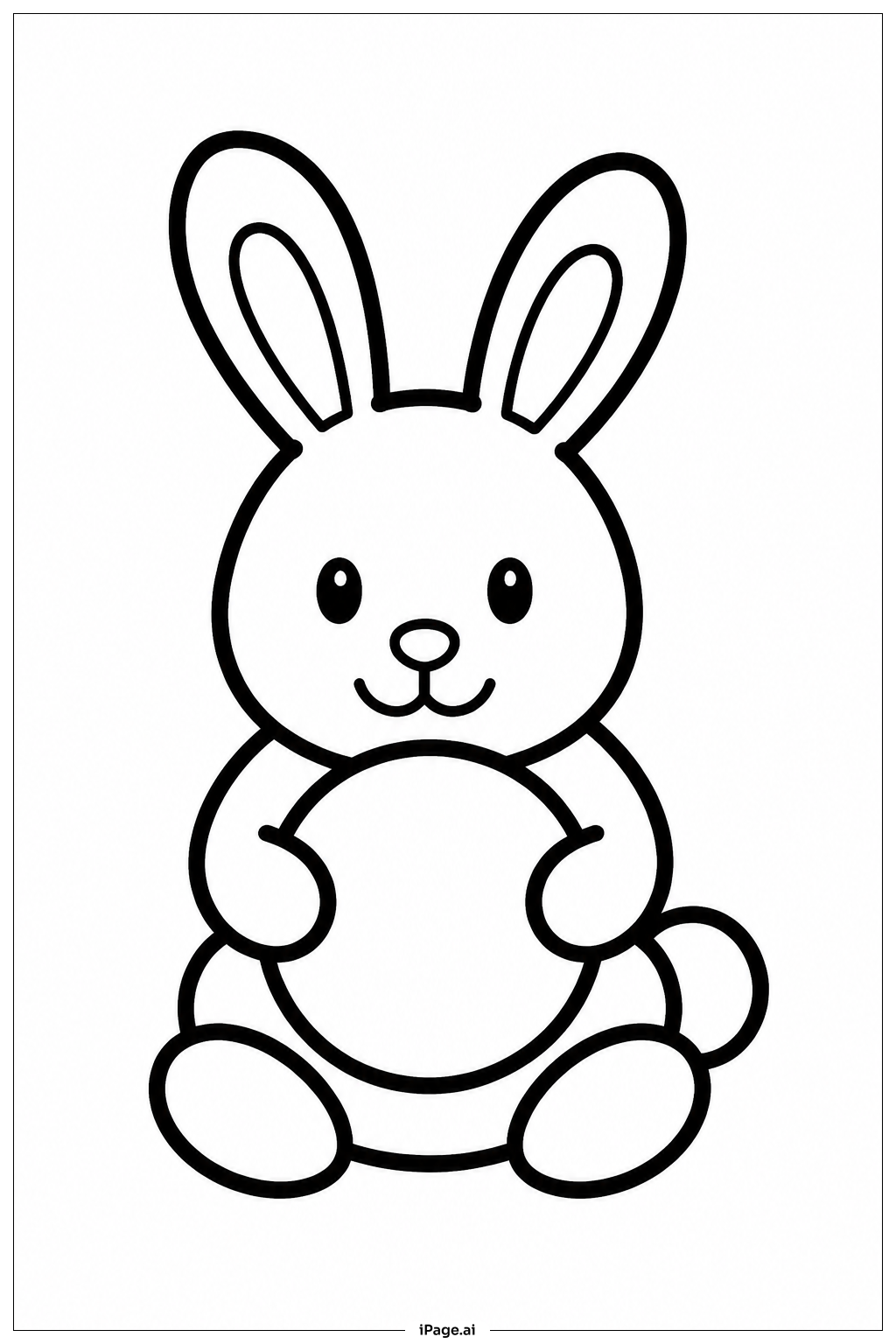
Coloring tips: How to color Rabbit Holding Ball coloring page well?
Start with the rabbit's body. Light gray or creamy white works great for the fur. Use a slightly darker shade on the ears, paws, and belly edges to give the body a soft, fluffy look. The inner ears can be a pale pink. For the face, use light brown or peach for the nose and a soft black or dark brown for the eyes. Add a tiny white dot to the eyes to make them sparkle. The ball is a fun place to get creative. Try bright red, yellow, blue, or even a rainbow pattern with stripes or polka dots. The background can be left white or filled with a soft sky blue or light green to make the rabbit pop. Use colored pencils or crayons for smooth, even coverage. Blend colors gently on the fur areas for a natural, cozy feel.
Coloring challenges: Which parts are difficult to color and need attention for Rabbit Holding Ball coloring page?
• Fur Texture Details: The rabbit's body has small lines suggesting fluffy fur. Staying inside these fine lines while still making the fur look soft and natural can be tricky. Try using short, light strokes that follow the direction of the fur lines instead of filling with flat color blocks.
• Smooth Ball Surface: The round ball needs even, smooth coloring to look three-dimensional. It is easy to end up with uneven patches or streaks. Work in slow, circular motions and apply light pressure first, then build up color gradually for a clean, polished finish.
• Small Facial Features: The rabbit's eyes, nose, and mouth are tiny and close together. Coloring these details without smudging or going outside the lines requires a sharp pencil tip or a fine-tipped marker. Take your time and use a light hand around these areas.
• Ear Shading: The long ears have an inner and outer section. Keeping the two sections visually distinct while still blending them naturally along the edges is a challenge. Use a light pink for the inner ear and a slightly darker base color for the outer ear, then blend carefully at the border.
• Contrast Between Rabbit and Ball: Making sure the rabbit and the ball do not blend into each other visually is important. Choose colors for the ball that clearly stand out from the rabbit's fur color. For example, if the rabbit is gray, a bright red or blue ball will create a strong, eye-catching contrast.
Benefits of coloring books: Advantages of drawing Rabbit Holding Ball coloring page
Coloring this Rabbit Holding Ball page brings many great benefits for kids and beginners alike. First, it helps build fine motor skills. Staying inside the outlines and handling small details like the face and fur lines trains the hands and fingers to move with control and precision. This is great practice for writing and drawing too. Second, it encourages creativity. Choosing colors for the rabbit's fur, the ball, and the background lets kids express their own ideas and personal style. There is no wrong answer, which builds confidence. Third, it supports focus and patience. Completing a detailed image like this one requires sitting quietly and working carefully, which strengthens concentration skills that help in school and daily life. Fourth, coloring is calming and stress-relieving. The simple, repetitive motion of filling in shapes helps kids relax and unwind after a busy day. Finally, finishing the page gives a real sense of accomplishment. Seeing a completed, colorful picture is a reward that builds self-esteem and motivates kids to keep creating.