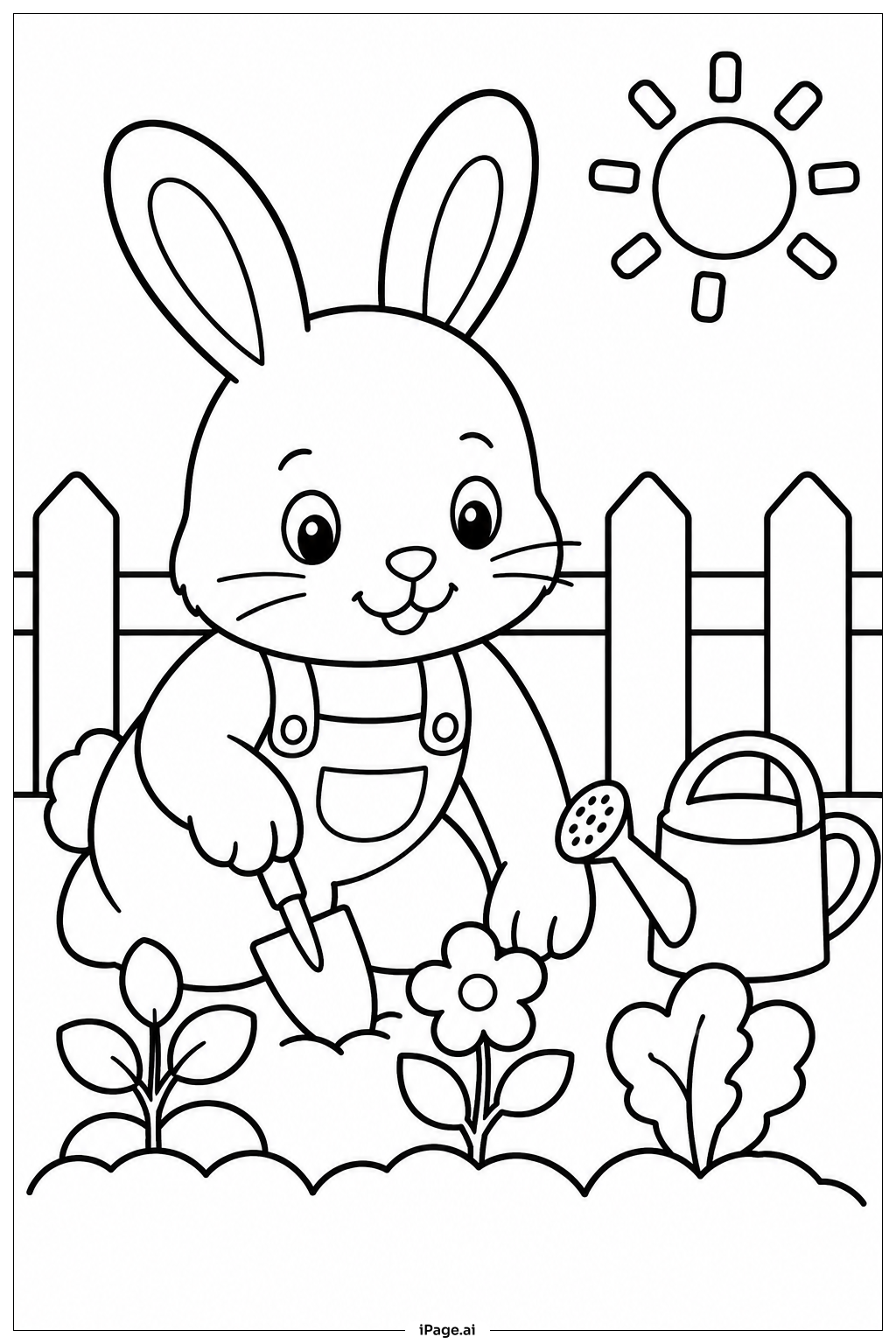
Coloring tips: How to color Rabbit Gardening coloring page well?
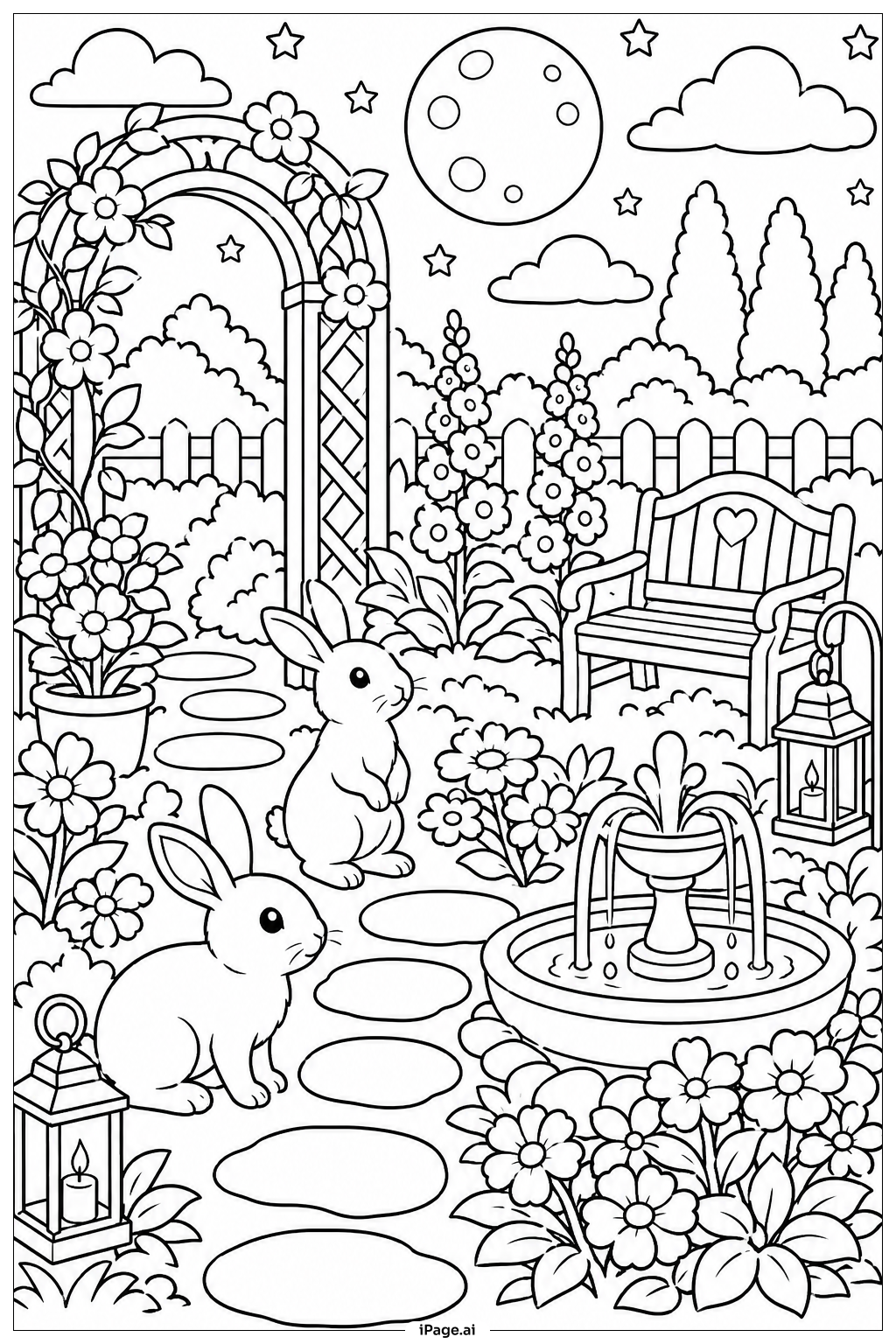
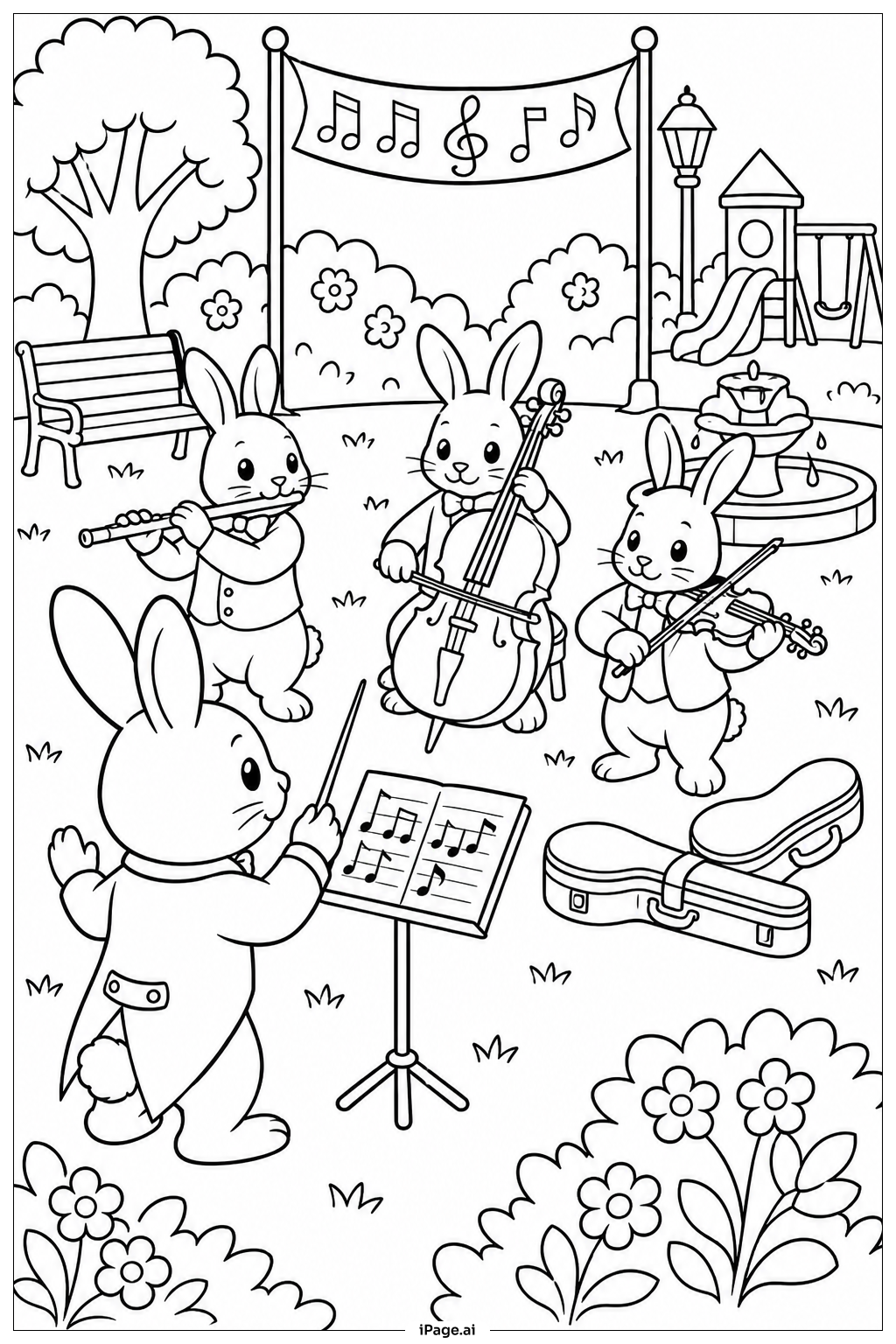
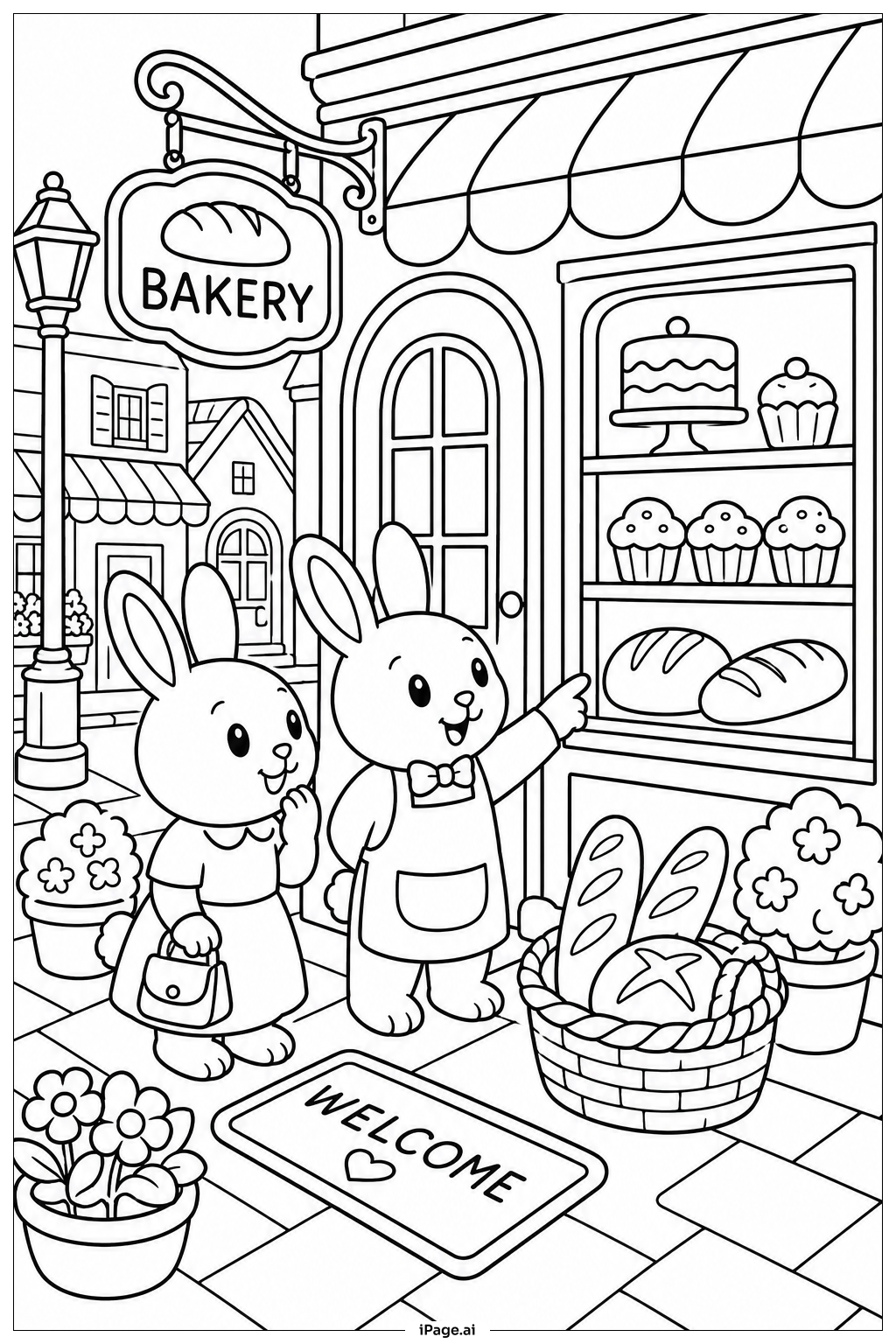
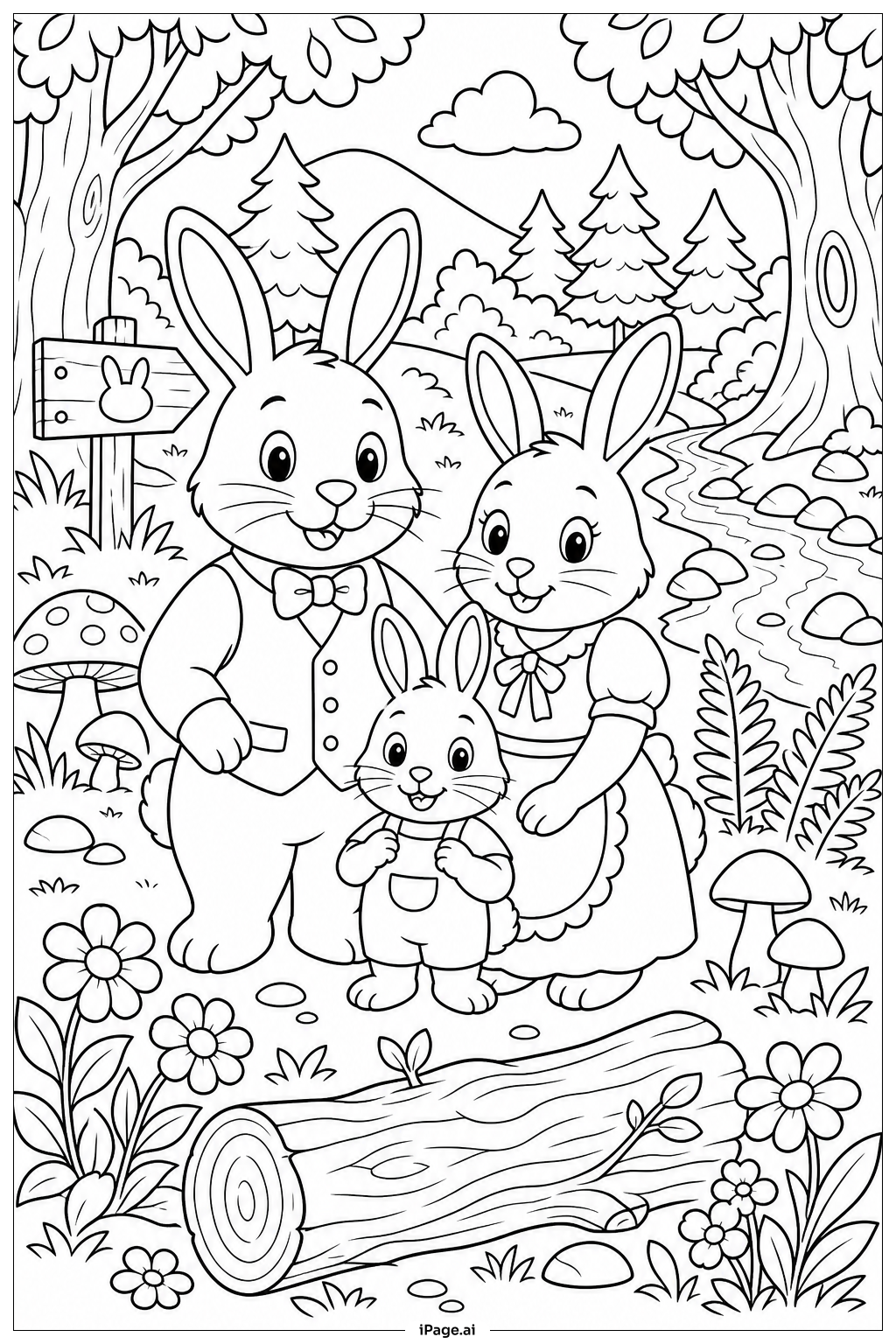
Start with the rabbit's fur using a soft light gray or warm cream. Add a touch of pink inside the ears. Color the apron a cheerful yellow or sky blue, and give the hat a classic brown or tan tone. Use bright, happy colors for the flowers — red and orange for tulips, sunny yellow for sunflowers, and fresh green for the leaves and stems. The carrots can be vivid orange with deep green tops. Paint the watering can a shiny silver or bold red. Use earthy browns for the soil and wooden fence, and light gray or beige for the stepping stones. Butterflies are perfect for mixing fun, bright shades like purple, pink, or teal. Fill the garden basket with warm golden tones. Keep the sky or background light — pale blue or soft lavender works beautifully. Use darker shades of the same color to add shadows and depth, making the whole scene feel alive and full of sunshine.
Coloring challenges: Which parts are difficult to color and need attention for Rabbit Gardening coloring page?
• Rabbit Fur Texture: The rabbit's fur may have fine lines or small overlapping strokes to suggest softness. Staying within these tiny areas without smudging or overlapping colors can be tricky, especially around the ears and paws. Use a sharp pencil or fine-tipped marker for the best results.
• Small Clothing Details: The apron and hat have folds, ties, and small decorative details. These tight spaces require careful coloring to keep each part clean and distinct. Switching to a thinner tool when working on buttons, straps, or hat bands will help a lot.
• Flower Variety and Layering: The garden includes multiple flower types with petals layered close together. Keeping each flower's colors separate without bleeding into neighboring petals or leaves takes patience. Work from the center of each flower outward, and let each section dry fully before moving to the next.
• Dense Foliage and Soil Areas: Leaves, stems, and soil patches overlap throughout the scene. Choosing slightly different shades of green for different plants helps separate them visually. For the soil, using two or three shades of brown adds realism and prevents the ground from looking flat.
• Background Details: The wooden fence, stepping stones, and any butterflies in the background require gentle, lighter coloring so they don't overpower the main subject. Balancing contrast between the foreground and background is key to making the rabbit and garden pop as the focal point of the image.
Benefits of coloring books: Advantages of drawing Rabbit Gardening coloring page
Coloring this Rabbit Gardening scene brings a wide range of benefits for kids and adults alike. For younger children, it builds fine motor skills as they practice controlling their coloring tools within the lines of small details like flower petals and the rabbit's features. It also sharpens hand-eye coordination and builds focus and patience over time.
Choosing colors for the flowers, the rabbit's outfit, and the garden background encourages creative thinking and helps children learn about color combinations in a fun, low-pressure way. It also sparks curiosity about nature, plants, and gardening as real-world topics.
For older kids and teens, the layered details in the scene provide a satisfying challenge that builds concentration and attention to detail — skills that carry over into schoolwork and everyday life.
For adults, spending time with this peaceful garden scene is a gentle form of mindfulness. The repetitive, calming motion of coloring helps reduce stress and quiet a busy mind. It's a simple way to disconnect from screens and enjoy a creative moment.
Overall, this image turns a quiet activity into a rich experience that nurtures creativity, focus, and a love for the natural world — all through the simple joy of adding color to a friendly rabbit in the garden.