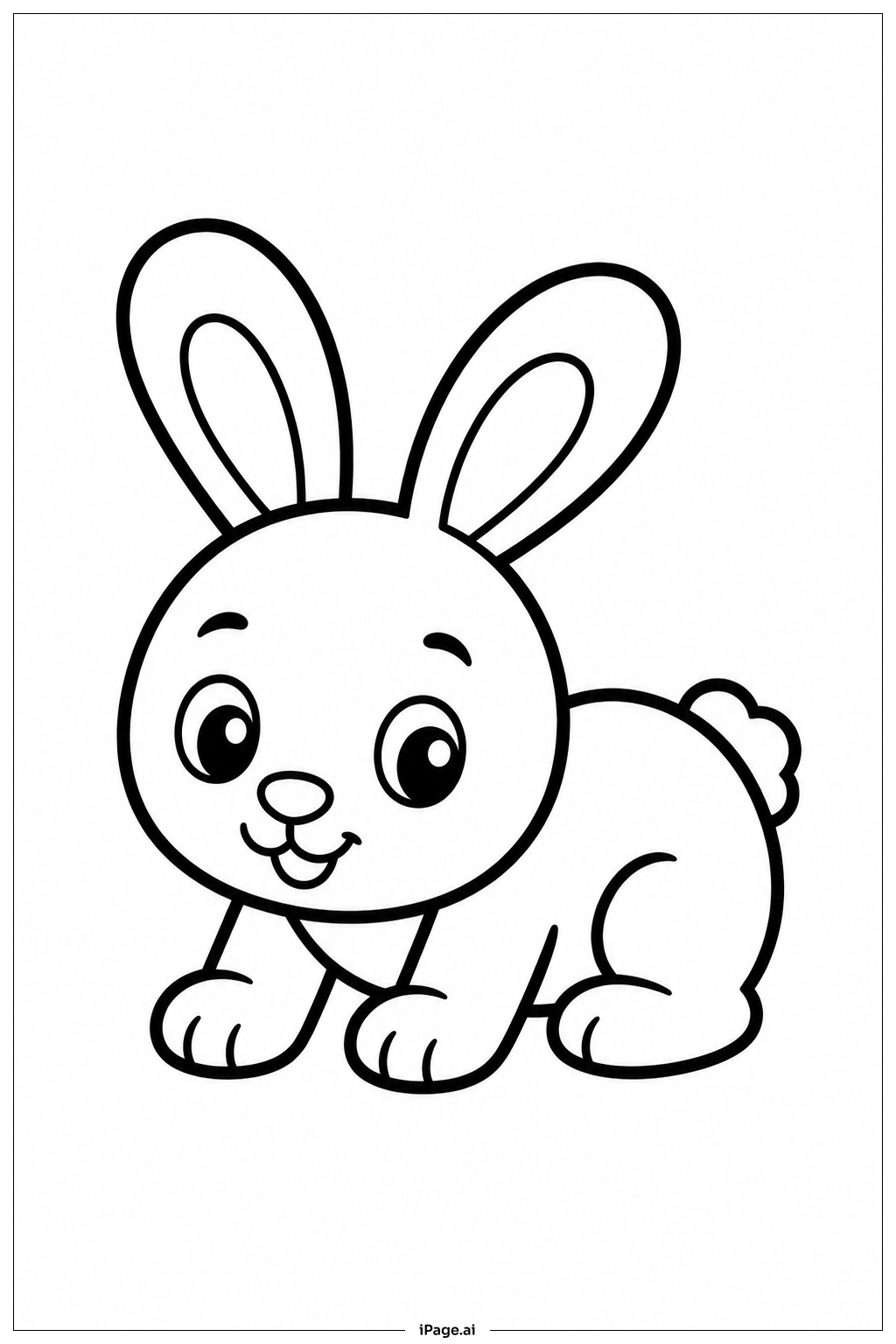
Coloring tips: How to color Curious Rabbit coloring page well?
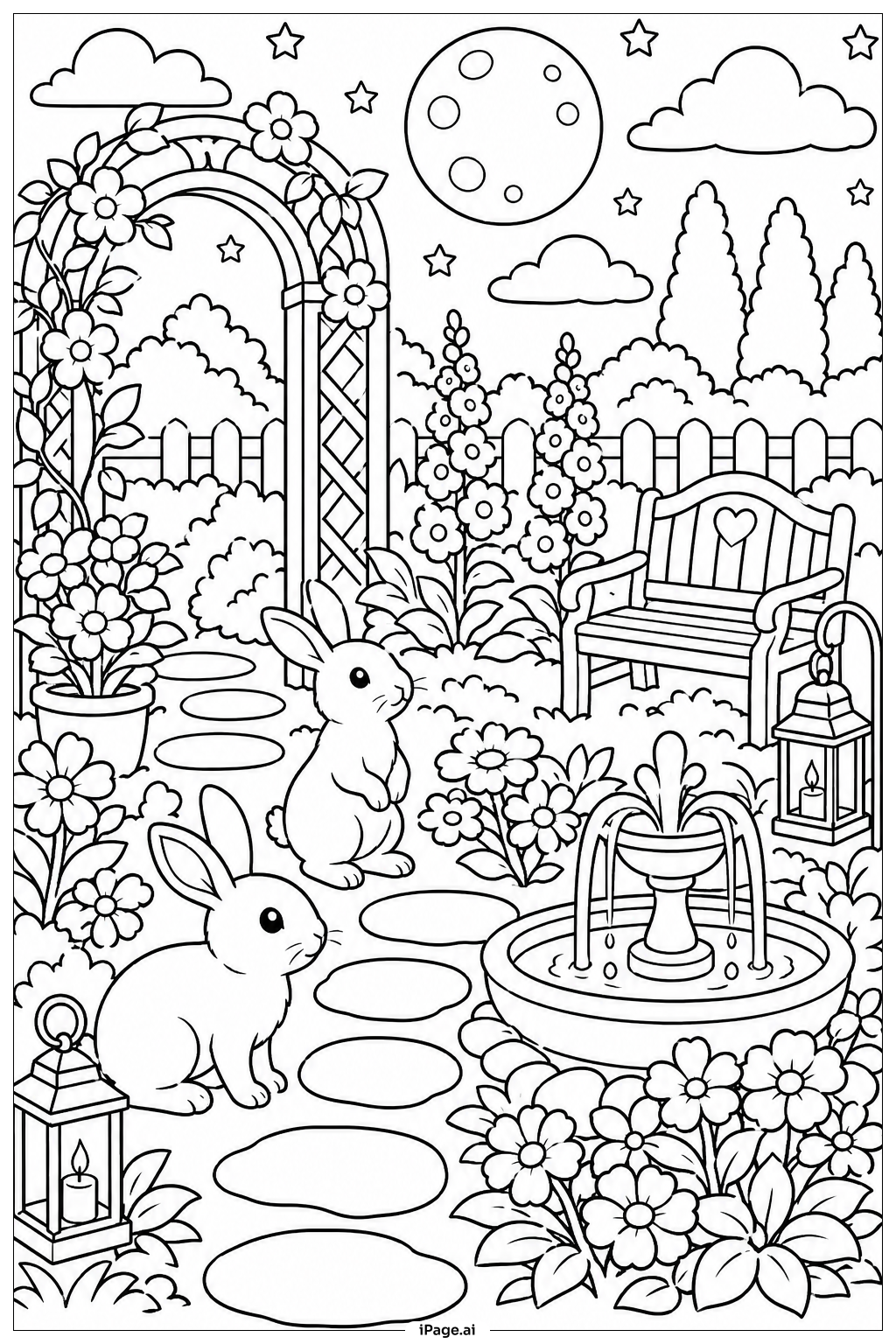
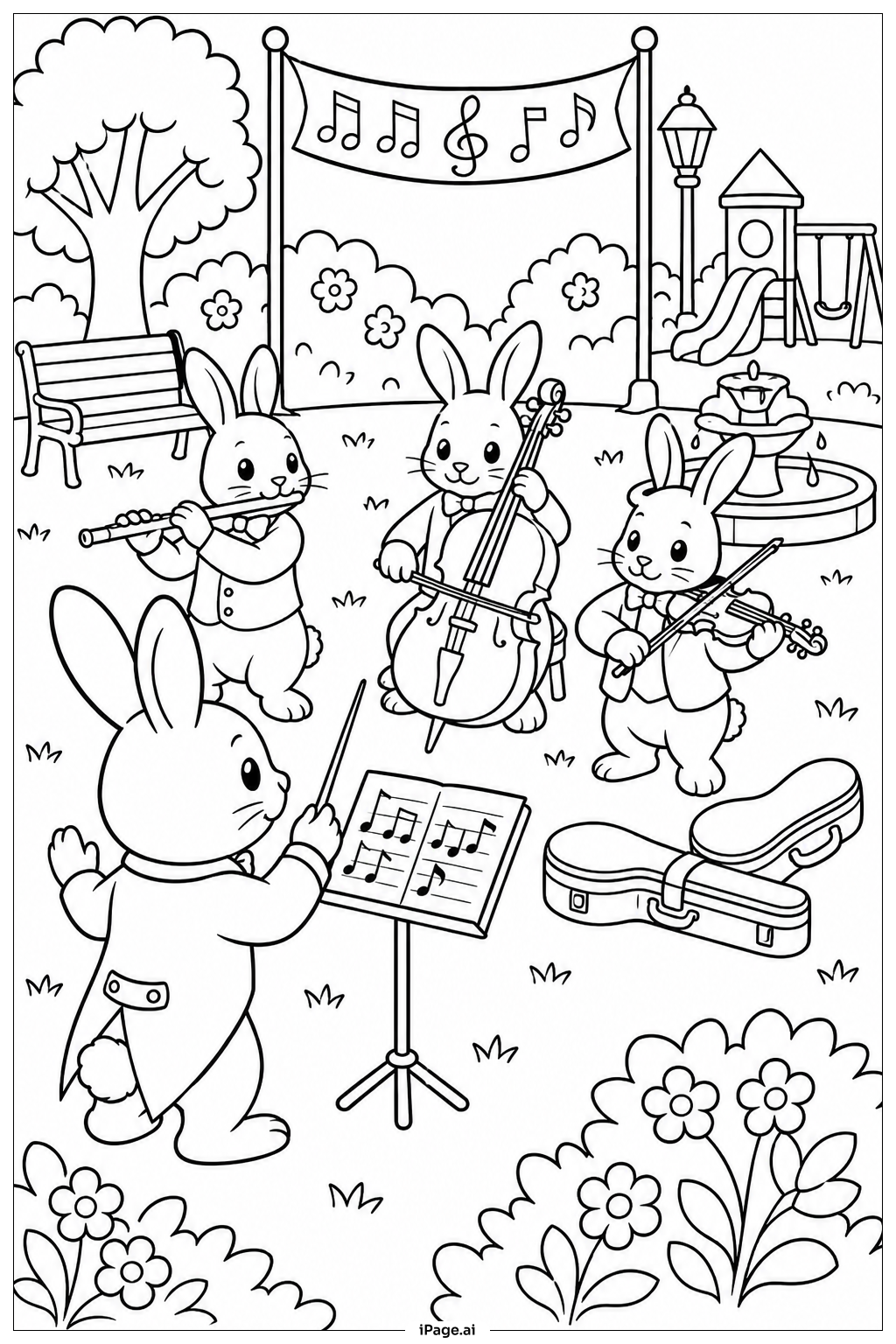
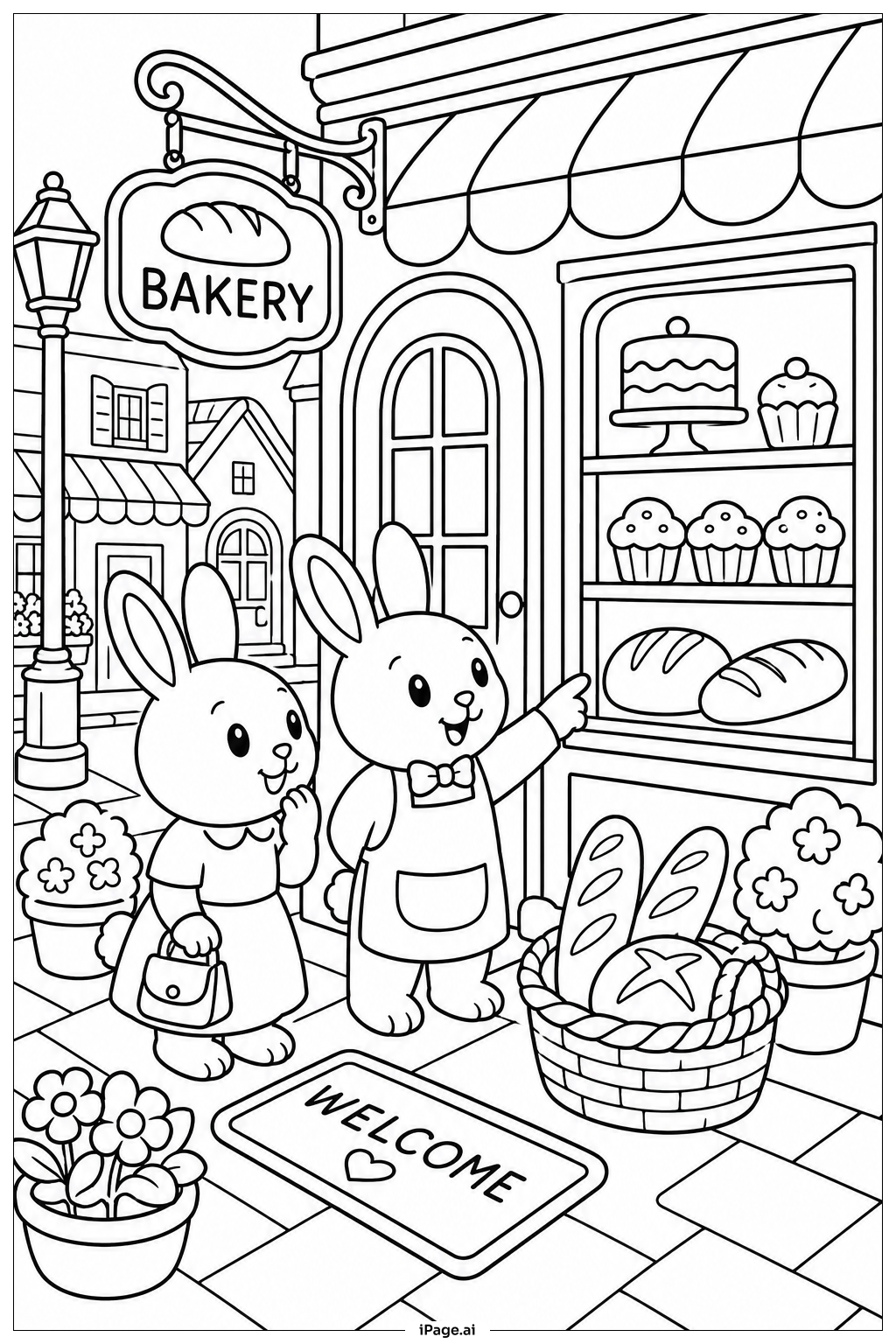
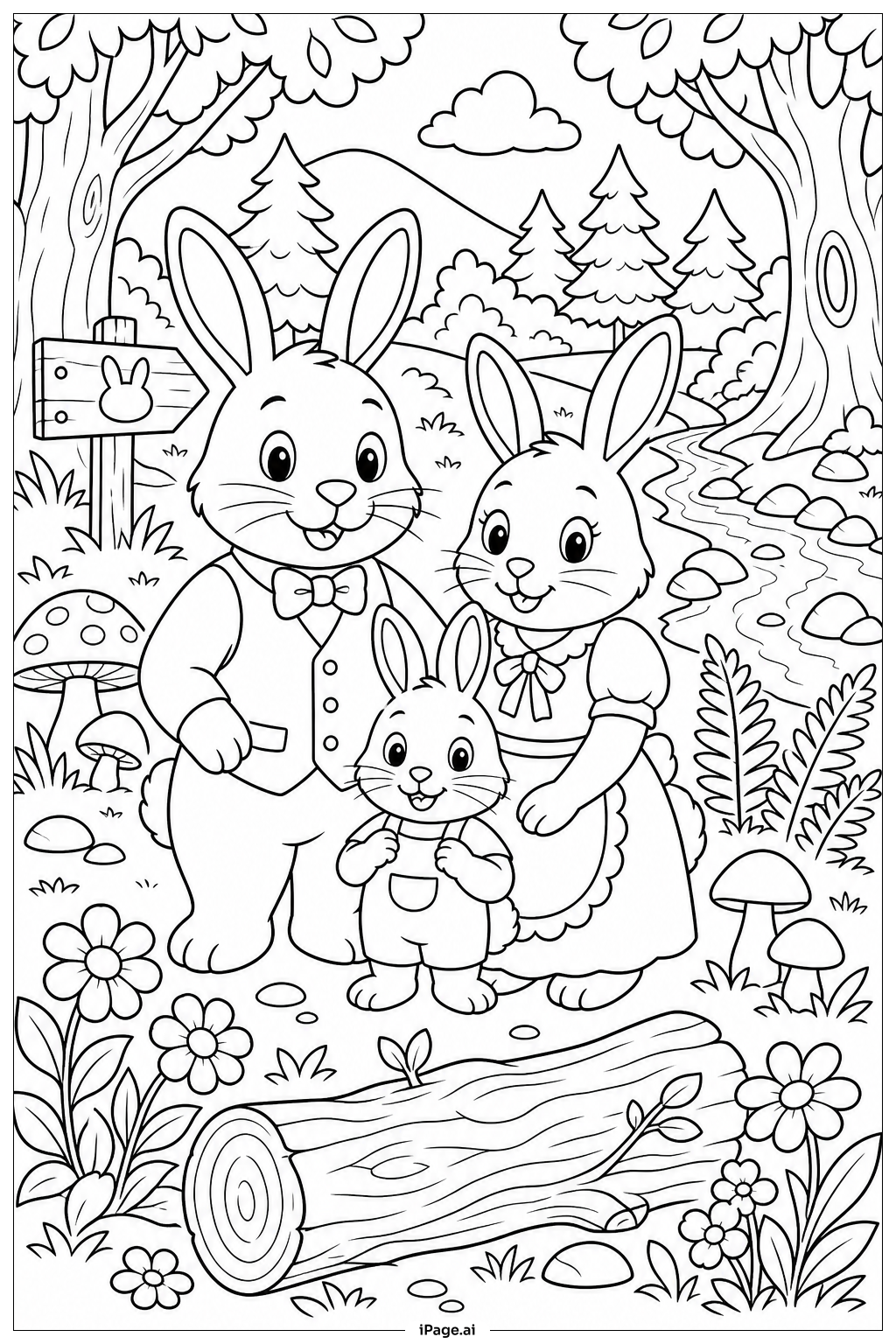
Start with the rabbit's face and work your way outward. Use a light gray or soft white for the main body fur to keep the rabbit looking natural and fluffy. Add a slightly darker shade of gray along the edges and under the belly to create a sense of depth and volume. The inner ears look great in a warm pink or light rose tone. Use a soft brown or tan as an alternative base color if you prefer a more earthy feel. For the eyes, try a rich dark brown or deep black with a small white highlight dot to make them shine and look alive. The nose can be a tiny touch of pink or coral. If you want a more creative and fun look, feel free to use pastel blues, lavenders, or mint greens for the fur. Boys and Girls of all ages can enjoy experimenting with color combinations. Keep your strokes light and smooth in open areas, and use short, feathery strokes along fur lines to mimic the texture of real rabbit fur.
Coloring challenges: Which parts are difficult to color and need attention for Curious Rabbit coloring page?
Coloring this image comes with a few fun challenges to keep in mind as you work through it:
• Fur Texture Lines: The rabbit's body is filled with many small, flowing lines that represent fur. Staying inside these fine lines takes patience and a sharp colored pencil or thin marker. Rushing through these areas can make the fur look messy, so take your time and follow the direction of each line carefully.
• Ear Shading: The ears have both an outer and inner section that need different colors or shades. Blending the transition from the outer edge to the soft inner pink requires a gentle touch. Using two or three close shades of the same color family will help make the ears look smooth and realistic rather than flat.
• Eye Detail: The eyes are small but very expressive. Getting the right balance of dark pupil, colored iris, and a bright white highlight dot in such a tiny space can be tricky, especially for younger colorists. Using a very fine-tipped tool for this area gives the best results.
• Body Depth and Volume: Because the rabbit has a round, full shape, adding shading to show its three-dimensional form is a challenge. Placing darker tones on the sides and under the chin, while keeping the center of the body lighter, helps the figure feel round and lifelike rather than flat.
• Consistent Color Pressure: Keeping an even pressure across large open areas of the body is harder than it looks. Uneven pressure creates streaky patches. Practice smooth, overlapping strokes and build color in thin layers for a clean, polished finish.
Benefits of coloring books: Advantages of drawing Curious Rabbit coloring page
Coloring this Curious Rabbit page offers a wonderful range of benefits for Kids and Adults alike. For Boys and Girls, it builds fine motor skills as they carefully navigate the small fur lines and facial details. Focusing on staying within the lines also strengthens hand-eye coordination and concentration, skills that carry over into schoolwork and daily activities. The expressive, friendly character of the rabbit naturally sparks imagination and creativity, encouraging colorists to experiment with color choices and make the image their own. For Adults, the repetitive, mindful nature of coloring fur textures and gentle curves provides a calming, meditative experience that helps reduce stress and quiet a busy mind. Completing the page from start to finish gives a rewarding sense of accomplishment for colorists of any age. The image also opens up simple conversations about animals, nature, and color theory, making it a great educational tool for parents and teachers. Whether used in a classroom, at home, or as a quiet solo activity, this coloring page is a joyful and enriching creative experience for everyone.