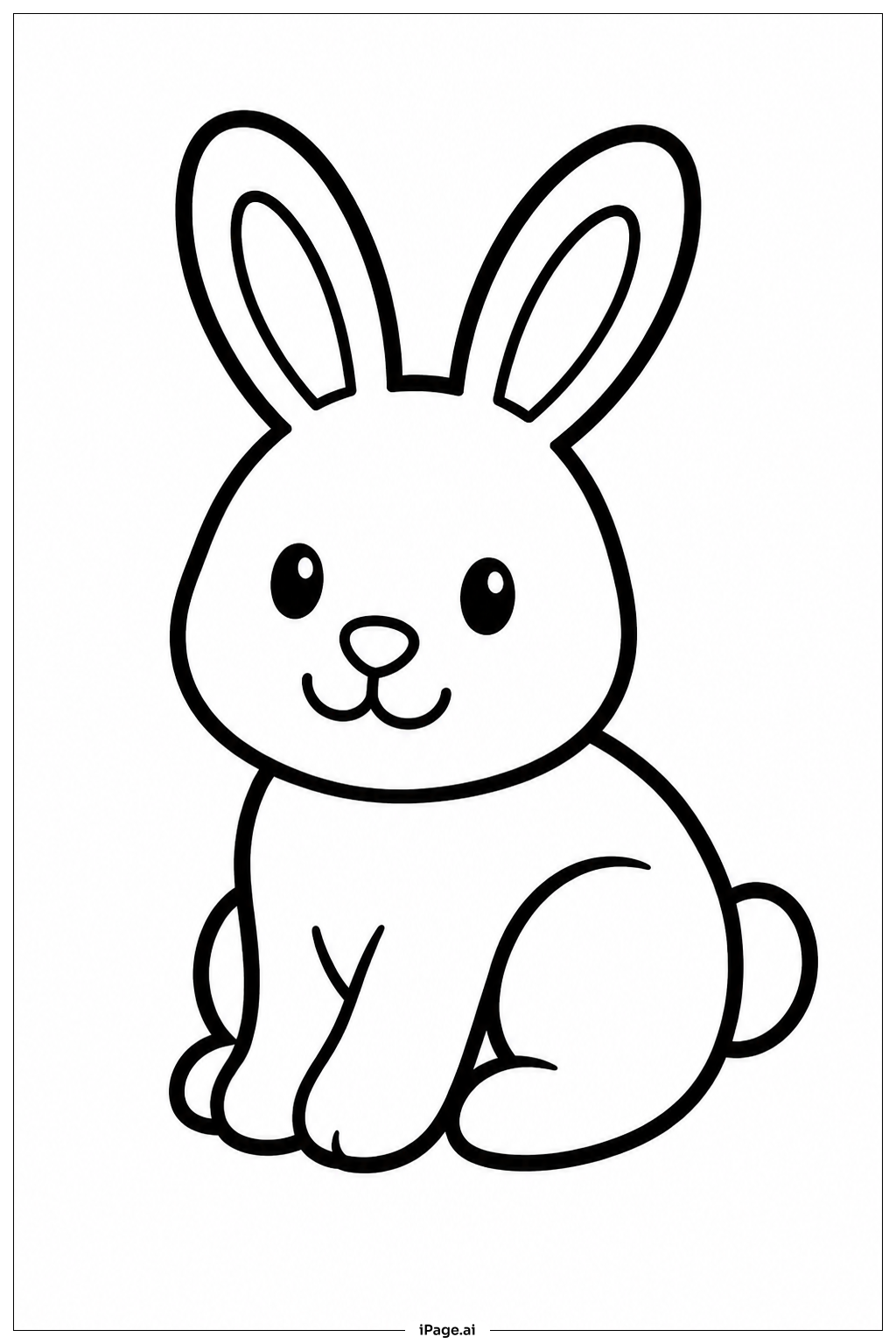
Coloring tips: How to color Bunny Rabbit coloring page well?
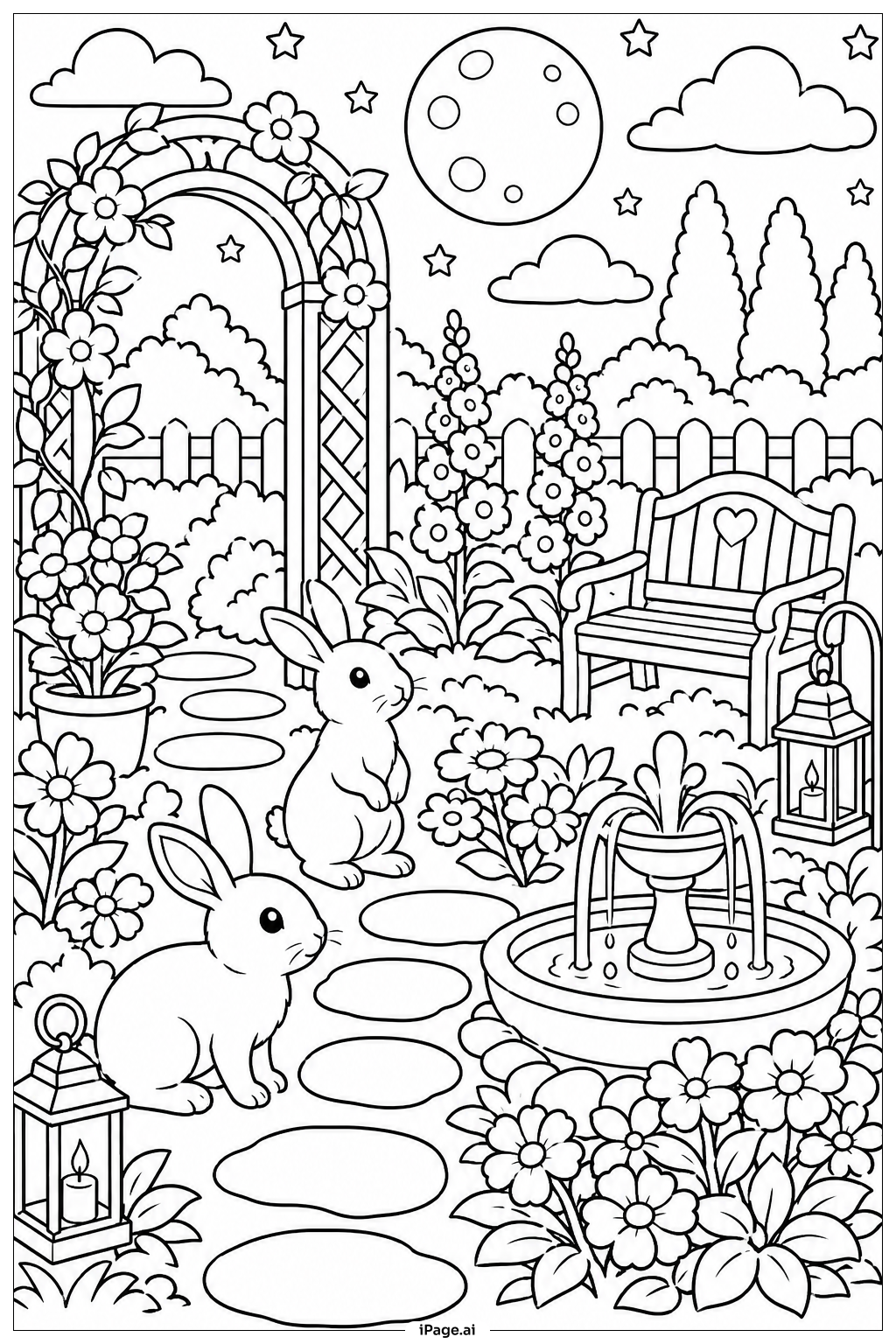
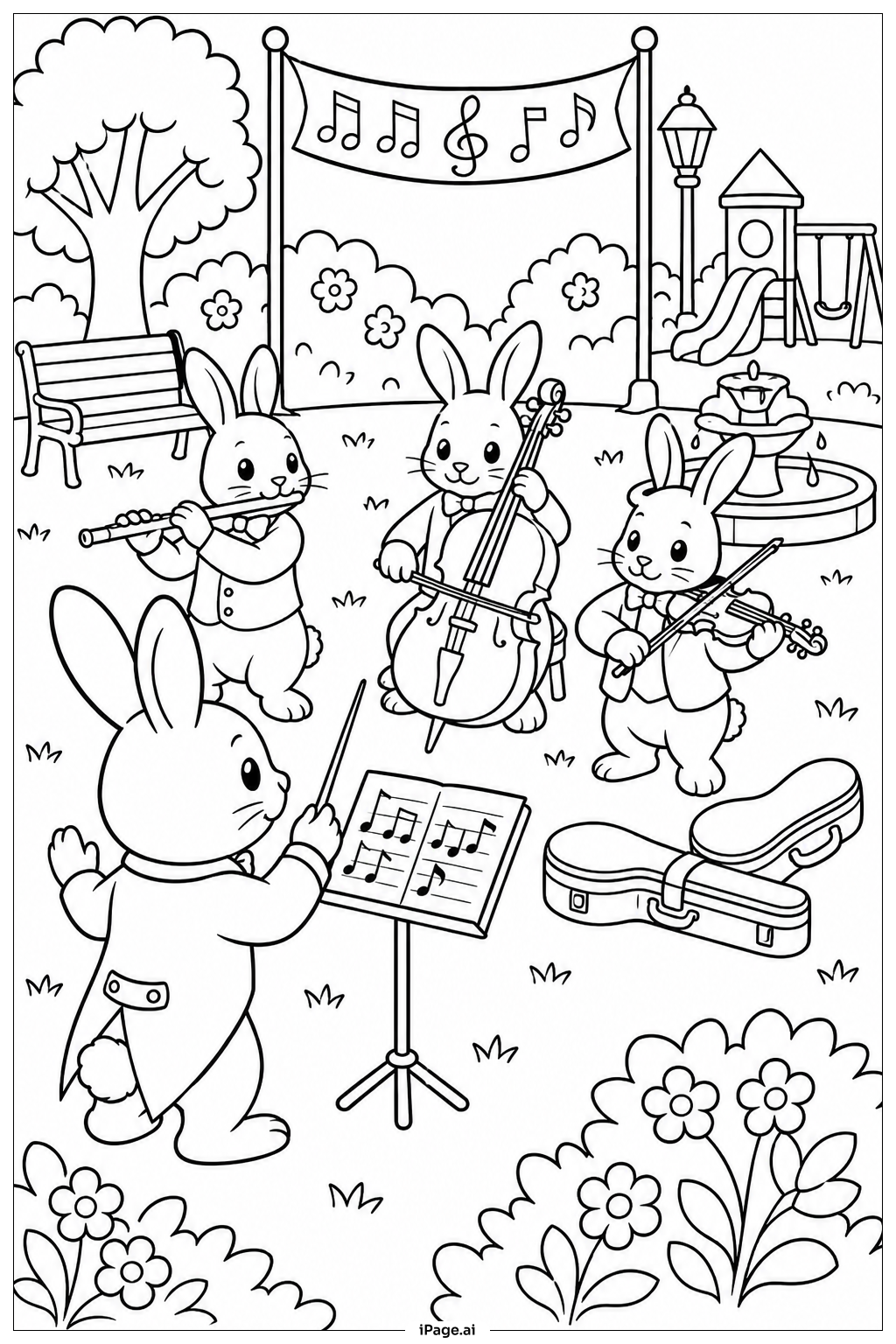
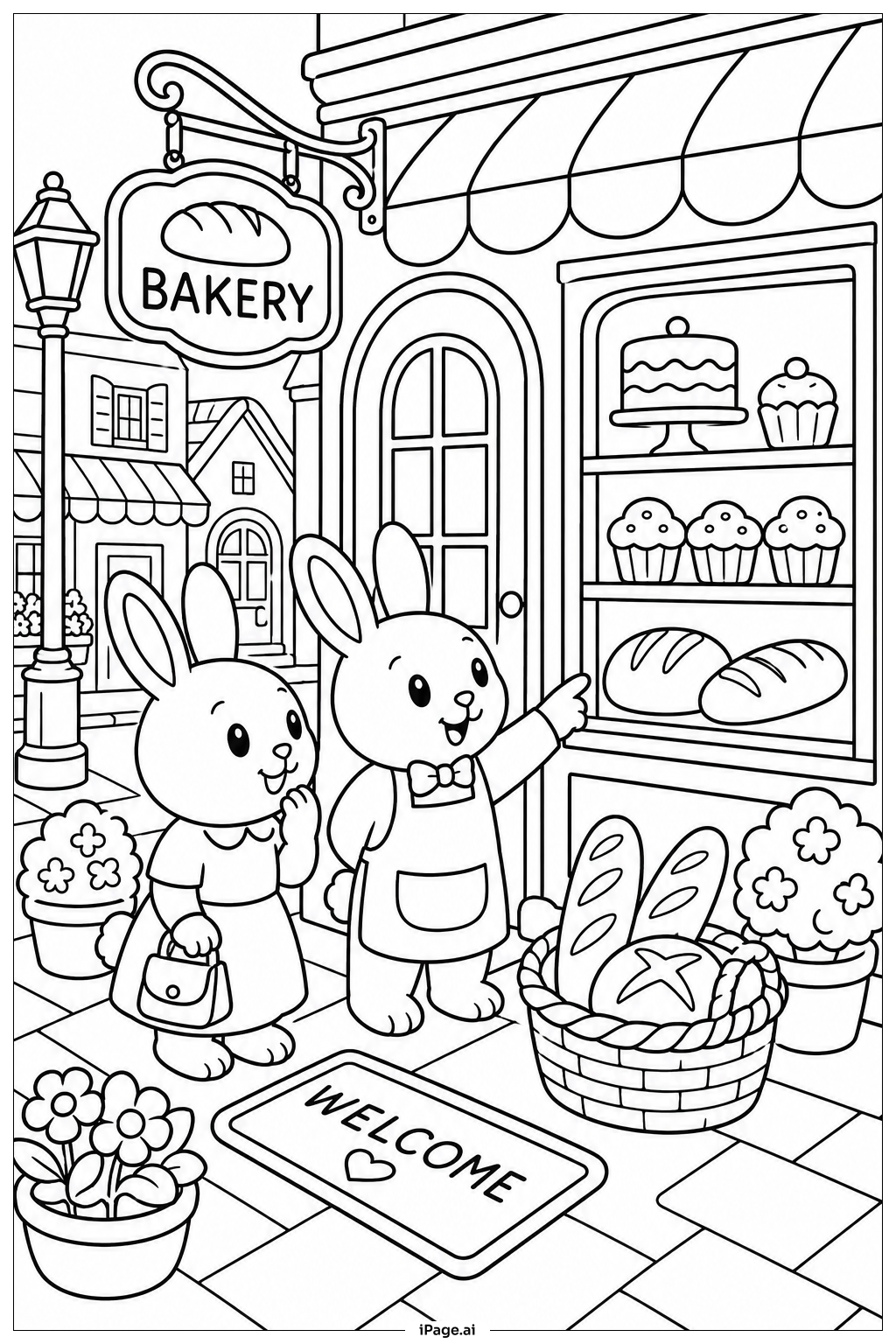
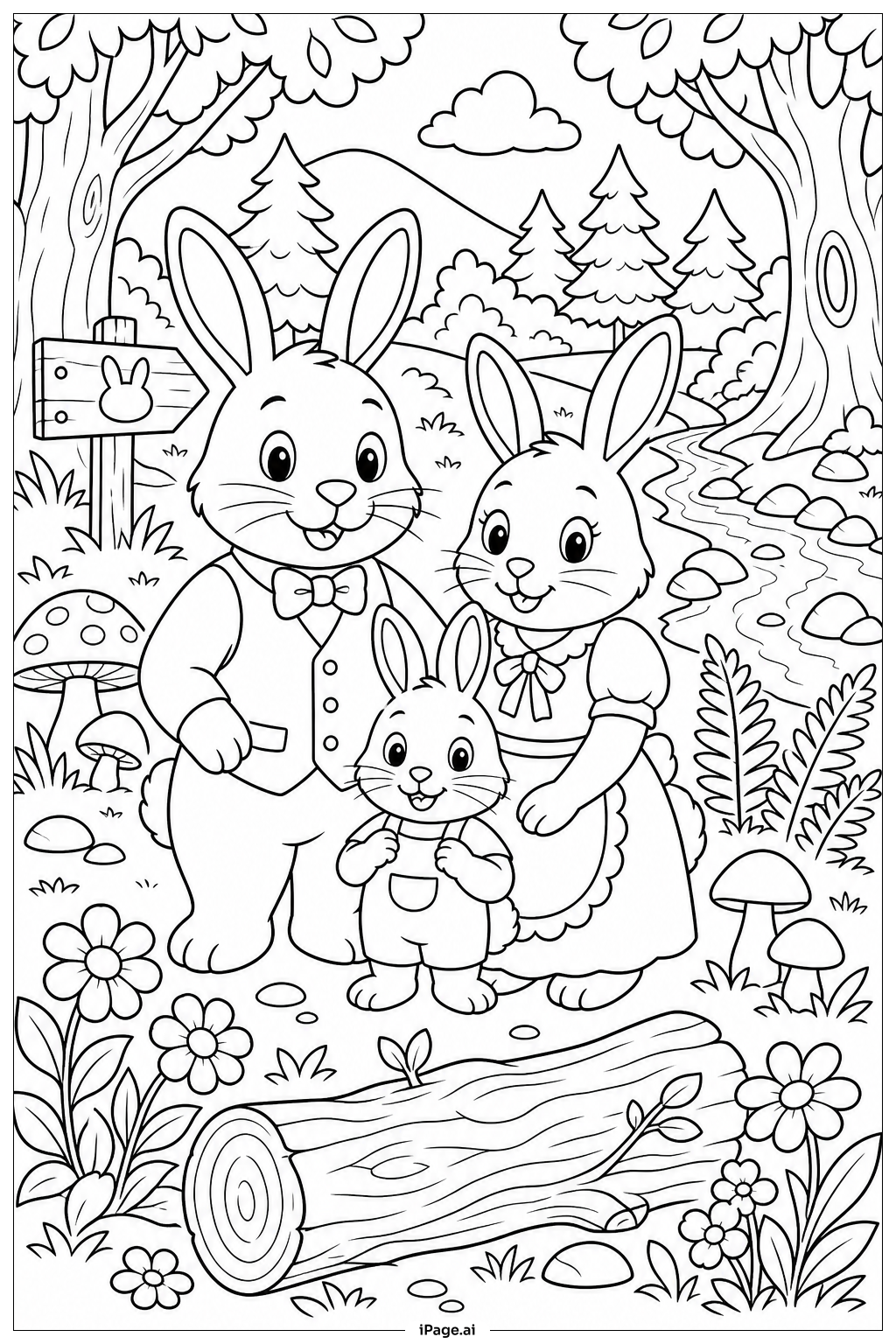
Start with the bunny's body using soft, light colors. White or cream works beautifully for the main fur. You can also try pale gray, light brown, or even a pastel pink for a fantasy-style bunny. Use a slightly darker shade of the same color to add shading along the edges of the body, ears, and paws. This gives the fur a soft, three-dimensional look. For the inner ears, a delicate pink or peach adds a sweet touch. Color the eyes a warm brown, hazel, or bright blue to make them sparkle. Add a tiny white dot to each eye to create a lively shine. Use pink or light red for the nose. The whiskers can stay uncolored or be lightly traced in gray. If there is a background, try soft greens for grass, light blue for sky, or cheerful yellow for sunshine. Keep your strokes light and smooth to capture the bunny's fluffy, gentle feel.
Coloring challenges: Which parts are difficult to color and need attention for Bunny Rabbit coloring page?
• Fur Texture Details: The bunny's fur is made up of many small curved lines and fine strokes that suggest softness. Staying within these tiny lines while keeping your color smooth and even can be tricky, especially in tighter areas around the face and paws. Take your time and use a sharp-tipped colored pencil or a fine marker for the best results.
• Smooth Shading on a Round Body: The bunny has a rounded, puffy shape. Creating a natural-looking shadow and highlight on a curved surface requires careful blending. If you use colored pencils, try layering two tones of the same color — lighter in the center, darker at the edges — to make the body look soft and three-dimensional rather than flat.
• Small Facial Features: The eyes, nose, and whiskers are small and close together on the face. Coloring such tiny features neatly without smudging nearby areas can be a real challenge. Use a very fine-tipped tool for these details, and let each area dry or settle before moving to the next.
• Ear Shading and Contrast: The long ears have both an outer and inner surface. The inner ear usually needs a contrasting color like pink or peach, while the outer ear matches the main fur tone. Keeping a clean, neat line between the two sections without color bleeding is one of the trickier parts of this image.
• Consistent Color Tone Across the Whole Body: Because the bunny is a single animal with a large fur surface, keeping the same color tone consistent from head to tail can be difficult. Uneven pressure or switching tools mid-way may create patchy areas. Try to work in sections and check your overall tone regularly as you go.
Benefits of coloring books: Advantages of drawing Bunny Rabbit coloring page
Coloring this cute bunny rabbit page offers a wonderful range of benefits for children and young learners. First, it helps build fine motor skills. Carefully filling in the fur details, small facial features, and rounded body shapes trains hand muscles and improves pencil control, which supports handwriting development. Second, it encourages focus and patience. Working through the many delicate lines of the fur and the tiny details of the face teaches kids to slow down, pay attention, and stick with a task from start to finish. Third, it sparks creativity. Choosing colors for the bunny's fur, eyes, and background gives children a fun, open-ended opportunity to express their imagination. There is no wrong answer — a pink bunny is just as wonderful as a classic white one. Fourth, it provides a calming, stress-relieving activity. The gentle, repetitive motion of coloring is naturally soothing and can help children unwind after a busy day. Finally, completing the page gives kids a real sense of pride and accomplishment, boosting their confidence and motivating them to try more Coloring Pages. It is a simple, joyful activity that blends learning with creativity.