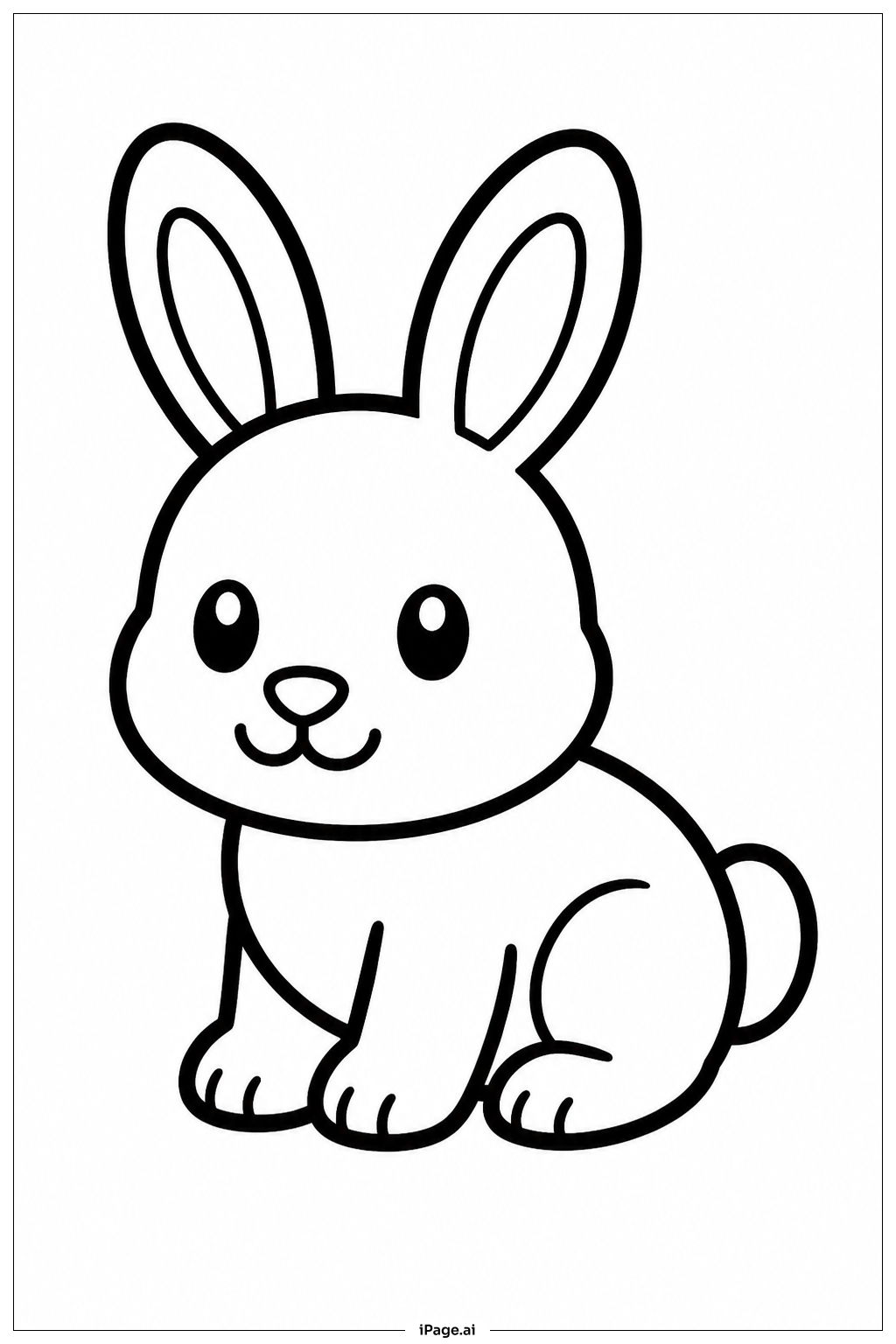
Coloring tips: How to color Baby Rabbit coloring page well?
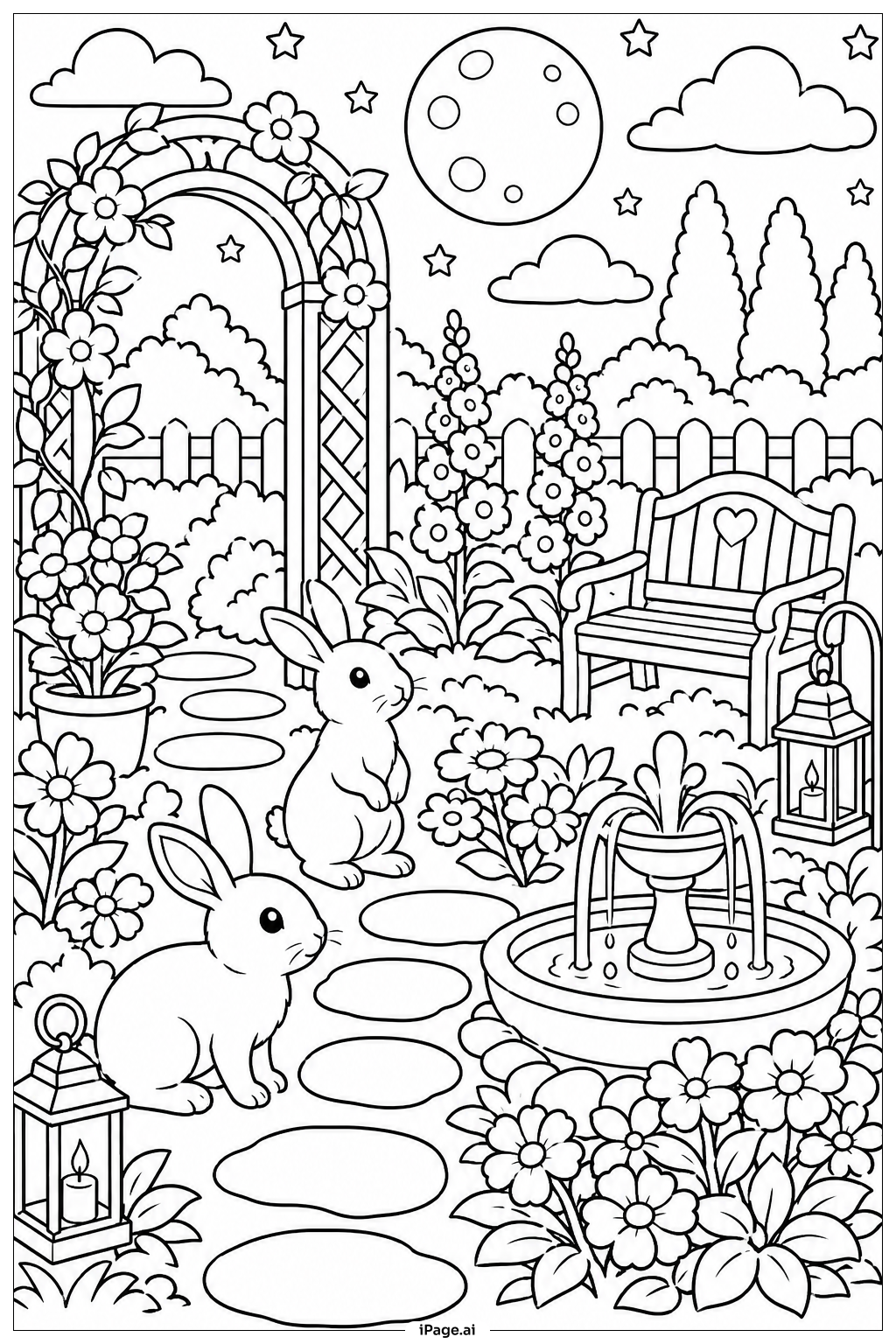
Start with the rabbit's body using soft, light colors. White or cream works beautifully for the fur. You can add a pale pink blush to the inner ears, cheeks, and nose to give the bunny a warm, rosy glow. For the eyes, try a deep brown or black with a tiny white highlight dot to make them look shiny and alive. Use light green for the grass and soft pastel shades like yellow, lavender, or pink for the surrounding flowers. If you want a more realistic look, layer a light gray over the white areas to show depth in the fur. For a fun, whimsical style, feel free to use any colors you love — even a rainbow bunny looks amazing. Keep your strokes gentle and smooth to match the soft, fluffy feel of the rabbit. This is a great chance to practice blending light and slightly darker shades of the same color to create a three-dimensional, lifelike effect on the fur.
Coloring challenges: Which parts are difficult to color and need attention for Baby Rabbit coloring page?
Coloring this baby rabbit image is a delightful experience, but it does come with a few challenges worth keeping in mind as you work through each section.
• Fur Texture: Recreating the soft, fluffy look of rabbit fur is one of the trickiest parts. Solid flat color can make the bunny look stiff. Try using short, light pencil strokes that follow the direction of the fur to give it a natural, textured feel. Layering a slightly darker shade over the base color in shadow areas helps create depth.
• Ear Detailing: The inner ear area is small and delicate. Applying a soft pink color inside without going over the outer ear outline requires a steady hand and a sharp, fine-tipped coloring tool. Take your time and work slowly in this area.
• Eye Shading: The eyes are tiny but carry a lot of expression. Getting the right balance of dark pupil, colored iris, and a small white highlight spot can be challenging for younger colorists. Using a very fine tip and leaving a tiny uncolored dot for the highlight makes the eyes look bright and lively.
• Blending Body Shading: The round, chubby belly of the bunny benefits from subtle shading to look three-dimensional. Blending from a lighter center outward to slightly darker edges gives the body a soft, rounded shape. This technique takes practice but makes a big difference in the final result.
• Small Background Details: The tiny flowers and grass blades around the rabbit are small and close together. Coloring them neatly without smudging into the rabbit's outline requires patience and careful tool control, especially for younger children.
Benefits of coloring books: Advantages of drawing Baby Rabbit coloring page
Coloring this sweet baby rabbit page offers a wide range of benefits for children and young colorists of all ages.
First, it helps build fine motor skills. Carefully coloring within the lines of the rabbit's small ears, tiny paws, and delicate facial features trains hand muscles and improves pencil control, which is great preparation for writing.
Second, it encourages creativity and self-expression. Choosing colors for the fur, flowers, and background lets kids make their own artistic decisions. There is no wrong answer — every child's version is unique and special.
Third, it supports focus and patience. Sitting down to finish a detailed coloring page teaches children how to concentrate on one task from start to finish, a skill that helps in school and everyday life.
Fourth, it introduces basic color theory. Experimenting with light and dark shades, blending warm and cool tones, and picking complementary colors for the background all build an early understanding of color relationships in a fun, pressure-free way.
Finally, completing this page gives children a real sense of pride and accomplishment. Seeing a finished, colorful piece of art that they created themselves boosts confidence and encourages a love of creative activities that can last a lifetime.