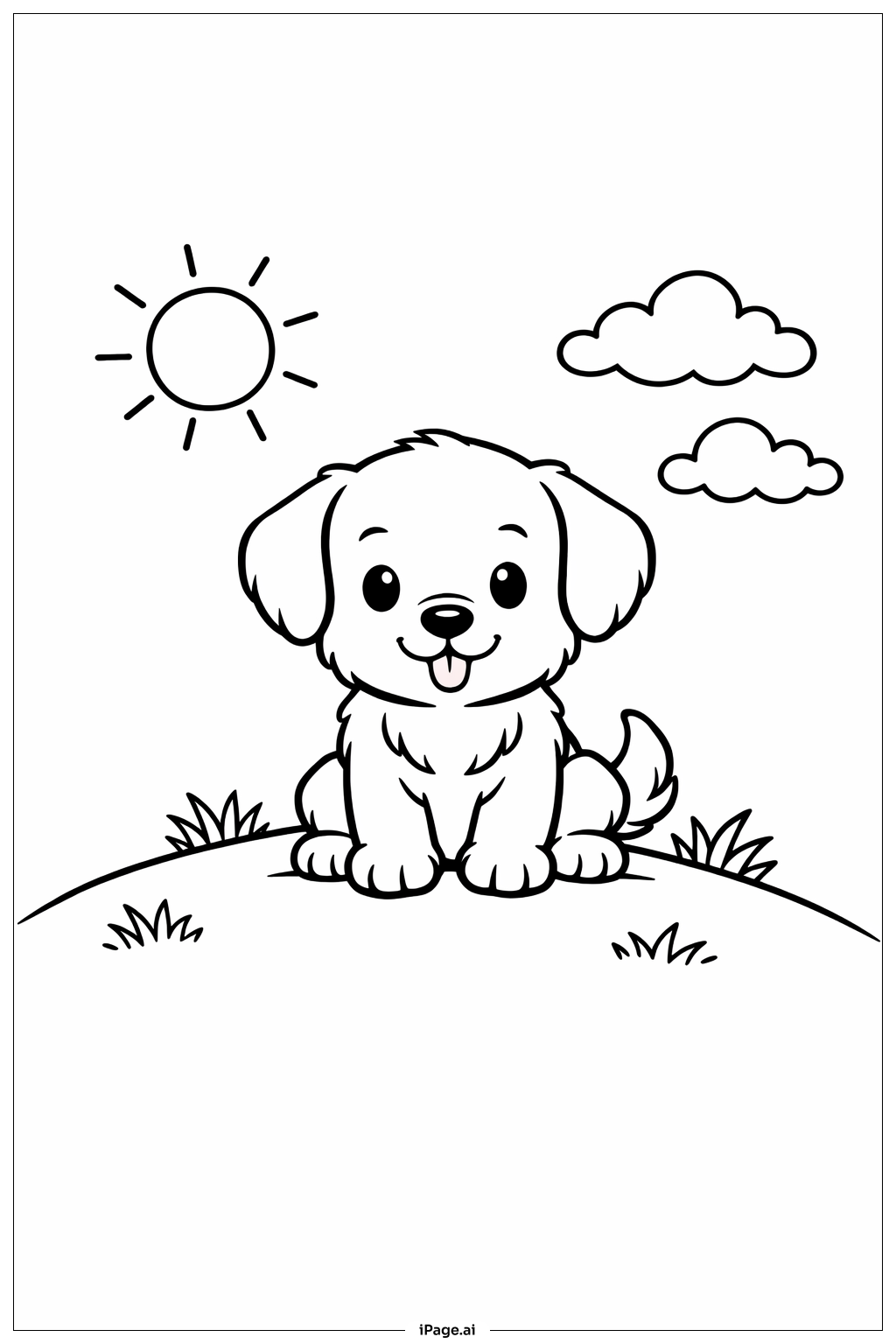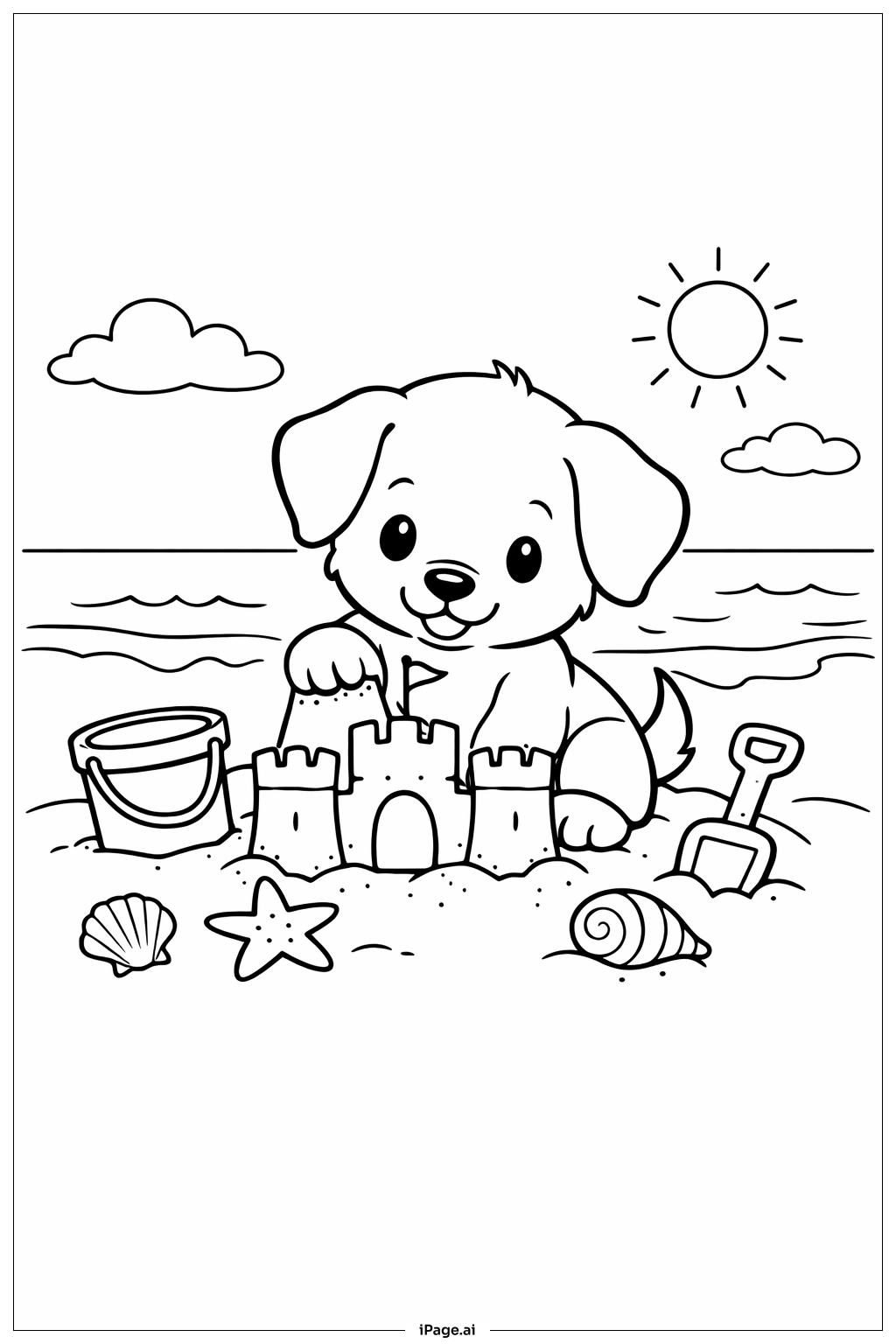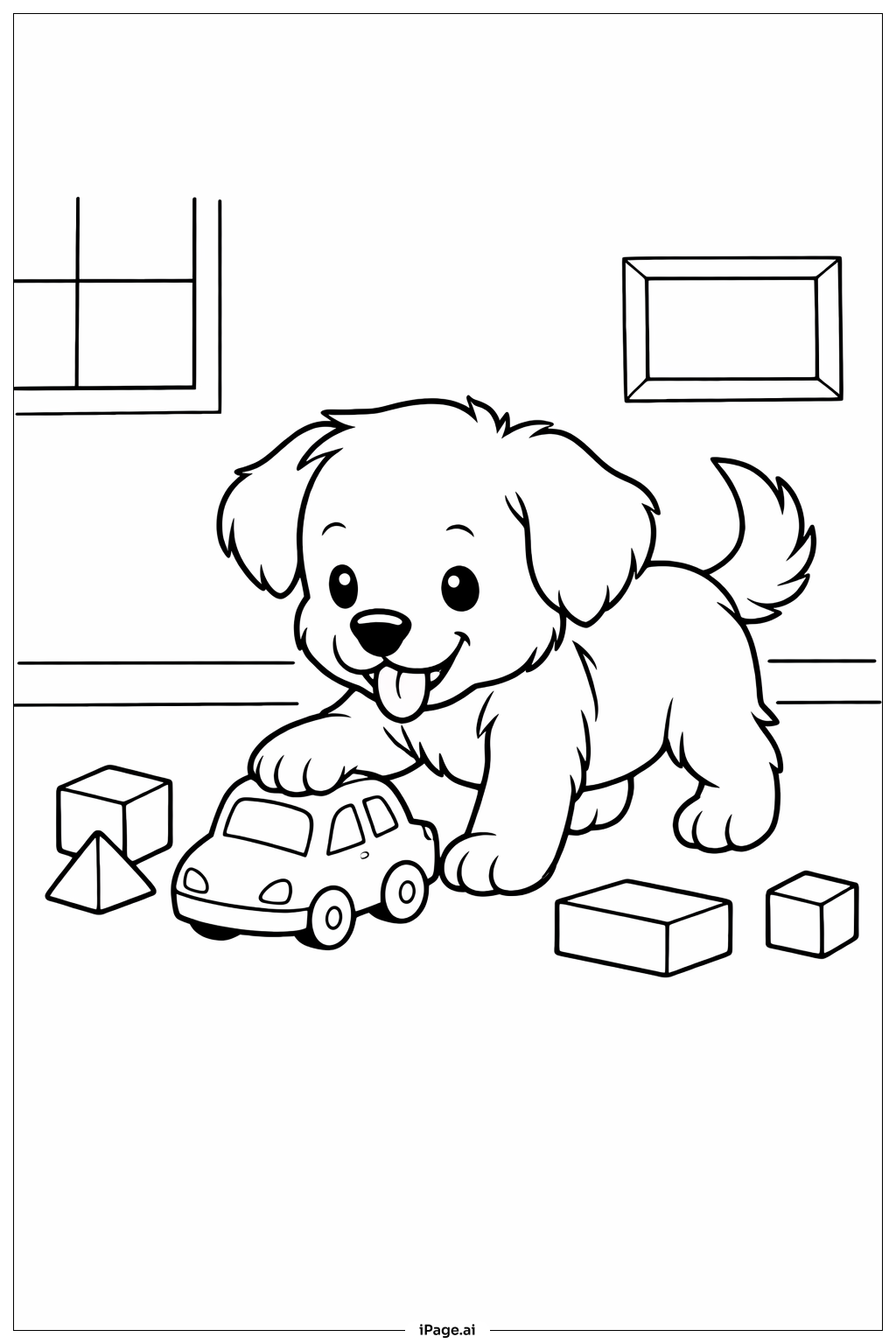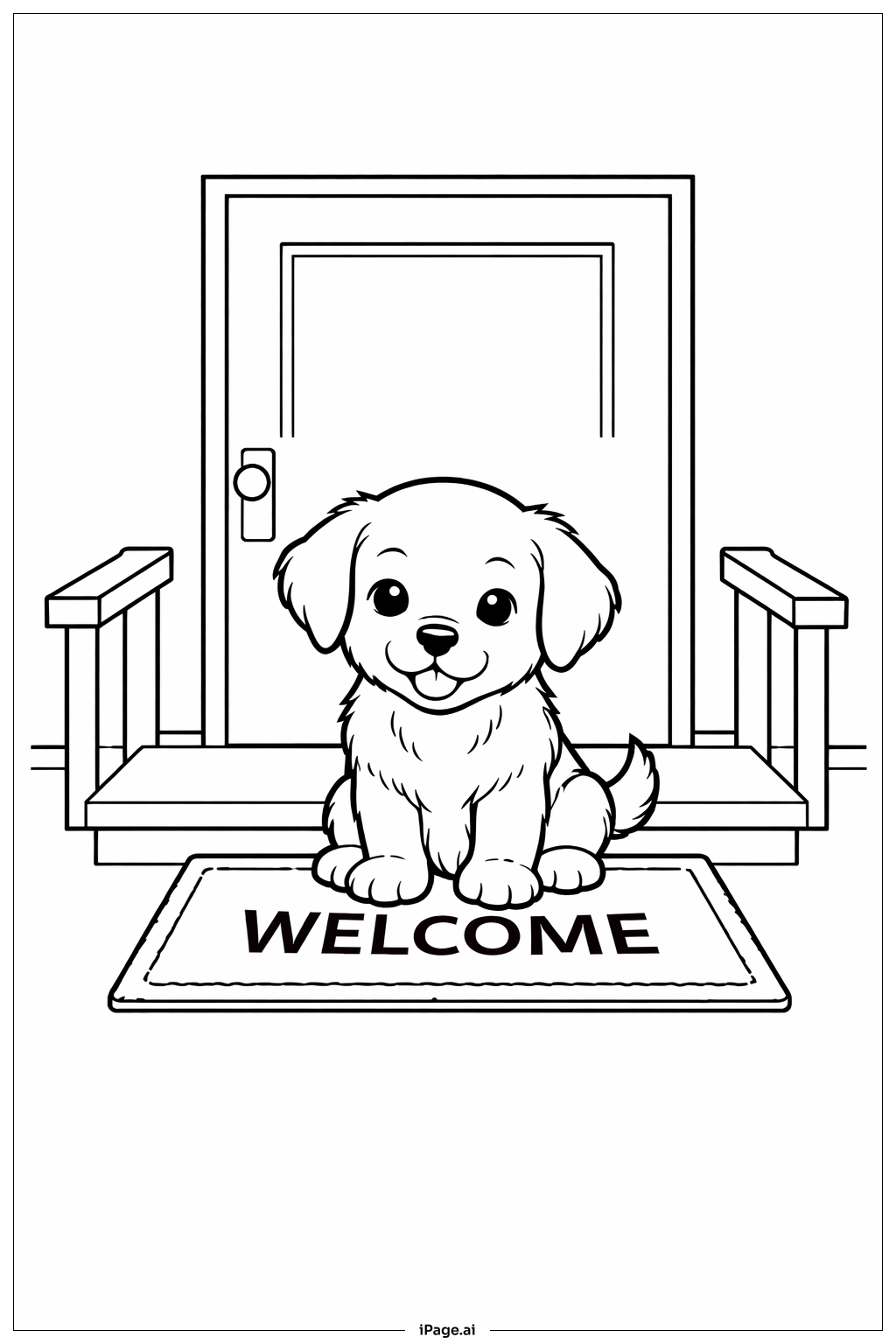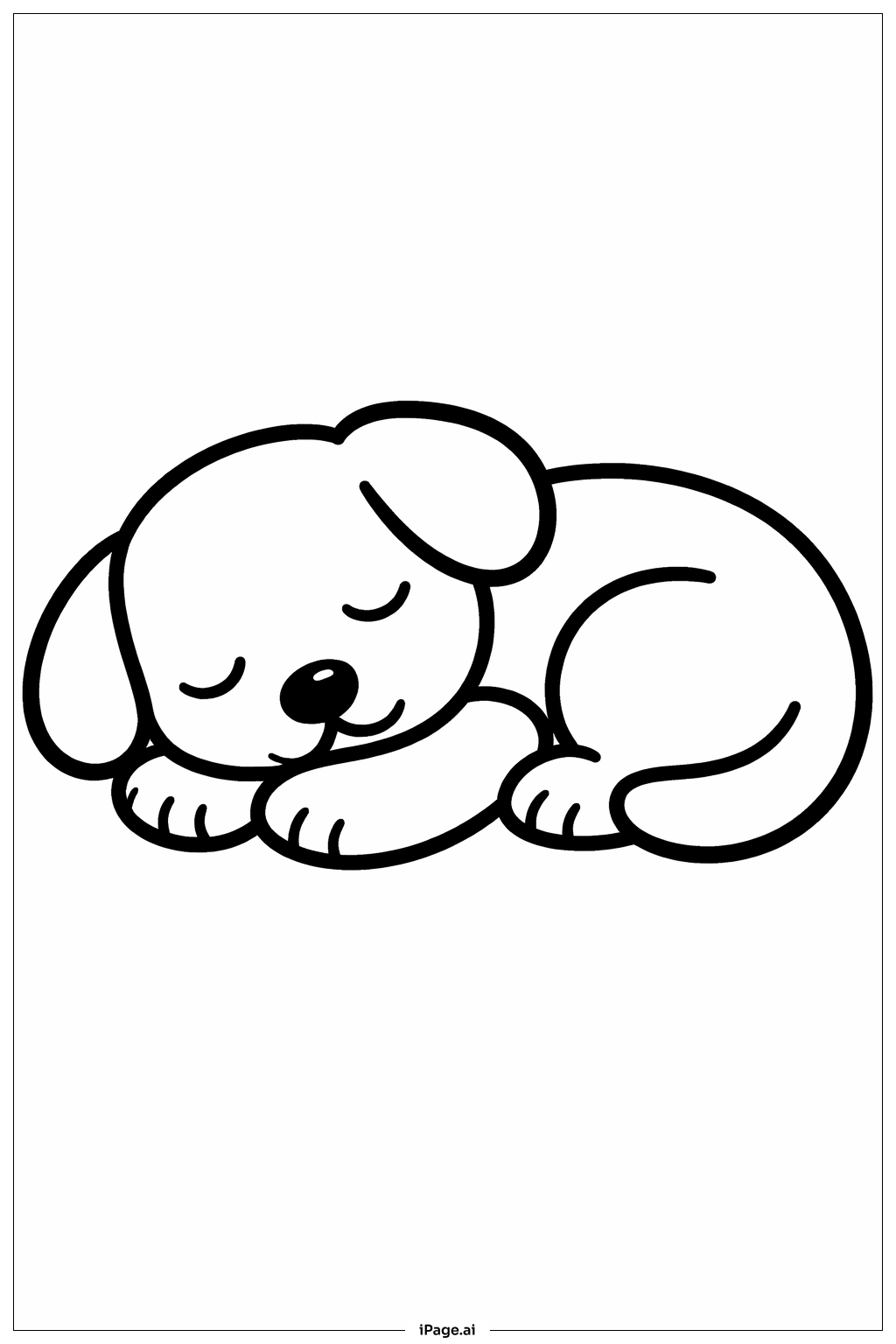
Coloring tips: How to color Sleeping Puppy coloring page well?
Start with a base color for the puppy's fur. Popular choices include golden brown, cream, chocolate brown, or even spotted patterns like black and white. For a realistic look, use lighter shades on the belly and around the muzzle, and darker tones on the back and ears. The nose can be colored black, dark brown, or pink. Consider adding soft shading around the edges where the puppy's body curves to create depth and dimension. You might use colored pencils to blend different shades of the same color family, making the fur look soft and fluffy. For a creative twist, try fantasy colors like pastel pink, blue, or purple for a magical puppy. Don't forget to add a light blush on the cheeks for extra cuteness.
Coloring challenges: Which parts are difficult to color and need attention for Sleeping Puppy coloring page?
• Fur Texture and Direction: The puppy's fur requires attention to natural flow and texture. Coloring in the direction fur naturally grows helps create realism. The curved body position means fur direction changes around different body parts, requiring careful observation and varied strokes to achieve a natural, fluffy appearance.
• Shading and Dimension: Creating depth on a rounded, curled-up body can be challenging. The puppy's sleeping position creates natural shadows where the body curves inward and where limbs tuck underneath. Identifying light sources and applying darker shades in recessed areas while keeping highlights on raised surfaces requires planning and color blending skills.
• Small Detailed Features: The puppy's face includes delicate elements like closed eyes with eyelashes, a small nose, and mouth. These tiny areas need precision and steady hand control. Staying within the lines of these small features while applying appropriate colors can be tricky, especially for younger colorists.
• Color Blending and Transitions: Achieving smooth color transitions from light to dark areas creates a professional, polished look. Blending requires either layering different pressure levels with the same color or smoothly transitioning between related shades. This technique takes practice and patience to master without leaving harsh lines or uneven patches.
Benefits of coloring books: Advantages of drawing Sleeping Puppy coloring page
Coloring this peaceful sleeping puppy offers wonderful relaxation benefits. The gentle, calm subject matter naturally promotes a soothing, meditative state as you work. This image helps develop fine motor skills through detailed work on small facial features and careful attention to fur texture. It encourages color theory exploration as you decide on realistic or imaginative color schemes and practice shading techniques. The adorable subject matter brings joy and emotional comfort, making it perfect for stress relief. Children learn about animal features and anatomy while developing patience and focus. The curved lines and rounded shapes provide excellent practice for controlled hand movements. Completing this sweet puppy creates a sense of accomplishment and can be a cherished keepsake or gift that spreads happiness to others.