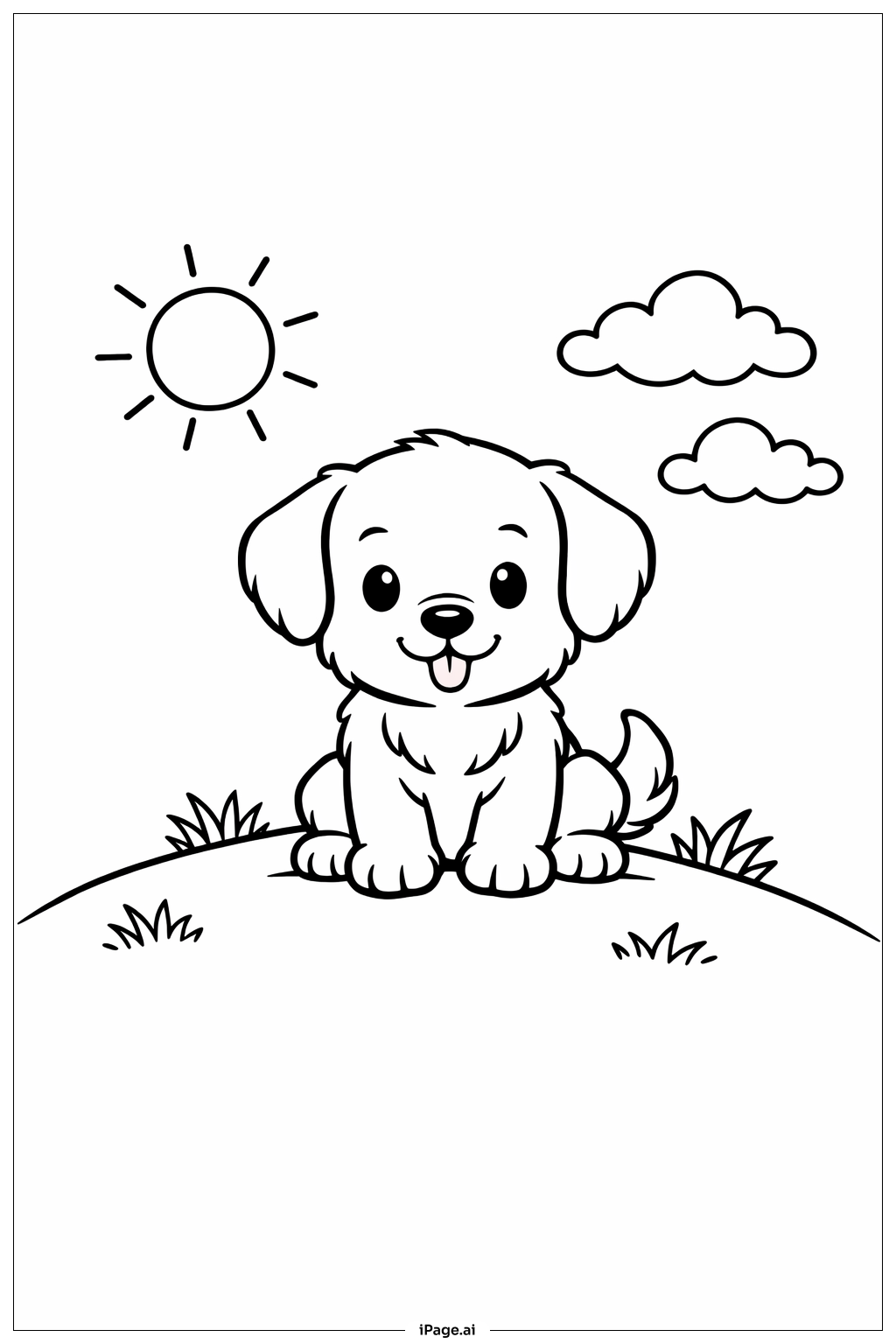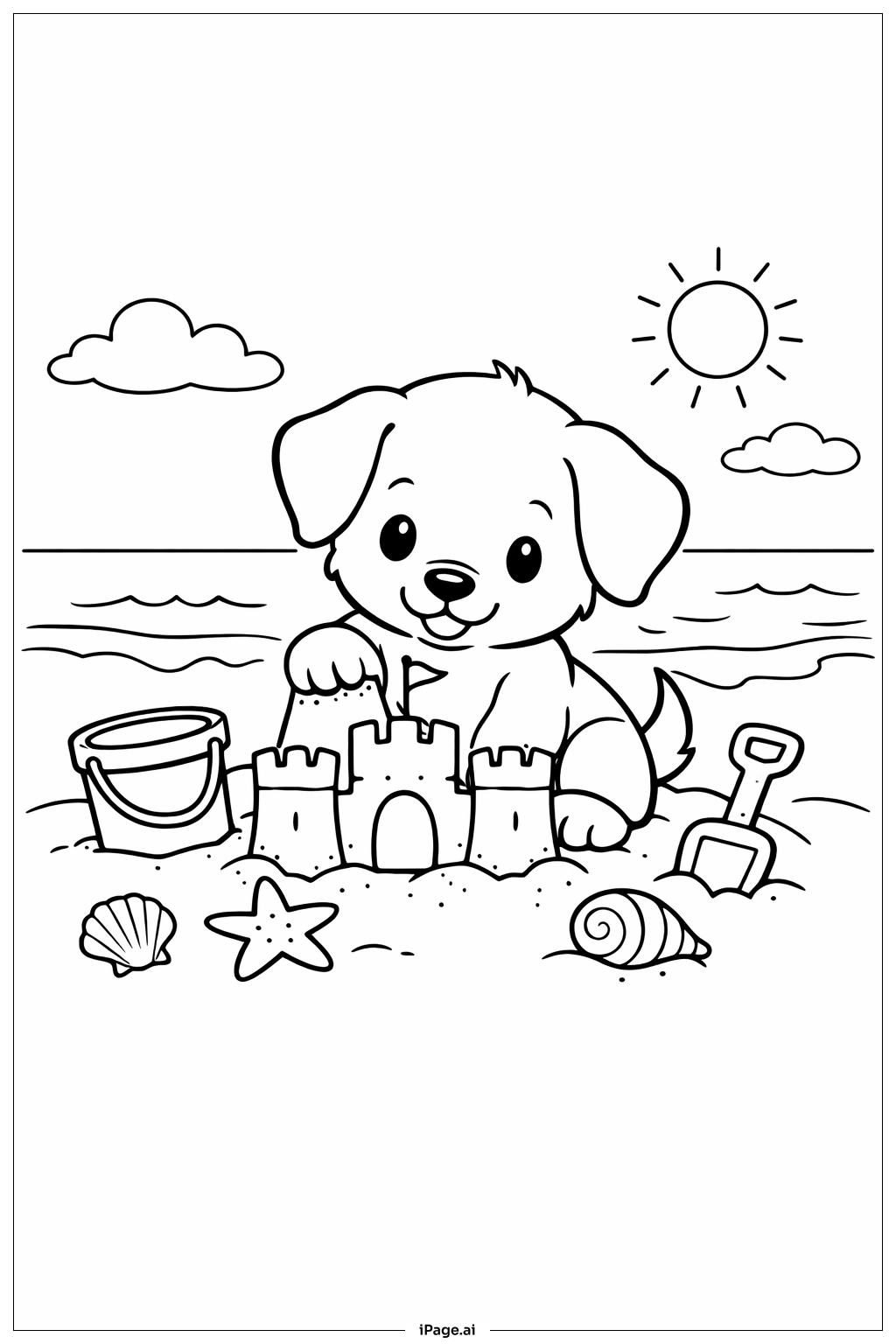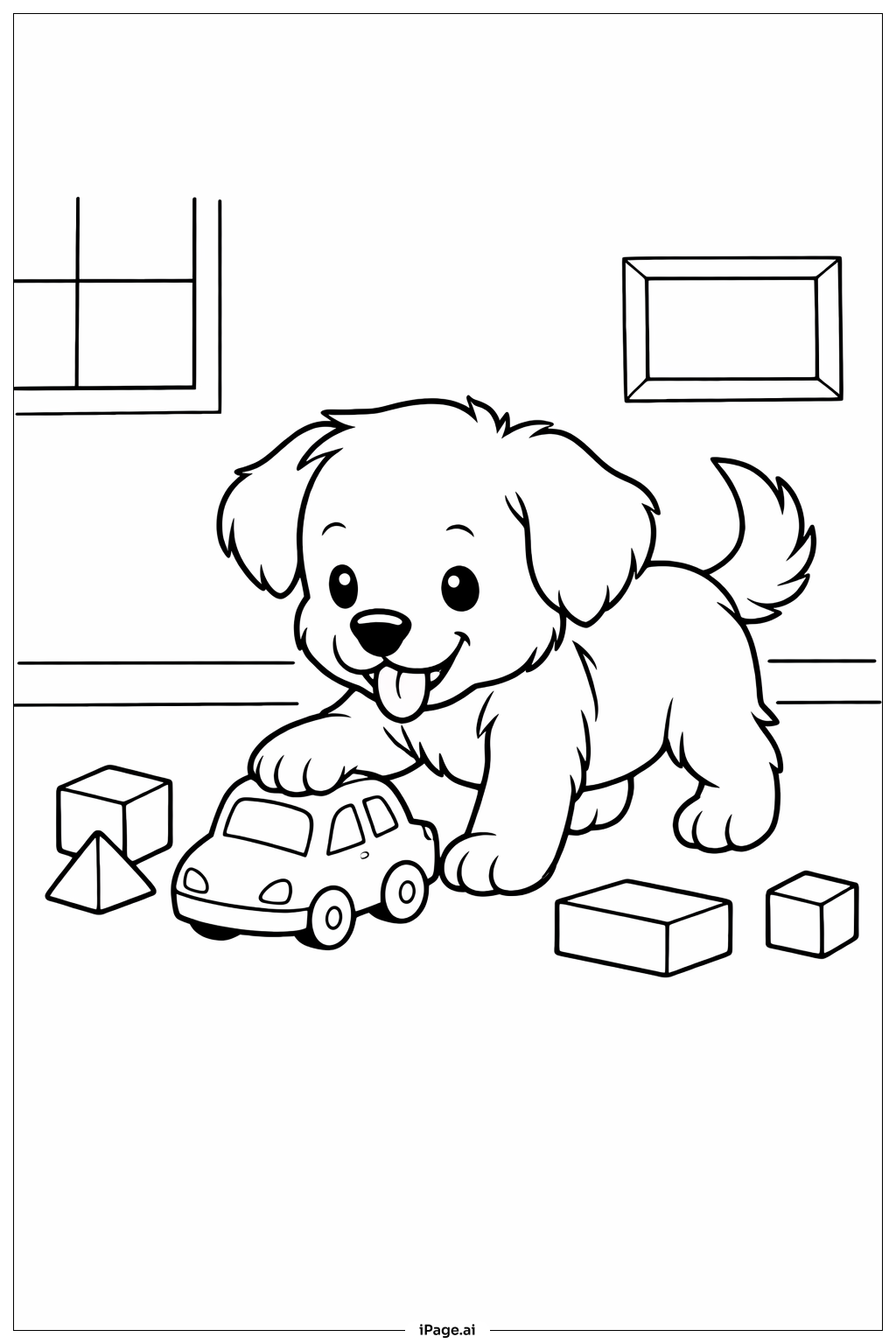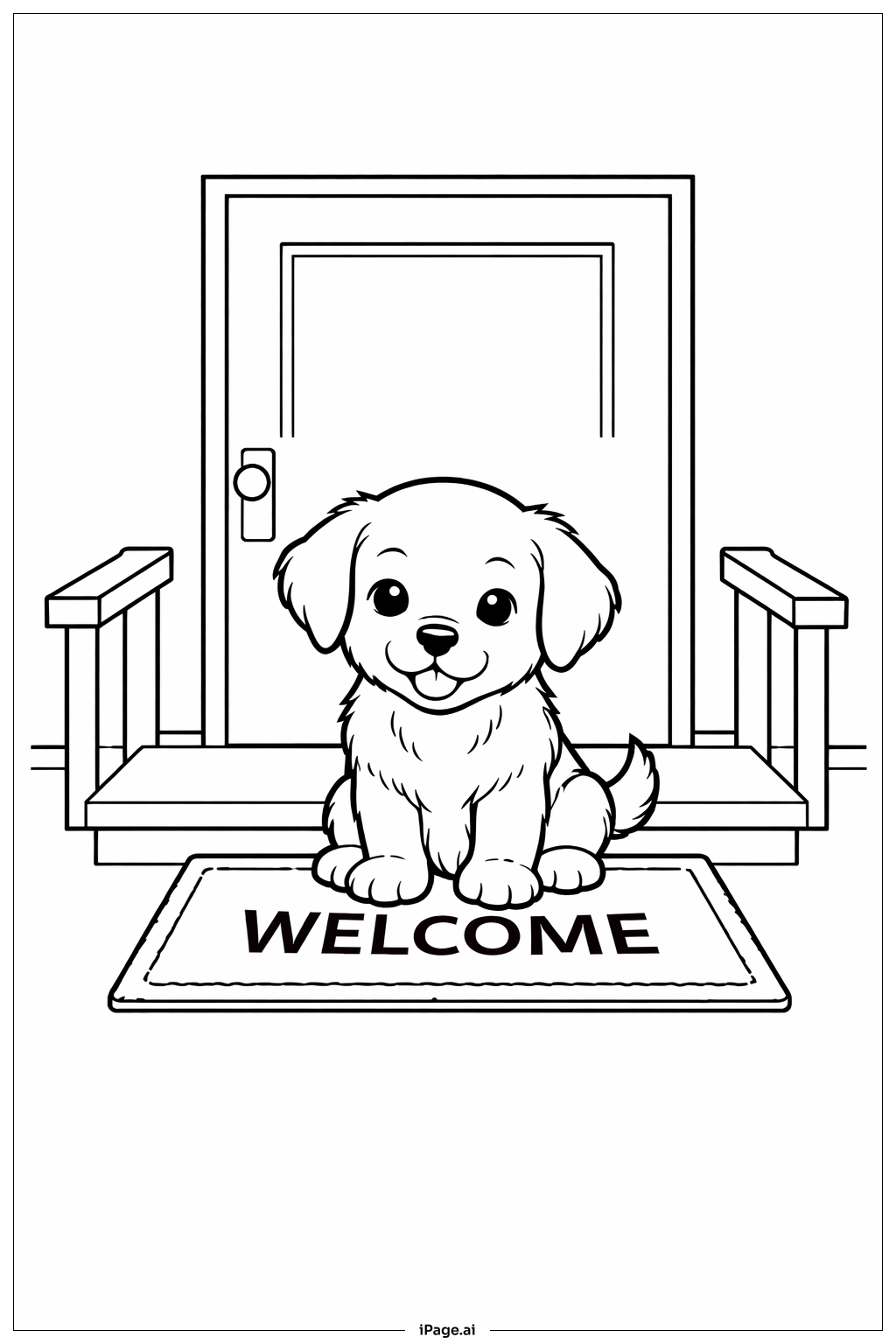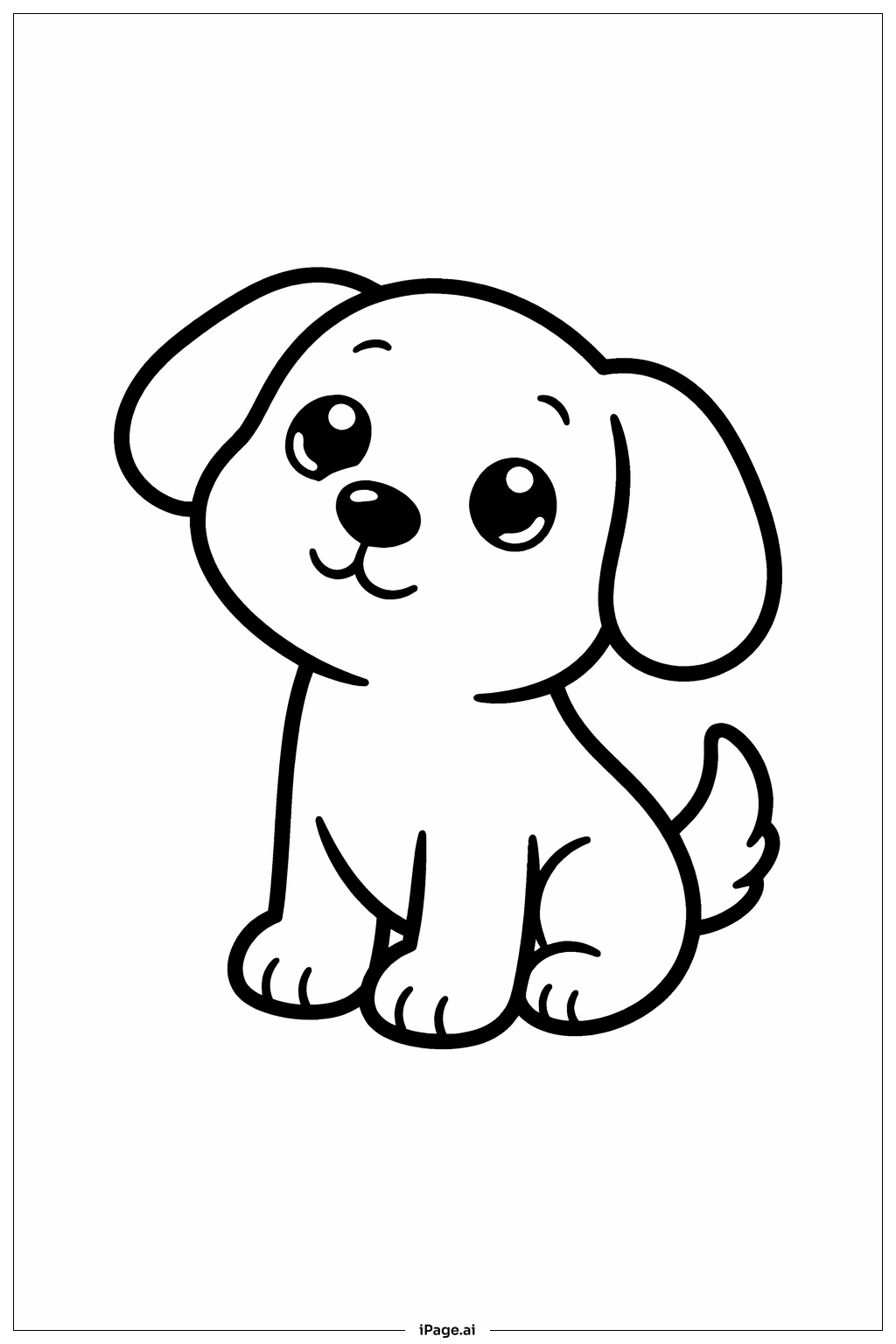
Coloring tips: How to color Puppy Looking Up coloring page well?
Try using warm colors like light browns, creamy whites, or soft blacks to color the puppy’s fur and create a natural look. For the eyes, shades of dark brown or black will give them depth and sparkle. You can choose bright colors for the background, like a sunny yellow or sky blue, to make the puppy stand out. Adding a touch of pink to the nose and inside the ears can make the puppy appear lively. Feel free to use crayons, colored pencils, or markers to explore different textures, such as fluffy or smooth fur effects. Remember to color gently around the puppy’s small features to keep it neat.
Coloring challenges: Which parts are difficult to color and need attention for Puppy Looking Up coloring page?
• Fur Texture: Capturing the softness and fluffiness of the puppy’s fur can be tricky since it requires gentle shading and layered colors to look natural.
• Small Features: The eyes, nose, and ears are small and detailed, demanding careful coloring to avoid going outside the lines.
• Expression Accuracy: Maintaining the puppy’s sweet, curious expression while coloring requires attention to subtle contrasts in the eyes and mouth area.
• Color Blending: Blending different shades for the fur and shadow areas may be challenging for younger children but helps add realism.
• Background Balance: Choosing colors that highlight the puppy without overwhelming it takes thoughtful color mixing and placement.
Benefits of coloring books: Advantages of drawing Puppy Looking Up coloring page
Coloring this image helps develop fine motor skills through careful coloring of small details like eyes and ears. It encourages creativity by allowing children to experiment with different color combinations for the puppy and background. Focusing on shading and blending teaches them about light and shadow, improving artistic understanding. The adorable subject invites emotional connection, which can boost mood and motivation. Overall, coloring this puppy offers a relaxing activity that promotes patience, attention to detail, and imaginative play for children aged 4 to 16.