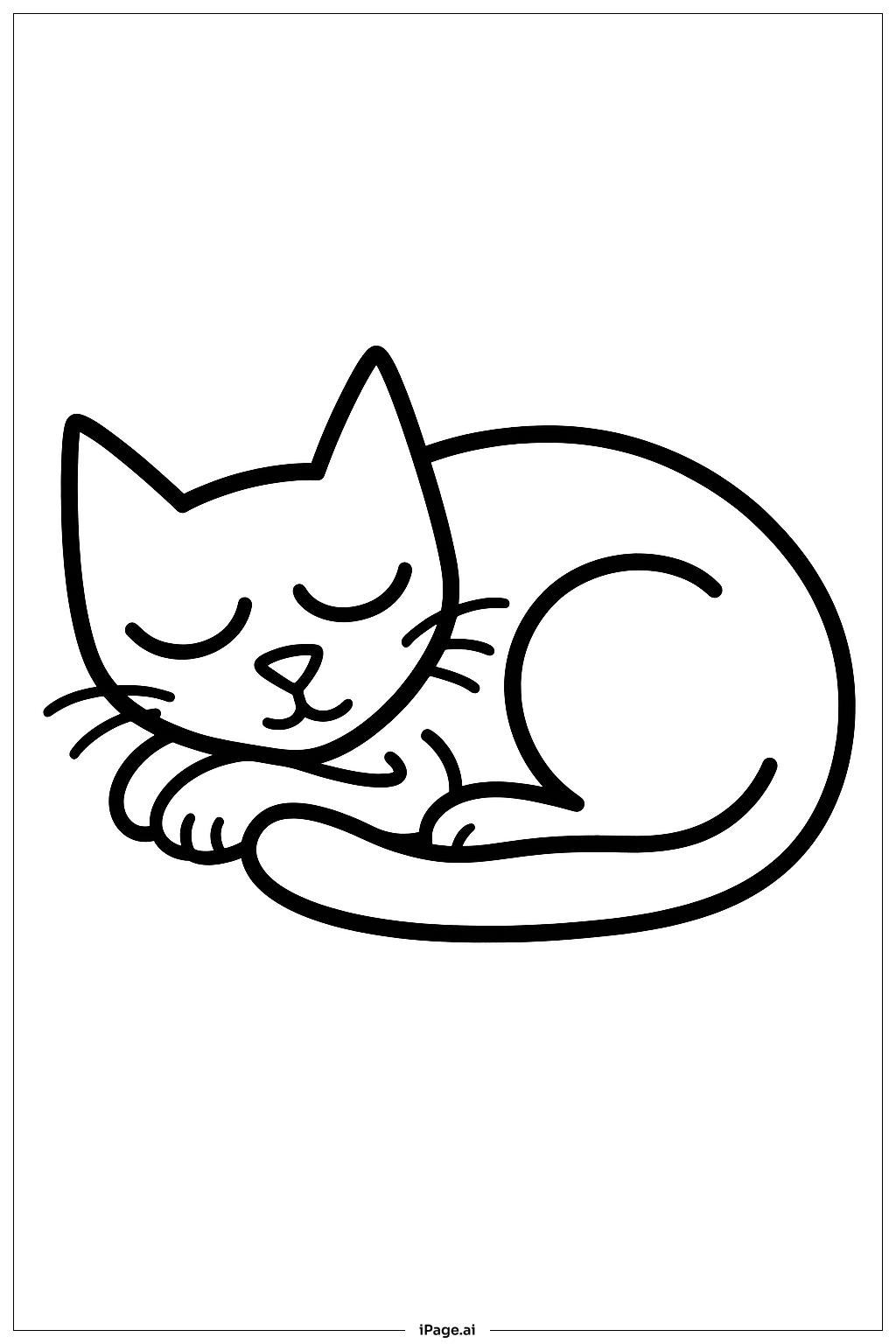
Coloring tips: How to color Pete The Cat Sleeping coloring page well?
For Pete the Cat, try using his classic blue color for his body, or experiment with different shades of blue from light sky blue to deep navy. His nose can be colored pink or red, and add white highlights to his whiskers. For the pillow or cushion, soft pastel colors like lavender, mint green, or pale yellow work beautifully to create a cozy sleeping atmosphere. The background stars and moon can be colored in bright yellow or gold with a touch of white to make them sparkle. Consider using purple or dark blue for the background to create a nighttime sky effect. You can add gentle shading with colored pencils around Pete's body to give him a three-dimensional, fluffy appearance. For a dreamy effect, blend soft pinks and purples together in the sky. Don't forget to add small details like rosy cheeks to show how peacefully Pete is sleeping.
Coloring challenges: Which parts are difficult to color and need attention for Pete The Cat Sleeping coloring page?
• Fur Texture and Direction: Creating realistic fur texture on Pete's body requires careful attention to the direction of pencil strokes. Young colorists may find it challenging to maintain consistent coloring patterns that follow the natural flow of cat fur, especially around curved areas like the back, tail, and head. Applying even pressure while coloring larger areas of Pete's body without leaving white gaps or creating dark patches takes practice and patience.
• Facial Feature Details: Pete's peaceful sleeping face contains small, delicate details such as closed eyelashes, whiskers, and the subtle curves of his mouth that need precise coloring. Children may struggle to stay within the lines of these tiny features, and choosing appropriate colors to make the facial features stand out without overwhelming the gentle sleeping expression requires thoughtful color selection.
• Background Elements and Depth: The floating stars, moon, and pillow elements require understanding of spatial relationships and creating depth. Deciding which colors to use for foreground versus background elements, and how to make certain objects appear closer or farther away through color intensity, can be challenging for younger artists. Blending colors smoothly in the sky background while keeping it distinct from Pete's figure demands coordination.
• Tail and Paw Positioning: Pete's curled tail and tucked paws involve overlapping lines and curved shapes that can confuse colorists about where one body part ends and another begins. Maintaining color consistency across these interconnected parts while respecting the boundary lines requires careful observation and steady hand control.
Benefits of coloring books: Advantages of drawing Pete The Cat Sleeping coloring page
Coloring this peaceful image of Pete The Cat Sleeping offers wonderful developmental benefits for children. It promotes relaxation and calmness as kids engage with the serene sleeping theme, helping them understand the importance of rest and quiet time. The gentle, curved lines of Pete's sleeping form help develop fine motor skills and hand-eye coordination as children carefully color within the boundaries. This activity encourages color recognition and decision-making as kids choose soothing nighttime colors for the background and warm, cozy colors for Pete and his sleeping area. The simple yet engaging design builds confidence in young artists, allowing them to complete a satisfying picture without feeling overwhelmed. Coloring this bedtime scene can also become part of a calming routine, helping children wind down before their own sleep time. Additionally, it sparks conversations about healthy sleep habits, caring for pets, and the comfort of rest, making it both an artistic and educational experience.