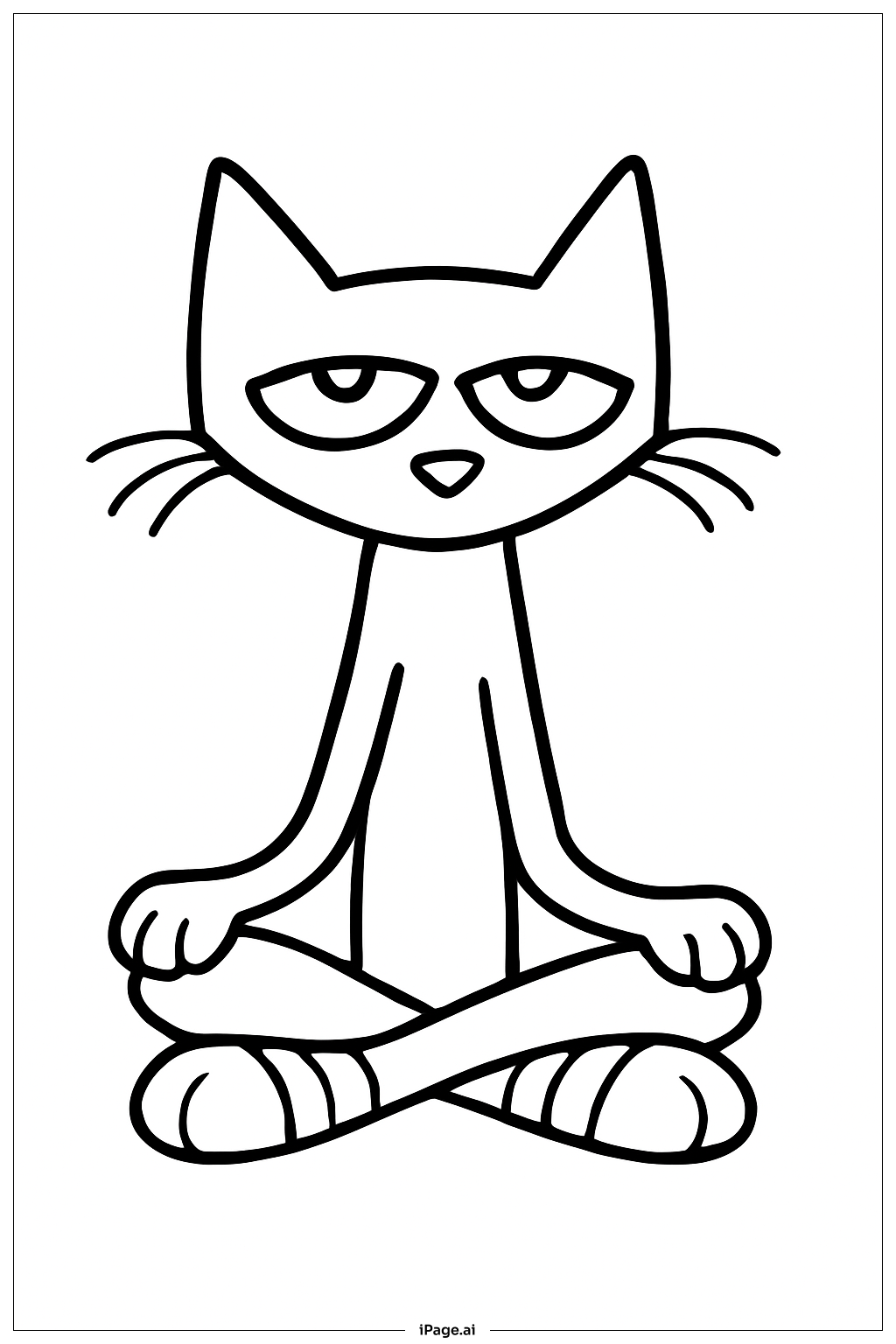
Coloring tips: How to color Pete The Cat Sitting coloring page well?
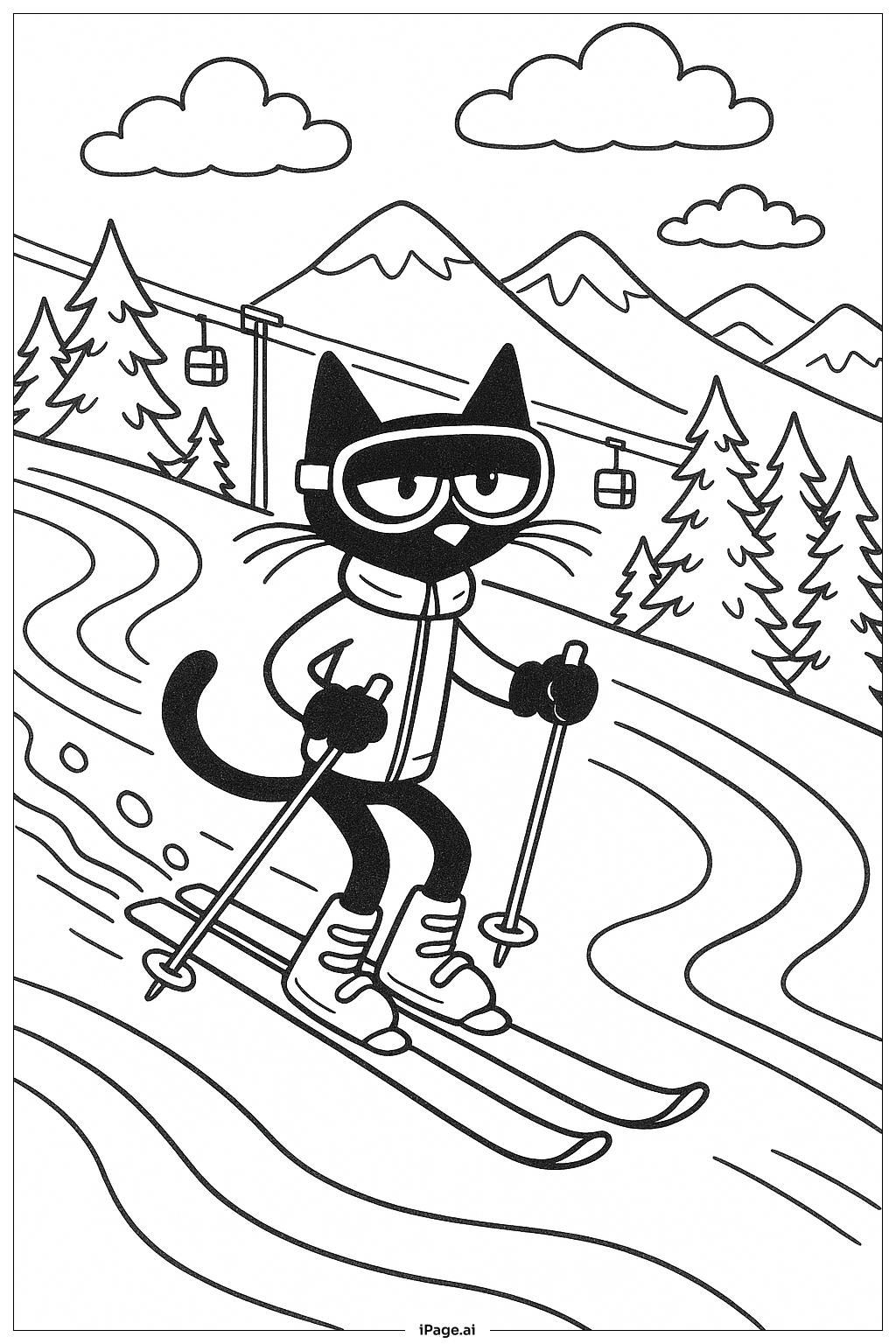
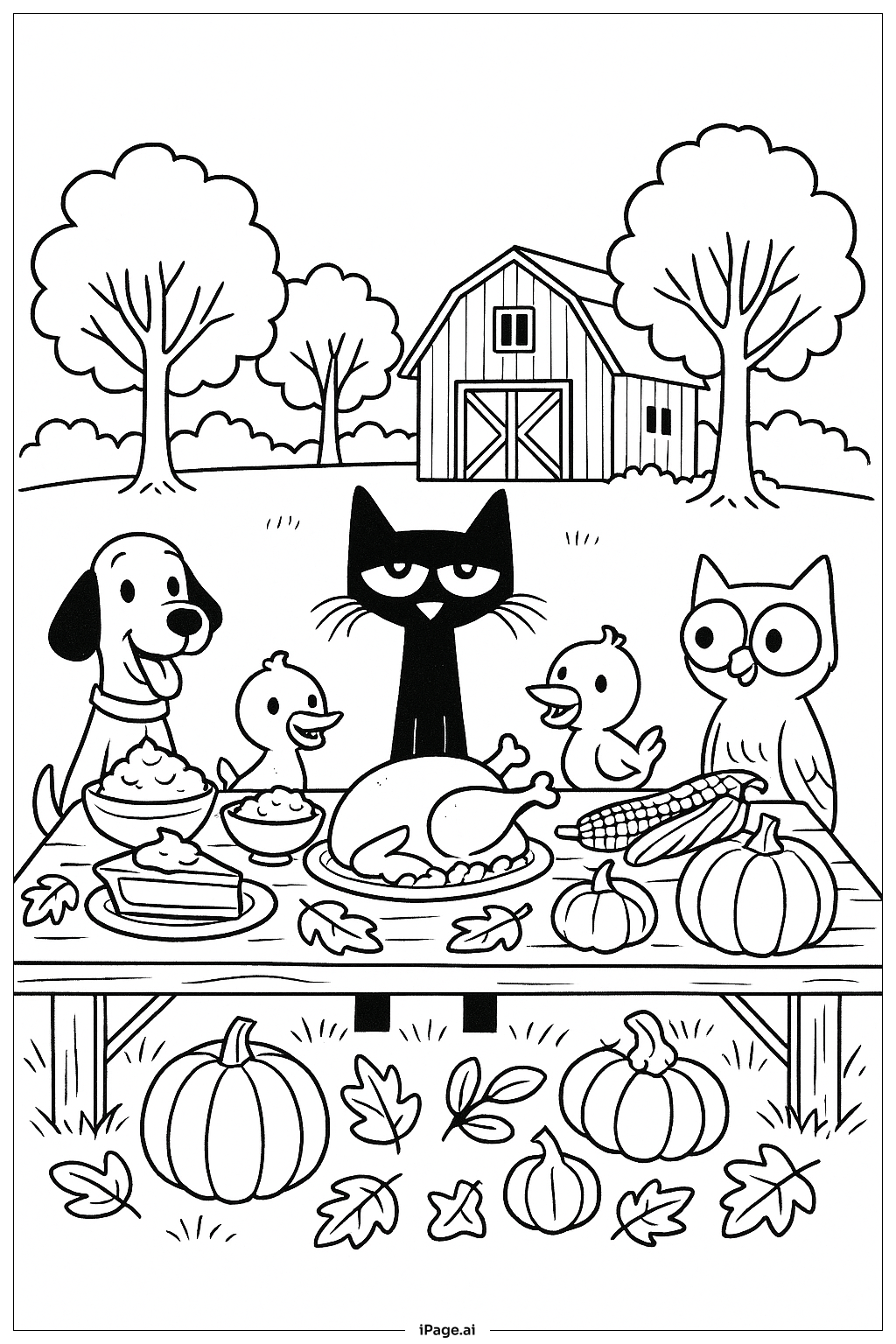
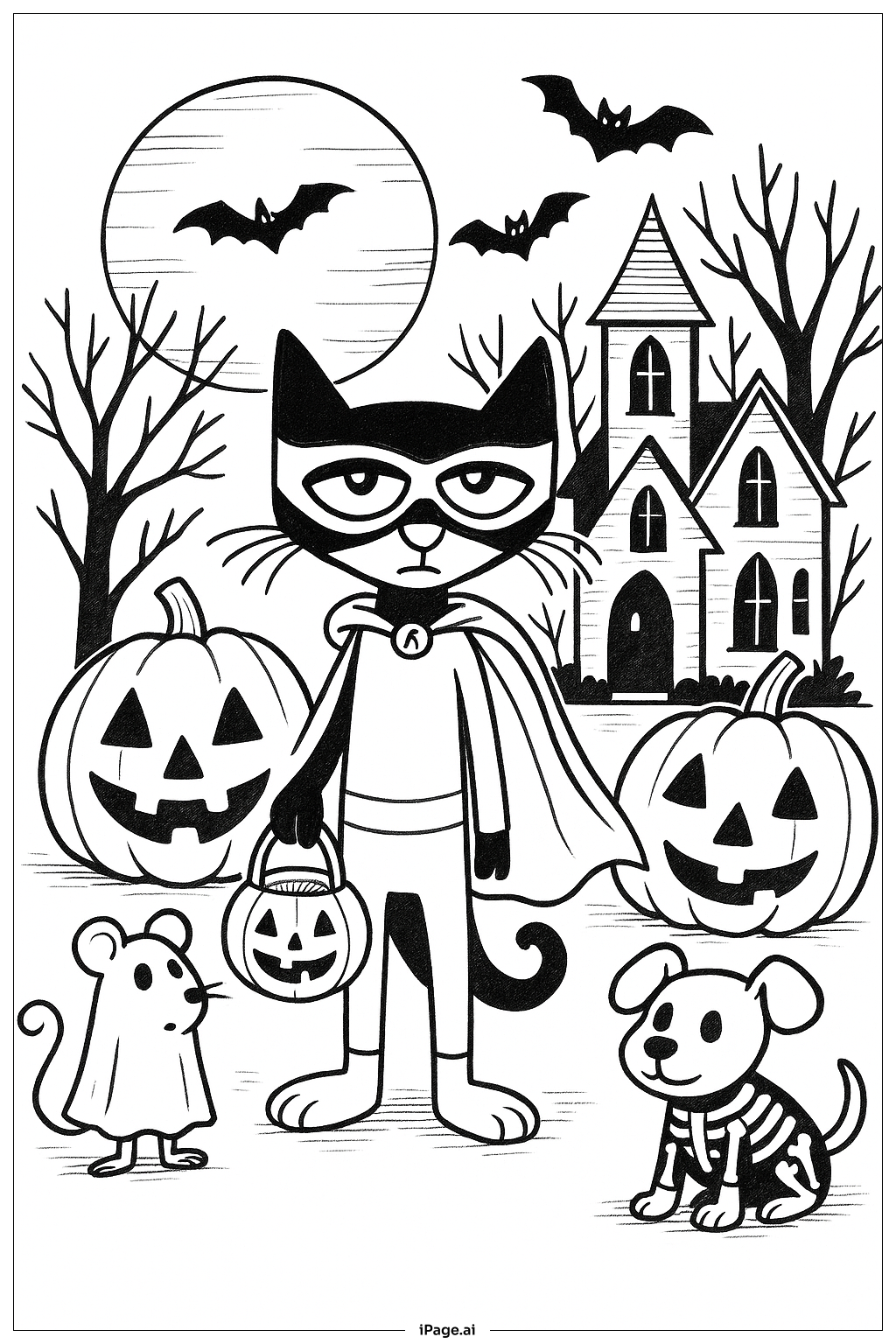
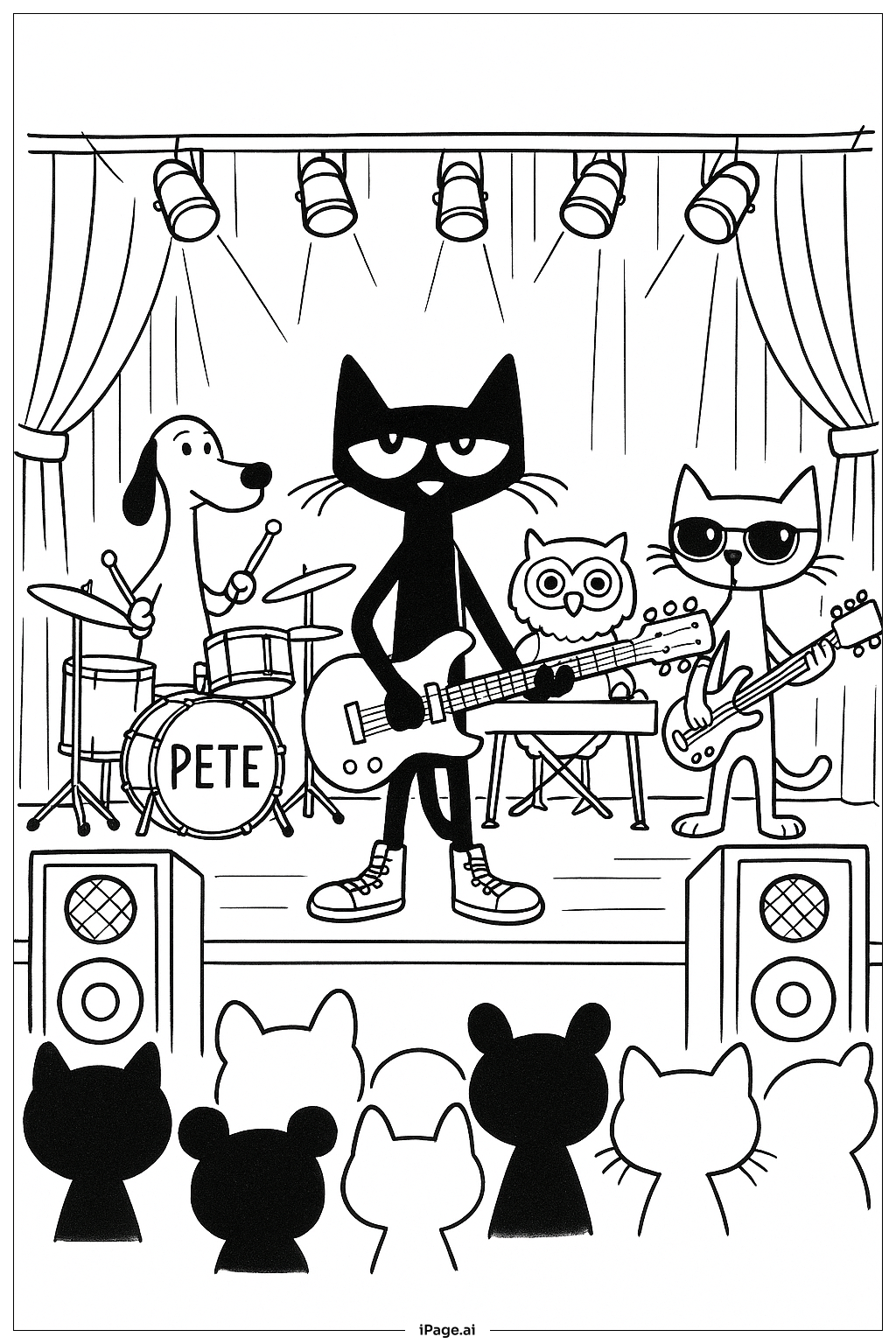
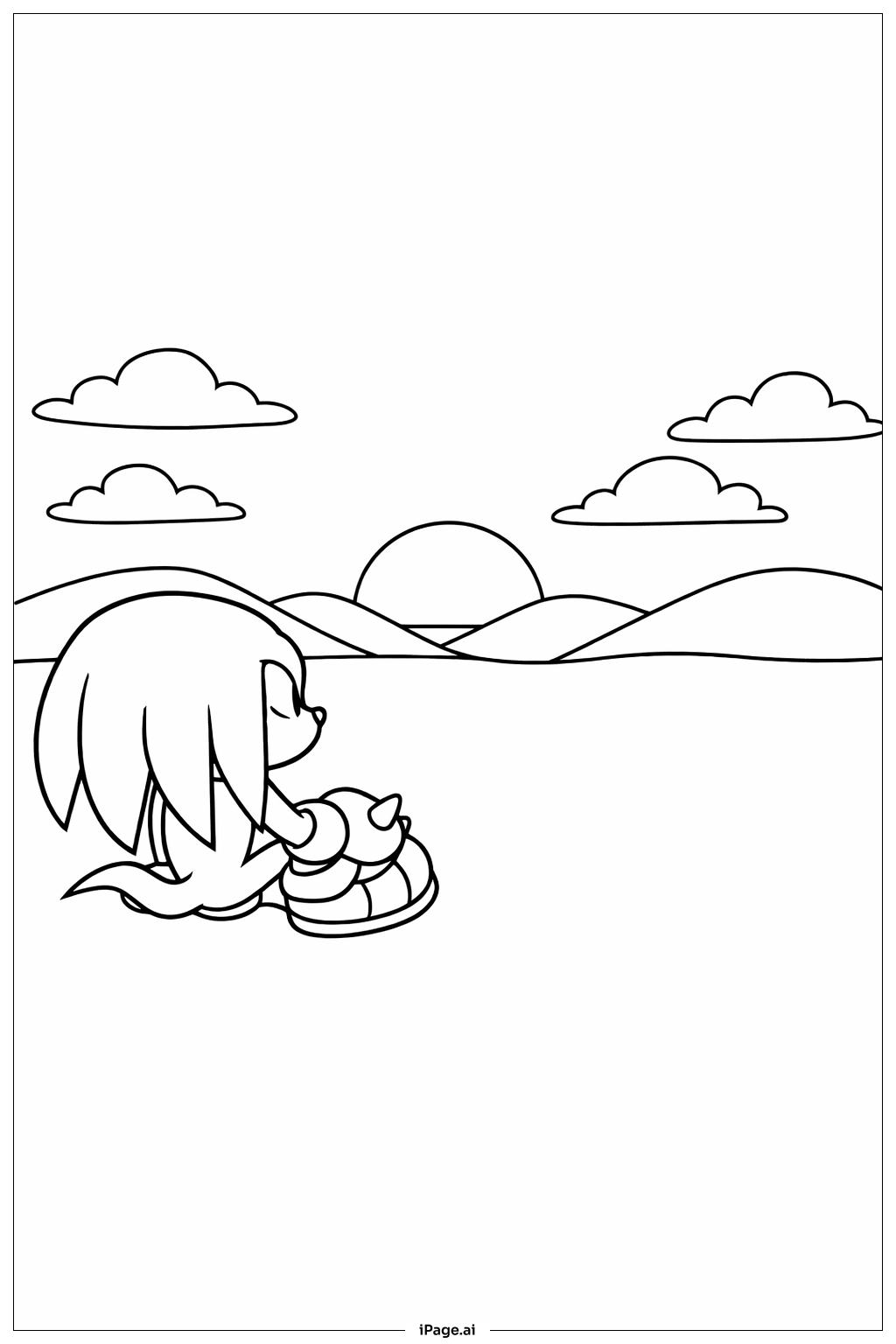
For coloring Pete the Cat, start with his classic blue for his fur. Use a lighter blue or white for his eyes to make them stand out. His nose can be a soft pink or black. Add shading with darker blues to give depth to his body and legs. You can use a light gray to add shadow under his arms and crossed legs to create a 3D effect. Background colors like light green or yellow will contrast nicely with Pete’s blue. Feel free to add fun patterns or colors to his paws or whiskers if you want to make your Pete unique and colorful!
Coloring challenges: Which parts are difficult to color and need attention for Pete The Cat Sitting coloring page?
1. Keeping the color inside the small spaces around Pete’s whiskers and nose can be tricky.
2. Making sure the legs look natural and crossed may need careful coloring to avoid overlapping colors.
3. Shading the long, thin arms evenly without making them look too dark or patchy is challenging.
4. Avoiding color bleeding outside the thin lines of Pete’s ears and face requires focus.
5. Balancing the use of bright and soft colors to keep Pete looking calm but lively might be hard for beginners.
Benefits of coloring books: Advantages of drawing Pete The Cat Sitting coloring page
Coloring this Pete the Cat image helps improve concentration and motor skills. It encourages creativity as kids can choose colors and try shading techniques. It’s a relaxing activity that promotes mindfulness and calm, reflecting Pete’s peaceful sitting pose. Coloring also helps children gain patience and attention to detail. By working on this picture, kids practice controlling their hand movements, which benefits writing and other fine motor tasks.