Coloring tips: How to color Paw Patrol Puppy Training Course coloring page well?
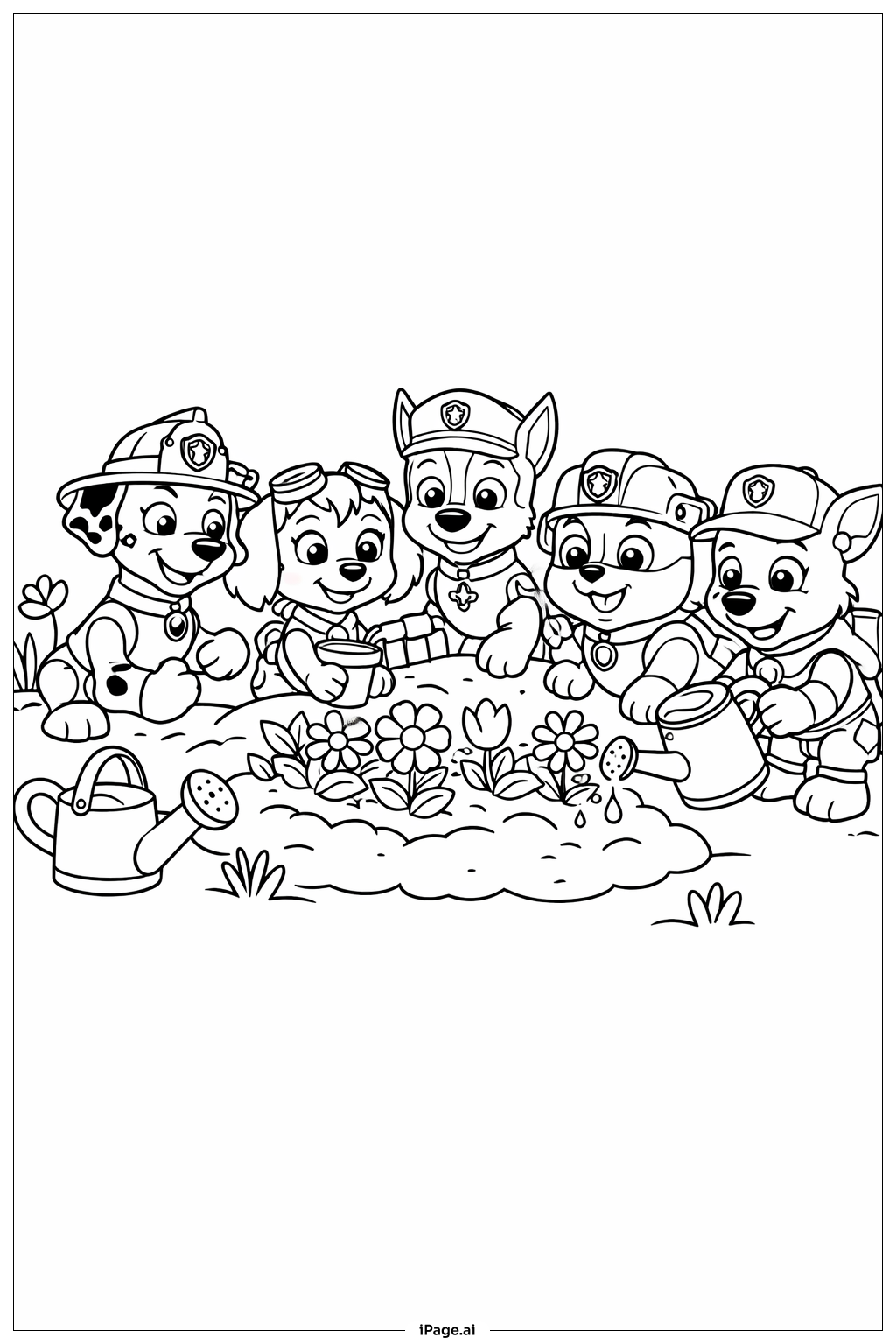
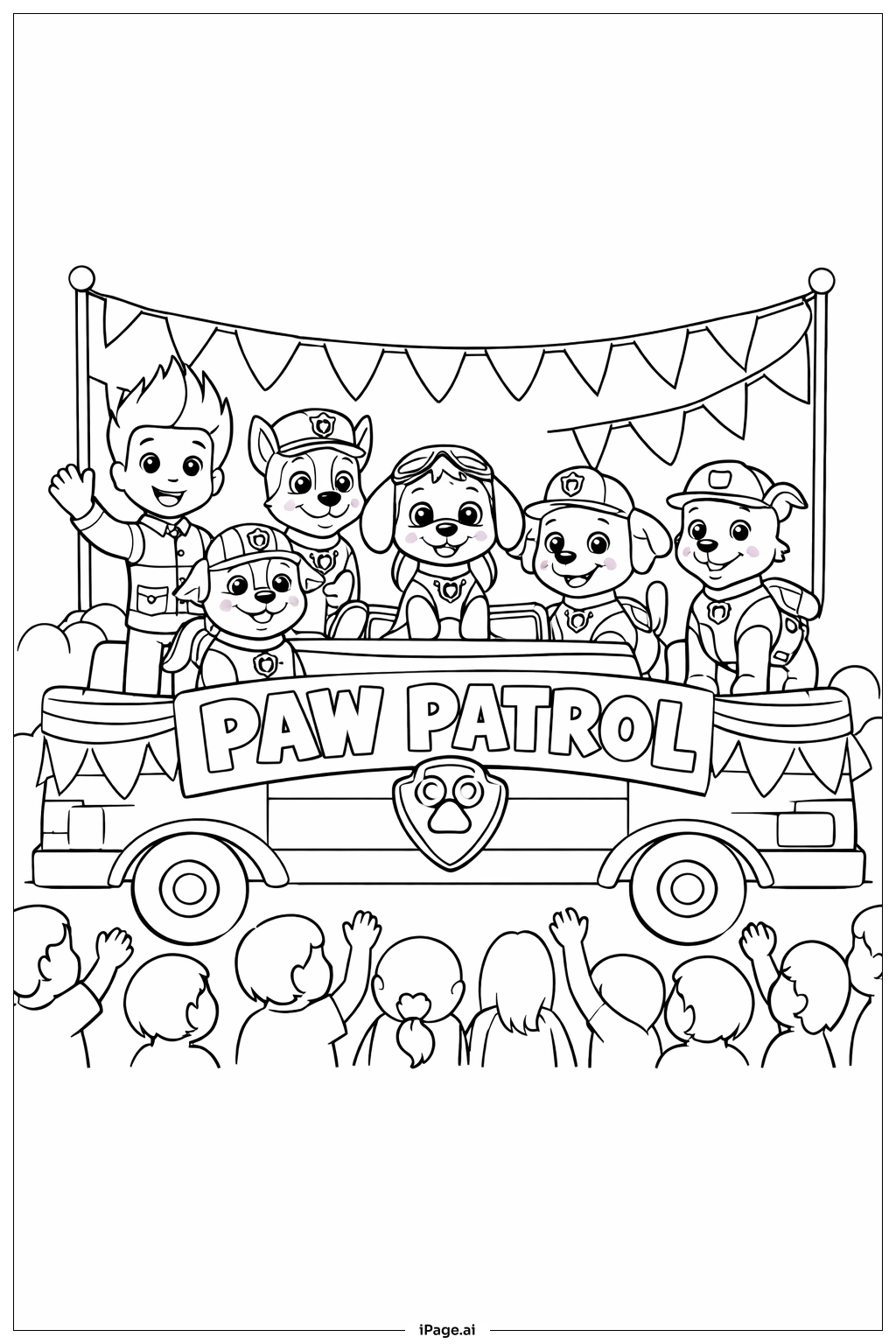
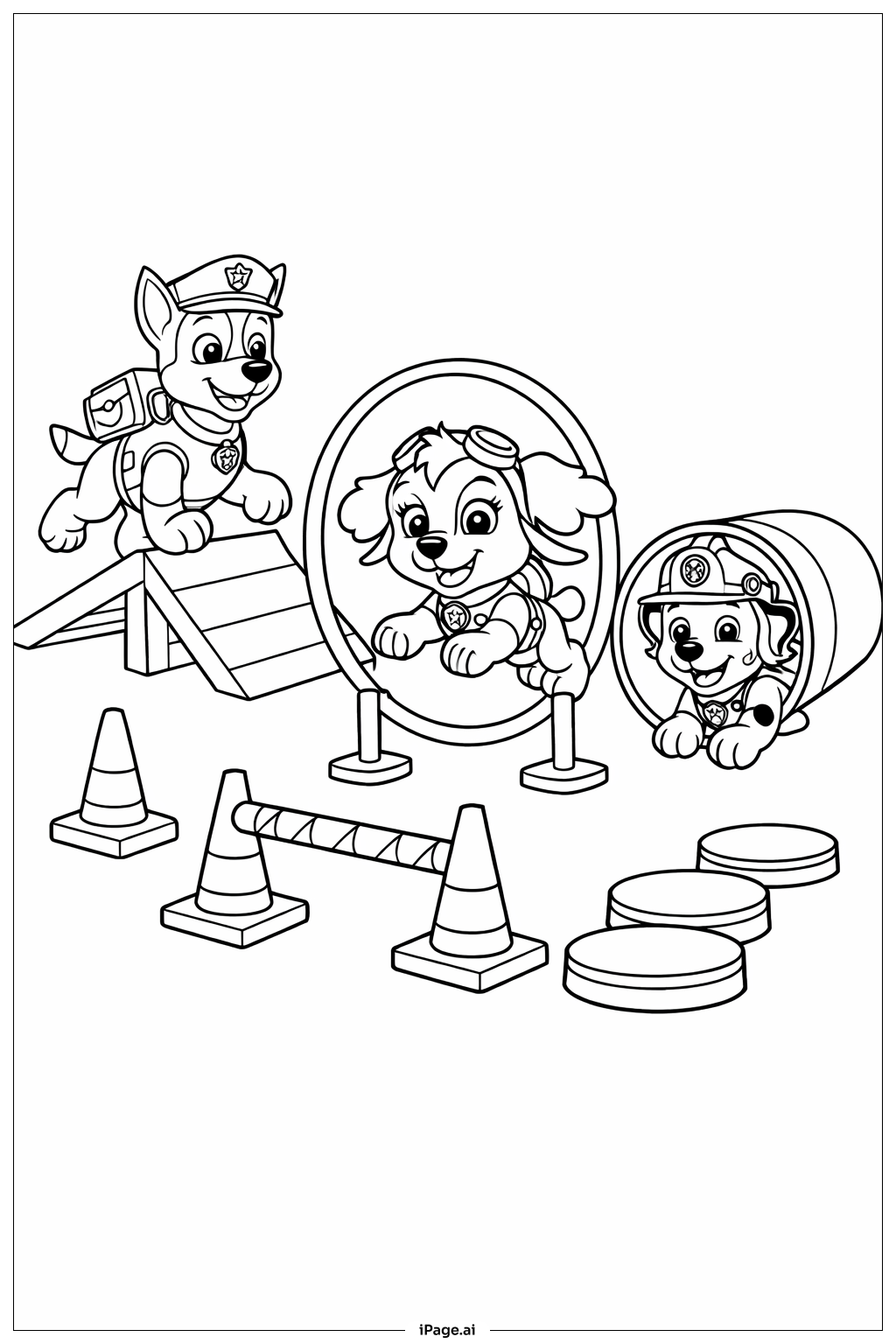
Start with the pups themselves using their signature colors: Chase in blue, Marshall in red, Skye in pink, and Rubble in yellow. For the training equipment, try bright primary colors like orange for cones, green for hurdles, and purple for tunnels. The ramps can be colored in brown or gray to look like wood or metal. Use light blue for the sky and fluffy white clouds with gray shadows. The grass can be various shades of green to add depth. Consider using darker outlines around each pup to make them stand out from the background. Add yellow and white highlights on the badges to make them shine. You can also use different shades of the same color to create texture on the obstacles.
Coloring challenges: Which parts are difficult to color and need attention for Paw Patrol Puppy Training Course coloring page?
• Character Details: Each Paw Patrol pup has distinct features including uniforms, badges, collars, and facial expressions that require careful color selection to maintain character recognition. The small details like Chase's police hat or Marshall's firefighter gear need steady hands and attention to stay within the lines.
• Overlapping Elements: The training course includes many overlapping obstacles where tunnels pass under ramps, hurdles stand in front of backgrounds, and pups interact with equipment. Deciding which colors to use where objects overlap requires planning to ensure each element remains visible and distinct from surrounding parts.
• Background Depth: Creating a sense of distance between foreground pups, mid-ground obstacles, and background scenery challenges young colorists to use lighter or darker shades appropriately. The sky, clouds, trees, and distant Adventure Bay buildings need balanced coloring to avoid overwhelming the main action.
• Small Detailed Areas: Training equipment features small components like cone stripes, beam supports, tunnel entrances, and grass blades that require precision coloring. These tiny spaces can be tricky for younger children and may need thin coloring tools or patient work with regular crayons.
• Color Coordination: Balancing the bright signature colors of multiple pups with equally vibrant training equipment while keeping the scene visually harmonious requires thoughtful color choices to prevent the page from looking too busy or chaotic.
Benefits of coloring books: Advantages of drawing Paw Patrol Puppy Training Course coloring page
Coloring this Paw Patrol training course page helps children develop fine motor skills as they carefully color within the detailed lines of characters and equipment. It encourages focus and concentration while working on the various elements of the busy scene. Kids practice color recognition by matching the pups to their official colors, strengthening memory and attention to detail. The complex composition with multiple characters and obstacles builds patience and planning skills as children decide their coloring strategy. This activity promotes creativity when choosing colors for the training equipment and background elements. It also provides a calming, screen-free activity that can reduce stress and anxiety while celebrating their favorite rescue team.