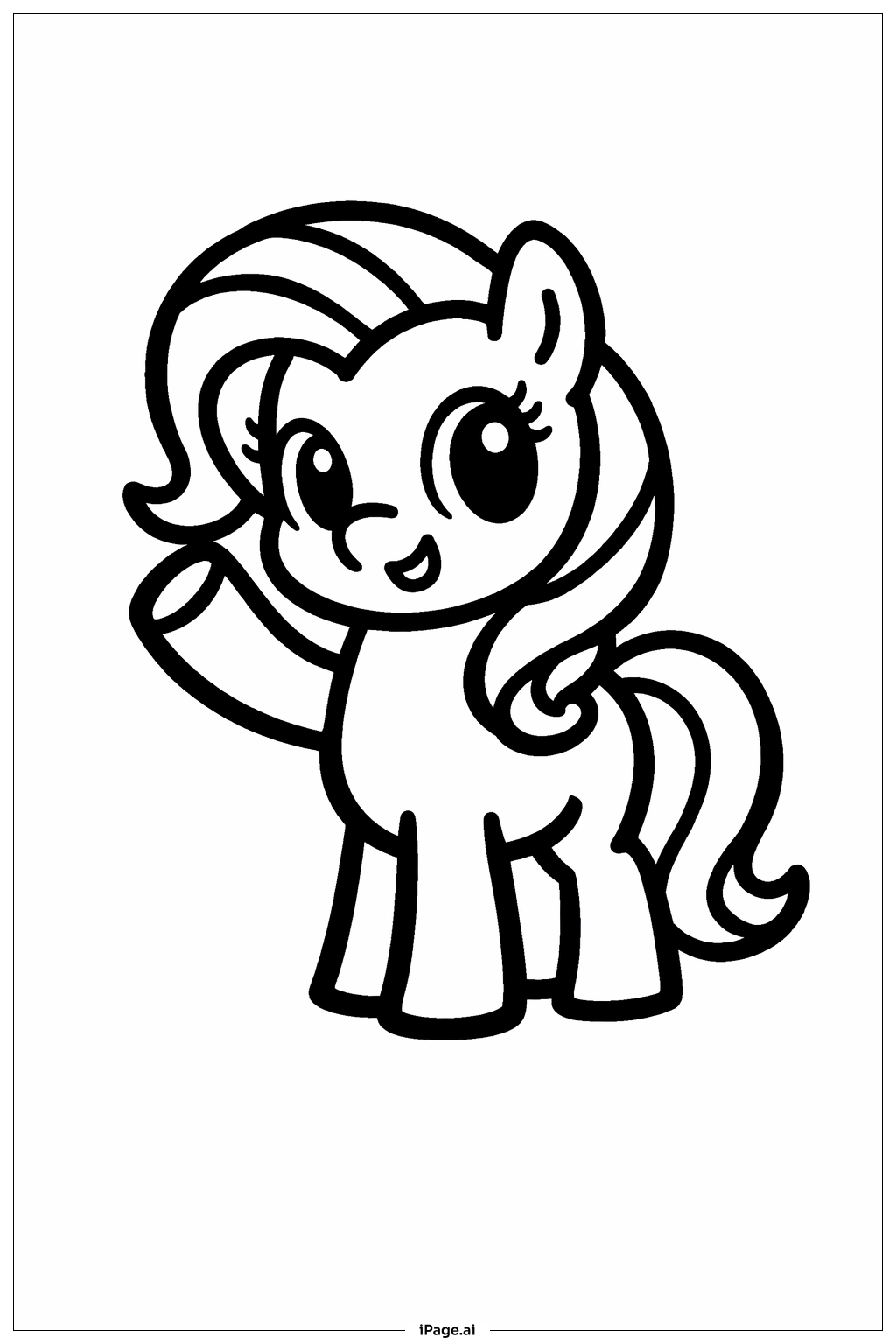
Coloring tips: How to color My Little Pony Waving coloring page well?
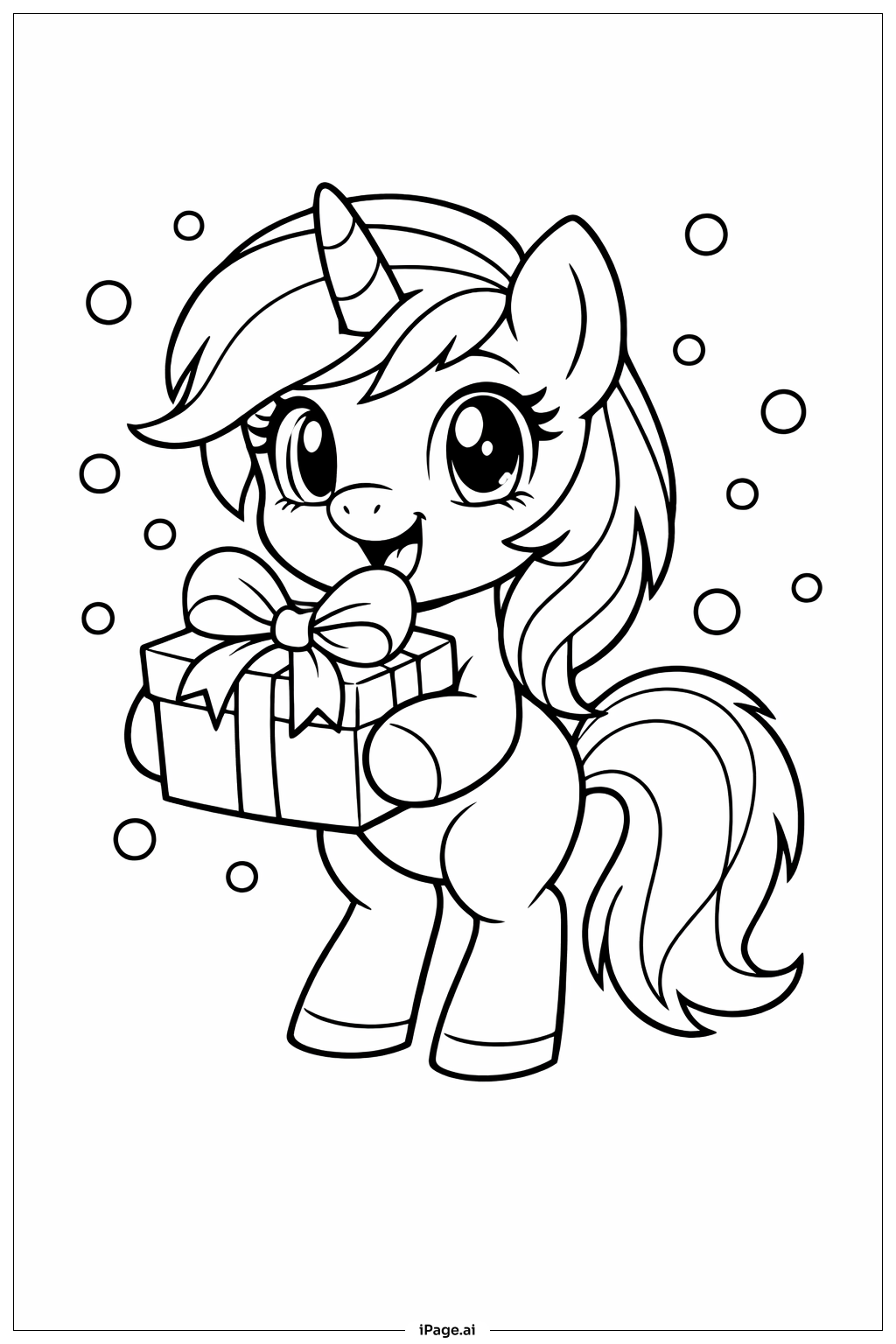
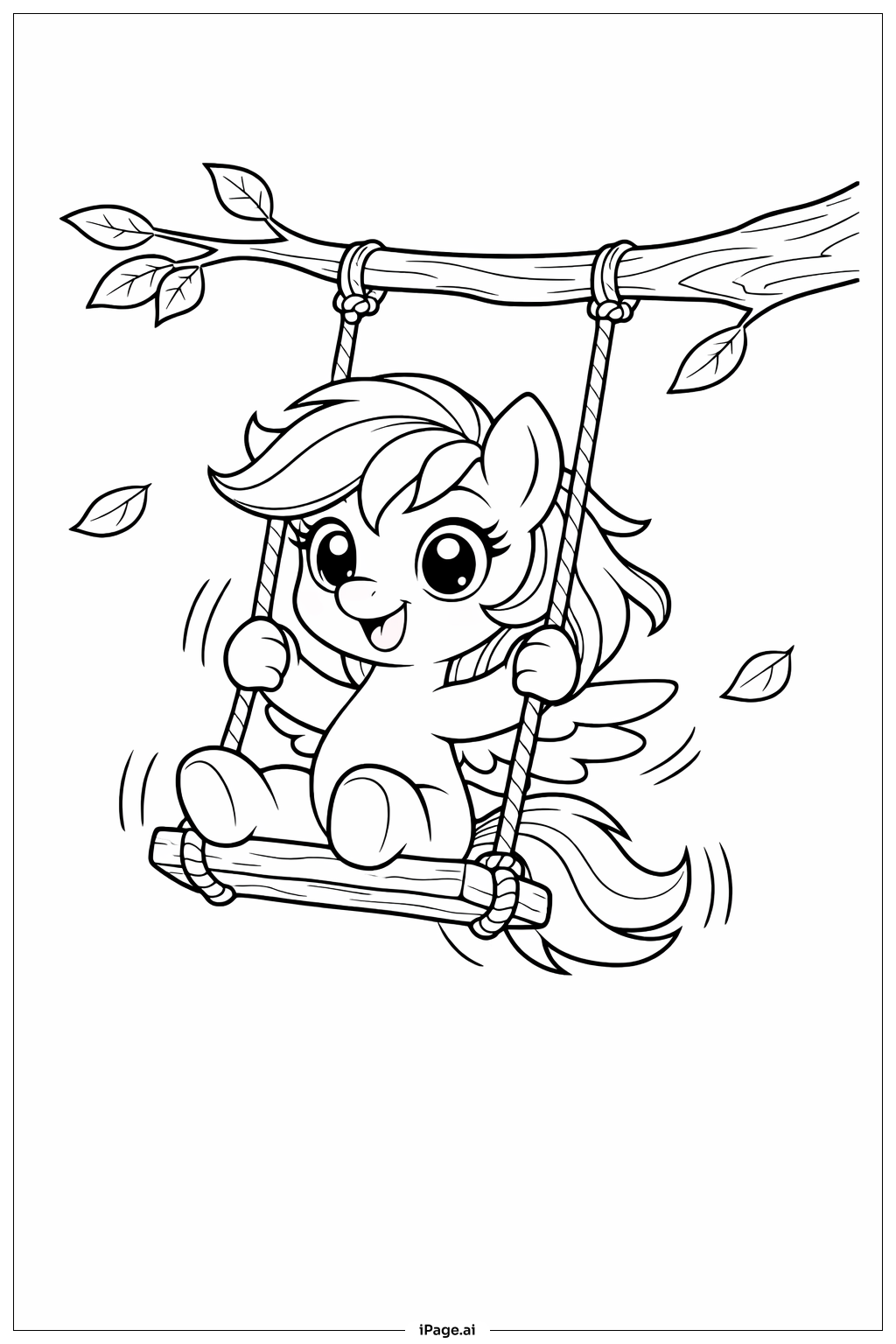
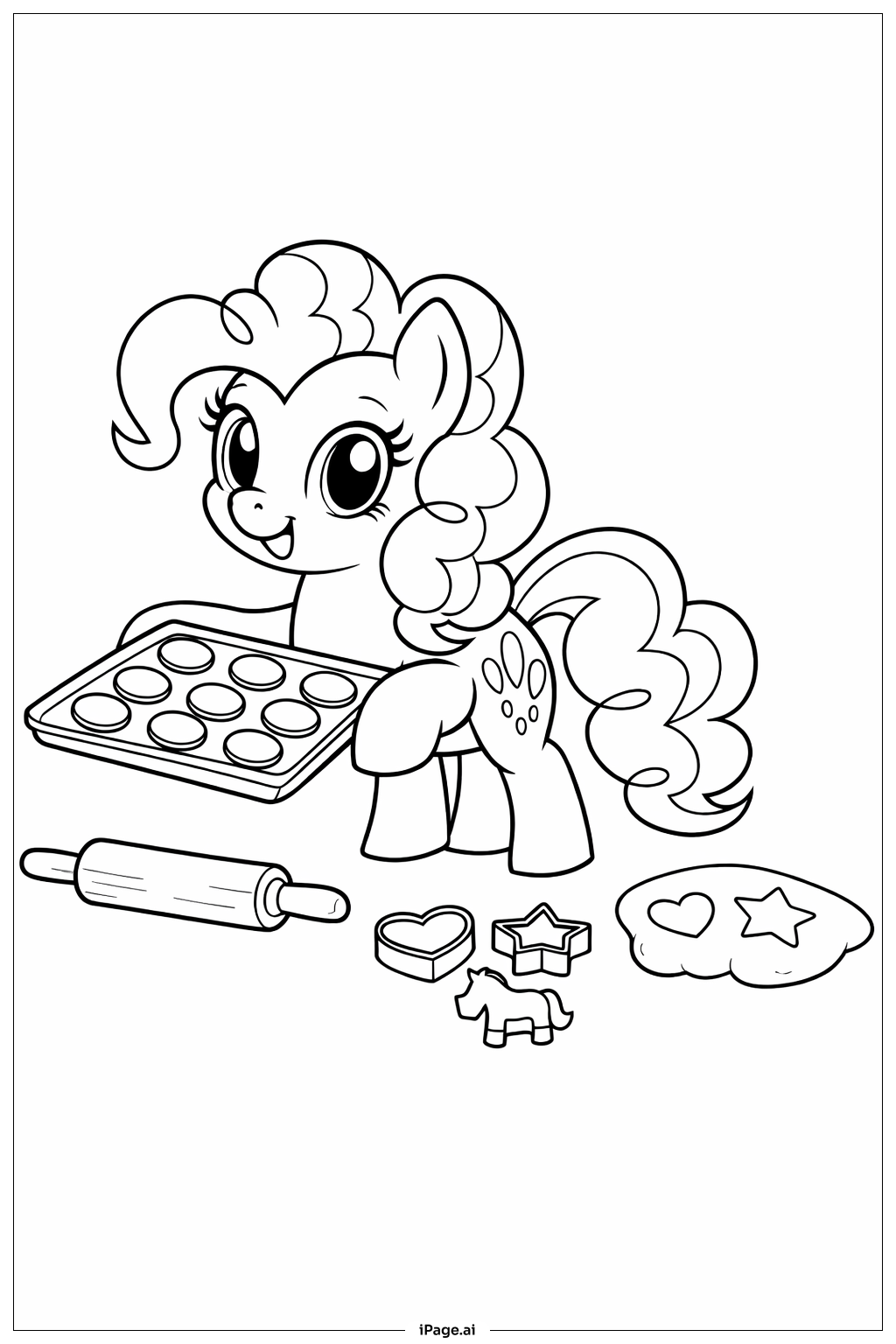
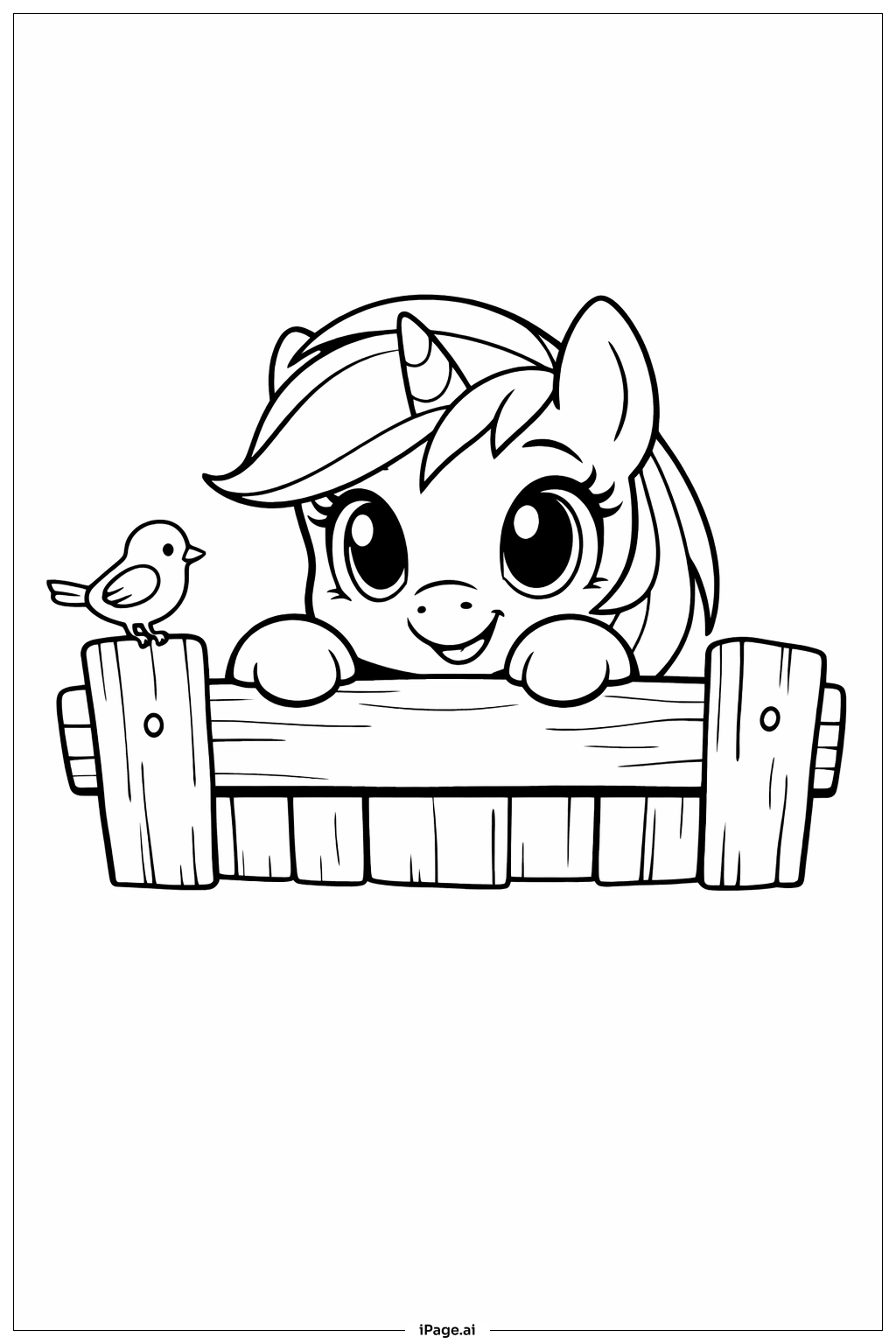
Start with the pony's body using soft pastel shades like pink, purple, lavender, or mint green. For the mane and tail, try creating a rainbow effect or use complementary colors like deep purple with light pink streaks. The eyes can be colored with bright blues, greens, or purples, leaving white highlights for a sparkling effect. Use a darker shade to outline the pupils and add depth. The cutie mark deserves special attention with vibrant colors that match or contrast with the body color. Consider using colored pencils for smooth blending on the mane waves, or markers for bold, vibrant results. Add light shading under the chin, along the belly, and where the legs meet the body to create dimension. You can also add a simple background with hearts, stars, or clouds to complete the scene.
Coloring challenges: Which parts are difficult to color and need attention for My Little Pony Waving coloring page?
• Mane and Tail Waves: The flowing, wavy lines of the mane and tail require careful attention to maintain smooth color transitions. Children may find it challenging to color within these curved sections without crossing lines, especially where individual strands overlap. Creating a gradient or multi-color effect demands patience and a steady hand. Blending colors smoothly in these areas can be tricky for younger colorists.
• Eye Details: The large, expressive eyes contain multiple elements including the iris, pupil, and highlight spots that need different colors and careful precision. Staying within the small boundaries of each eye component requires fine motor control. Getting the highlights just right to make the eyes sparkle can be challenging, and coloring too heavily might lose these important details.
• Maintaining Consistent Body Color: Keeping the body color even and consistent across the entire pony, especially around curves and where legs connect to the body, can be difficult. Children may press too hard in some areas, creating darker patches, or leave gaps in coverage. The rounded contours require smooth, even strokes.
• Cutie Mark Precision: The cutie mark symbol on the pony's flank is usually small and detailed, requiring careful coloring within tight spaces. Depending on the design complexity, it may involve multiple colors or intricate shapes that challenge fine motor skills.
• Creating Depth and Dimension: Adding shading to make the pony look three-dimensional rather than flat requires understanding where shadows naturally fall. This advanced technique can be difficult for beginners who are still learning about light sources and shadow placement.
Benefits of coloring books: Advantages of drawing My Little Pony Waving coloring page
Coloring this My Little Pony Waving page offers wonderful developmental benefits for children. It strengthens fine motor skills and hand-eye coordination through precise movements needed for staying within lines and filling detailed areas like the mane and eyes. The activity promotes focus and concentration as children work on completing each section carefully. It encourages color recognition and experimentation, allowing kids to explore different color combinations for the mane, body, and accessories. This creative process boosts imagination and self-expression, as each child can personalize their pony with unique colors. Completing the coloring page builds confidence and provides a sense of accomplishment. The calming, repetitive motion of coloring also helps reduce stress and anxiety, making it a therapeutic activity. Additionally, the friendly, waving character promotes positive emotions and can spark storytelling and imaginative play after coloring is complete.