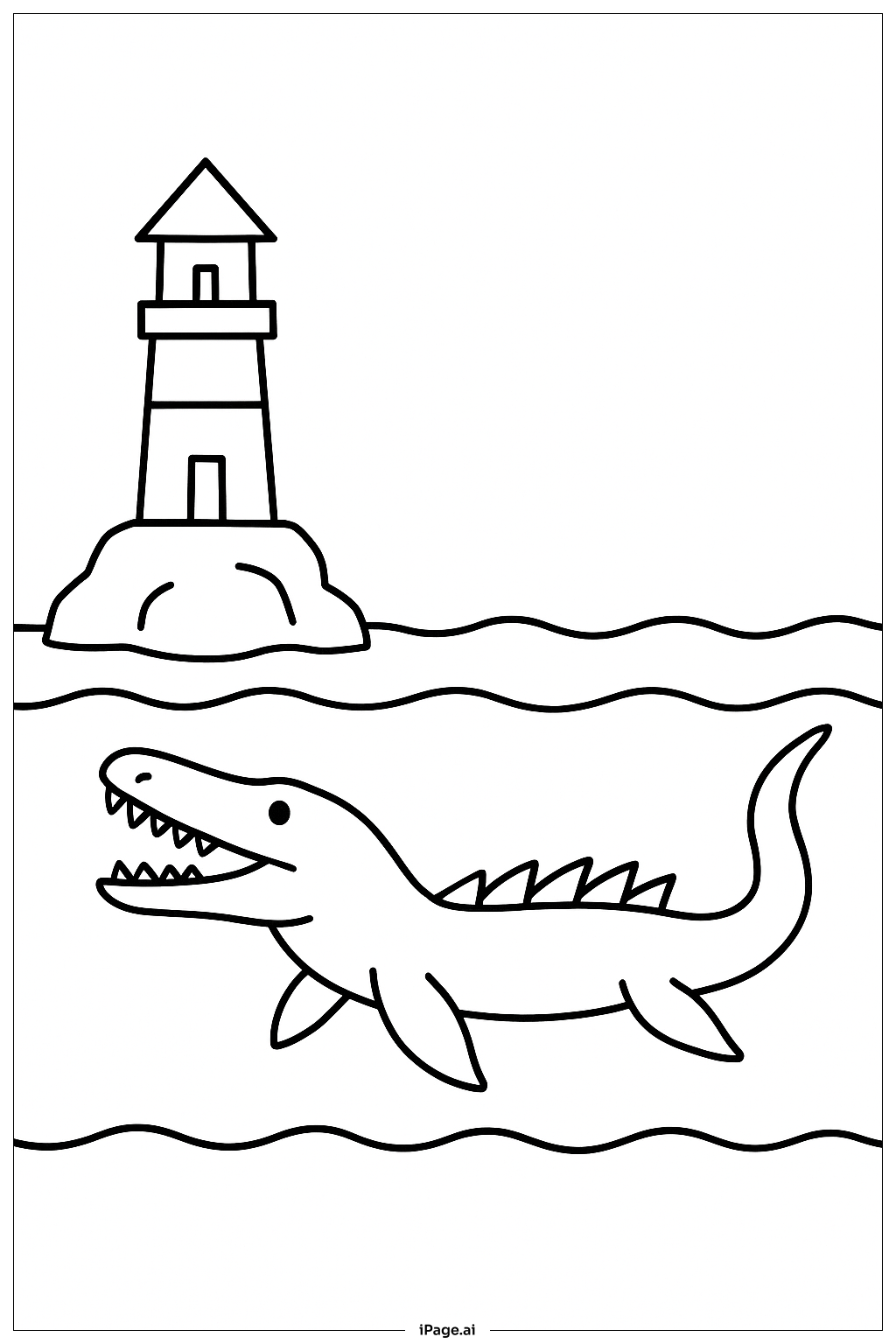
Coloring tips: How to color Mosasaurus With Lighthouse coloring page well?
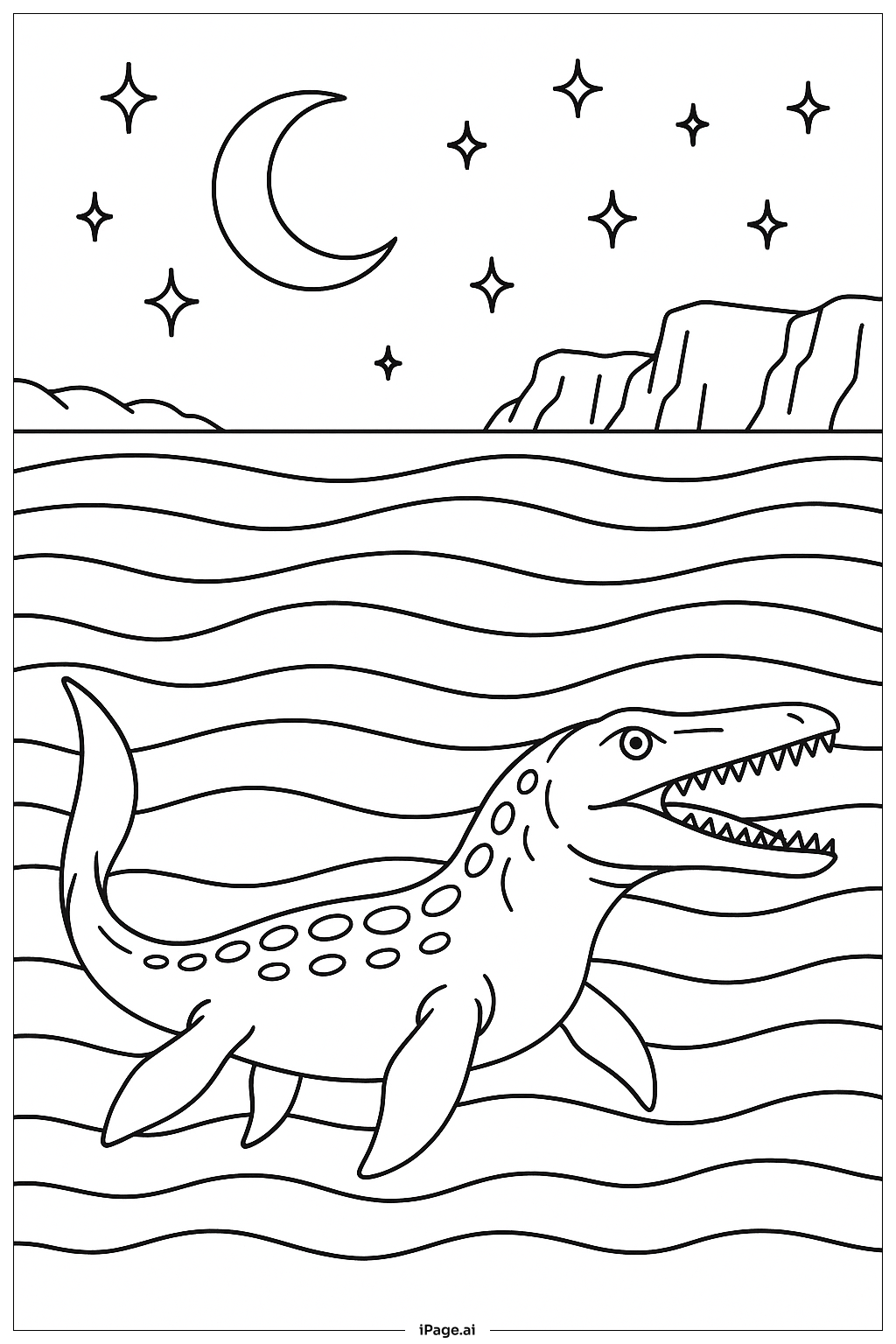
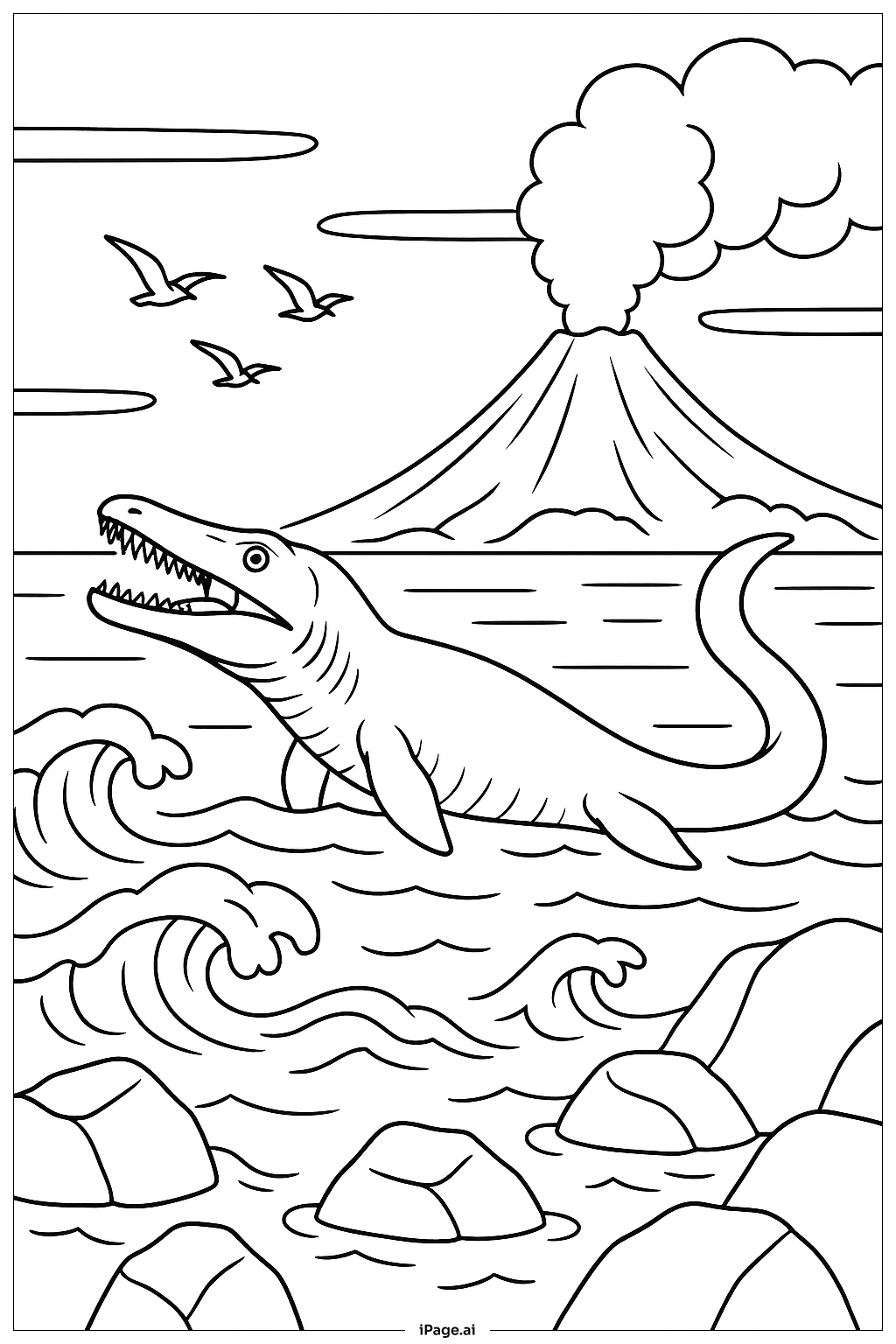
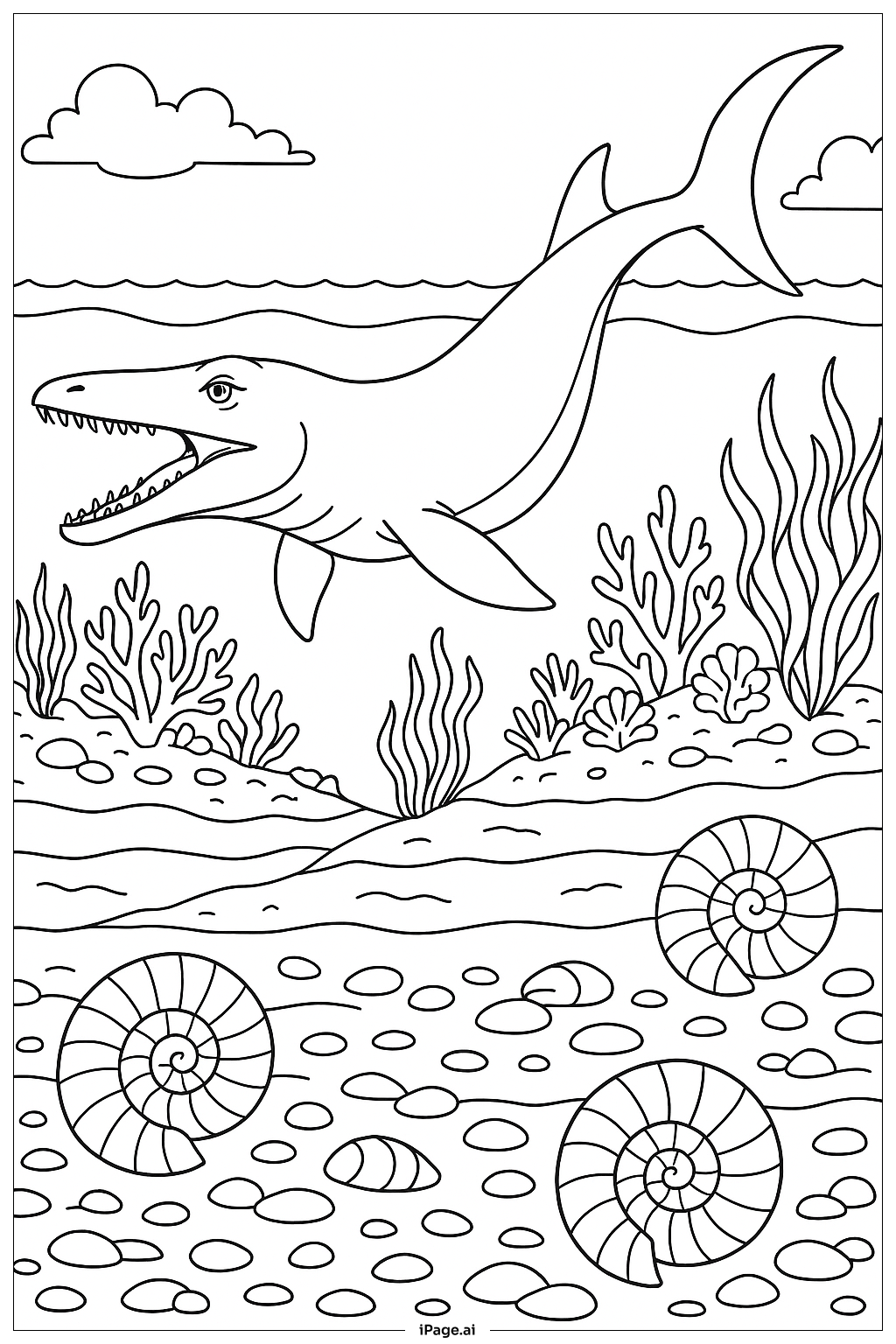
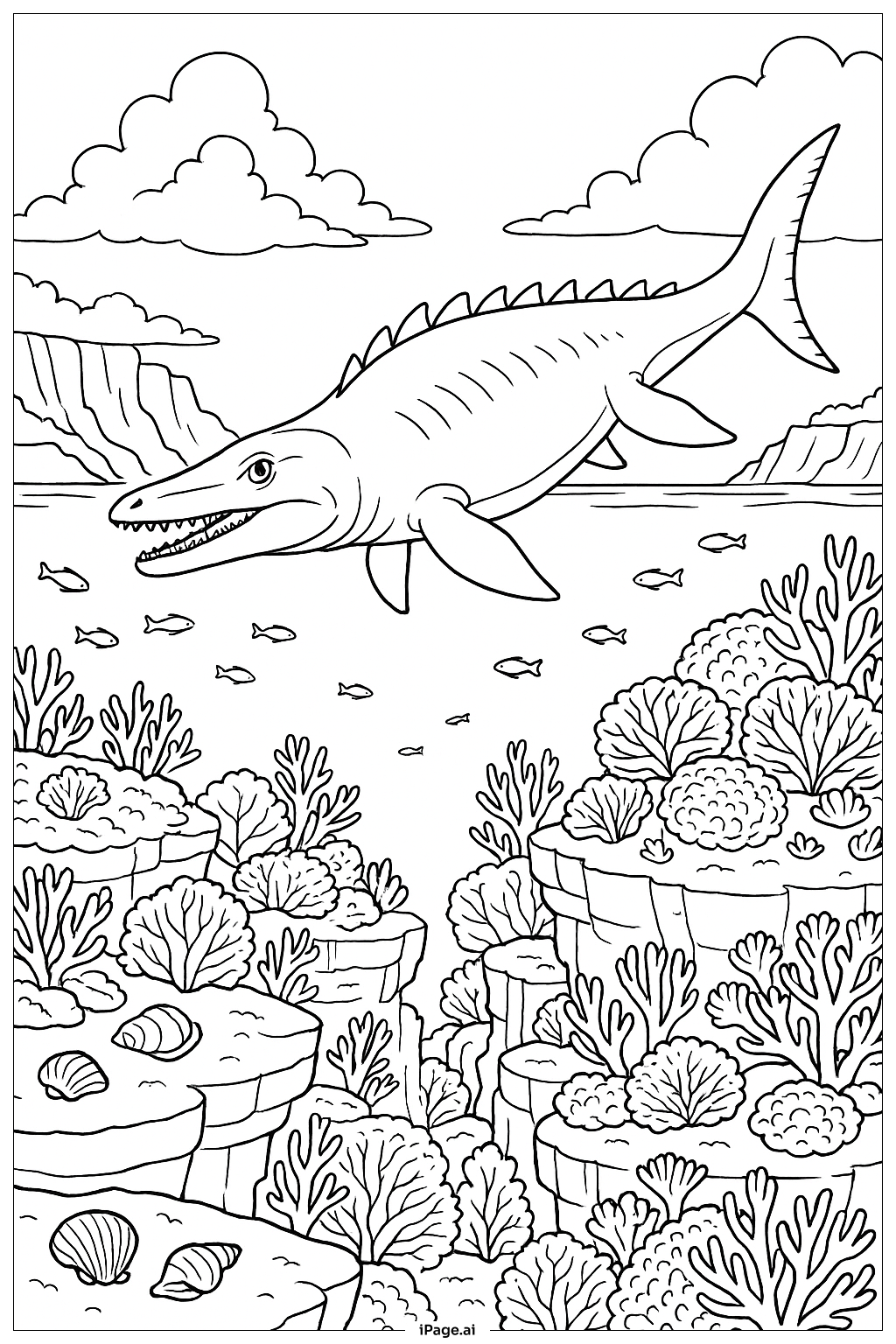
Coloring tip: Start with a light base for the sky and water, then layer darker shades to add depth. The lighthouse can be colored in classic red and white stripes, or you may use bright colors to make it stand out. If you prefer a sunset scene, blend oranges, pinks, and purples behind the lighthouse. The rocky island can be gray with touches of brown or seaweed green for variety. For the mosasaurus, try blue-gray or olive tones; add a lighter belly and a darker back for dimension. Color the teeth white and keep the mouth dark inside to show shade. Use a thin dark marker or colored pencil to outline the features after coloring to keep the lines crisp. You can also paint waves with a mix of teal and blue, adding white caps with a white crayon or gel pen. Try a different color palette, like a sunny tropical look, or a mysterious dusk look, to tell your own story. For younger children, use big blocks of color and keep to simple fills. For older kids, blend colors softly to create smooth shading. You can add texture on the rocks by dotting with darker spots.
Coloring challenges: Which parts are difficult to color and need attention for Mosasaurus With Lighthouse coloring page?
1) Getting proportions right. The mosasaurus is long and curved. Start with a smooth spine from snout to tail, then add the jaw with a few teeth. Keep the head slightly larger than the fins for character. The fins should be broad and rounded, not sharp. For younger artists, fill large areas first to avoid small mistakes. For older kids, try shading along the belly and back to show light from above. The tail should taper to a point, and the expression can be friendly to fit a coloring page. 2) Layering water and sky. The sea has waves; plan three tones of blue or blue-green. Start with the lightest for background water, then add mid-tones for crests and darker shades for shadows under the mosasaurus and behind the lighthouse. Use a white pencil or gel pen to add foam at wave tips. For the sky, make a gentle gradient from pale blue at the top to lighter near the horizon. 3) Color contrast and readability. The page has many elements; choose contrasting colors so each part stands out. For example, red and white lighthouse, gray rocks, blue water, and a greenish mosasaurus. Use a darker outline around each shape to improve definition, especially for kids coloring outside the lines. Add a lighter belly on the mosasaurus to suggest light from above. 4) Handling lines and markers. If you use markers, beware of bleed-through; place a sheet underneath. Layer light colors first, then build up with darker tones. For crisp outlines, wait for base colors to dry before tracing with a dark pencil or fine-liner. Keep your hands clean, and avoid rubbing; practice blending on a scrap sheet.
Benefits of coloring books: Advantages of drawing Mosasaurus With Lighthouse coloring page
Coloring this Mosasaurus with Lighthouse scene offers many benefits for kids. It helps develop fine motor skills as children hold and control crayons, pencils, or markers to fill small spaces and follow the outlines. The big shapes, such as the lighthouse and mosasaurus, build hand-eye coordination and confidence when filling areas neatly. Color recognition and vocabulary grow as children decide color schemes for sky, water, rocks, and the creature. For younger children, this page supports imaginative storytelling: a friendly mosasaurus swimming near a guiding lighthouse. For older kids, it invites practice with shading and blending to show light and depth, from the sunlit belly of the mosasaurus to the darker water beneath. Focusing on the waves encourages concentration and patience, while choosing contrasting colors strengthens decision-making. The lighthouse adds a learning moment about safety and navigation traditions. Completing a page gives a sense of accomplishment and can be calming and meditative; it creates a quiet-time ritual that supports emotional well-being. Finally, coloring fosters creativity by letting children experiment with color combinations, textures, and mood—bright and bold, soft and dreamy, or a dramatic dusk scene.