Coloring tips: How to color May Little Bird coloring page well?
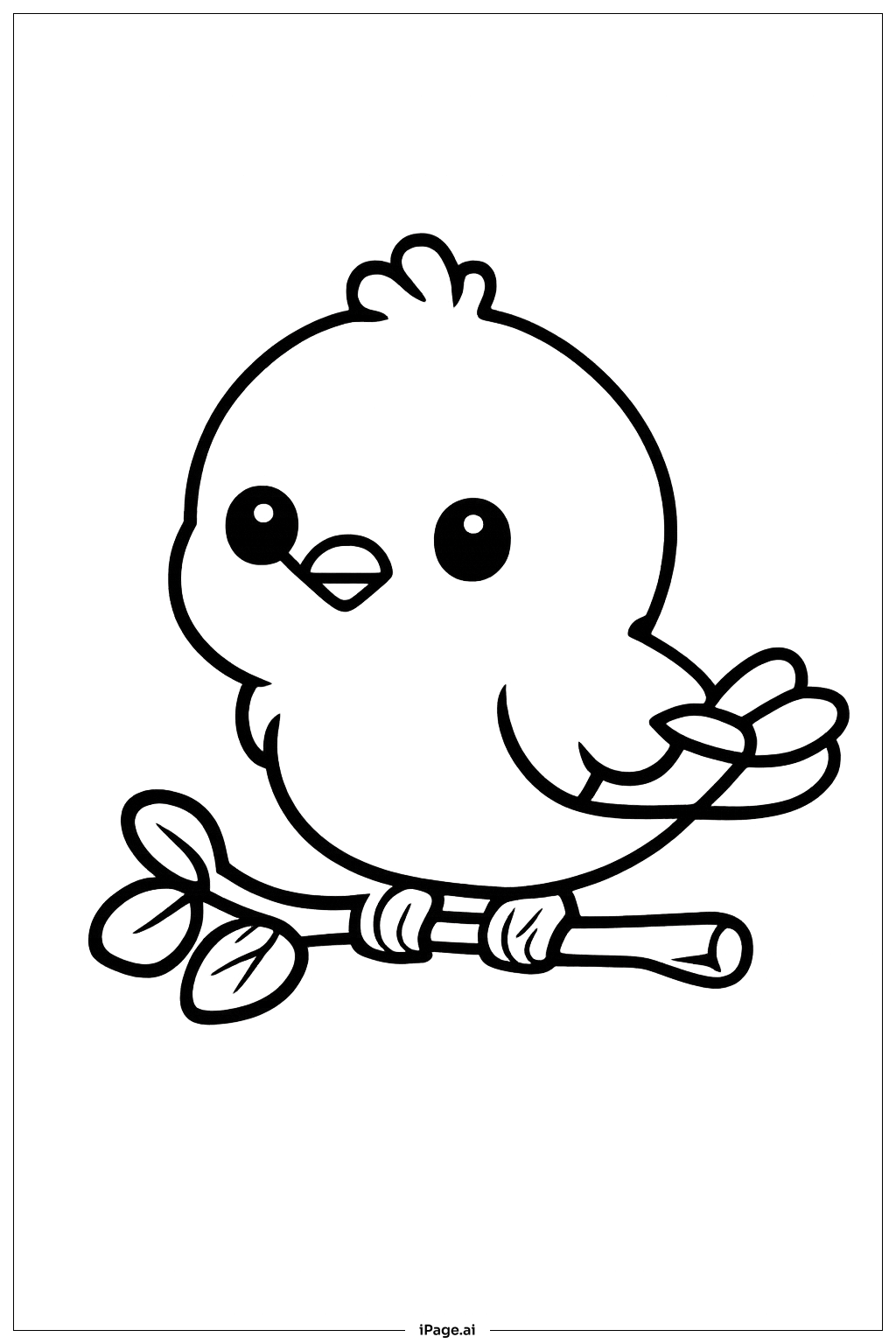
Use soft and fresh colors to bring this May Little Bird to life. For the bird’s feathers, try shades of light blue, yellow, or gentle orange to reflect the brightness of spring. The flowers can be colored in pinks, purples, or bright whites, while the leaves might look lively with different greens—from pale mint to deeper forest green. You can also add subtle yellows for the buds and use light browns or tans for the branches. For the background, consider a pale sky blue to highlight the happiness of a spring day. Remember to color the butterflies with gentle pastel tones, making them stand out delicately.
Coloring challenges: Which parts are difficult to color and need attention for May Little Bird coloring page?
• Small details: The bird’s feathers and the tiny flower petals require careful coloring to stay inside the lines and show texture. Younger children may need help managing these fine areas. • Overlapping elements: The branches, leaves, and flowers intertwine, making it a challenge to keep colors distinct and avoid blending unintentionally. • Shading and depth: To make the bird and blooms appear lively, using different shades in the same color can be hard but rewarding. It requires attention to light and shadow. • Maintaining balance: Ensuring that no single color dominates the entire image while still keeping it vibrant may be tricky for less experienced colorers. • Small butterflies: Coloring these insects delicately without over-saturating them takes patience and a light hand.
Benefits of coloring books: Advantages of drawing May Little Bird coloring page
Coloring this May Little Bird image helps children develop fine motor skills by encouraging careful control over small details. It also fosters creativity as they choose colors to bring the scene to life. Engaging with nature themes promotes observation and appreciation of the spring season. Coloring this image can be calming and improve focus, making it a great exercise for mindfulness. The layered elements support learning about light and shadow, helping older children understand basic art concepts. Overall, it’s a joyful way to enhance artistic abilities while connecting with the fresh energy of May.